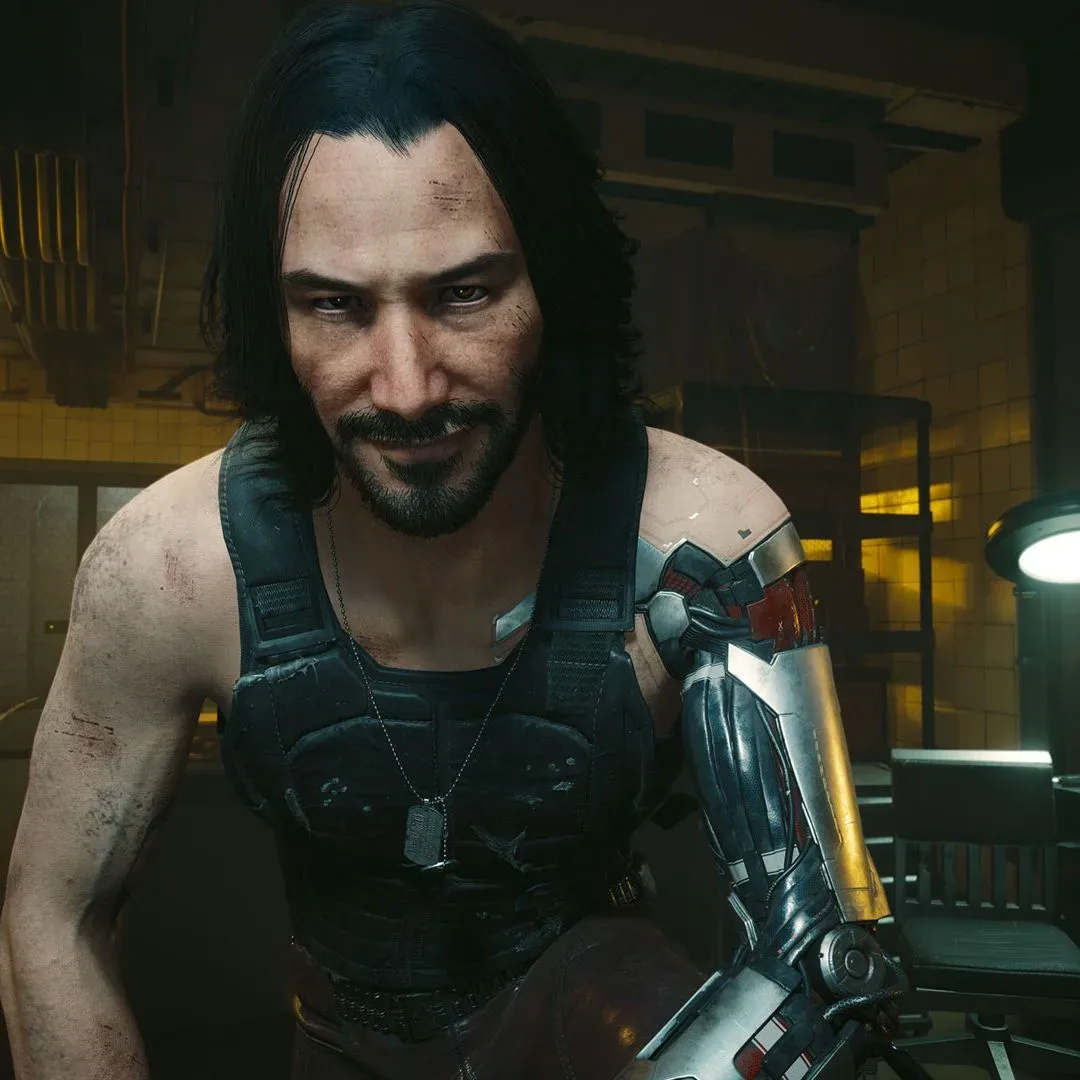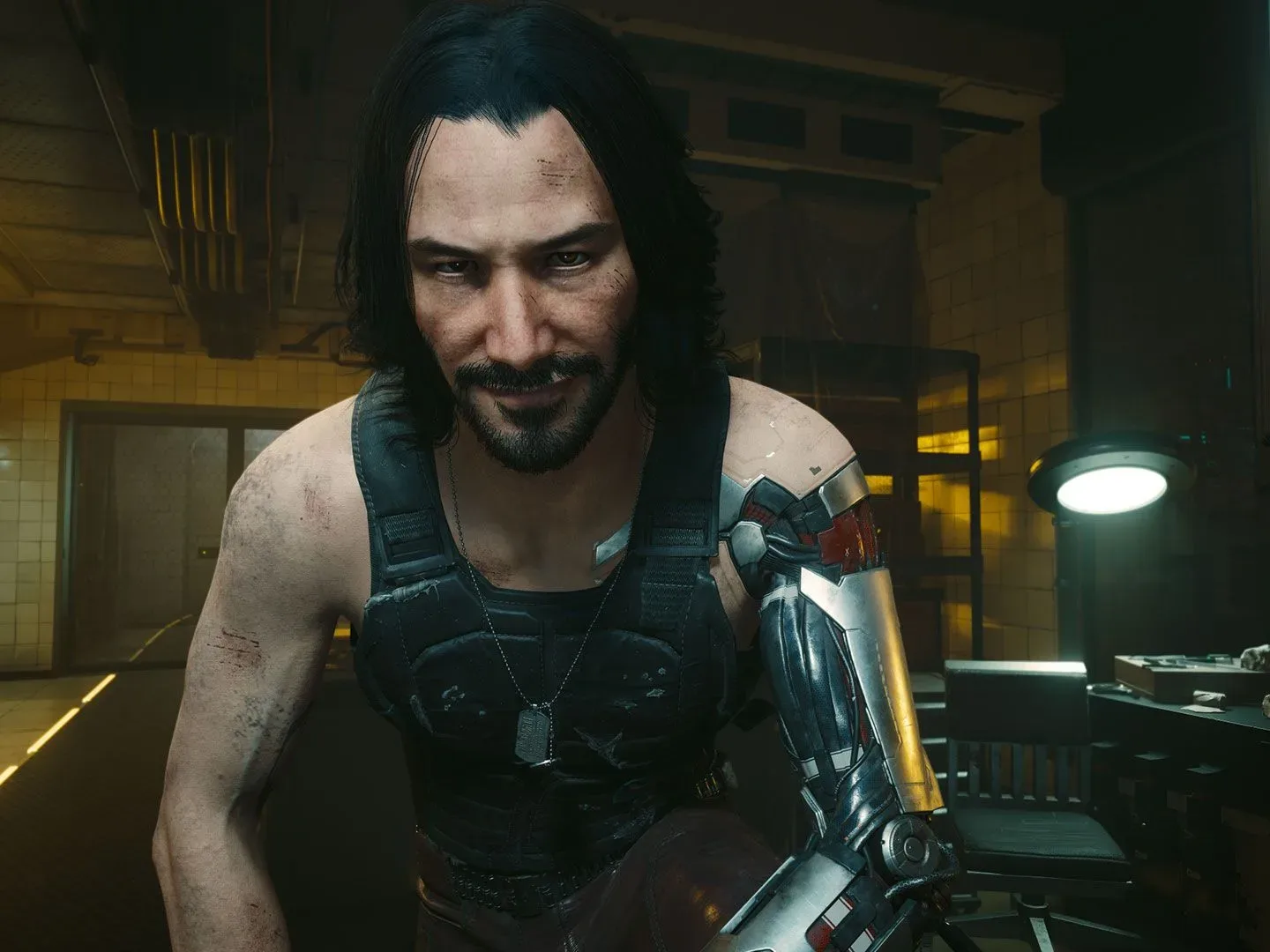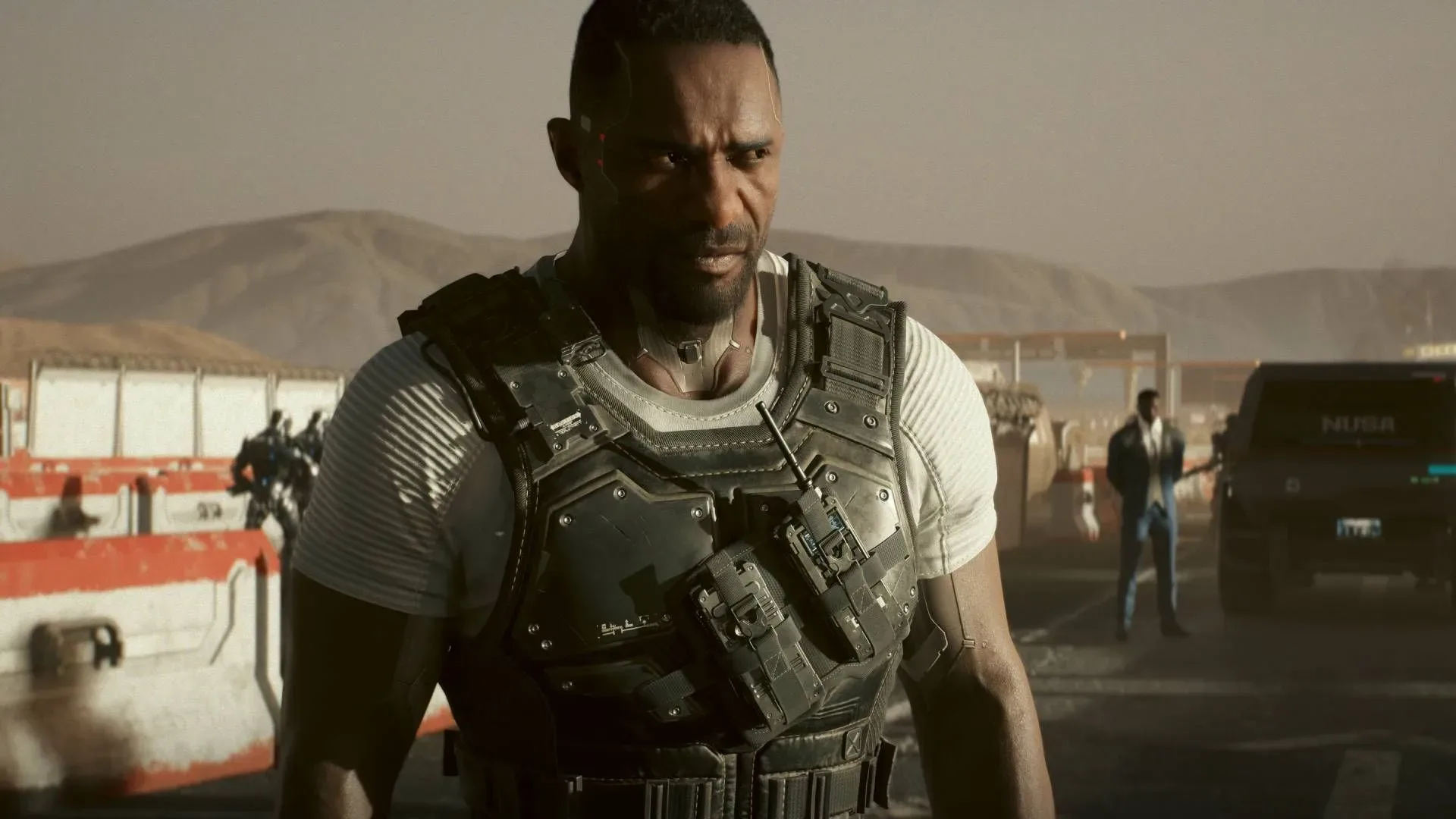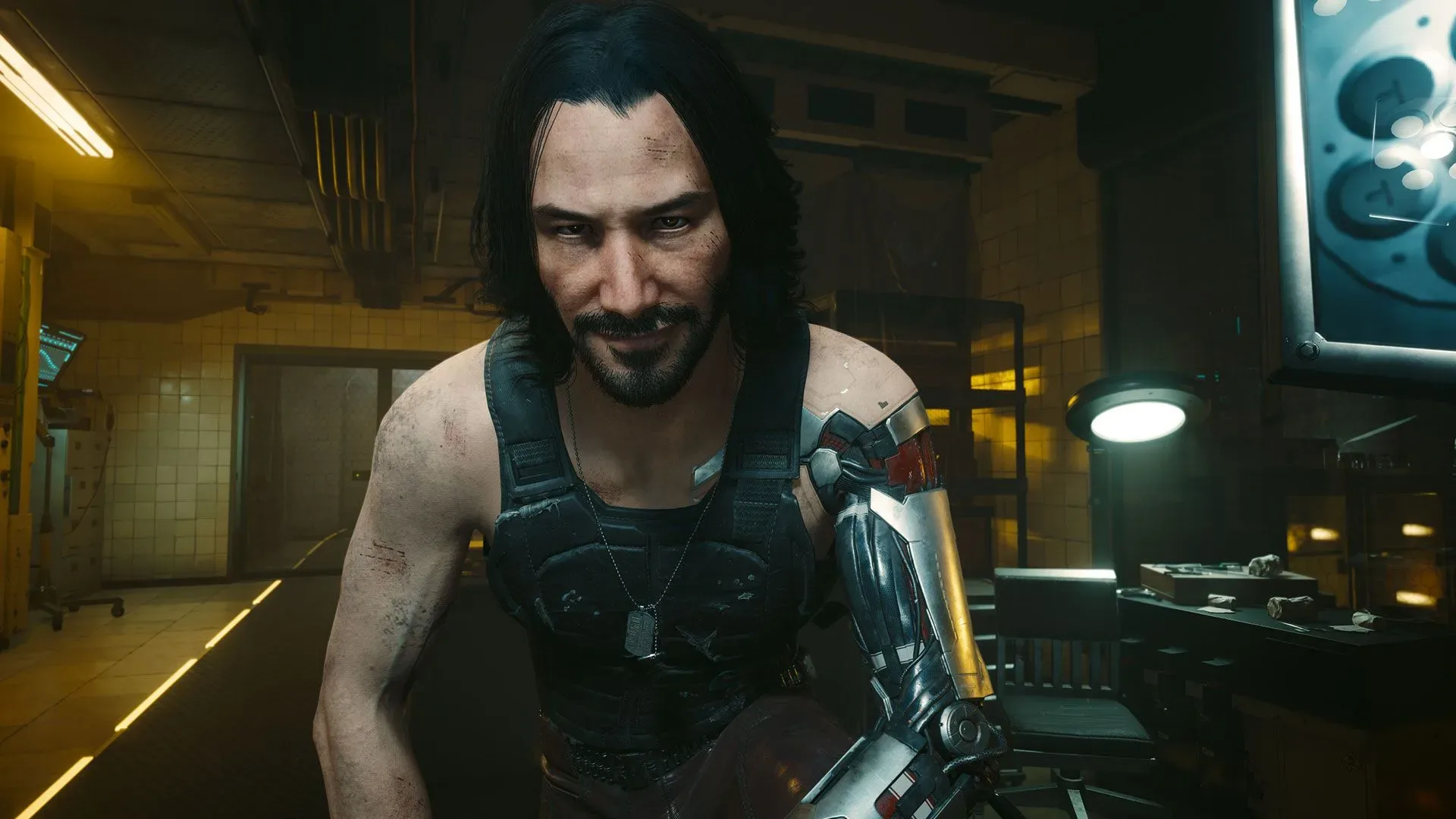
Cyberpunk 2077: Phantom Liberty has now sold more than 15 million copies, a substantial milestone for the expansion and a reminder of how much the game’s position has changed since its original release. But Paweł Sasko, a designer at CD Projekt Red, has drawn an important line between commercial and creative recovery on one hand, and historical revision on the other.
Looking back three years after Phantom Liberty, Sasko said he does not believe the expansion “erases” the launch of Cyberpunk 2077 and would not want to present the team’s story in those terms. It is a notably direct acknowledgment that a successful add-on, no matter how well received or widely purchased, cannot undo problems customers experienced when the base game arrived in December 2020.
That distinction matters. The intervening years have brought patches and updates intended to address performance and technical problems, the major 1.5 “next-gen” update, an Edgerunners update tied to Netflix, and finally Phantom Liberty. Together, those efforts changed the conversation around the RPG. Yet the initial release remains part of the game’s record—not a footnote to be quietly removed because the later work landed well.
A milestone without a rewrite
Sasko expressed gratitude for Phantom Liberty passing 15 million copies, but emphasized lessons learned during its development over the sales total itself. He pointed to directing games, trusting people, making choices meaningful, allowing characters room to breathe, and accepting the scars that come with a difficult production.
“I do not think Phantom Liberty erases the launch of Cyberpunk 2077, and I would never want to tell our story that way.”
There is a healthy degree of precision in that view. “Redemption arc” is convenient shorthand, but it can imply that the earlier failure has been cancelled out. It has not. A later expansion can demonstrate improved execution and can earn fresh trust from players; it cannot retroactively change the condition in which previous buyers received the game.
At launch, Cyberpunk 2077 faced widespread performance and technical issues. The problems were serious enough that several storefronts offered refunds, while Sony placed a PlayStation Store warning advising against buying the PS4 version. Those consequences are why the launch cannot fairly be reduced to an awkward early patch period. The damage was visible to customers and carried real purchasing implications.
What Phantom Liberty’s success does mean
Refusing to erase the launch does not diminish the achievement of Phantom Liberty. Reaching more than 15 million sales is a meaningful result, particularly for an expansion arriving after a difficult base-game release. It indicates that the expansion found a large audience and that many players were willing to engage with the world again.
Related coverage includes Cyberpunk 2077 Designer Says Phantom Liberty Cannot Erase the Game's Troubled Launch.
More importantly, Sasko’s reflection frames the add-on as a learning experience rather than merely a victory lap. His comments focus on development decisions: how a game is directed, how teams place trust in one another, and how narrative choices are constructed. In role-playing games, “meaningful choices” generally means decisions that have clear dramatic weight or consequences rather than functioning as decorative dialogue branches. Giving characters “space to breathe” points to a related storytelling priority: scenes need enough room for personalities, relationships, and emotional turns to register instead of rushing immediately to the next plot instruction.
The mention of choices is especially relevant to Phantom Liberty, whose development reportedly worked backwards from its severe final decision and involved rewriting scenes repeatedly. That approach describes a narrative-production method in which developers establish a desired endpoint, then revise earlier moments so motivations, consequences, and player-facing alternatives support it. It is not simply writing a dramatic finale first; it also demands that the route toward it feels coherent.
These are useful lessons precisely because they do not pretend production difficulty is romantic. Sasko’s wording about accepting scars recognizes that making a large game can leave lasting consequences. The point is not that hard development automatically produces stronger art. It is that a team should confront what went wrong as it applies the lessons from what later went right.
Patches, updates and the longer responsibility of support
CD Projekt Red began issuing patches and updates shortly after the original release to tackle the game’s technical and performance issues. The 1.5 update was a major turning point in the game’s trajectory. In practical terms, a patch is a post-release software update that fixes defects or changes an existing product; a major update can encompass broader work, including extensive refinements beyond isolated bug fixes.
That post-launch work was necessary, but it also illustrates why launch quality has such an outsized effect. Players buy a game based on what is available at the time they make that decision. They may have limited time for it, may be playing on a specific platform, or may not be interested in returning months or years later. Future improvements can make a game better for present and future players, but they do not provide the same experience to everyone affected at the beginning.
The wider industry continues to wrestle with this tension: ongoing support can extend a game’s life and substantially reshape it, while players still need confidence that a product is ready when sold. That question extends beyond one RPG or one studio. As other major games plan for continuing seasons and support, the value of that work depends on whether it serves players reliably over time; the future of long-running seasonal content likewise rests on player participation.
Cyberpunk’s case is unusually clear because both parts of the story are so pronounced. There was a launch widely associated with severe technical trouble and refunds, followed by years of repair, additions, and an expansion that has crossed a major sales threshold. Neither half needs to be denied for the other to be recognized.
Why candid language is more valuable than a clean redemption narrative
For players, Sasko’s comments offer a more credible way to discuss the game’s evolution. It is easy for marketing language—or even fan enthusiasm—to flatten a complicated history into “it is good now, so the controversy no longer matters.” That claim puts people who had legitimate problems at launch in the awkward position of being told their experiences have expired.
A more accurate assessment is straightforward: Cyberpunk 2077 improved substantially after its launch, and Phantom Liberty became a major success, but the original release still failed many buyers. The recovery deserves recognition. So do the launch-era consequences.
This also protects the value of the development team’s later work. Calling Phantom Liberty a success does not require treating it as a magic eraser. In fact, the expansion’s reception and sales are more meaningful when understood as achievements earned after extensive work, rather than as proof that the earlier problems never counted.
Sasko’s reflection ultimately avoids the most tempting version of the comeback story. Phantom Liberty’s more than 15 million sales show that the expansion resonated at scale. The patches, 1.5 update, and other post-launch developments helped reshape the game’s path. But a responsible account holds both truths at once: the road forward mattered, and the point of departure still does.