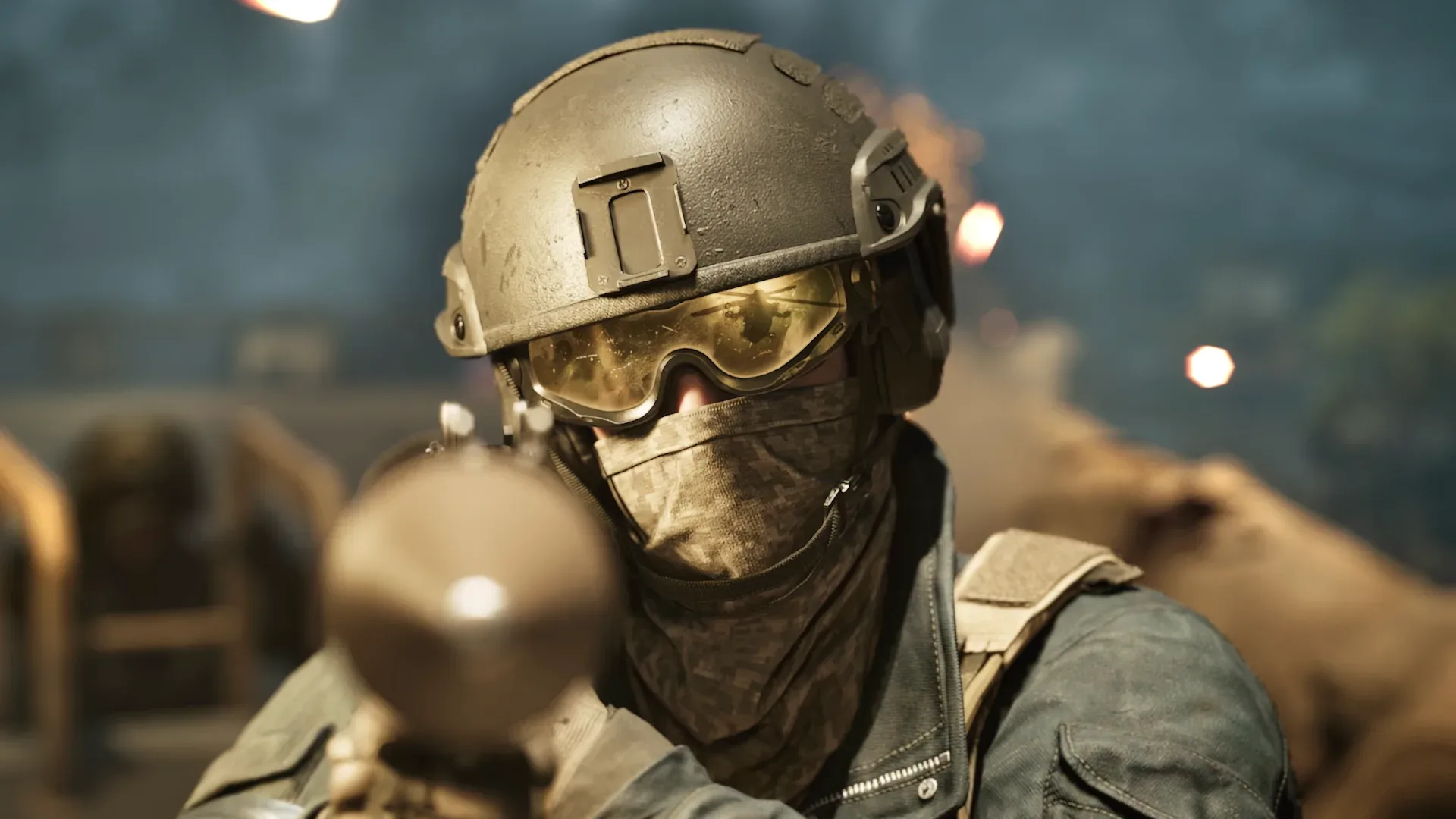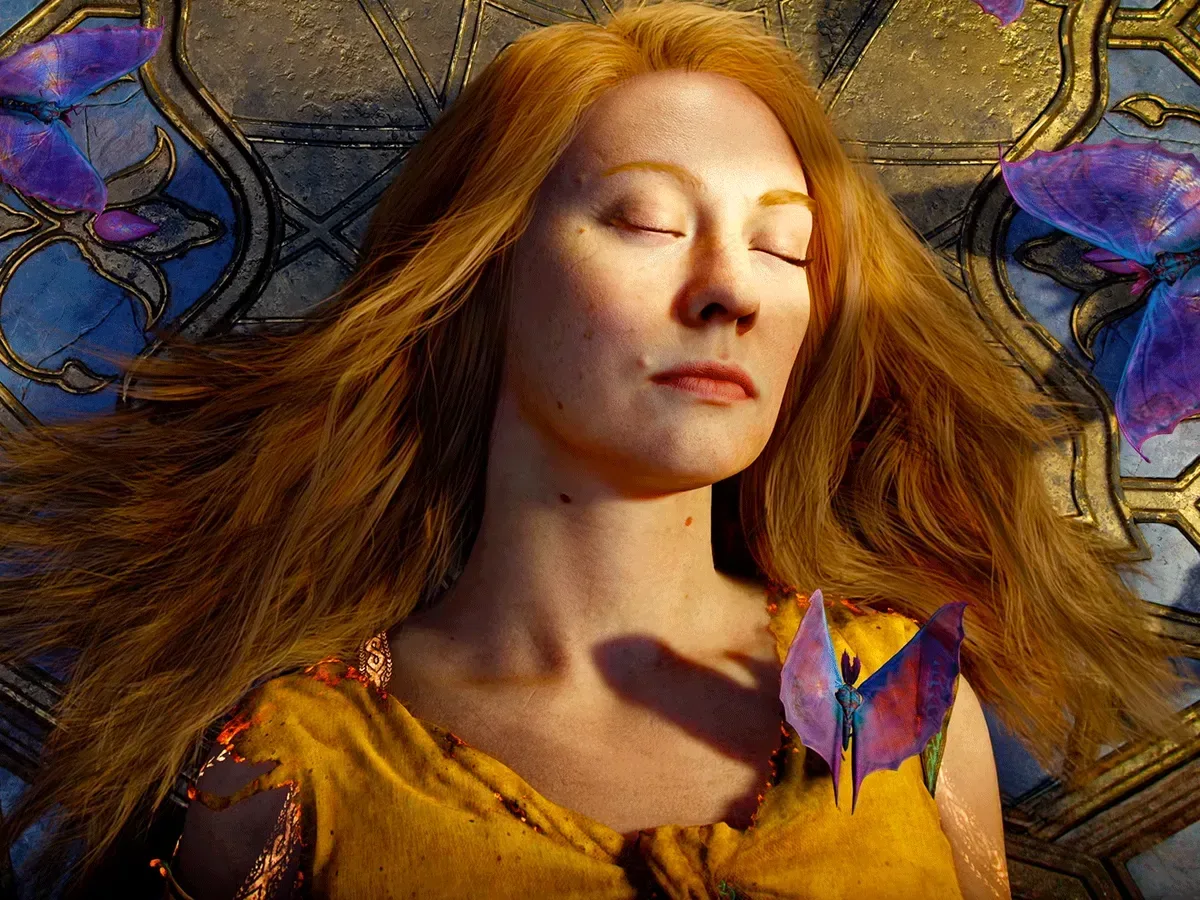
Bruce Straley has apologized to the team behind God of War Laufey after comments he made about the state of AAA development brought unwanted attention to Santa Monica Studio’s upcoming action game.
The former Naughty Dog developer had praised the apparent visual craft of God of War Laufey while saying he was not excited by what players appear to do in it. He used the game as part of a wider argument that major releases too often revisit familiar player actions rather than take meaningful creative risks. After the remarks generated a sharp response online, Straley said naming Laufey had been a mistake and apologized directly to its development team.
“I want to apologize to the Laufey team for dragging you all into this uninvited and unnecessary negative attention,” Straley wrote. “I was trying to illustrate an industry concern.”
The apology matters because it separates two ideas that quickly became tangled together: a criticism of blockbuster-game business incentives, and a judgment on work made by a specific team. Straley’s follow-up makes clear that he sees the latter as collateral damage from trying to discuss the former.
What Straley was trying to say about AAA games
AAA is a loose industry label for big-budget, large-scale games, generally made by sizable teams and backed by substantial marketing and commercial expectations. It does not describe a single genre or quality level. The term is often used to discuss the economic pressures around games that must appeal to a wide audience and justify enormous investment.
Straley’s concern was not that teams lack talent. In fact, his original observation emphasized the opposite: he described the visual work in God of War Laufey as astonishing and recognized the labor and skill behind every frame. His concern was about the interactive layer—the set of things players repeatedly do.
In game-design language, those things are commonly called verbs. A verb is a player action: moving, aiming, fighting, sneaking, exploring, crafting, talking, solving puzzles, or managing resources. A game’s verbs, and the rules and rewards attached to them, form much of its moment-to-moment identity. When Straley said players may be tired of “the same verbs” across two decades, he was not making a technical claim about one combat system or one series. He was making a broader argument about repetition in big-budget interactive design.
That distinction is important. A game can have a new setting, a different protagonist, excellent animation and expensive cinematic presentation while still relying on action patterns players recognize from many previous games. Whether that is inherently a problem is subjective. Familiarity can make a game immediately legible and satisfying; it can also make some players feel that lavish production is not being matched by equally ambitious interaction.
Related coverage includes Bruce Straley Apologizes to God of War Laufey Team After AAA Gaming Comments.
Straley’s position is that games cannot rely solely on presentation because the medium asks its audience to participate. He argued that playing produces a different response from merely watching and that developers therefore need to keep creating new experiences. That is a hypothesis about player engagement, not a demonstrated fact about how every player responds, but it captures the heart of his criticism: interactivity should evolve alongside visuals.
An apology to the Laufey developers, not a walk-back of the wider concern
Straley did not abandon his broader criticism in his posts. Instead, he acknowledged that attaching it to God of War Laufey created an unfair target for people who are still making the game and whose full work has not yet been released.
He said the lack of innovation and risk-taking he perceives in AAA is not the fault of an individual development team. That is a useful distinction in an industry where the people building games do not necessarily control release strategy, budgets, timelines, franchise planning, or the appetite for financial risk. His follow-up placed responsibility higher up the chain, arguing that leadership, direction and funding decisions can either give creators room to experiment or narrow their options.
That does not resolve the underlying disagreement over Laufey, because the available material has prompted different readings. Some people have expressed concern about a God of War story led by someone other than Kratos; others are interested in a new perspective within the series’ universe. Straley’s own comments added another angle, focusing less on protagonist choice and more on whether the gameplay looks meaningfully different from the Norse-era Kratos games.
But a previewed game is an especially awkward vehicle for a sector-wide argument. Public footage is curated, incomplete and designed to communicate a project months before people can play it. It can show tone, combat, character and production values, but it cannot conclusively establish the depth, structure or cumulative feel of a full game. That limitation does not forbid criticism of what has been shown; it does mean the criticism should remain proportionate to what is known.
Why games as a service entered the discussion
Straley also criticized the pursuit of games as a service, connecting it to the stability and experimentation problem he sees in the business. Games as a service refers to games designed for continuing operation and engagement over time, often through ongoing updates, seasons or new content. It is a model, not a genre: it can be applied to very different kinds of games.
His criticism was aimed at the effort to reproduce the success of enormous long-running games such as Overwatch, Fortnite and Roblox. Straley argued that treating the search for the next hit of that kind as a universal strategy is not viable, and that companies need a clearer understanding of their own brands.
The practical issue behind that claim is creative risk. If leaders believe only a proven format can provide financial security, teams may be pushed toward safer structures, established franchises or designs that closely resemble existing successes. Conversely, a company that understands what it makes well may be better positioned to support a project that fits its strengths rather than chase a model designed for someone else’s audience.
That is analysis rather than proof of what is happening on any one project. Straley did not provide internal details about Santa Monica Studio, its plans, or the development of God of War Laufey. His argument is a general one about incentives and leadership in large-scale game development. The apology makes his intended target clearer: he wanted to criticize those incentives, not invite hostility toward a named team.
The examples behind the “modern AAA” mold
To explain what he believes has been lost, Straley pointed to Half-Life 2, Gears of War, BioShock, Uncharted 2 and The Last of Us. He characterized those games as works that helped set the modern AAA template while trying to introduce new experiences.
The list is revealing because it does not describe a single mechanical formula. These games span first-person action, third-person cover shooting, narrative adventure and survival-focused design. The shared point in Straley’s framing is not that every future game should imitate them. It is that big commercial releases can pursue polish and accessibility while still trying to move their genre, storytelling or player experience somewhere new.
There is a built-in tension there. Once an influential game helps establish a successful model, that model becomes attractive to publishers and developers precisely because audiences recognize it. Innovation can eventually become convention. This is not unique to games, but the stakes can be particularly high in AAA development because of the scale of teams and investment involved.
The same tension is visible in franchise sequels. Players may want a recognizable world, returning characters and dependable mechanics, while also wanting a reason that the next installment exists beyond more of the previous one. There is no simple formula for balancing those desires. A sequel that changes too little can feel stagnant; one that changes too much can lose the qualities its audience valued.
Debates about reinvention are hardly new in games. The broader creative principle is reflected in a look at Satoru Iwata’s approach to reinvention in Nintendo series, where continuing a major franchise and avoiding automatic repetition are presented as goals that must coexist. Straley’s remarks land in that same longstanding debate, although his focus is on the pressures surrounding contemporary high-budget development.
What is known about God of War Laufey
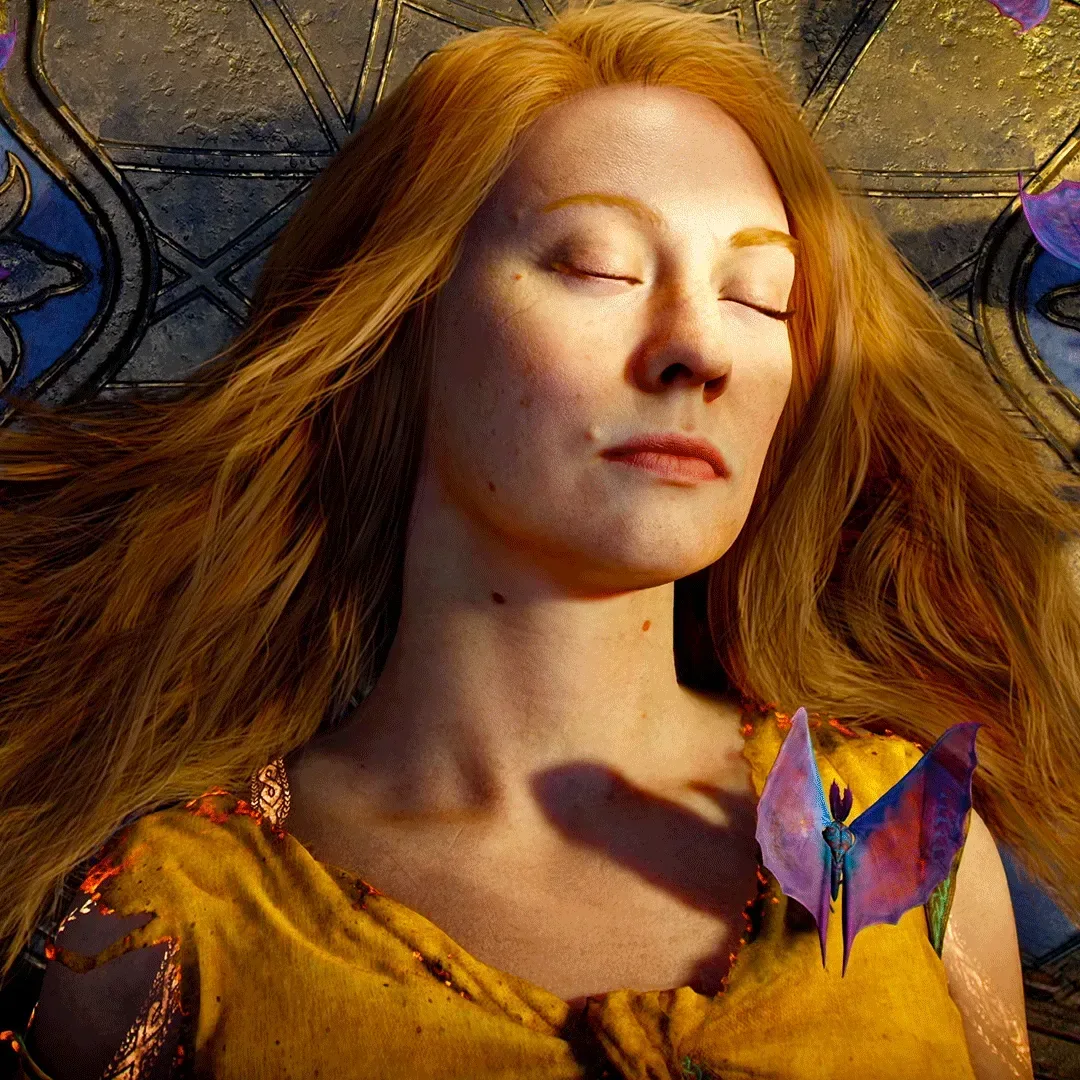
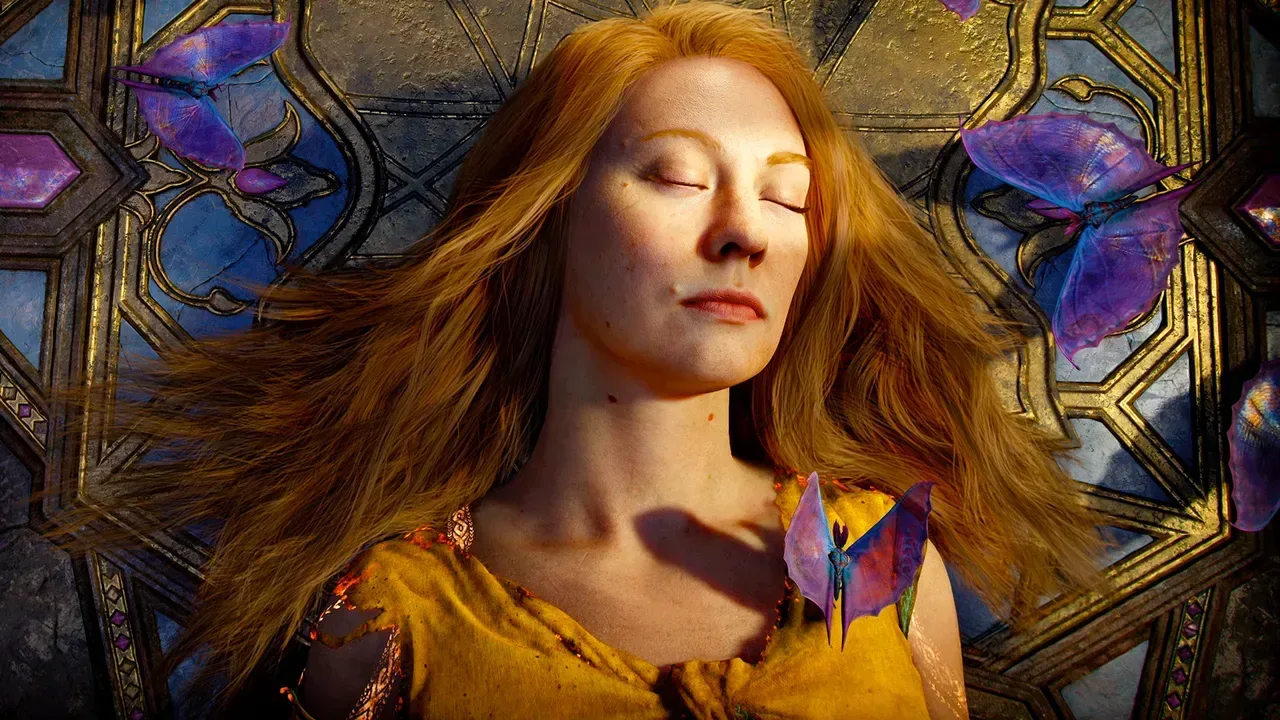
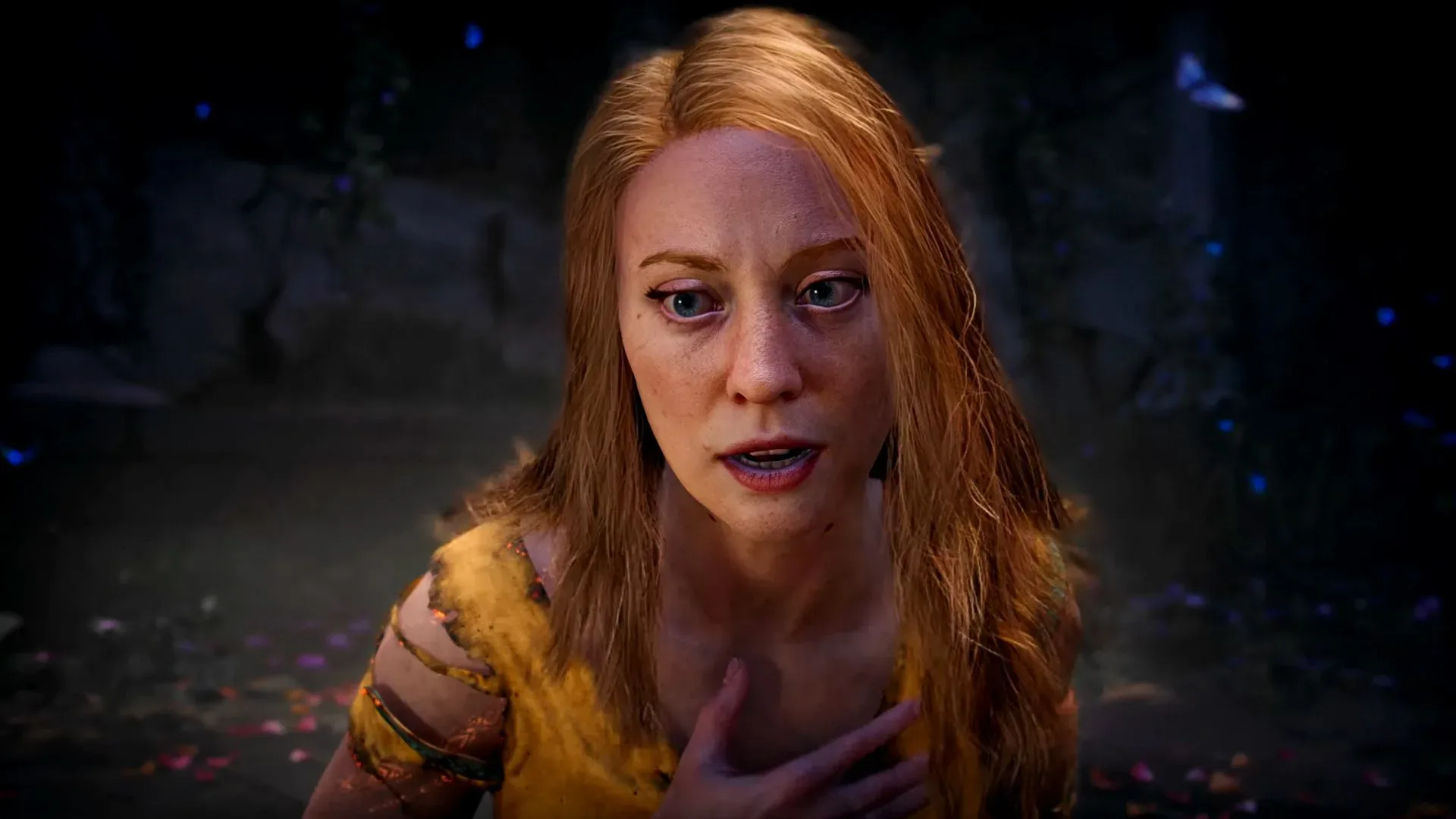
God of War Laufey was announced during a PlayStation State of Play presentation in June. It is described as the next chapter in Santa Monica Studio’s mythology-spanning action series and is set to tell a story through the perspective of Faye, also known as Laufey, voiced by Deborah Ann Woll.
The project is positioned as a different view of the universe rather than a permanent abandonment of Kratos. Santa Monica Studio has said that the Ghost of Sparta will return, even as Laufey shifts attention to Faye. Director Ariel Lawrence has asked skeptical fans to give her story a chance.
Its planned launch date is February 16, 2027. Until then, arguments about whether it is too familiar, too different, or exactly the kind of continuation the series needs will necessarily be based on limited material. Straley’s apology does not end the larger conversation about AAA design. It does, however, establish a more responsible boundary for it: criticize systems, business priorities and creative trends without turning an unreleased game’s development team into the stand-in for every industry frustration.
Where Straley is now
Straley left Naughty Dog in September 2017 after 18 years at the studio. In 2022, he helped found Wildflower Interactive. The studio is currently working on Coven of the Chicken Foot.
He closed his thread by saying he had “stuck my foot in my mouth” by mentioning Laufey. The admission does not make his critique of AAA risk, service-game ambitions or executive decision-making any less debatable. It does recognize that broad criticism carries a different weight when it names a team, particularly one already navigating intense fan attention before its game has launched.