Nintendo’s most recognizable names can make it easy to describe the company as sequel-driven. Mario and Zelda have endured precisely because audiences want more of them. But a 2006 explanation from late Nintendo president Satoru Iwata lays out a more demanding ambition: familiar series should return, while Nintendo should resist becoming a business that merely repeats itself.
“If all we were to ever do is just continue to make sequels and not do anything new or different,” Iwata said, “people would view us as a very conservative company and a company that is unwilling to really take new initiatives and embark on new adventures. That's not the type of person I am and not the kind of company I want Nintendo to be.”
The statement is notable because it does not reject sequels. Iwata also acknowledged that Nintendo had a large audience expecting them. His point was that a sequel has to be more than a dependable label on a new box. It needs an answer to a harder question: what is the new experience, and why does this franchise need to deliver it now?
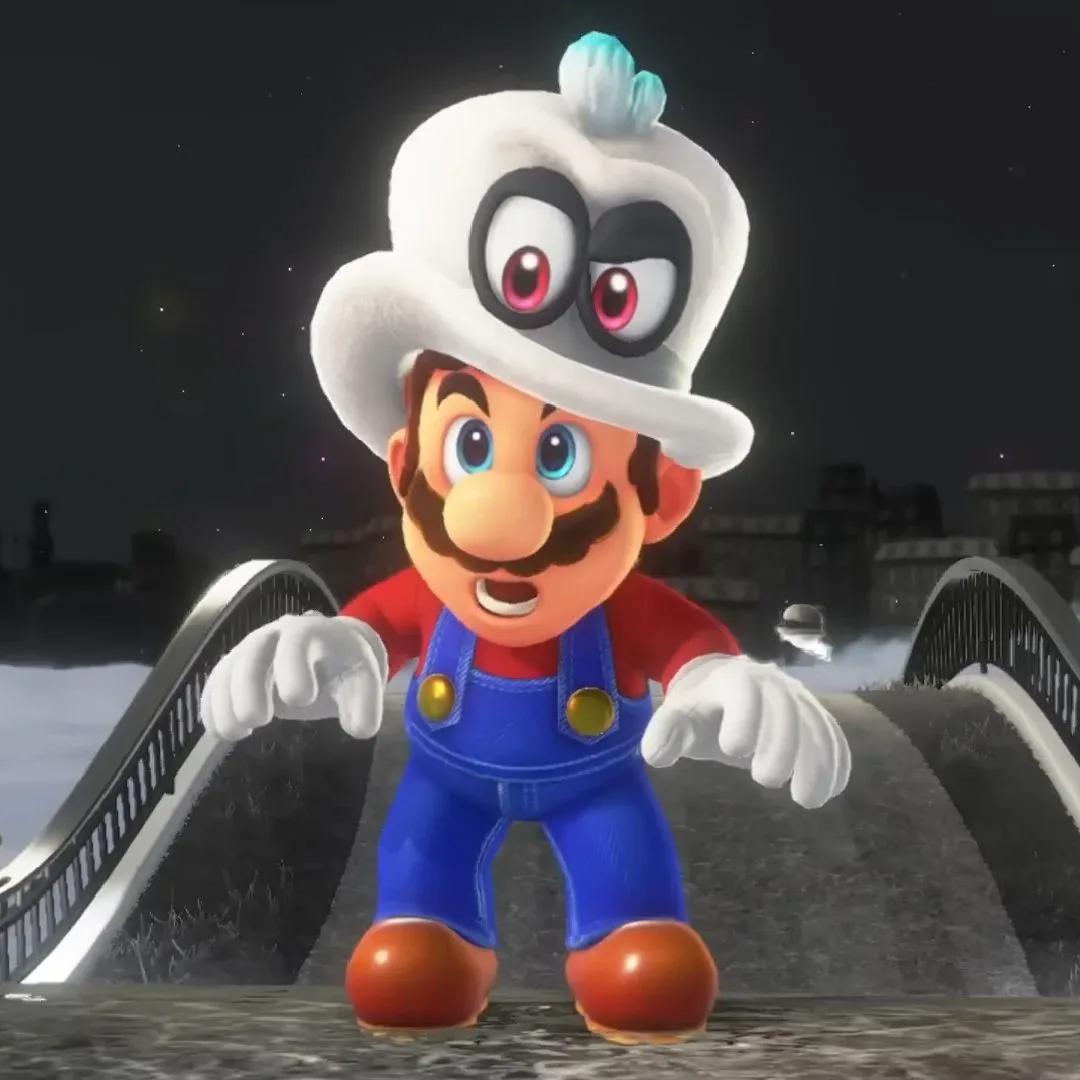
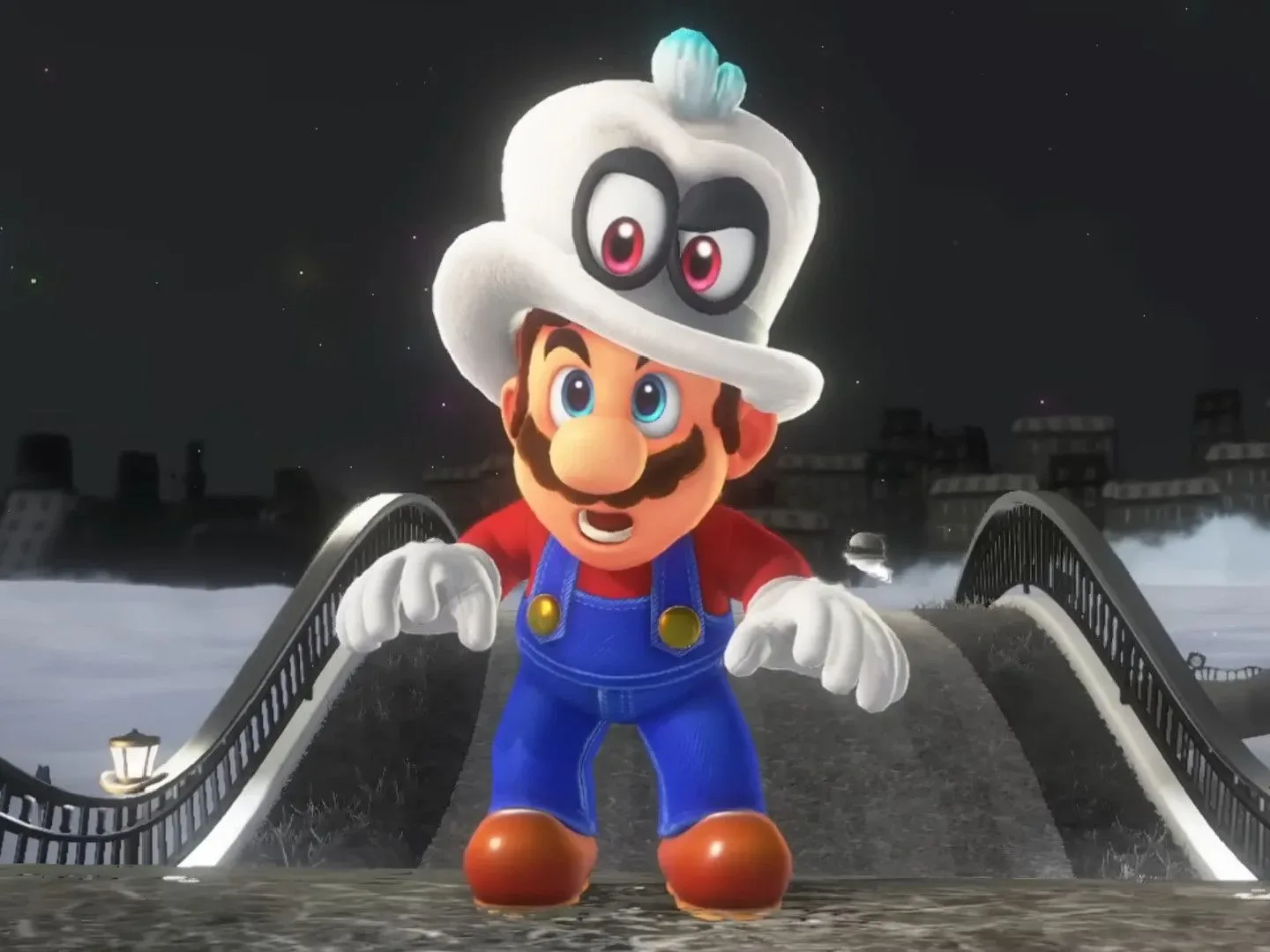
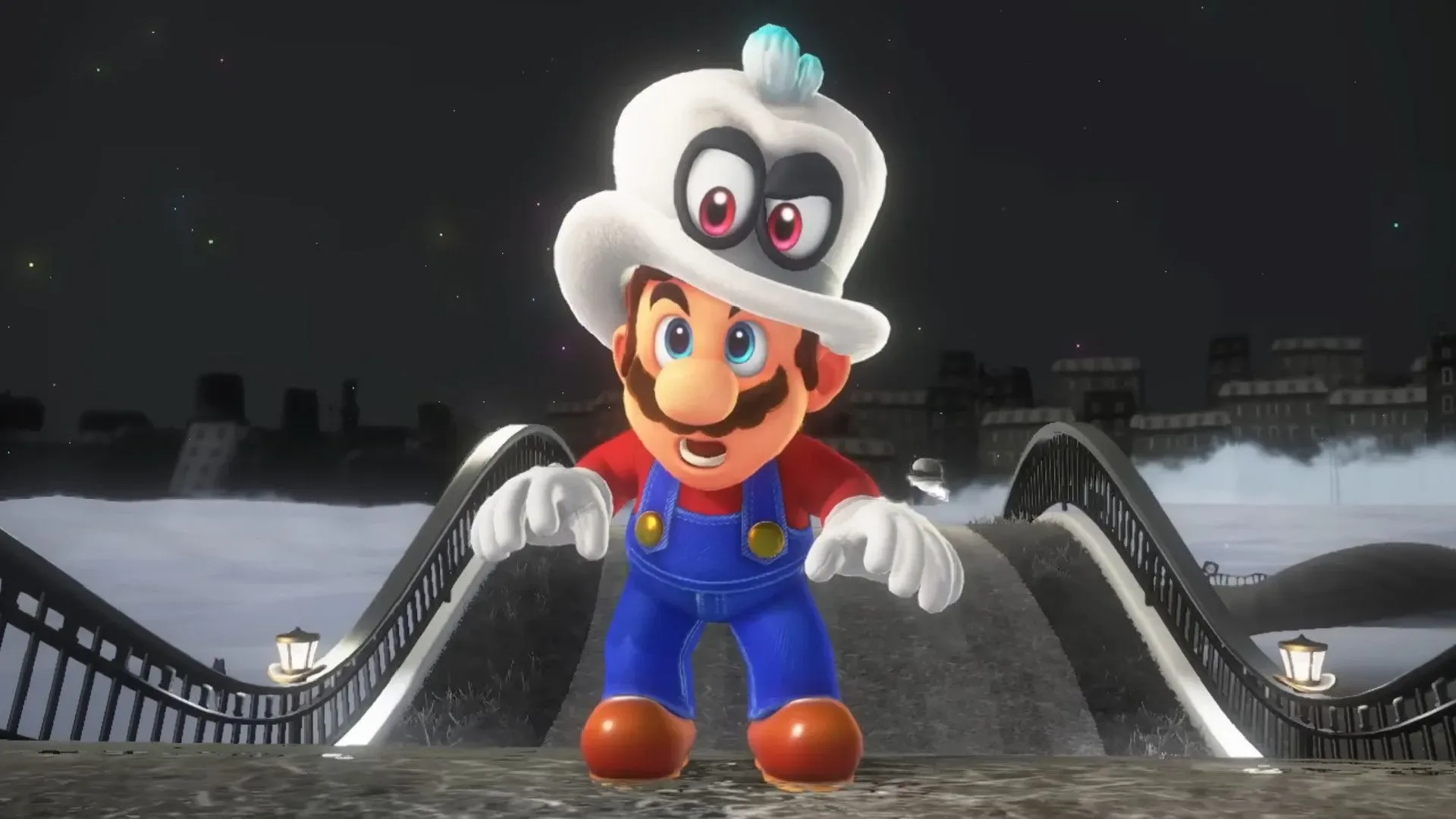
That distinction helps explain why games such as Super Mario Odyssey and The Legend of Zelda: Breath of the Wild can feel like major events rather than routine installments. Both carry enormously familiar names, but they are presented as substantial reworkings rather than simple repetitions of past formulas. The commercial usefulness of a known franchise and the creative need to surprise players are not opposites in Iwata’s framing; they are responsibilities Nintendo has to satisfy together.
Sequels were part of the plan, not the whole plan
Iwata’s view was not that Nintendo should abandon its established audience in pursuit of novelty. He explicitly said the company would continue to serve people looking for classic Mario and Zelda experiences. At the same time, Nintendo would create different kinds of gameplay for people who had not previously played games, including people who might play only for short periods in a day.
That is a useful clarification of what “innovation” meant in this context. It was not solely about making a long-running series stranger, larger, or more technically elaborate. It also meant reducing barriers to entry and considering people with different habits from the audience traditionally described as core players.
Core audience, in this discussion, means the committed fans who already follow major game releases and expect recognizable genres and series. Nintendo’s challenge was to retain those people without treating them as the only people worth designing for. The company’s proposed solution was a two-track promise: preserve classic experiences while also making games that could appeal to newcomers.
That balance is easy to state and difficult to execute. A company can alienate longtime fans if it changes a beloved series beyond recognition. It can also stagnate if it assumes that every audience wants the same controls, pace, structure, or time commitment as the fans who have been there for decades. Iwata’s comments present Nintendo’s path as neither a clean break nor a nostalgic retreat.
Related coverage includes Satoru Iwata's Nintendo Vision Put Reinvention Ahead of Endless Sequels.
The moment behind the remarks
Iwata spoke during a particularly consequential period for Nintendo. The company had revealed the console then called Revolution, which would ultimately be known as the Wii. Its defining motion-controlled approach represented a conspicuous departure from competing on familiar console terms alone.
Meanwhile, Nintendo’s DS was already gaining attention alongside games including Nintendogs and Brain Age. Those titles fit the broader effort to expand the game-playing public, especially by reaching people who might not have identified themselves as traditional players. The strategy brought a genuine worry with it: if Nintendo pursued more casual-friendly games and new forms of interaction, would its longtime audience feel left behind?
Iwata’s answer was essentially that Nintendo did not have to choose a single audience. The company could make room for both the established player who wanted the next Zelda-style adventure and the newcomer looking for something approachable or brief. His language also suggests an important business reality: relying solely on a shrinking core audience was not a sustainable answer.
The context mattered because Nintendo was not speaking from a position of unbroken hardware dominance. The Nintendo 64 and GameCube had acclaimed games, including Super Mario 64, The Legend of Zelda: Ocarina of Time, Super Mario Sunshine, and The Wind Waker. Yet those platforms were falling behind their competition. Critical praise for individual games did not automatically solve the broader platform challenge.
In that setting, pursuing a wider audience was not a decorative mission statement. It was a response to a changing market and to the limits of simply iterating within familiar patterns. The Wii and DS later became two of the most successful video game platforms, with much of that success tied to games that did not fit the old mold.
What “innovate within the franchise” asks of a sequel
Iwata described Nintendo’s obligation in two parts: meet the expectations of a substantial fanbase, then focus on finding ways to innovate within each franchise. That wording deserves attention. It does not say Nintendo must discard what made a series valuable. It says the work of sequel-making is to find change that belongs inside the series.
Franchise innovation can be understood here as a meaningful revision to how a familiar game is played or experienced while preserving the identity that makes its name matter. In practical terms, the existing series supplies a foundation of expectations. Innovation is the effort to keep those expectations from becoming a ceiling.
Super Mario Odyssey and Breath of the Wild are the clearest supplied examples of that idea in action. Their significance is not merely that they are entries in famous properties. They illustrate “radical reenvisioning”: a change large enough to alter how players think about what a Mario or Zelda game can be, rather than simply offering more of the same kind of adventure.
That approach also helps explain why infrequent flagship entries can carry an outsized sense of occasion. If every new title is expected to establish a fresh direction, the interval is not just absence. It becomes part of the expectation that the next installment will justify its return. That does not make waiting automatically good for fans, but it frames the wait as a creative standard rather than only a release-calendar decision.
There is a limit to how broadly that principle can be applied. Iwata was discussing Nintendo’s philosophy, not setting out a measurable rule for how often every series should appear or how dramatically each should change. Nothing in the remarks promises that every sequel will reinvent its genre. The more defensible reading is that Nintendo should continually seek a new idea within familiar properties instead of viewing brand recognition as sufficient on its own.
A strategy that was not a straight line
In hindsight, the Wii and DS make Iwata’s 2006 vision look especially prescient. However, the later record was not uniformly smooth. The 3DS had a difficult launch before surviving it, and the Wii U performed much worse. Those outcomes matter because they show that a philosophy of reaching new players does not guarantee every system or initiative will land.
They also make the post-Switch era more understandable as a continuation rather than a magical reset. Nintendo still depends on a relatively small set of celebrated franchises, and its audience still expects new installments from them. The difference is that the company’s most prominent successes are often discussed in terms of reinvention as well as recognition.
For players, this creates a particular kind of expectation. A new Mario or Zelda is not only judged by whether it supplies familiar characters, worlds, or traditions. It is also judged by whether it has a point of view of its own—something that makes it feel worth playing alongside, rather than instead of, what came before.
For the industry, Iwata’s position remains a useful counterweight to the simplistic claim that sequels are either creatively bankrupt or inherently safe. A sequel can be conservative if it treats familiarity as the entire product. It can also be a vehicle for risk, because a trusted series may give developers room to introduce players to a different structure, control idea, or audience-focused design philosophy.
Nintendo’s history after 2006 provides both the upside and uncertainty of that wager. Broadening the audience helped power the Wii and DS, but not every hardware cycle repeated that success. Continuing to make games under familiar names helped retain fans, but the stated standard was always higher than simply delivering another numbered or branded entry.
Why the old comments still resonate
Iwata’s remarks endure because they articulate a tension that has only become more visible as game series grow older. Companies with iconic properties face a powerful incentive to keep returning to what audiences already know. Fans, meanwhile, may want continuity and surprise at the same time. They want a game to feel like Mario or Zelda, but they can also reject a new entry that seems content to imitate a past favorite.
The 2006 comments do not pretend there is an effortless formula for resolving that tension. Instead, they set a direction: honor the players who expect classic experiences, invite people who have never played before, and make innovation part of the duty of producing a sequel.
That wider appetite for new ideas remains visible across gaming, whether the focus is a platform holder’s signature series or the range of titles highlighted by events such as the PC Gaming Show Tokyo Direct 2026. Nintendo’s particular approach is distinctive because it ties that appetite directly to franchises that could easily have been treated as permanent, unchanging institutions.
Iwata’s core argument remains concise: sequels are expected, and Nintendo has a responsibility to make them. But the reason for making them cannot simply be that the last one existed. For a company built around Mario, Zelda, and other enduring names, the more difficult task is ensuring the next familiar adventure still feels like an adventure.