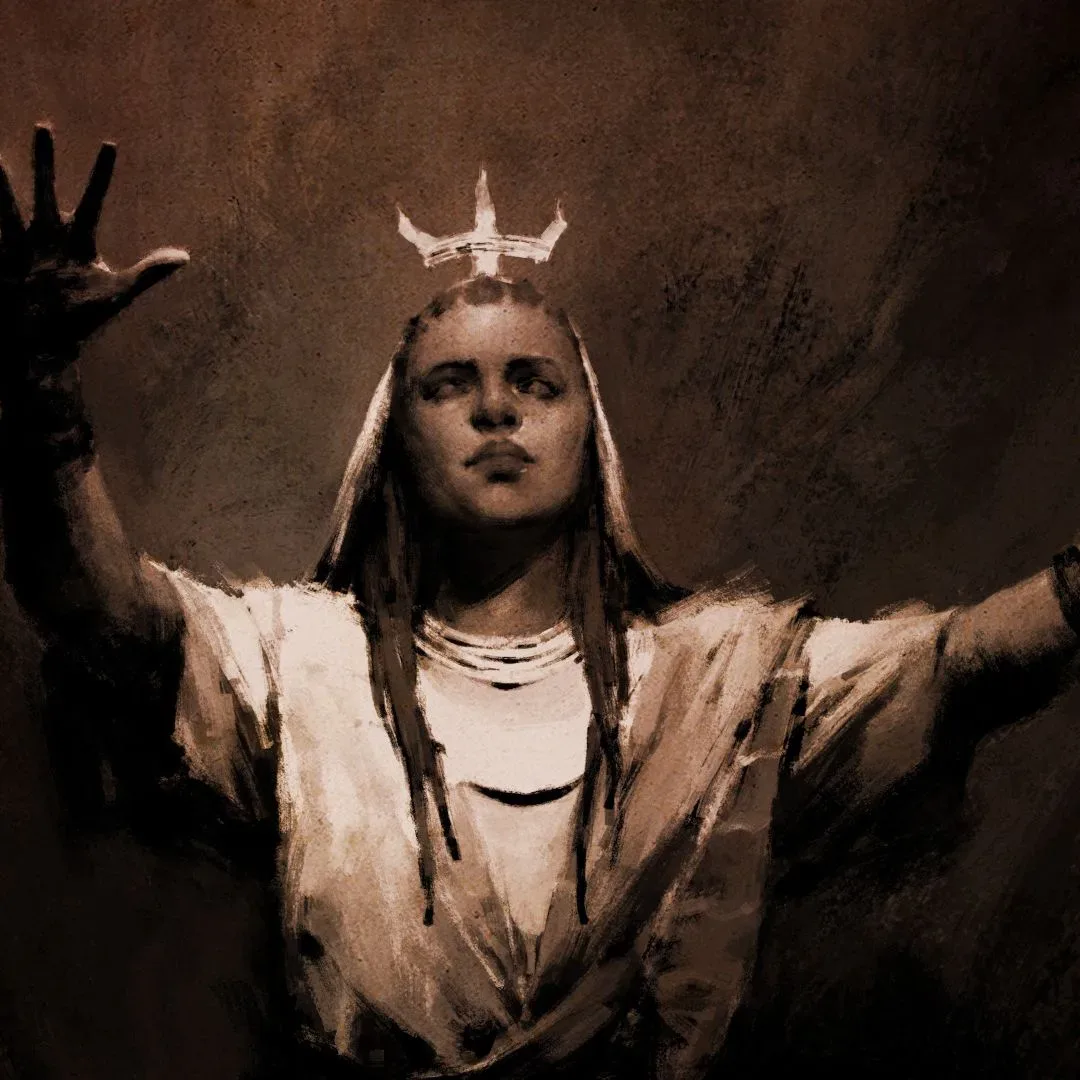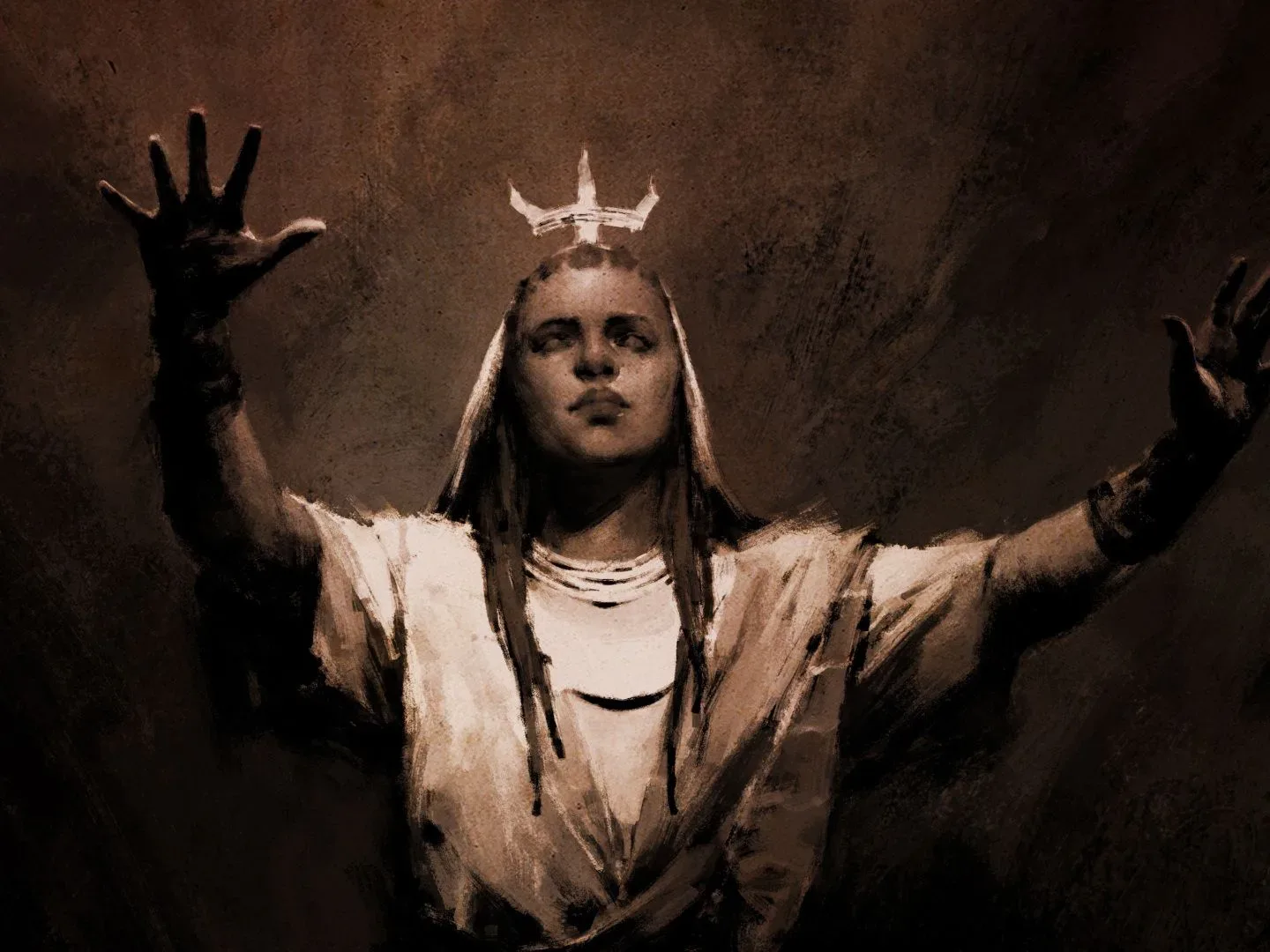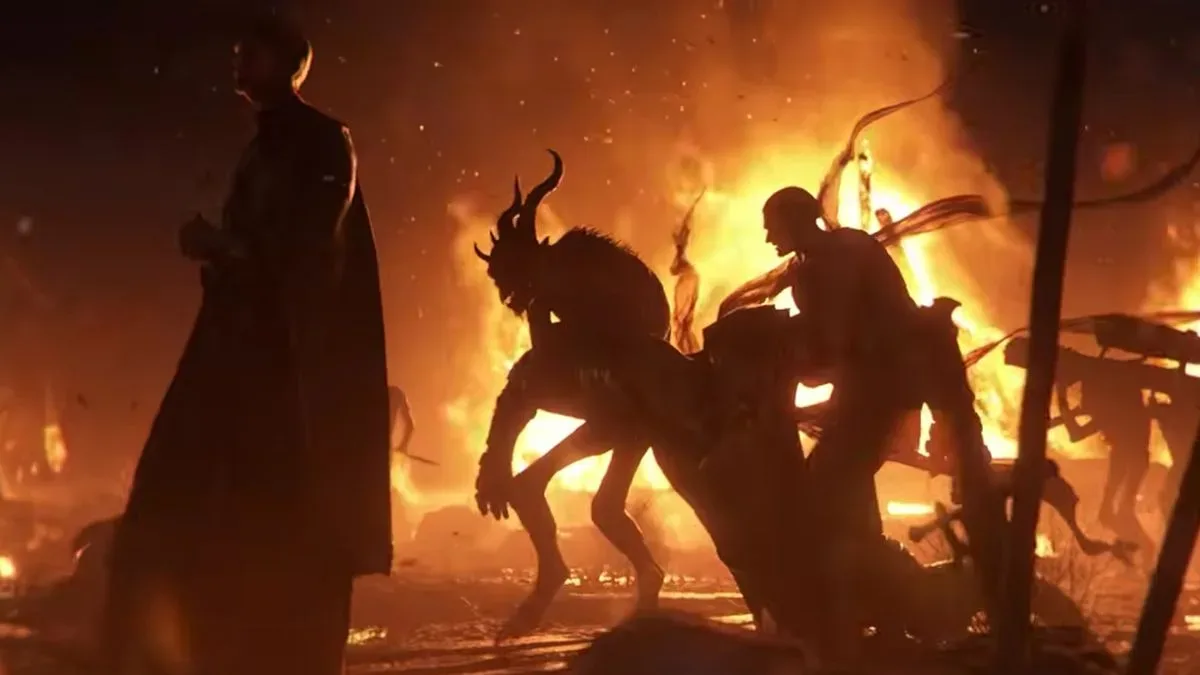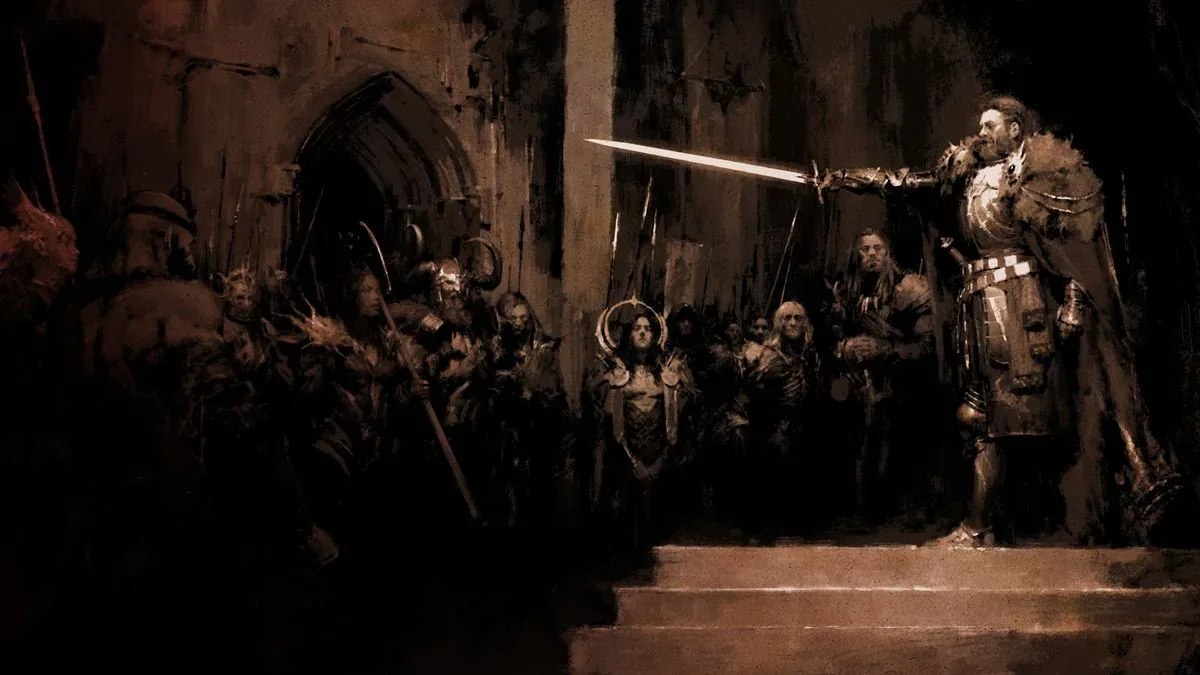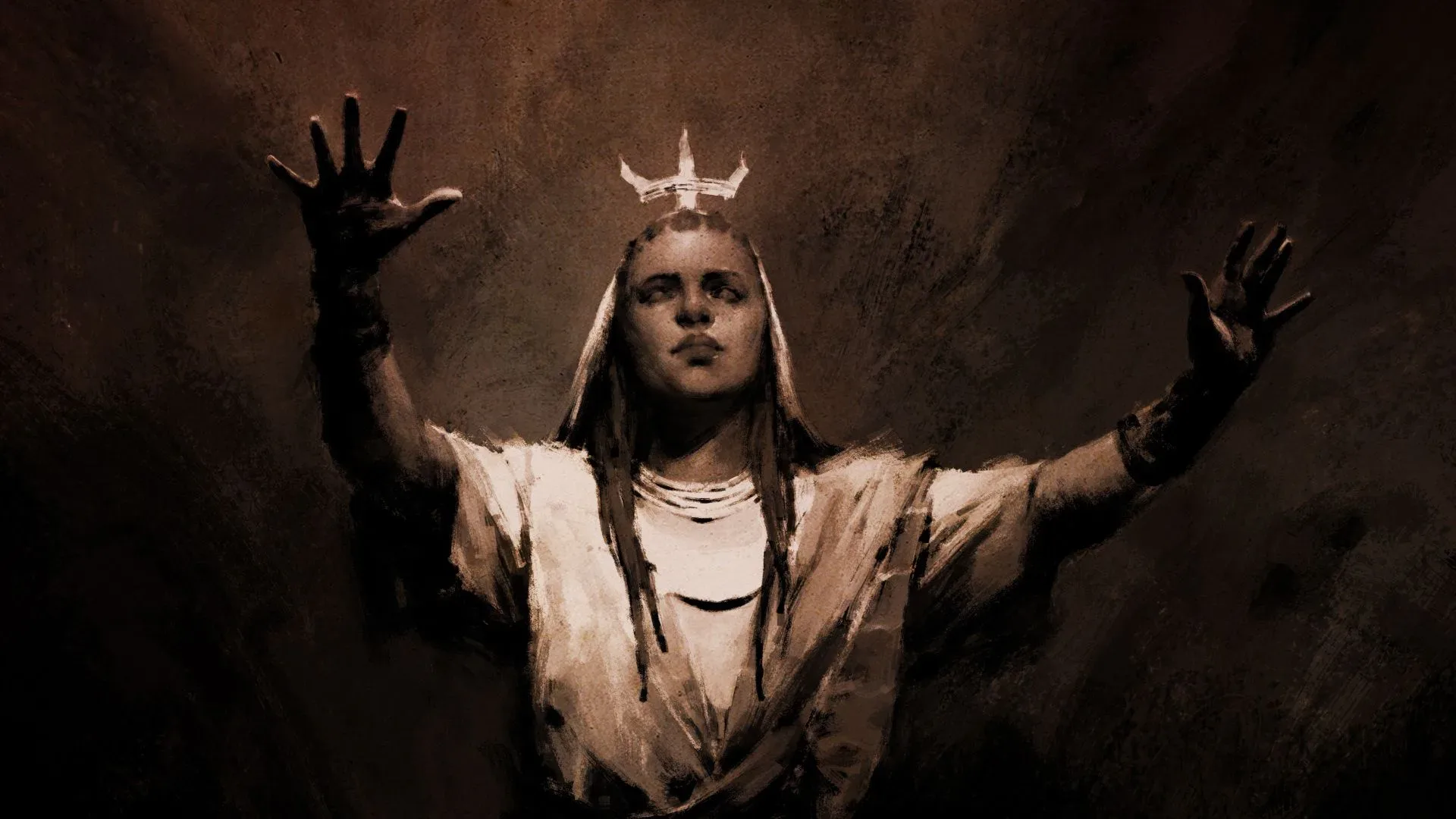
Diablo 5 is officially in development with a 2029 release target, and its central setup is already doing something unusually bold for the long-running action role-playing series: it begins after the apparent defeat. Sanctuary has been destroyed, Diablo has won, and the remaining human population has largely been enslaved, converted into demonic followers or forced into submission. There will be no ordinary towns and no safe zones in the familiar sense.
That is a formidable premise, and also a promising one. Diablo has always traded in blood, demons and elaborate forms of terrible news, but its most memorable horror has rarely come down to the amount of viscera on screen. The first game was unsettling because its darkness felt as though it had arrived somewhere that had once been recognizably human. Diablo 5’s announced situation has the potential to make that loss the entire foundation of the adventure.
For a series approaching the 30th anniversary of the 1996 original, that sounds less like an attempt to merely intensify the spectacle and more like a chance to revisit what made Diablo’s world feel bleak in the first place. The goal should not be “more Hell” as a checklist of flames, bones and monsters. It should be a Sanctuary worth mourning.
A sequel where the war is already over
The key detail comes from senior game director Joe Shely’s description of the premise: “Sanctuary has been destroyed, and Diablo has won.” In practical narrative terms, that means players are not entering a world on the brink. They are entering the aftermath of a collapse that has already become the dominant reality.
That distinction matters. In many fantasy stories, settlements operate as proof that resistance remains organized and life is still proceeding around the edges of catastrophe. A fortified hub may be under pressure, but its merchants are trading, its residents are talking, and the player can briefly retreat from the danger outside. Diablo 4 uses this contrast in places such as Kyovashad, where protection and activity inside the city walls stand apart from the hostility beyond them.
Diablo 5 appears set to remove that emotional pressure valve. The absence of towns and safe zones is not yet a detailed gameplay specification, so it would be premature to assume precisely how vendors, social spaces, progression or respite will work. But as an atmospheric statement, it is extremely clear: the setting will not repeatedly reassure players that civilization is holding together somewhere nearby.
That can change the meaning of exploration. A dungeon in a conventional ARPG can be a dangerous detour from a functioning society. A dungeon in a conquered world can feel like one more chamber in an environment that has no intact center left to return to. The player’s fight is no longer simply about preventing the worst possible outcome. The stated premise says the worst outcome has happened, and resistance has to find purpose afterward.
What ARPG means—and why mood still matters
ARPG stands for action role-playing game: a genre built around direct combat, character growth, equipment and repeated fights against enemies. Diablo is one of the defining names in that space. Yet systems such as loot, abilities and enemy encounters only carry so much dramatic weight on their own. The places between those fights, the sense of who lived there, and what has been taken away can determine whether a demonic world feels merely busy or genuinely dreadful.
Related coverage includes Diablo 5 Revealed With a 2029 Release Target as Blizzard Promises a Sanctuary Where Darkness Has Already Won.
Diablo 5 has not revealed enough gameplay detail to judge its combat structure or its wider systems. That uncertainty should remain front and center. What has been established is the direction of the setting: a Sanctuary comprehensively overtaken by the Lord of Darkness, with humanity either subjugated or transformed. It is a powerful framework for horror, provided the game gives that devastation texture rather than treating it solely as a grim opening card.
Why the first Diablo still casts such a long shadow
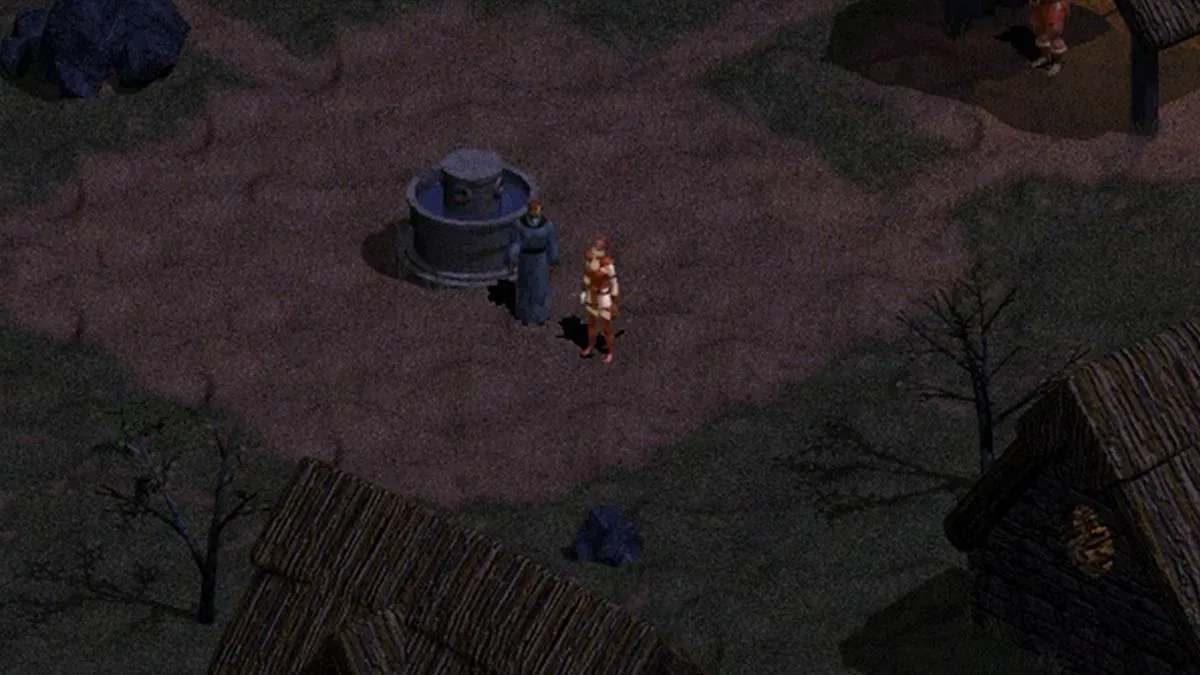
The original Diablo opens on images of destruction: a ruined town, hanging bodies and a crow feeding on a corpse. Its hero is presented as heavily armoured but overwhelmed by the darkness surrounding him. Then the game brings the player to Tristram, where the disaster is made more intimate. Dark riders have devastated the village, and people who tried to defend it were killed or enslaved.
The horror is direct, but Diablo’s enduring atmosphere comes from more than those images. Tristram suggests an ordinary place that has been violently interrupted. Grassy ground remains. Light spills from homes. The famous guitar-led music is mournful as much as sinister. Together, those details imply that the town had a life before its ruin. The player does not only confront a monster-filled underworld; they encounter a world carrying the echo of what it used to be.
That mixture is important because it gives the horror an emotional subject. A pile of skulls tells players that something horrible is nearby. An abandoned home with its light still visible suggests that someone should have been there. One is an icon of danger; the other creates absence. Diablo has always had ample access to the first. Diablo 5’s premise gives it an opportunity to lean harder into the second.
Calling the new game the series’ darkest entry would be easy marketing language if it only meant a more graphic depiction of demons. The more difficult and potentially more rewarding version of “darkness” is a world in which players continually see evidence of defeated communities, compromised loyalties and people who have had their futures stripped away. The announced scale of Diablo’s victory makes that sort of environmental sadness possible.
Darkness is not the same thing as gore
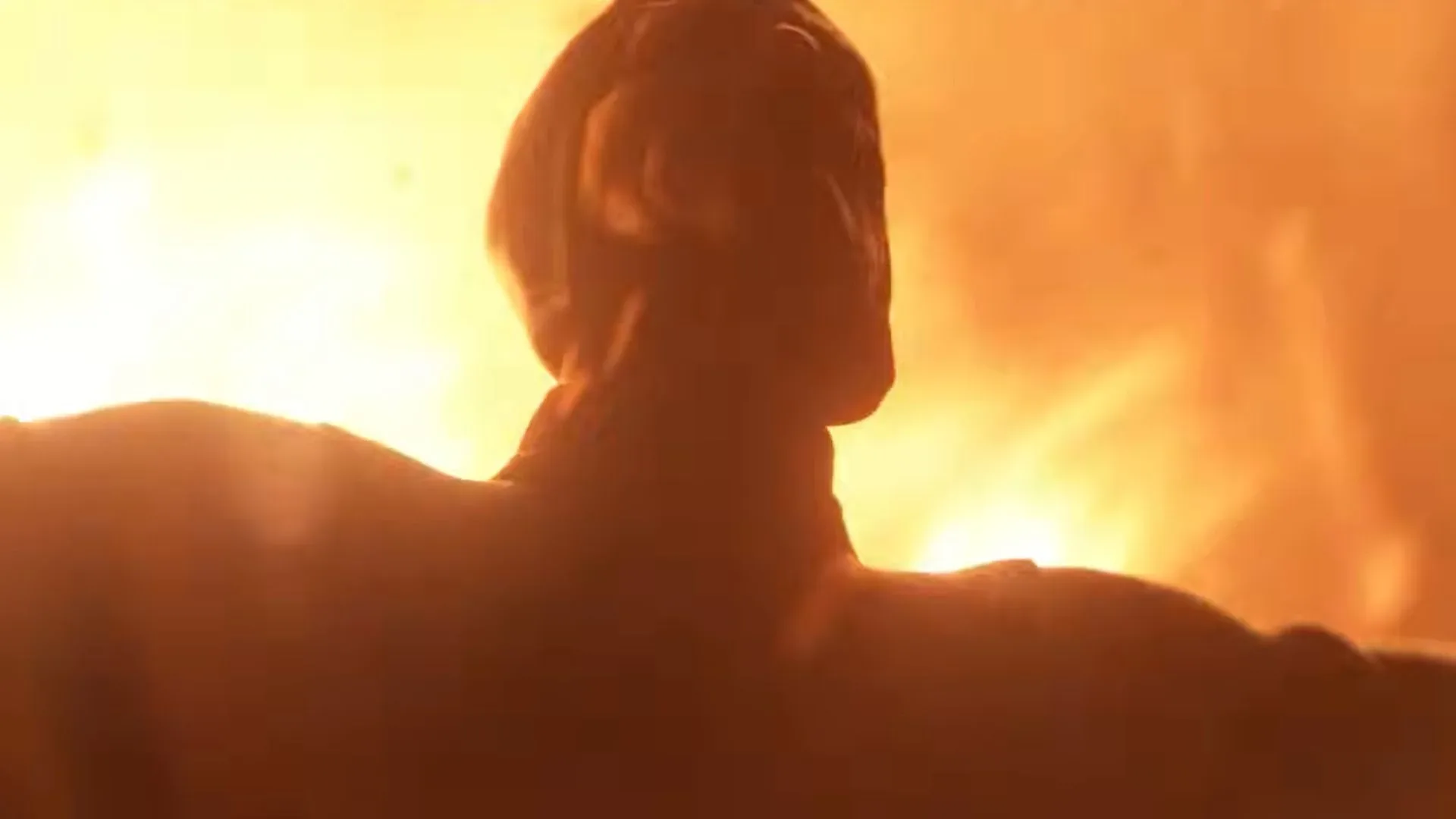
Blizzard has said it is doubling down on darkness, and Diablo 5’s imagery and premise point toward fire, blood, fear and physical transformation. Those can certainly suit Diablo. But a horror game becomes less frightening when every location communicates the same thing at the same volume. Constant intensity can turn the grotesque into decoration.
The original game’s approach offers a useful lesson. Its melancholy creates contrast. A quiet musical phrase, a seemingly familiar village feature or the trace of a normal domestic space can make the next violent discovery land harder. This is not an argument for making Sanctuary comfortable. It is an argument for making its suffering legible.
If nearly all of humanity has bowed to Diablo or become demonic followers, the premise also raises questions that are more interesting than a generic “save the world” mission. What forms can resistance take when defeat is so complete? Can a protagonist trust someone who appears to have surrendered? How does a place recover any humanity when its former residents have been enslaved or remade? Those are not confirmed story beats, and the game has not detailed its major narrative turns. They are simply the natural dramatic opportunities created by a setting where evil’s victory is already declared.
The strongest version of Diablo 5 would let players feel the difference between a realm that was always monstrous and a human world that has been made monstrous. Hell is frightening because it is hostile by design. Sanctuary can be more haunting because it was not supposed to end up this way.
A faster series cadence, but not a smaller idea
The 2029 target places Diablo 5 six years after Diablo 4. That is notably shorter than the 12-year gap between Diablo 2 and Diablo 3, and the 11-year interval before Diablo 4 followed. A shorter gap does not inherently tell players whether a sequel will be broader, deeper or more successful; neither scope nor quality can be inferred from a calendar alone.
In this case, though, the announced fiction does not sound cautious. A fully conquered Sanctuary is arguably one of the most consequential starting points the series could choose. It overturns the idea that players are operating from protected islands of normality while pushing back into danger. Instead, the danger is the normality.
Release targets several years away also leave enormous room for change, and there are no confirmed platform details in the information currently available. Players should be wary of filling that gap with assumptions about technology, feature sets or exactly how a no-safe-zone world will function. The useful takeaway now is thematic rather than mechanical: Blizzard is framing its next Diablo around total defeat, not a manageable crisis.
That long runway also puts Diablo 5 in the broader context of games that must plan for years beyond their initial reveal. For another look at the uncertainty that can surround a major game ecosystem’s future, see how GTA Online’s continuation after GTA 6 is being framed alongside unresolved PC plans. Diablo 5’s circumstances are very different, but the shared practical point is simple: early announcements establish direction long before they can answer every player question.
The risk of making hopelessness playable
There is a challenge built into Diablo 5’s concept. Games need momentum, agency and reasons to keep moving. A setting where evil has conclusively won can become monotonous if it offers nothing but declarations of misery. “Hopeless” is an effective mood; it is not, by itself, a complete dramatic arc.
That is why the lone resistors mentioned in the premise matter. Their existence gives the world a point of tension. A player does not need an intact city to feel that their actions have meaning, but they do need consequences, relationships or discoveries that make the struggle more than a tour through devastation. The darker Sanctuary becomes, the more carefully the game will need to define what can still be protected, recovered or understood.
Crucially, that does not require a sudden cheerful reversal. Diablo’s best tone is not built for chipper optimism. It can instead find power in small, fragile forms of defiance: a person refusing conversion, a memory preserved in a ruined place, or a briefly held refuge that matters precisely because it is not guaranteed. These are possibilities suggested by the premise, not announced features. But they illustrate why emotional contrast is so essential to the series’ particular brand of horror.
Diablo 3’s brighter visual character has often been seen as a tonal low point, while Diablo 4 moved closer to the oppressive atmosphere associated with the original. Diablo 5 now seems poised to take that trajectory further. Its premise strips away even the relative confidence of protected capital cities and insists that the dark side begins the story holding the victory banner.
There is plenty Blizzard has not shown, including the actual shape of the game’s play and plot. But the central image is already potent: Sanctuary not threatened, but fallen; humanity not merely endangered, but scattered, enslaved and altered; a protagonist not racing to avert disaster, but pushing back against a disaster that has become the world.
For a Diablo sequel, that is not just darker. It is potentially more personal. The demons matter because of what they have conquered. If Diablo 5 remembers that lesson from Tristram—letting sorrow, memory and human absence sharpen every descent into horror—it could honor the 1996 game’s legacy without simply trying to imitate its surface.