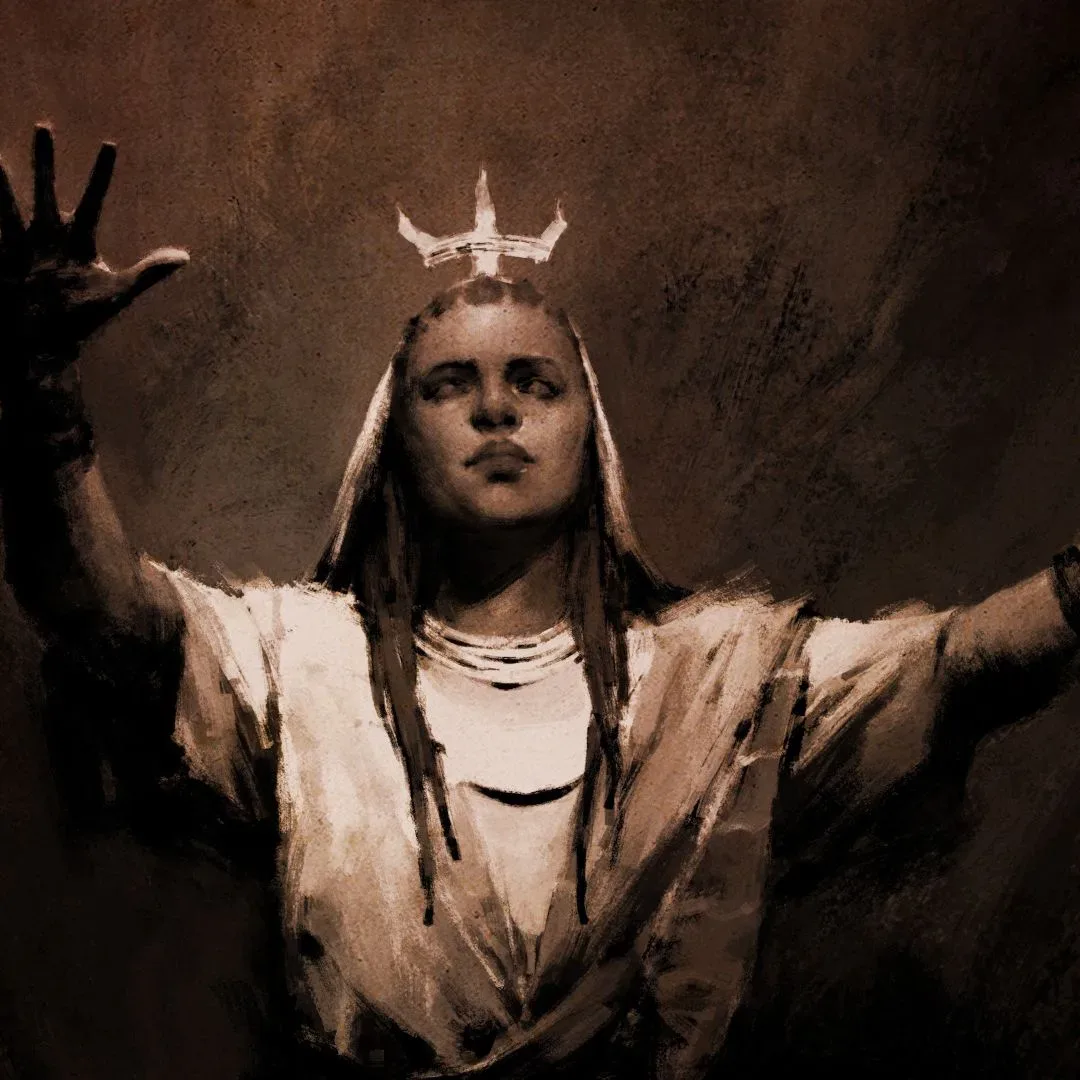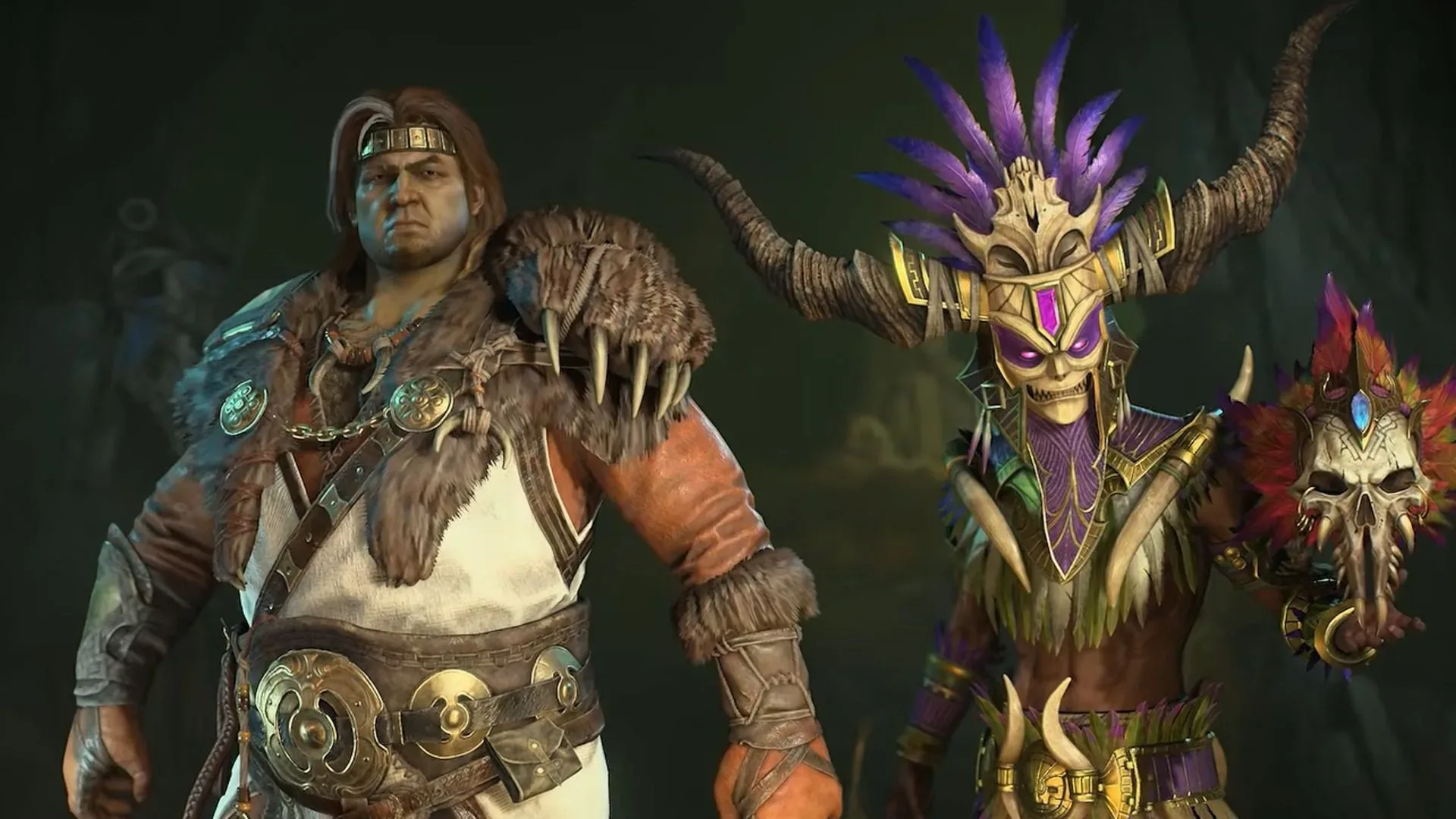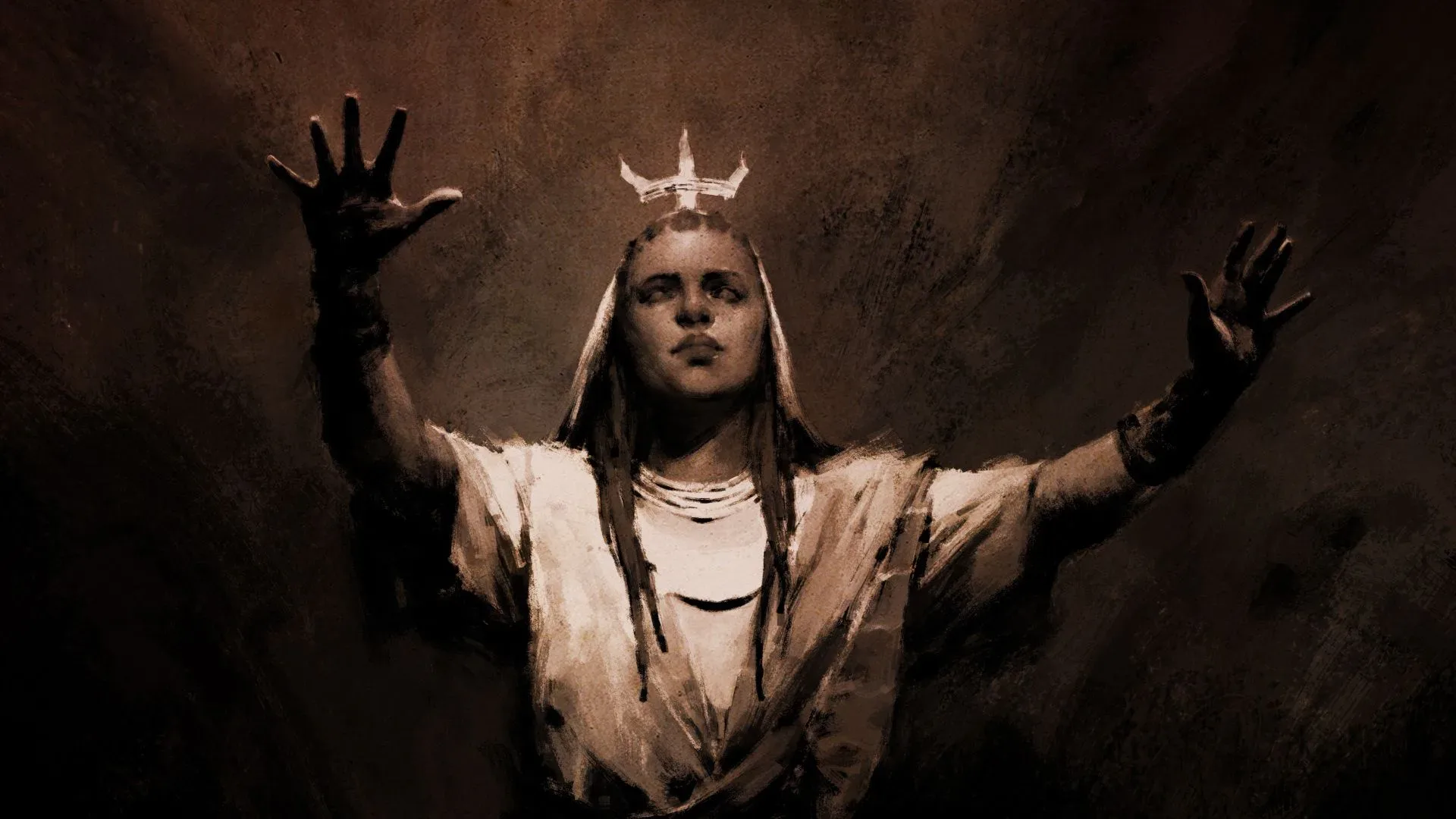
Diablo 5 is rethinking one of the most familiar comforts in an action RPG: the dependable town. Blizzard’s early description of the game presents Sanctuary as a place where permanent safety has effectively disappeared. Rather than returning to a fixed settlement between expeditions, players will travel with a caravan of survivors that becomes their mobile refuge, commercial hub and companion group.
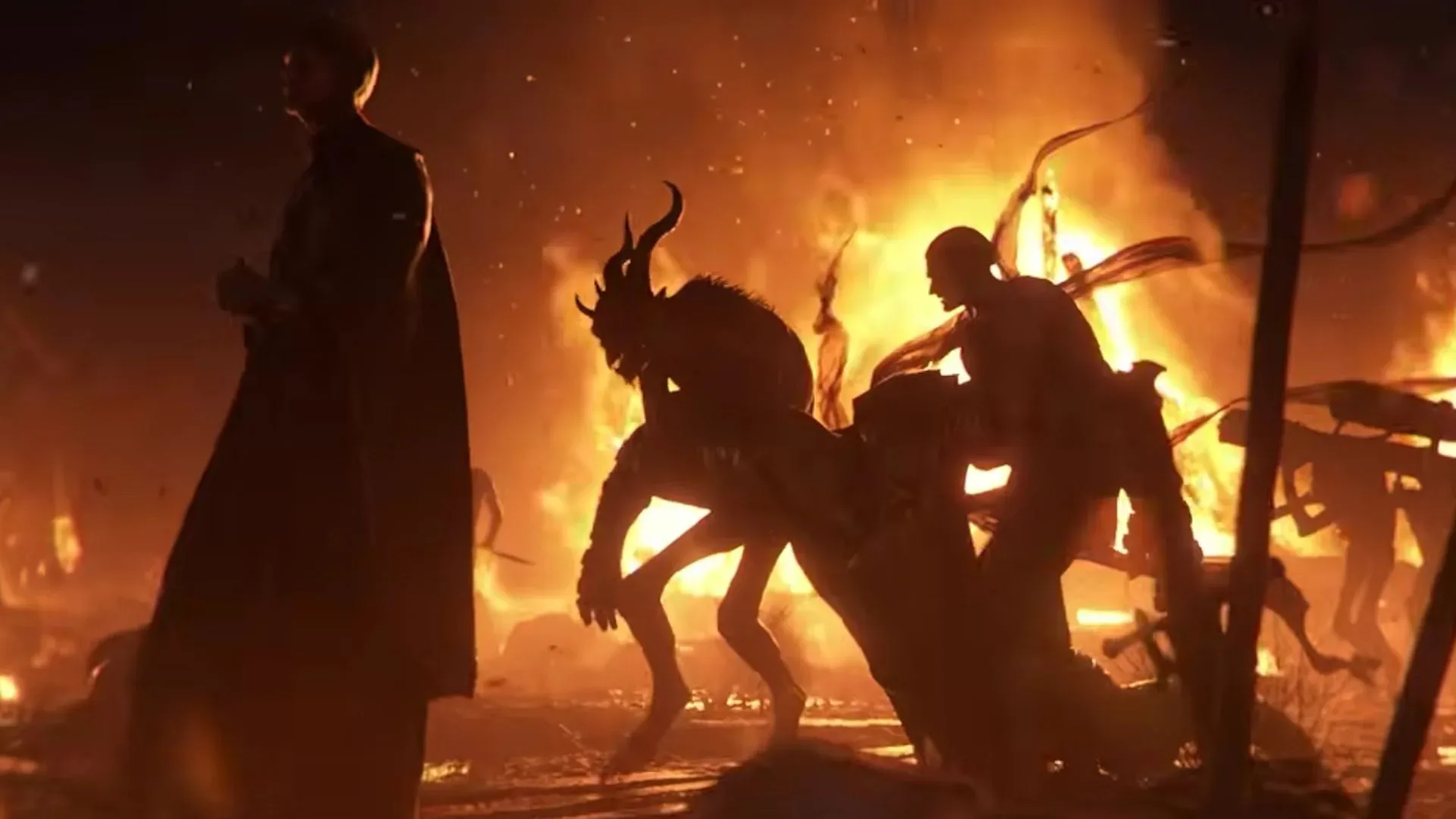
The premise is deliberately bleak. Executive producer Matt Zitterman described a world in which Al'Diabolos has already won, leaving no literal safe place behind. The response, he explained, was to make the player and their followers “the point of safety”: a traveling remnant of humanity and a light against Sanctuary’s darkness.
That is a substantial shift in framing, even before the exact systems are known. A town is normally a stable location: players know where to sell gear, craft, meet quest characters and take a breather. Diablo 5’s stated approach instead ties those functions to the player’s progress across a hostile world. Safety is not a destination on the map; it is something the player carries, protects and expands.
A safe zone that moves with the campaign
Blizzard says the campaign will have players bringing a traveling band of wagons and followers across the world. Each stop is intended to open up another area to explore. Along the way, new survivors can join the caravan and take on functional roles as merchants, craftspeople and companions.
In practical terms, the caravan appears to be Diablo 5’s answer to several needs usually handled by towns:
- Merchants could provide buying and selling services.
- Craftspeople could cover equipment-related systems, though Blizzard has not detailed precisely which crafting or upgrading functions will exist.
- Companions suggest a cast that can travel alongside the player and potentially matter both mechanically and narratively.
- Survivors give the hub a reason to change as the campaign advances instead of remaining a static backdrop.
It is important to separate what has been confirmed from what remains open. The caravan, its growth through survivors, and the merchant, craftsperson and companion roles have been described. Details such as how often it can be accessed, whether it can be customized, how companions work in combat, or whether any fixed social spaces remain have not been laid out.
Still, the central design idea is clear: Diablo 5 wants its support structure to be part of the journey rather than a pause away from it. The world’s collapse is not merely scene-setting. It shapes where services, characters and relative security can exist.
Why randomization matters to the idea
The mobile-hub concept is also connected to another stated direction for Diablo 5: a return to RNG in both dungeons and the overworld. RNG, short for random number generation, is the broad term used for systems that introduce variability through randomized outcomes. In this context, Blizzard is describing dungeons and world spaces that will not simply be the same dependable arrangement every time.
Related coverage includes Diablo 5 Replaces Traditional Towns With a Growing Caravan of Survivors.
A fixed town makes intuitive sense in a world organized around stable geography. But when the spaces around the player are intended to vary, a caravan offers a more flexible narrative and structural anchor. It gives the campaign a recognizable base even as the surrounding routes, dangers and layouts can change.
That does not mean randomization automatically makes a moving hub necessary, nor does it tell players exactly how Diablo 5’s world will be generated. It does show why Blizzard sees the two choices as compatible. The caravan can be a constant in a setting built to feel unsettled.
For an ARPG—an action role-playing game—this has potentially useful implications. The genre often asks players to move repeatedly between dangerous combat spaces and utility spaces for inventory, gear and quest needs. A hub that travels with the campaign could reduce the thematic disconnect between “fighting through a ruined world” and “returning to an untouched safe settlement.” Whether it improves the moment-to-moment loop will depend on the interface, travel flow and availability of its services, none of which have been specified.
The caravan is also Blizzard’s narrative bet
The bigger promise may be character storytelling. Zitterman said the structure gives the team room to tell deeper stories about the collective cast. Because the same people travel with the player from place to place, their circumstances can evolve alongside the campaign rather than being confined to one settlement or isolated quest scene.
Blizzard has not yet identified much of that cast. One named character is Zarg, described as a “treasure goblin.” That small reveal is enough to signal that the caravan is not being framed solely as a list of service NPCs. The stated intention is for followers to be people—or creatures—with individual presence as well as practical utility.
Diablo 5’s narrative lead, a BioWare veteran, has characterized the caravan system as a way to bring in the best elements of more traditional RPGs, including the kind associated with Dragon Age and Baldur’s Gate. The comparison should be read as an ambition for party-driven storytelling, not a confirmation that Diablo 5 will share those games’ exact dialogue, choice or relationship systems.
What can reasonably be inferred is that Blizzard wants the player’s camp to feel like a continuing ensemble. A merchant or craftsperson who joins early can be more than a menu because they remain present over the rest of the journey. A companion can be attached to the consequences of moving through a dangerous Sanctuary because they are embedded in the player’s only declared haven.
No safe world changes the emotional stakes
The “player as safety” line does more than establish a grim tone. It puts responsibility at the center of the fantasy. The player is not simply another adventurer passing through a damaged world; they are part of the last remaining shelter for the people around them.
That can make recruitment and caravan growth feel meaningfully different from a conventional town’s expanding vendor roster. When a new survivor becomes a merchant, craftsperson or companion, the addition may represent both a new gameplay option and an expansion of the group the player is trying to keep alive.
There are obvious questions that Blizzard has not answered. Can caravan members die? Can they leave? Will their stories have branching outcomes? Are companions purely narrative figures, active combat allies, or both? The description of Sanctuary as ruthless naturally raises those possibilities, but possibilities are not features. For now, the confirmed point is simply that survivors will be found, recruited into the traveling group and integrated into its roles.
The approach also creates a useful tension for the series’ dark setting. A traditional safe town offers relief by standing outside the threat. Diablo 5’s caravan promises a more fragile kind of relief: safety exists, but it is temporary, mobile and dependent on the people who have endured together. That distinction could make every stop feel less like stepping out of the campaign and more like establishing a brief foothold within it.
What players should and should not expect yet
There is no reason to treat the caravan reveal as a full outline of Diablo 5. Blizzard has said the game is on the way but will not be properly seen for some time, and the current discussion is high-level design direction rather than a complete feature breakdown.
Confirmed information supports a few measured expectations:
- The campaign centers on a world where permanent safety is scarce.
- A caravan of wagons and followers travels with the player.
- New survivors can enlarge that group as the story progresses.
- Those survivors can become merchants, craftspeople and companions.
- Dungeons and the overworld are planned to use RNG-driven variation.
- Blizzard intends the caravan to support deeper stories about an ongoing cast.
Beyond that, restraint is warranted. There is no confirmed release date in the information available here, no announced platform list, and no detailed account of multiplayer, progression, endgame content or the caravan’s user interface. There is also no indication yet of whether the system will make routine gear management quicker, slower or simply different from a town-based model.
For now, Diablo 5’s clearest identity is one of movement and mutual dependence. Sanctuary has fallen, fixed refuge is no longer the answer, and the people gathered around the player’s wagons become the nearest thing the world has to a home.
That party-focused direction puts Diablo 5 among RPGs trying to make their supporting cast matter beyond quest markers and shop counters. For another example of a major RPG team emphasizing the importance of its ending and player expectations, see this update on Fable’s planned 2027 release.