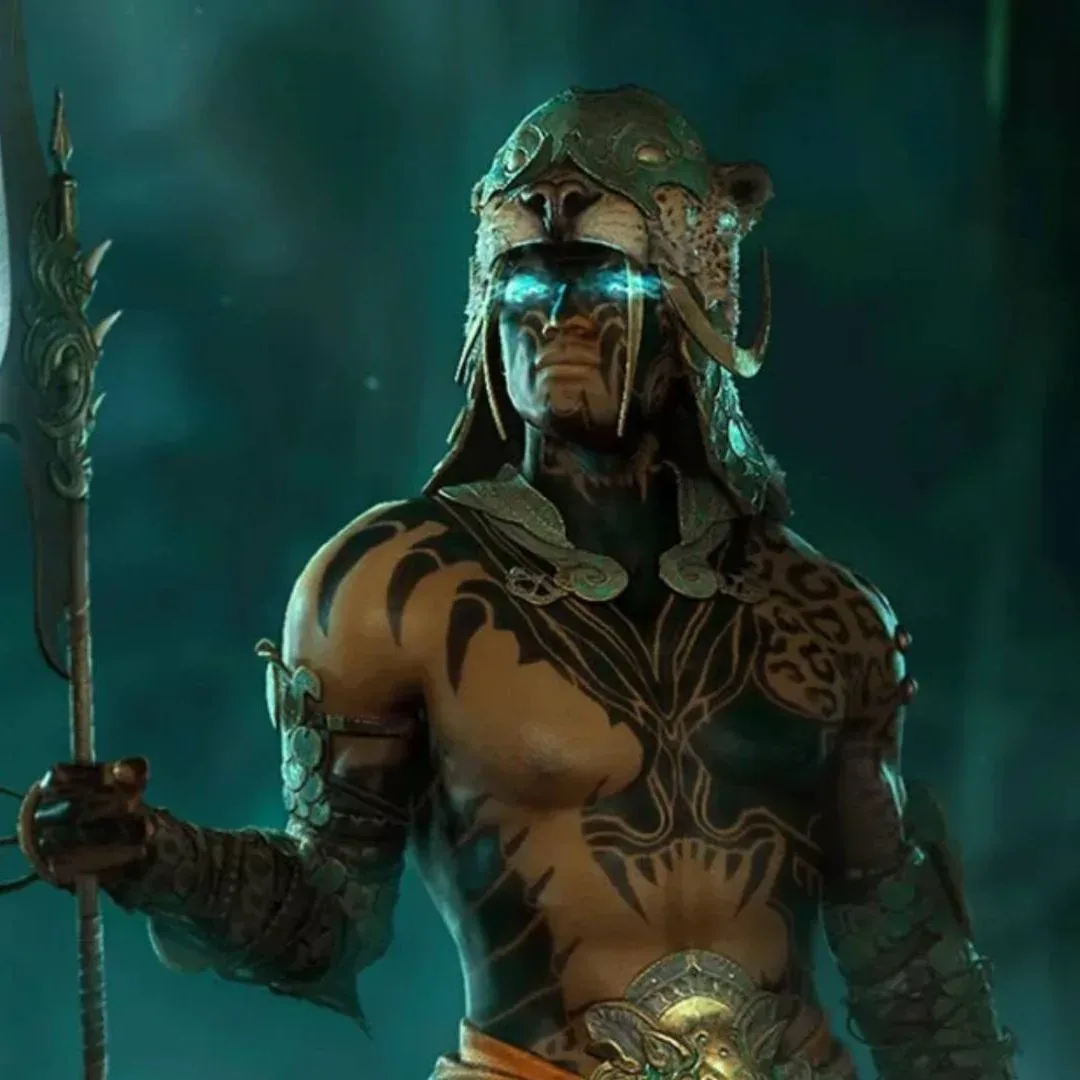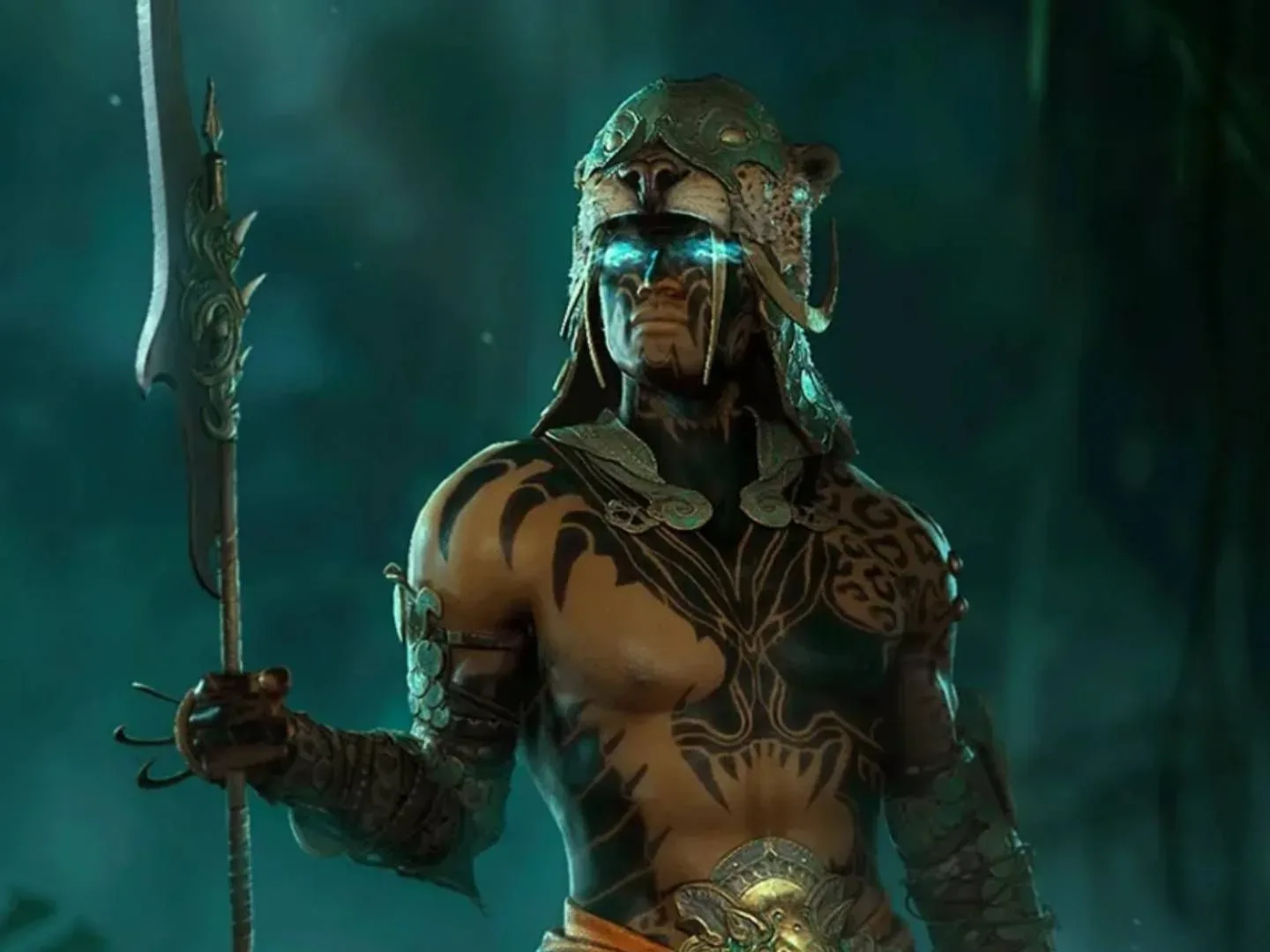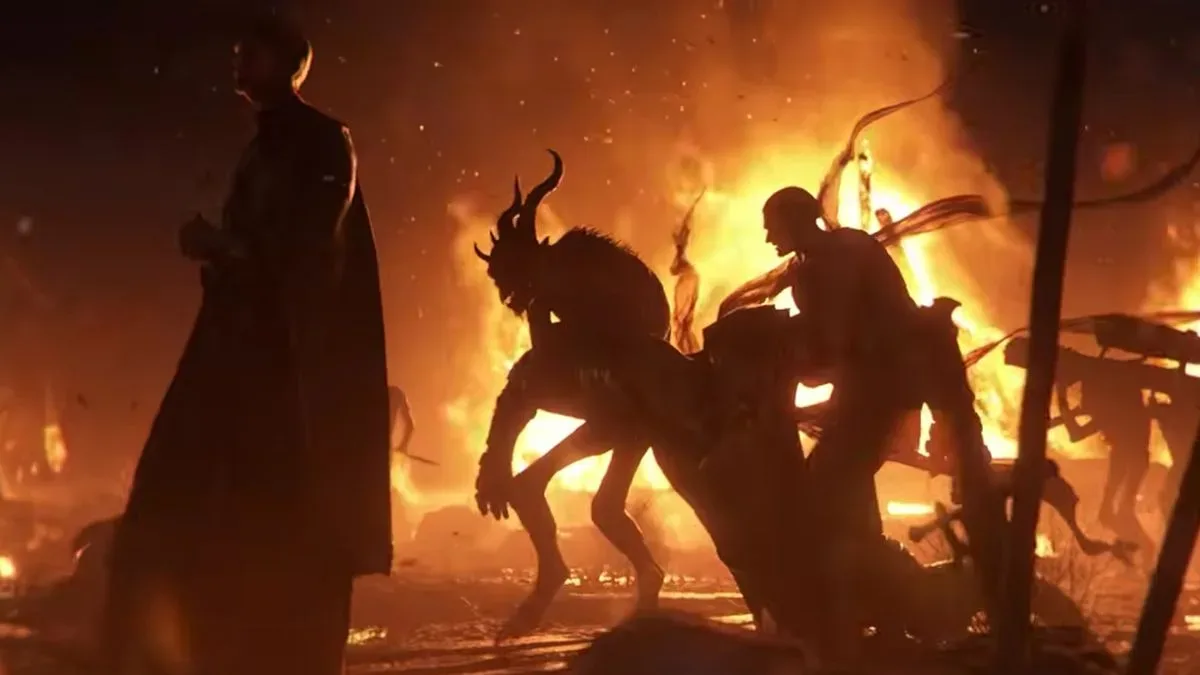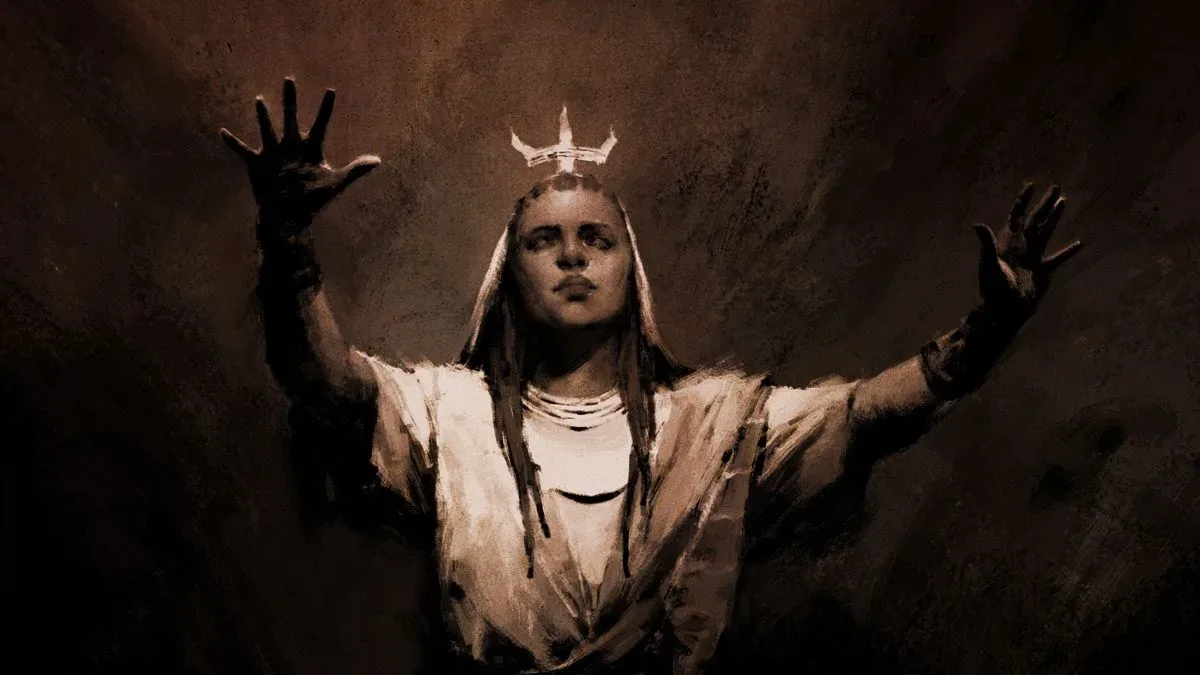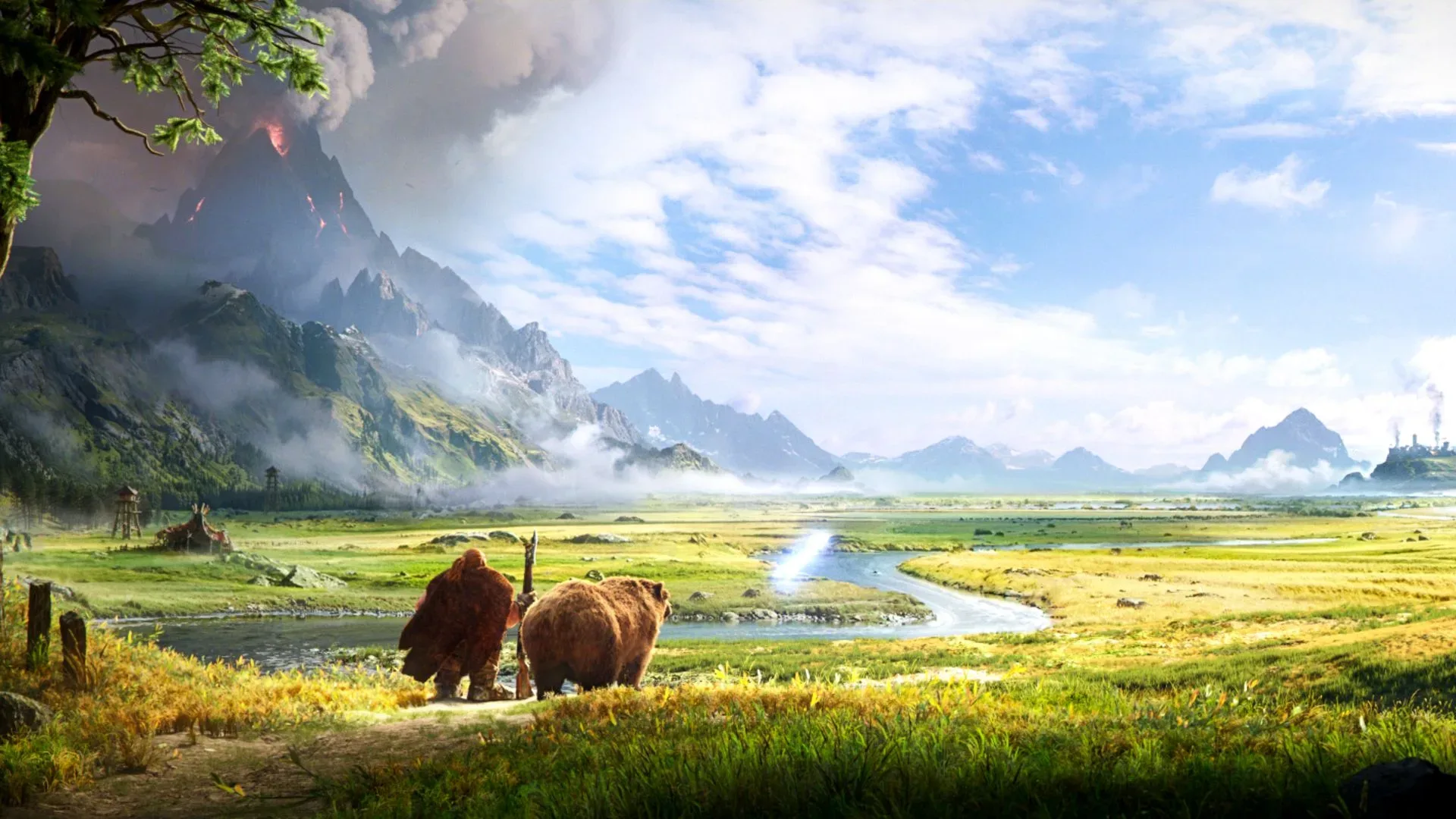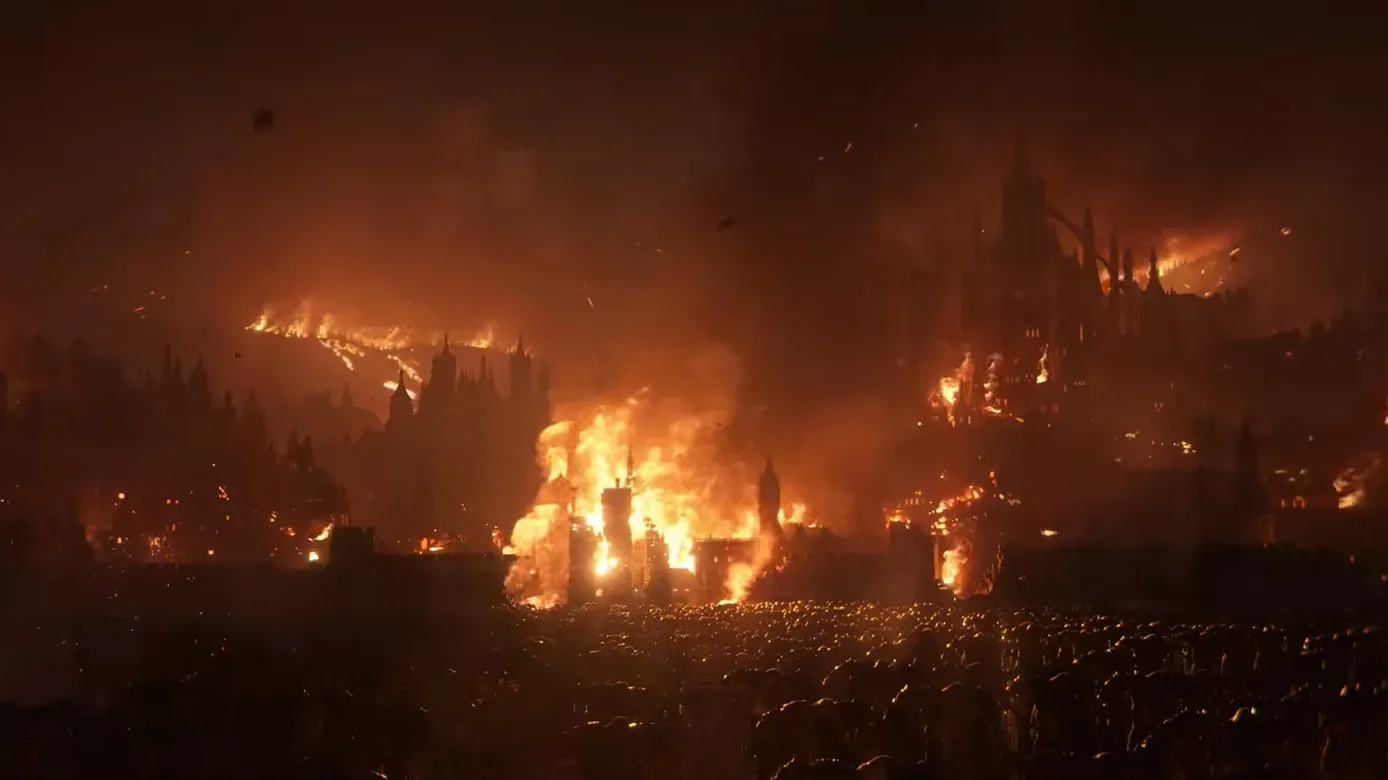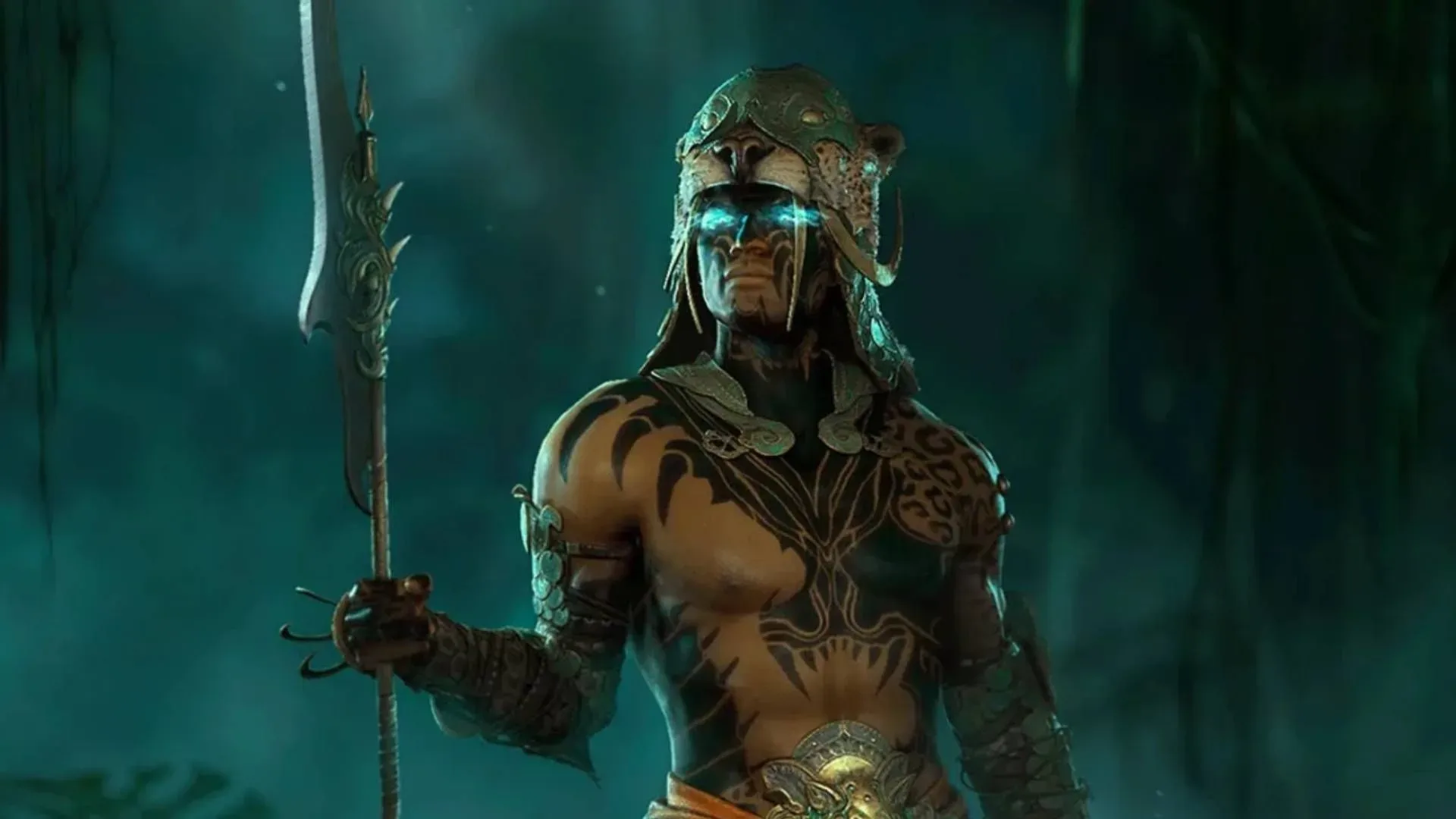
Diablo 4’s Season of Hell’s Legacy has done something more persuasive than simply wave a nostalgia banner at the series’ 30th anniversary: it has demonstrated how much atmosphere, identity and unfinished potential still reside in 1996’s original Diablo. Its Waking Nightmares seasonal dungeons revisit defining encounters from across the franchise, while Old Tristram returns with recognizable landmarks, non-player characters and original voice lines. For players who know the first game well, that is an effective homecoming. For everyone else, it is a remarkably good argument for a proper remake.
The timing is unusually neat. Diablo 4’s 15th season arrives in the same year as the franchise’s 30th anniversary, and Diablo 5 has been announced with a stated three-year wait still ahead, subject to the usual uncertainty around game development. A remake is not confirmed, and anniversary callbacks are not evidence that one is in production. Still, Hell’s Legacy makes a clear creative case: the earliest Diablo is not merely a museum piece to reference. It is a game with a distinct premise and mood that could be brought to a modern audience without losing the reason it mattered in the first place.
Hell’s Legacy turns a retrospective into a playable pitch
Seasonal content often lives in a strange space. It must offer returning players a reason to log in, but it cannot expect everyone to possess a detailed memory of decades-old plot turns and boss fights. Hell’s Legacy addresses that tension by making its historical material active rather than archival. The season brings Diablo, Mephisto and Baal back into the spotlight, with Deckard Cain serving as a guide through the seasonal questline.
Its key attraction is Waking Nightmares: seasonal dungeons designed around iconic moments and boss battles from the series’ history. One of these is an almost complete recreation of Diablo’s central journey. Players begin at Tristram Cathedral, move through the catacombs and caves, descend to Hell, and ultimately confront the Dark Lord.
That structure matters. The original Diablo was built around a downward journey, both literally and emotionally. It begins in a town and a cathedral, then keeps pressing farther into enclosed, hostile spaces. Even described in broad terms, that progression has a clarity that remains immediately legible: safety above, danger below, and a named evil waiting at the bottom. Modern Diablo games have expanded the universe dramatically, but this concentrated descent is still a powerful foundation.
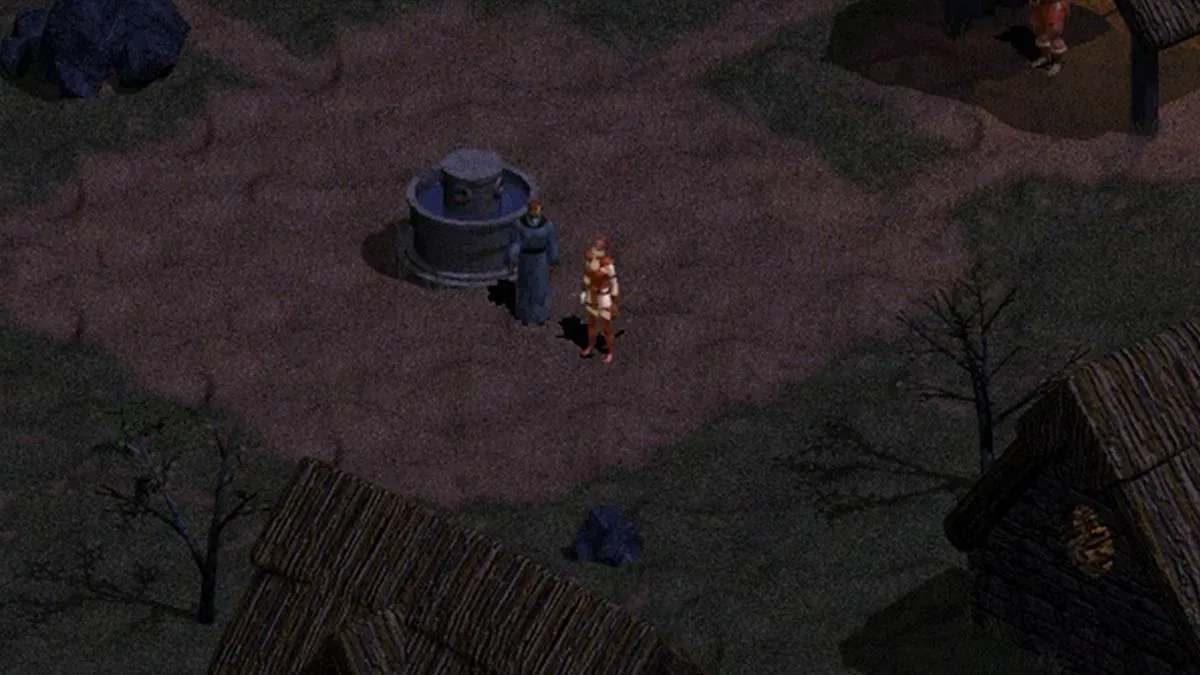
Hell’s Legacy also offers a recreated Old Tristram, including familiar locations and characters using original dialogue. That is more substantial than dropping a recognizable name into a quest description. It lets the game’s world-building do the work. Tristram has always been more than a place to collect errands between demon fights; it is the small, memorable human space that gives the dungeon descent a sense of departure and return.
Why a remake, rather than a lightly updated rerelease?
It helps to separate two terms that are frequently treated as interchangeable. A remaster updates an existing game presentation—typically visuals, audio, interface elements or compatibility—while retaining its fundamental structure. A remake rebuilds the game more comprehensively, using the original as its blueprint but reworking it for current hardware and contemporary player expectations.
Diablo 2: Resurrected is the obvious proof that players are interested in revisiting foundational action role-playing games. It also illustrates why the first Diablo may call for a different approach. The 1996 game has not been meaningfully updated in three decades, and its visual language and design conventions inevitably present a larger barrier to people who entered the series through Diablo 2, Diablo 3 or Diablo 4.
Related coverage includes Diablo 4's Hell's Legacy Shows Why Diablo Deserves a Full Remake.
A remaster of the first game could be welcome, particularly to players who want the original experience preserved with fewer technical hurdles. But a ground-up remake would have a broader task and a broader opportunity: retain the journey through Tristram Cathedral, catacombs, caves and Hell while presenting it in a form that does not require newcomers to first overcome the distance created by 1996 visuals and interfaces.
That does not mean a remake should turn Diablo into something unrecognizable. The central design challenge would be preservation, not expansion for its own sake. Diablo’s appeal is tied to its oppressive mood, its focused setting and the feeling of steadily descending toward a confrontation with the Lord of Darkness. A bigger map, more systems or a greater volume of distractions would not automatically make that experience stronger. In fact, Hell’s Legacy suggests the opposite: a compact recreation can be memorable precisely because its route and atmosphere are so clearly defined.
What should survive the rebuild
- The downward arc: The cathedral-to-Hell progression is more than a sequence of levels. It is the game’s organizing idea and should remain the emotional spine of any new version.
- Tristram as a place, not a menu: The return of Old Tristram and original voice work shows the value of recognizable spaces and characters. A remake should let that quiet settlement remain a meaningful contrast to the dungeon.
- A focused horror tone: Diablo’s early identity is rooted in a dark, claustrophobic fantasy atmosphere. Updating the presentation should intensify that character rather than flatten it into generic spectacle.
- A clear doorway for newcomers: Players who began with later entries should be able to understand why the original occupies such an important position in the series without treating its age as an endurance test.
Old Tristram is the real proof of concept
The reconstructed town may be the most telling part of the season’s tribute. Boss fights are easy to celebrate: they provide visual scale, immediate recognition and a satisfying finish to a dungeon. But a town with familiar landmarks, recurring faces and preserved dialogue does something different. It restores context.
That context is essential for an action role-playing game. ARPG is shorthand for action role-playing game, a genre built around direct combat, character progression and the repeated pursuit of better equipment. Those loops are central to Diablo’s legacy. Yet they are not the whole reason people remember the games. A setting such as Tristram supplies the emotional framing for the combat loop. It gives players a specific place to associate with the threat below.
For long-time fans, revisiting it can be intensely personal, tied to old routines and early online connections. For newer players, it can provide a piece of narrative grounding that a franchise recap cannot replicate. A remake would not need to promise that every player will share the same history with Tristram. It only needs to build a version of the place strong enough that first-time visitors understand why it became so iconic.
That is also why a full remake could serve the future series rather than merely look backward. Diablo 5 has been positioned as a future destination for the franchise, but the original game offers a direct route to its narrative foundation. Revisiting the beginning could help players who came aboard through later installments see the series’ earliest conflict and its foundational locations in a coherent modern format. It is not necessary homework for a new game, but it could be meaningful context.
A useful release-window argument, with important caveats
With Diablo 5 still three years away on the stated timeline, the instinct to fill the gap with a Diablo remake is understandable. Diablo 4 is continuing with seasonal content, and Hell’s Legacy itself gives fans new material to play. But seasonal recreations are necessarily partial. They are built as limited components within Diablo 4, not as a complete opportunity to revisit the original game on its own terms.
A remake released before Diablo 5 would give the series a strong bridge: a self-contained return to the beginning, followed by the next mainline chapter. It could also appeal to different groups at once—players who remember Diablo, players whose first experience was Diablo 2: Resurrected, and players who only know the modern entries.
None of that makes the project simple or inevitable. A remake requires careful decisions about which older conventions remain essential, which need redesigning, and how much reinterpretation is too much. It would also need to avoid competing with Diablo 4’s ongoing seasons or confusing audiences about where the franchise’s present is headed. The case here is not that an anniversary homage automatically demands a new release. It is that the homage has exposed a clear appetite and a sound creative rationale for one.
Blizzard’s wider work on familiar worlds also shows that returning players can be a meaningful audience without making a project inaccessible to newcomers. That balancing act is relevant beyond Sanctuary; the approach behind World of Warcraft: Forever likewise points to the value of inviting lapsed players back while accounting for an evolving audience.
Diablo 4 has supplied the tease; the original deserves the full treatment
Hell’s Legacy works because it understands that Diablo history is not just a list of monsters to bring back. Diablo, Mephisto, Baal and Deckard Cain matter, but the season’s most compelling material is the return to a specific rhythm and setting: Tristram, the cathedral, the catacombs, the caves, Hell, and the Dark Lord at the end of a deliberate descent.
For the 30th anniversary, that is a satisfying celebration. It is also a reminder of what remains unavailable in a modern, fully rebuilt form. Diablo 2 has received its major return. The original Diablo has received a sharply judged seasonal spotlight, including a recreated town and familiar voices, but that is not the same thing as a game designed around its own identity from start to finish.
Diablo 5 will have its own job: carry the series forward. A Diablo remake would have another equally valuable job: make the beginning approachable again, preserve its singular atmosphere, and let new and returning players take the complete trip from Tristram Cathedral to Hell. Season 15 makes that possibility feel less like a wistful anniversary request and more like the logical next resurrection.