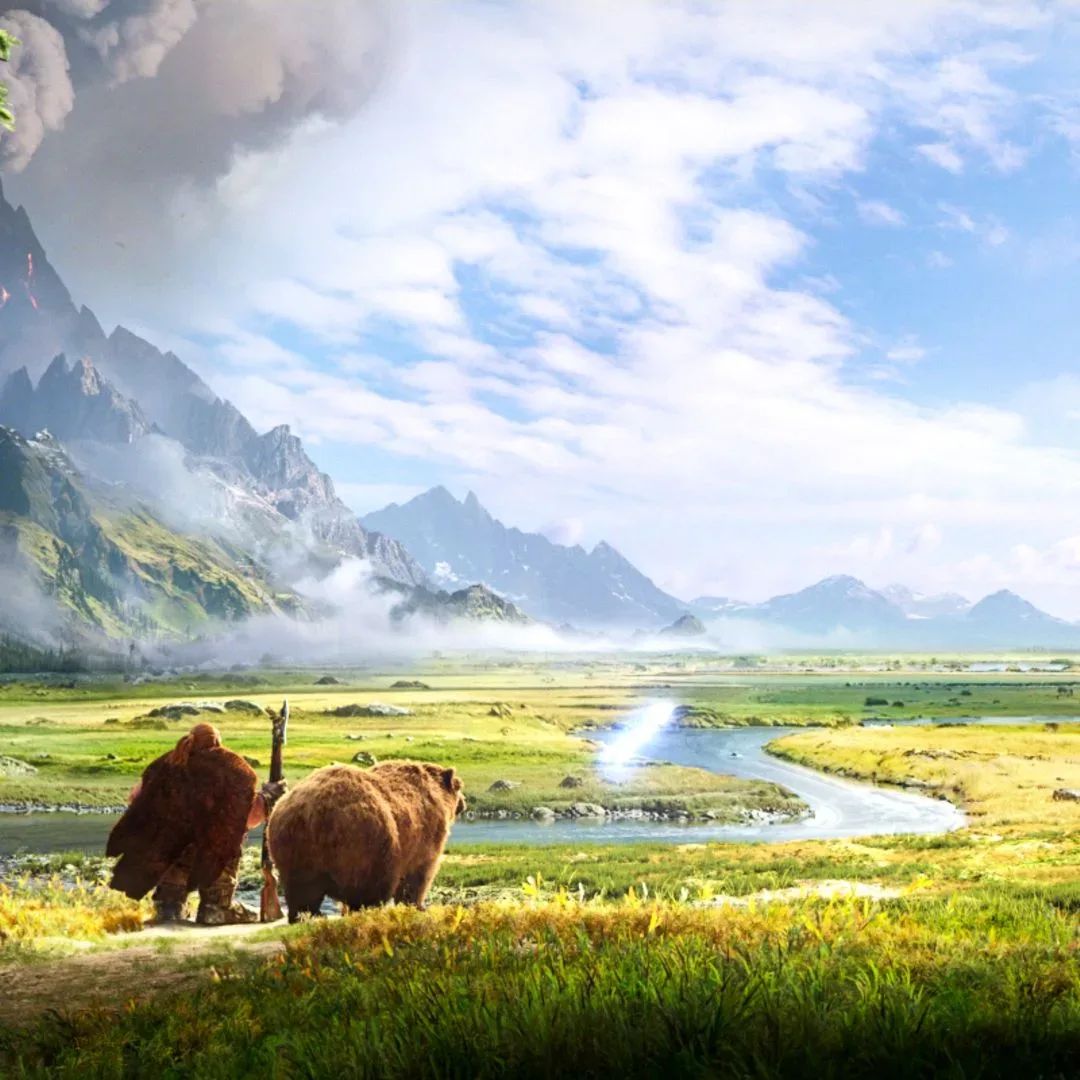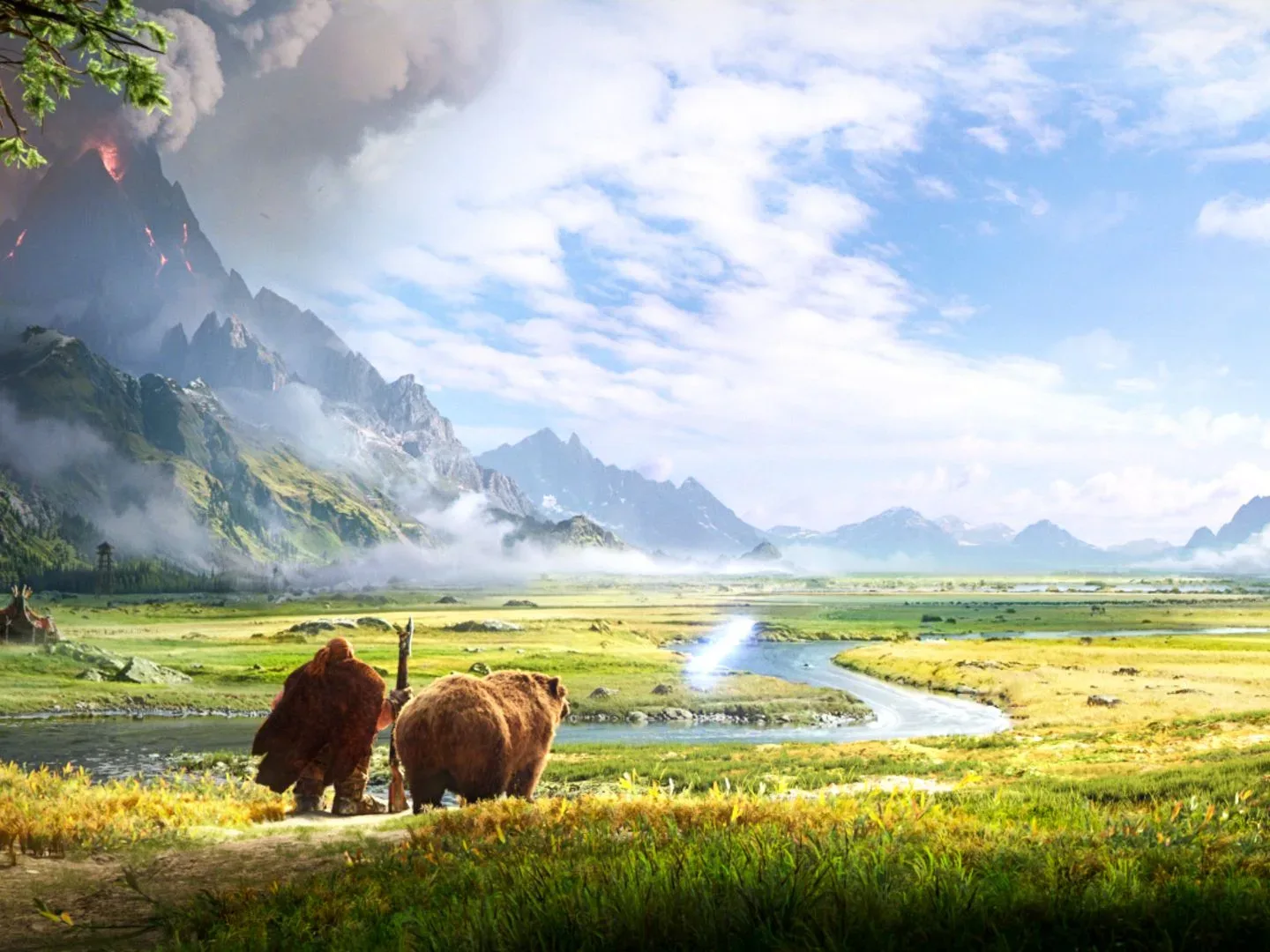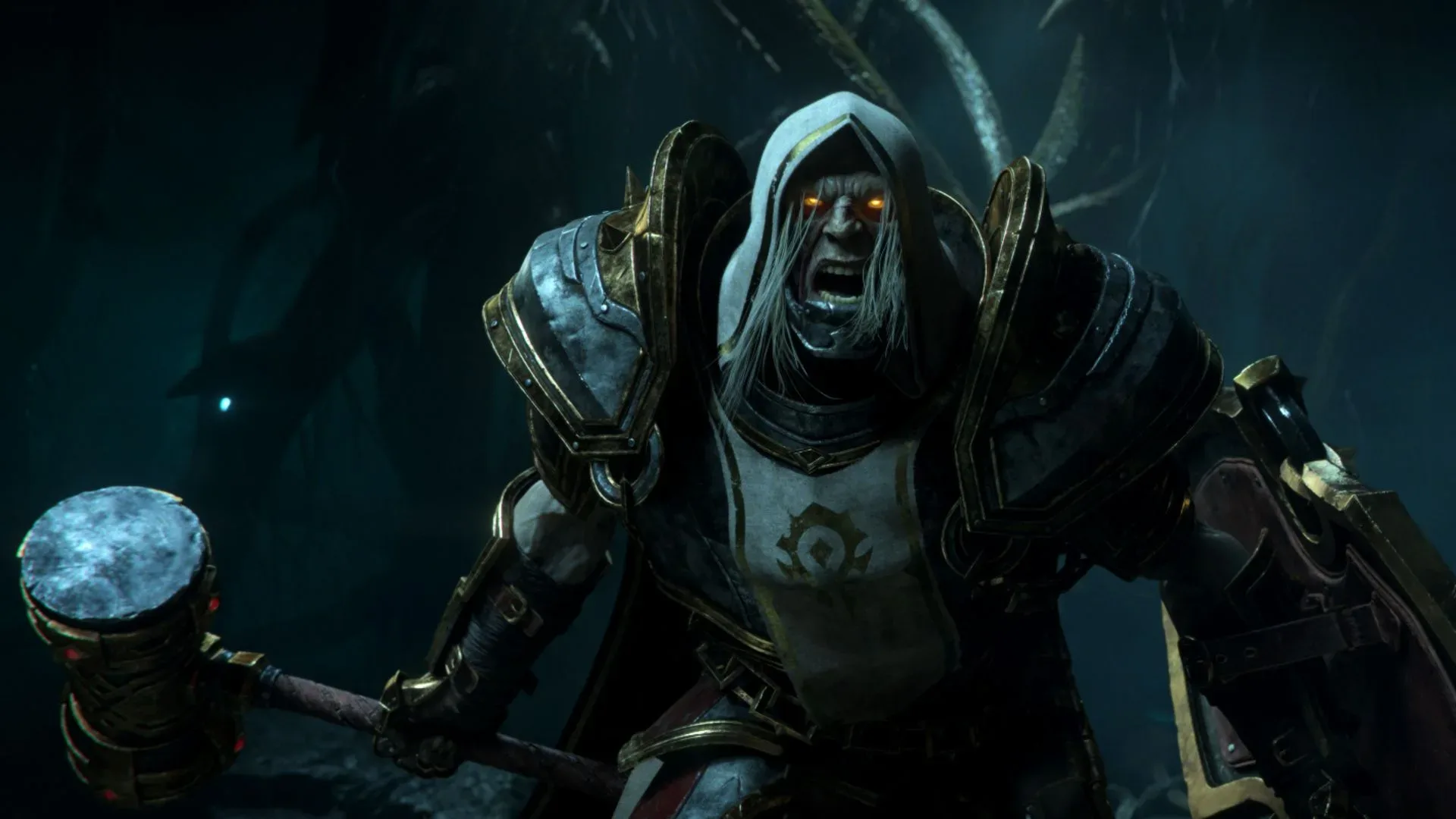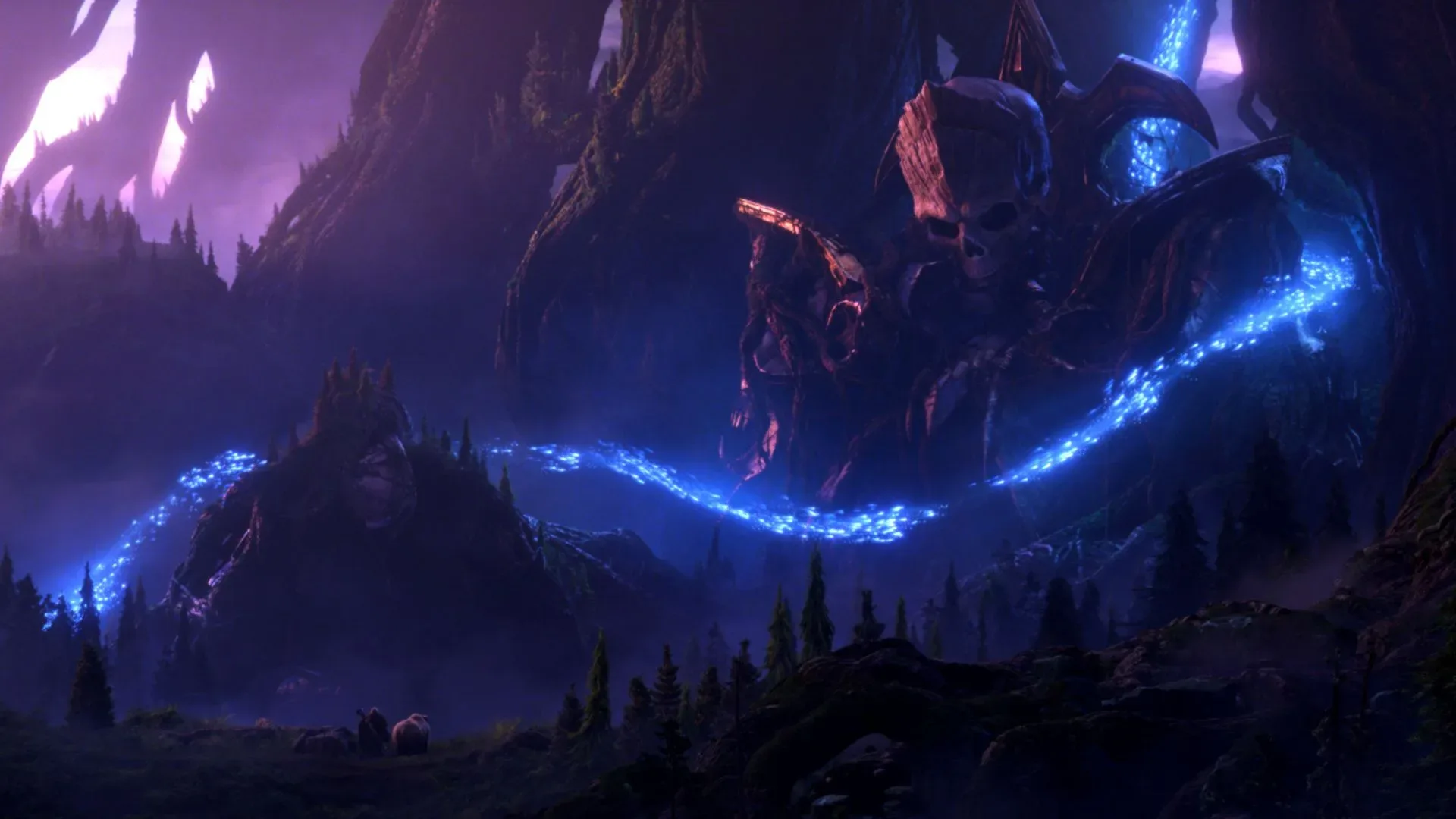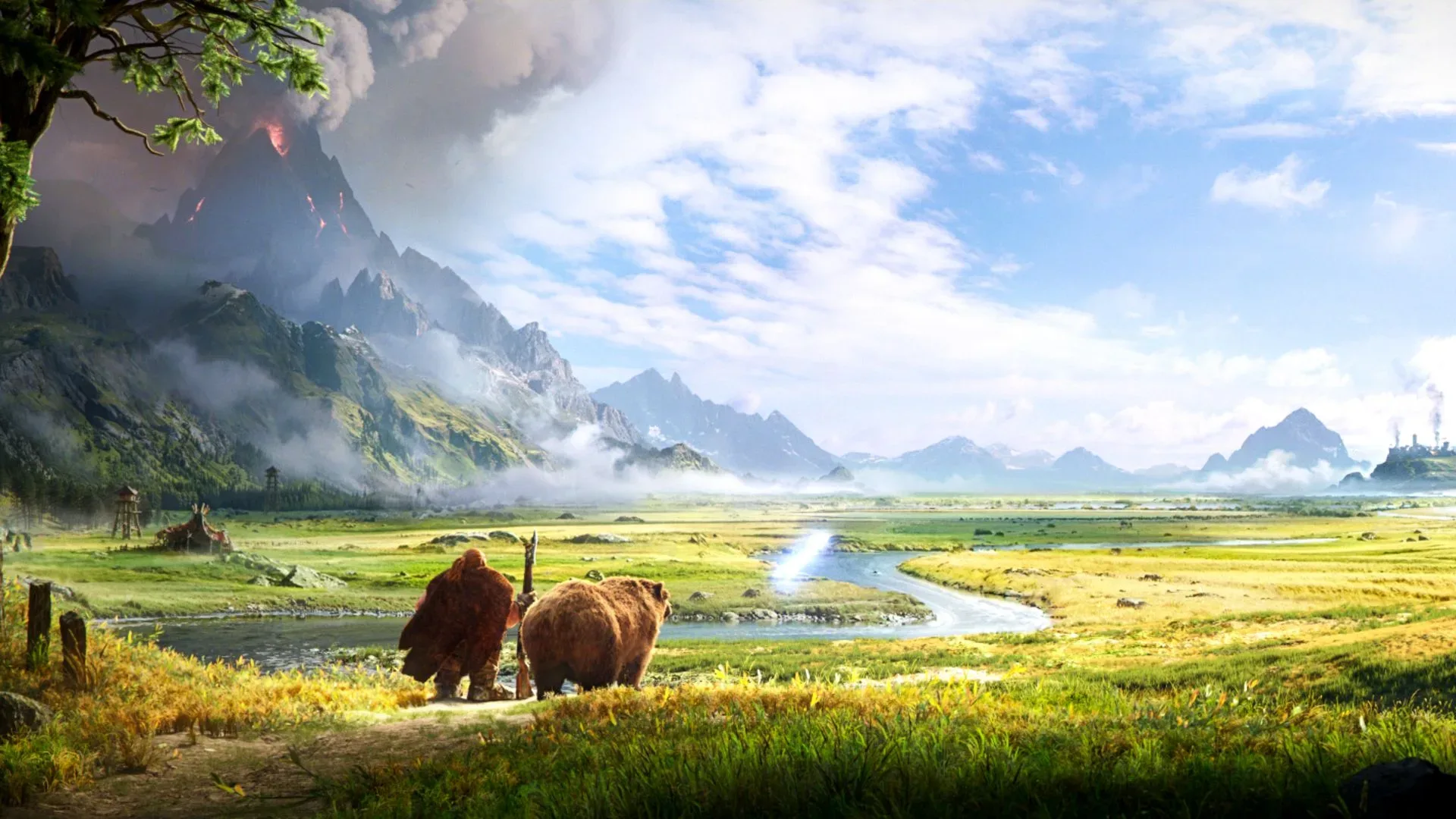
World of Warcraft: Forever is being shaped around a very specific audience: Classic players who drifted away because later versions no longer felt like the game they remembered. That is the personal design priority laid out by world builder Matthew Armstrong, who says the project is intended for players dissatisfied by changes across art direction, story, social play, game design, or even their preferred class.
Forever was unveiled at BlizzCon 2026, and its early framing has invited the inevitable “Classic+” label: a version that seeks to revisit the original World of Warcraft while moving it forward. Armstrong’s comments do not provide a complete feature list, release timetable, or platform plan. They do, however, offer a useful statement of intent. The point, from his perspective, is not to make a broadly retail-like World of Warcraft with vintage scenery. It is to make a version that protects what he considers the defining character of the vanilla-era experience.
Who World of Warcraft: Forever is trying to reach
Armstrong says he is speaking for his own work rather than the entire team, an important distinction when discussing a large live-service game. Still, the audience he identifies is unusually clear: committed Classic players, including people whose accounts lapsed after they became unhappy with the game’s direction.
That does not mean Forever is being presented as hostile to retail players. Armstrong says he hopes it attracts as many people as possible, whether their background is Classic, retail, or neither. But attracting everyone and designing around everyone are different things. His argument is that a game can welcome a broad audience while retaining a narrow, deliberate design center.
For players, that distinction matters because “made for Classic fans” can mean several different things. It might refer only to old zones and familiar quests, or it might extend to the pace of play, the visual language of the world, the way classes feel, and the amount of friction between a player and a reward. Armstrong’s remarks point toward the broader interpretation. He specifically names art style, narrative, social aspects, game design, and class changes as areas in which former players may have felt alienated.
In other words, authenticity here is not simply a matter of preserving recognizable geography. It is a promise—still a high-level one—that the game’s systems and atmosphere should feel coherent with the original target experience.
“Vanilla” and “retail” are more than shorthand
In the language surrounding World of Warcraft, vanilla generally means the original form of the game rather than its later expansions, revisions, and modern iteration. Retail, in contrast, refers to the contemporary version that has continued evolving over many years. Armstrong describes Forever as “wildly different” from retail in its intended direction.
Those labels can become blunt instruments in player debates, as though one version must be an objective improvement over the other. Armstrong’s explanation is more targeted than that. He says many retail players would likely not care about, and might even prefer, some of the more modern methods or outcomes that he chose not to pursue. His focus is not on declaring retail invalid; it is on preserving a different set of priorities.
Related coverage includes World of Warcraft: Forever Targets Lapsed Classic Players With a Strictly Authentic Vision.
That approach resembles the role of an Old School RuneScape-style update model, as Forever has been characterized: a continuing project rooted in an older identity rather than a simple static museum piece. It suggests an attempt to add or rebuild with an eye on a particular historical feel. The difficult part is that a “feel” is not a single measurable setting. It is created by many connected choices, from visual construction to the time and cooperation demanded by progression.
Armstrong’s account also makes clear that recreating an older style is not necessarily the easiest route. He says he spent the past year relearning and mastering ways of working used more than two decades ago, rather than relying on the workflows he had used during eight years of work on retail. He mentions height maps on textures as an example of technology that can do substantial visual work more quickly.
What height maps mean in this context
A height map is image data used to create the appearance of depth or raised surface detail. In practical terms, it can help a textured surface look more dimensional without each small feature requiring the same kind of manually constructed geometry. Armstrong’s point is not that the technology is inherently wrong. It is that a more efficient technique can produce a look that is at odds with the aesthetic target of Forever.
This is a revealing detail because it grounds the authenticity discussion in production craft, not only nostalgia. Players often debate whether an older-looking game should be made with modern tools. Armstrong’s position appears to be that the process can affect the result enough that the older approach is worth relearning. For Forever, fidelity seems to mean matching the artistic logic of prior work, not merely reproducing a few recognizable surface details.
Convenience versus the journey
Armstrong summarizes his outlook through three guiding sayings. The first is that convenience can destroy the journey. That phrase captures a long-running tension in massively multiplayer games: reducing friction may make a task faster or easier, but it can also change the relationships and stories that form around the task.
Convenience is not automatically bad design. It can make a game more accessible, reduce repetitive chores, and better suit players with limited time. But the trade-off Armstrong is emphasizing is that removing every obstacle can also remove reasons to plan, travel, communicate, or rely on other people. In an MMO, those elements are not necessarily incidental. They may be part of what gives the world a sense of scale and turns a routine objective into a shared memory.
His second principle is that trying to make a game for everyone risks making it for no one. This is a statement about focus rather than a claim that Forever should exclude newcomers. A focused design accepts that certain players may prefer a different pace, presentation, or ruleset. The alternative—continually smoothing over every source of disagreement—can blur the very identity that made a version appealing to its core audience.
The third principle is the sharpest: every alteration incurs a debt to authenticity that will eventually be paid. The metaphor suggests that changes have cumulative consequences. A single deviation may look minor in isolation, but numerous individually defensible changes can gradually create a product that no longer resembles the thing it set out to honor.
“Every change we make incurs a debt to the authenticity of the game and sooner or later that debt will be paid.”
It is a useful lens for understanding why disputes around Classic-style games can become so intense. Players may not object only to the immediate effect of one adjustment. They may be responding to what it signals about the next adjustment and the one after that. Armstrong says he intends to push back internally when elements feel out of place, positioning himself as an advocate for that accumulated sense of fit.
Authenticity is not the same as refusing all change
There is an inherent challenge in any project described as a renewed take on an original game. If it changes nothing, it risks being only preservation. If it changes too much, it risks losing the audience that wanted a return to an earlier identity. Armstrong’s comments acknowledge that line indirectly. He does not say that Forever will contain no changes. Instead, he frames changes as decisions that must be weighed against authenticity.
That is a more demanding standard than simply asking whether a new idea is useful in the moment. It asks whether the idea belongs—whether it supports the visual, social, and mechanical character players associate with vanilla World of Warcraft. It also places a premium on restraint. A feature can be efficient, attractive, or popular in a contemporary game and still be unsuitable for a project whose aim is a different experience.
For lapsed players, the practical implication is straightforward: Forever’s appeal may rest less on a promise of modern convenience and more on confidence that its creators understand why some inconveniences mattered. For retail players, the implication is equally clear: this is not being framed as a replacement for every kind of World of Warcraft player, even if it remains open to them.
The broader PC gaming landscape has room for sharply defined projects as well as all-purpose live-service games. That balance of a focused idea and audience response is visible in other recent coverage, including a PC game that found an enthusiastic Steam audience through a distinctly specific premise. Forever’s stakes are different, but Armstrong’s philosophy follows a related principle: a game does not need to flatten its identity to seek an audience.
What remains unanswered
Armstrong has offered a philosophy, not a full specification. His statements do not confirm which systems will return, which will change, how progression will work, or how Blizzard will resolve the many cases where players disagree about what “authentic” means. The original game is loved by millions, but those millions do not necessarily remember or value precisely the same things.
That uncertainty is particularly important because Forever is being discussed in the shadow of requests for Classic+. The term can imply a wide range of expectations, from carefully conservative additions to a more substantial alternate evolution of the original game. Armstrong’s insistence on an authentic vanilla experience establishes a direction, but it does not settle where the team will draw every boundary.
What the comments do establish is a meaningful creative commitment. Armstrong says the work is for players who felt changes pulled World of Warcraft away from its earlier identity, and he views artistic integrity as an obligation to both those players and the developers whose work came before. Whether Forever ultimately earns the trust of its intended audience will depend on details still to come. For now, its world-building lead is drawing the line in a familiar place for veteran MMO players: the journey is part of the destination.