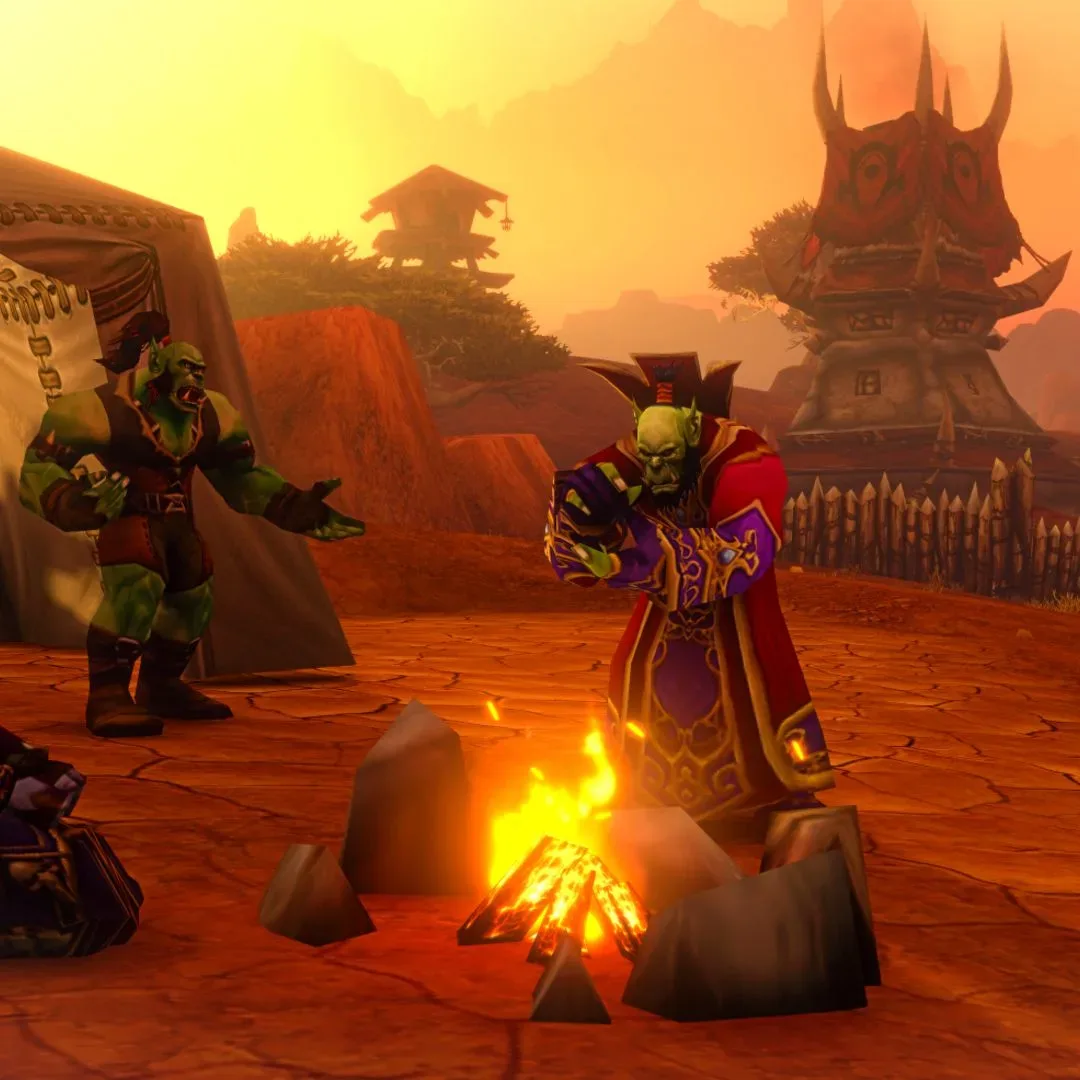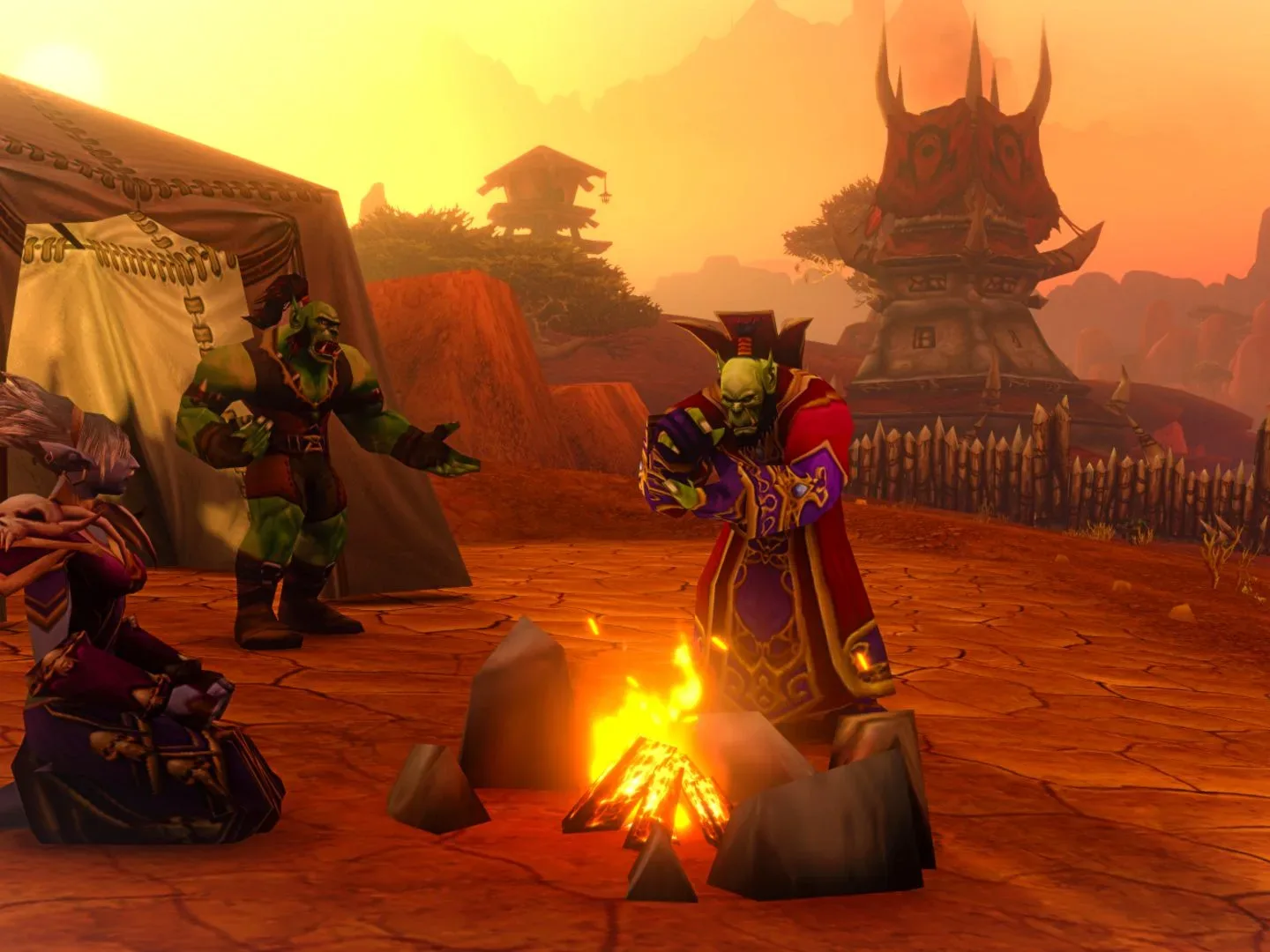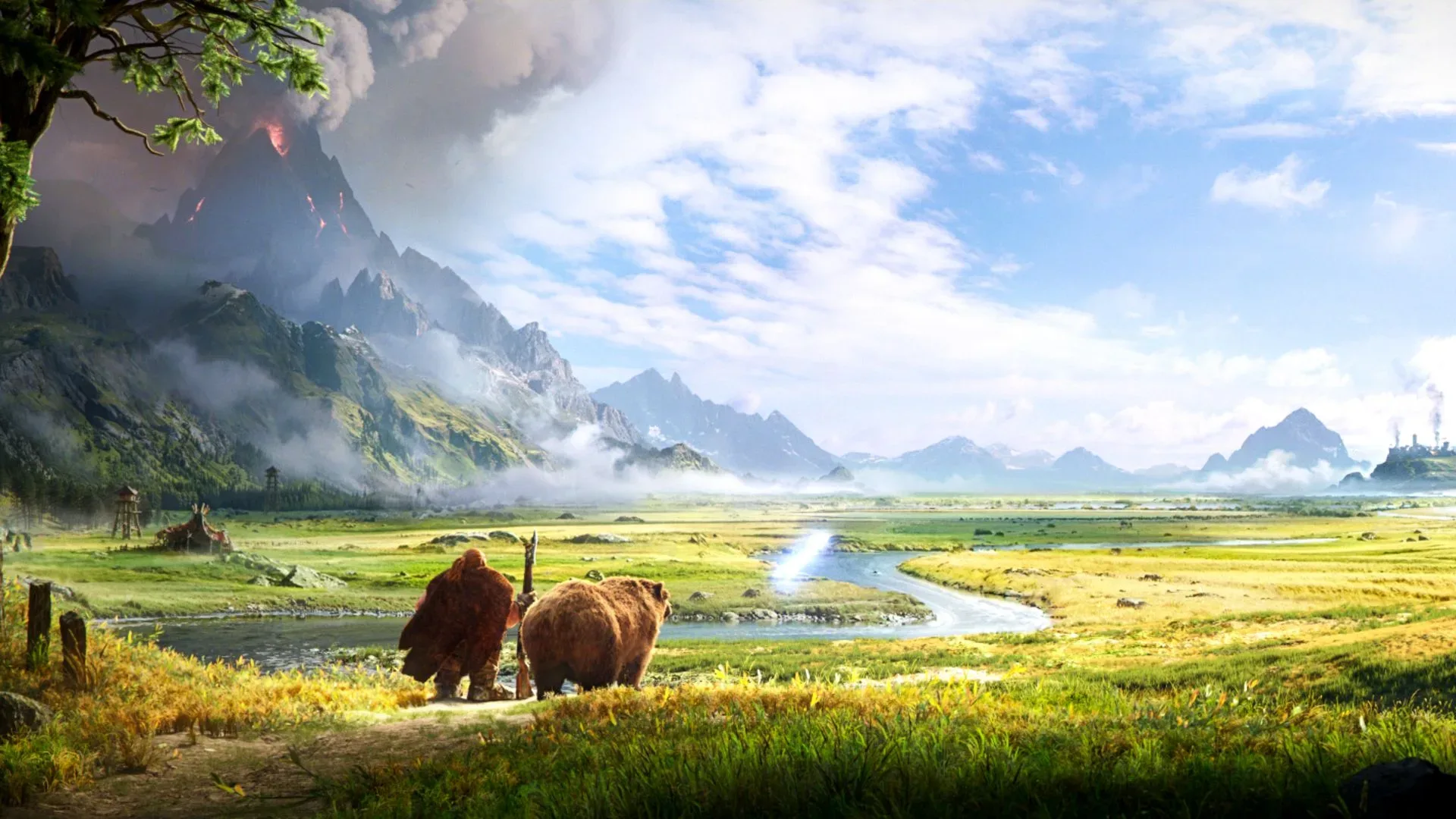
World of Warcraft: Forever may begin with a deliberately narrow slice of Azeroth’s history, but its developers are not drawing a hard border around where the project could go next. In comments about the MMO’s longer-term possibilities, executive producer and vice president Holly Longdale and associate production director Clay Stone both stressed that the team is concentrating on the strongest story it can tell within the game’s opening-year setting. At the same time, they left the door open to locations such as Northrend and Pandaria, as well as substantial changes within the original continents themselves.
That is an important distinction for anyone trying to read a full roadmap into the mention of familiar regions. Neither leader confirmed a future destination, an expansion plan, or an order in which content might arrive. The message is more conditional: Blizzard sees a large creative space, and future choices will depend on where the narrative goes and what the team learns from players.
“Nothing is off the table” is possibility, not a promise
Longdale’s broadest statement was that “nothing is off the table,” but she paired it with a clear caveat. The deciding factor will be what the development team chooses to pursue and where it wants the narrative to develop. That means Northrend and Pandaria are best understood as examples of possible territory, not confirmed destinations.
For a live-service MMO, that wording matters. A live-service game is supported and reshaped after launch through ongoing updates rather than being treated as a finished, fixed package. In that model, a developer can respond to player behavior, feedback and the needs of an evolving story. It can also revise priorities as production realities change. A suggestion that every location is theoretically available is therefore very different from a commitment that every location will be made.
Longdale specifically pointed to player input as one part of that process. The team is also considering how the original continents might transform over time. Her point was not simply that there are plenty of named places left to visit; it was that the starting landmass itself can support continued storytelling. In her view, players could spend an enormous amount of time in those two continents as they evolve.
That approach gives Forever two potential avenues for growth:
- Expand outward: take the story to other parts of Azeroth, potentially including places such as Northrend or Pandaria.
- Develop inward: revisit and alter the original continents so that familiar geography supports new situations, stories and reasons to return.
Those paths are not mutually exclusive. But the comments do not establish whether Blizzard favors one, whether both are planned, or how quickly either could happen.
The first year remains the current creative frame
Stone provided the clearest boundary around the project’s present focus. He described the period available to the team as a particularly interesting one and characterized Forever as essentially staying in the first year of World of Warcraft. That timeframe is the foundation for the developers’ current ideas, even while they acknowledge Azeroth’s wider scale and depth of lore.
Related coverage includes World of Warcraft: Forever Could Eventually Explore Northrend, Pandaria, and More of Azeroth.
A time period in this context is more than decoration. It sets the story’s rules: which conflicts are active, what state regions are in, and how closely a new development must relate to the version of the world Forever is trying to explore. Remaining grounded in that opening-year era can give the project a firm identity. It can also create a creative challenge if the team later wants to reach locations or concepts players associate with other stages of the MMO’s long history.
The developers have not explained exactly how Forever would solve that challenge. No specific mechanics, zone redesigns, story chapters or release cadence were detailed. Still, Stone said the team has “really cool creative ideas” for working in that space, drawing on the amount of lore available to it.
For players, the practical takeaway is patience with the distinction between setting and scope. Forever’s setting is currently described in terms of the first year. Its possible scope, however, is wider than a single unchanging pass across the original continents. Blizzard is signaling room to grow without saying precisely how that growth will look.
Original continents may be more than a launch-era backdrop
The most consequential part of Longdale’s remarks may not be the named references to Northrend and Pandaria at all. It may be the suggestion that the original continents can change “in and of themselves.” That frames Azeroth’s earliest geography as active narrative material rather than a museum piece preserved in exactly one form.
There is a useful difference between revisiting content and evolving it. A revisit can simply send players back to a recognizable place. Evolution implies that the place gains a new role, context or state within the ongoing story. Longdale did not provide examples of what that would mean in Forever, so fans should not assume particular cities, zones, quests or events will be changed. But the design philosophy she outlined leaves room for the world to move rather than stand still.
That could be a meaningful answer to one of the tensions inherent in a project tied to an earlier era: how to preserve a recognizable foundation while still giving a continuing audience a reason to care about what happens next. The comments suggest Blizzard is looking at story development, not merely geographical accumulation. In other words, “more Azeroth” may mean a newly significant version of an existing place as much as it means a trip to a distant land.
This is also why the developers’ recurring emphasis on narrative is worth taking seriously. Longdale said the team is focused on telling the best story. That does not reveal the story itself, but it indicates that a prospective destination will need to serve a narrative purpose rather than function solely as a nostalgic name drop.
Beta interest is encouraging, but it does not lock in future content
The project is currently in beta, with a public release said to be approaching. Senior game designer Josh Greenfield described the response as the most extreme numbers he has seen during 17 years at Blizzard. That is a striking expression of enthusiasm, though it comes without concrete figures or a detailed explanation of the metric being measured.
As a result, the statement should be read as evidence of strong internal excitement around beta participation, not as a substitute for a published player count, sales figure or long-term forecast. It also does not confirm future regions. Strong interest can give a team confidence to keep investing, but content decisions still involve narrative direction and development priorities—the same factors Longdale identified when discussing what might come next.
That nuance will matter as Forever’s public release nears. Beta activity can help developers identify issues, gauge reactions and understand which ideas resonate. It cannot, by itself, tell players whether Northrend, Pandaria or any other region is next on the list. For now, Blizzard’s position is aspirationally broad and operationally focused: the world is large, the creative options are numerous, and the first-year setting is the immediate canvas.
What players can reasonably expect—and what remains unknown
There is enough in these comments to set reasonable expectations, provided speculation does not outrun the language used. Players can reasonably expect the team to consider feedback, to treat the original continents as capable of changing over time, and to keep the story’s quality at the center of its decisions. They can also reasonably take Northrend and Pandaria as places Blizzard is willing to discuss as possibilities.
Players should not yet expect confirmation of a route to either region, a timetable, or a declaration that Forever will reproduce every major destination from the broader MMO history. “Everything is on the table” is an invitation to imagine possibilities, not a checklist.
- Confirmed in principle: the developers are not ruling out future exploration beyond the initial focus.
- Current focus: a story rooted in the first year of World of Warcraft.
- Potential direction: changing original continents as well as eventually exploring more of Azeroth.
- Still unconfirmed: which zones will arrive, in what form, and when.
There is a broader lesson here for MMO audiences: a development team can be sincere about long-term ambition while remaining unable—or unwilling—to turn every possibility into a commitment. Longdale’s joking observation that Blizzard first wanted to see whether anyone would play underscores the point. The team is speaking from a position of visible beta momentum, but it is still prioritizing the work in front of it.
For now, Forever’s promise is not that a particular far-flung zone is imminent. It is that Blizzard views Azeroth as a living creative space with considerably more room to explore. Whether that means a reimagined corner of the original continents, a journey to Northrend, a visit to Pandaria, or something else entirely will depend on the stories the team decides are worth telling—and on how its players respond once the game reaches the public.
Players looking for a more immediate gameplay resource can also browse our Huss Valley codes guide for another game’s current rewards and boosts.