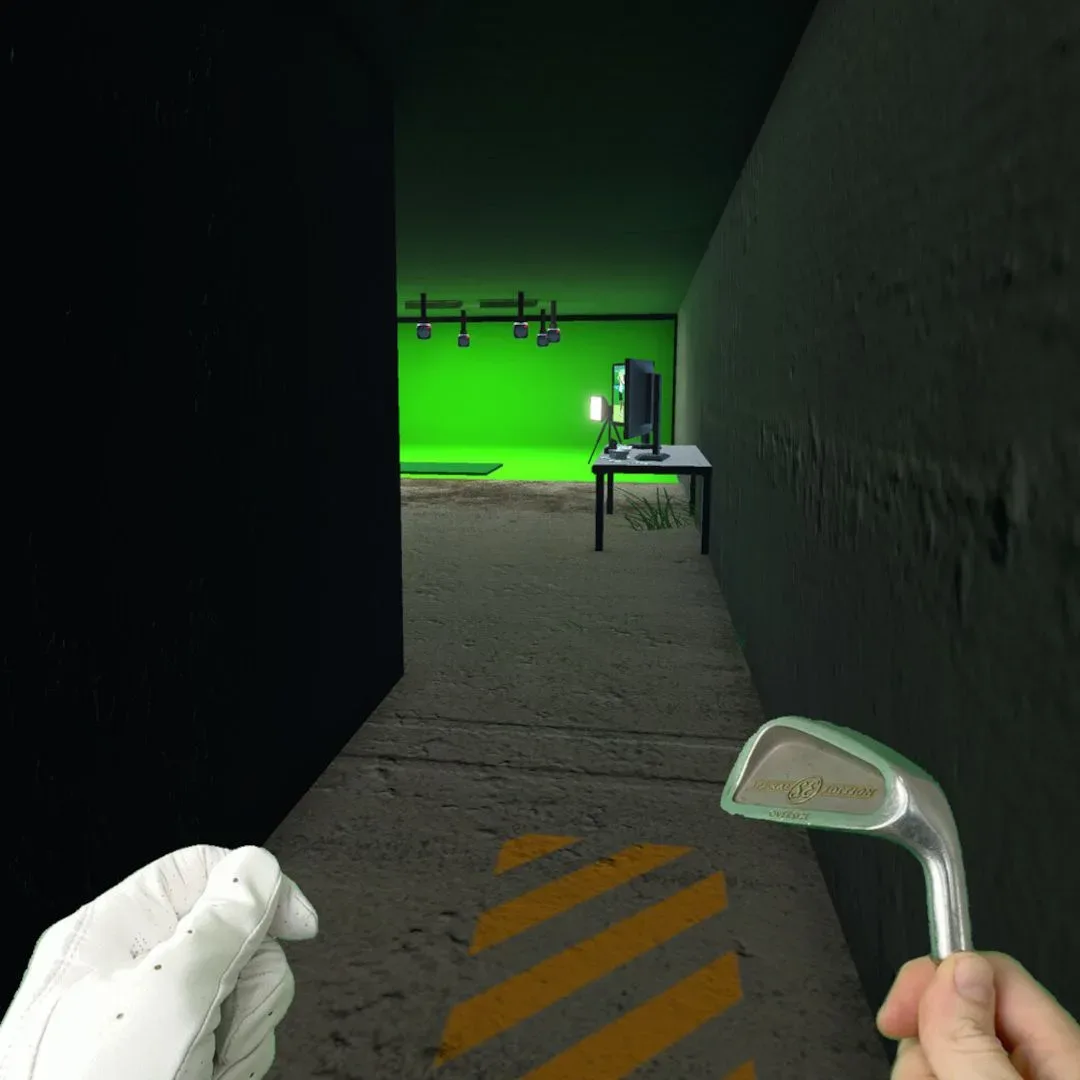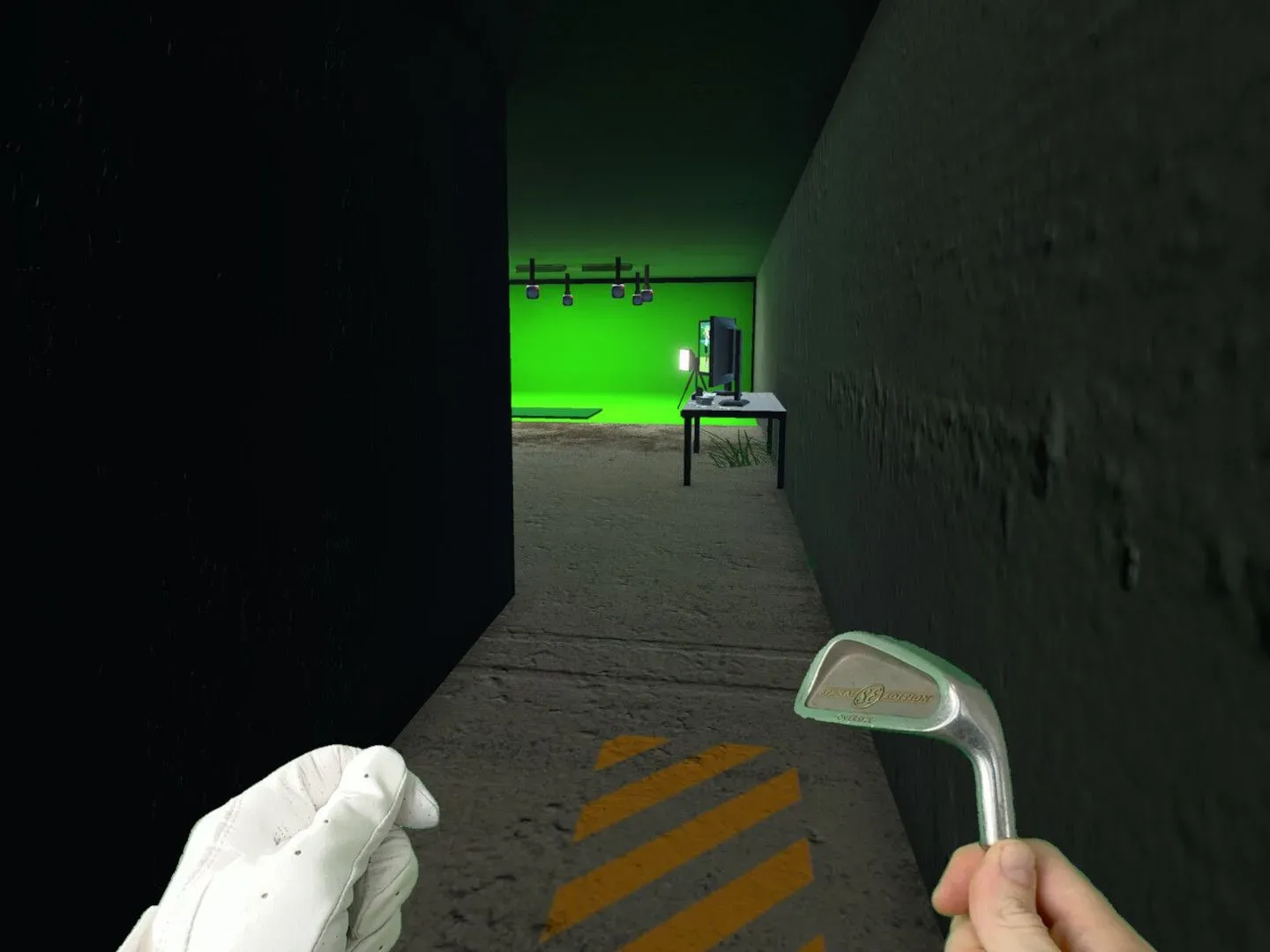
Normal Golf Game has made a decidedly abnormal early impression. The new solo project from Luke Muscat, a developer known for work on Fruit Ninja and Jetpack Joyride, reached a 98% Very Positive user-review rating on Steam within two days of release.
That reception is particularly striking because Muscat had privately framed the launch in much gloomier terms. In a video released alongside the game, he said he had worried he was effectively “putting this game out to die.” Instead, the oddball golf game has promptly found an audience willing to embrace its deliberately misleading promise of a peaceful round.
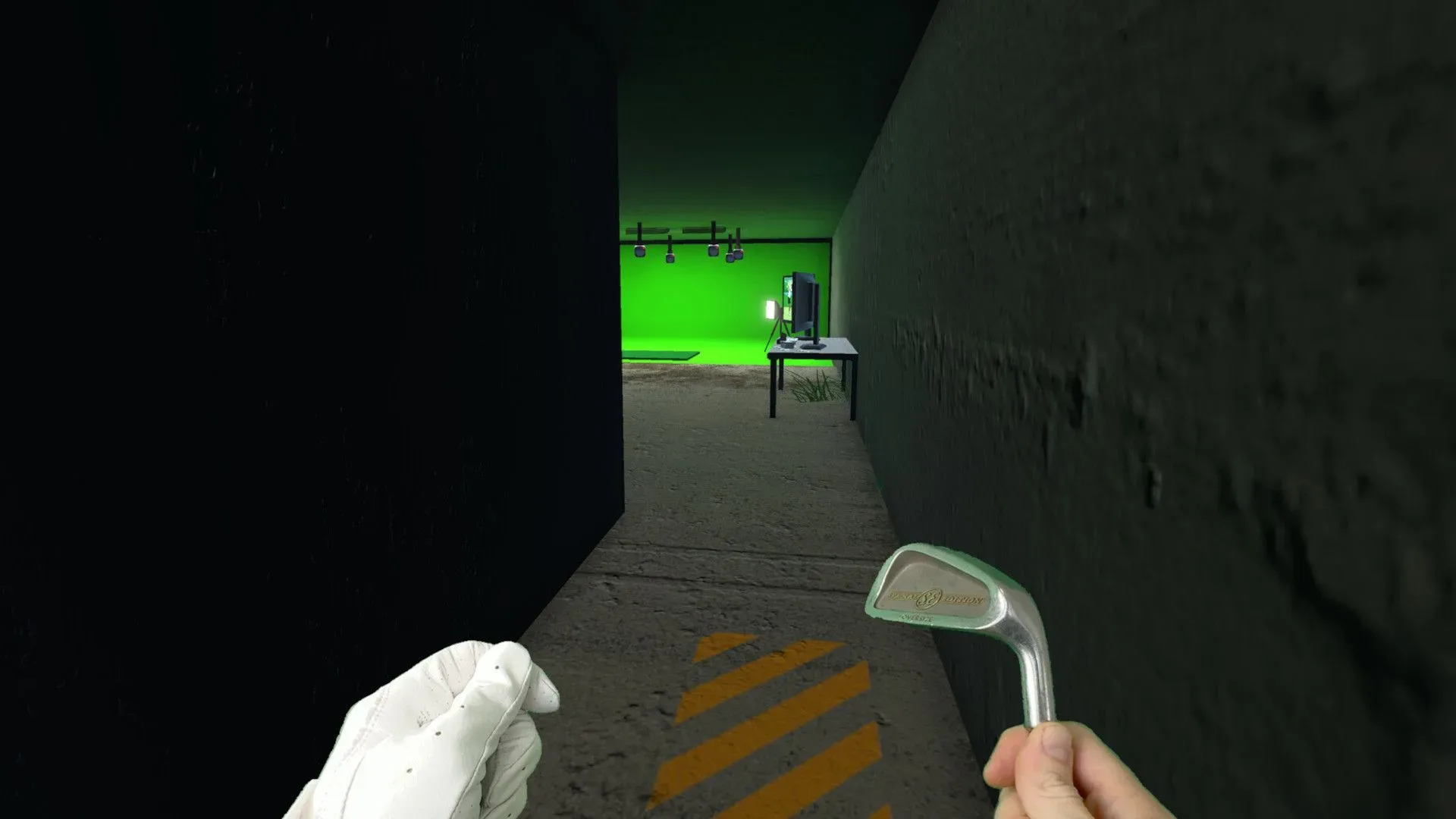
Its title insists this is a normal golf game. The premise, at least initially, plays along: 18 holes, birds, a breeze, and a course that appears built for a gentle afternoon. But Normal Golf Game’s comedy rests on the possibility that leaving the course is a much worse plan than simply taking another swing. Players have considerable freedom over where they tee off and where the ball goes. Going home, however, is apparently where the trouble begins.
A familiar name behind an unfamiliar kind of golf
Muscat’s earlier work gives the project an understandable sense of mischief. He was a team lead and designer on Fruit Ninja, the touch-screen hit about slicing flying fruit, and he designed Jetpack Joyride. Both games are associated with immediate, readable premises that rapidly become gleefully chaotic. Normal Golf Game appears to take the same approach to a sport that usually promises order: introduce something recognisable, then make the player wonder why the rules feel so accommodating—and why one particular decision is so strongly discouraged.
Calling the project a golf game is therefore accurate, but incomplete. Golf provides the setting, basic vocabulary and expectation of a round in progress. The game’s hook is what it does around those expectations. A player may expect golf to be governed by fixed tee boxes, carefully marked routes and an obvious destination. Here, the reported rules are unusually loose: teeing can happen from anywhere and the ball can be sent wherever the player chooses.
That freedom matters because it turns a sport normally built around restriction into a setup for uncertainty. In conventional golf, the question is often how efficiently to get from tee to hole. In Normal Golf Game, the question suggested by the setup is broader: what exactly happens when a player treats this apparently tranquil place as somewhere they can simply depart?
What “Very Positive” means—and what it does not
On Steam, “Very Positive” is a user-review classification rather than an editorial score. It indicates that a high proportion of reviews within the relevant window are positive. The reported 98% figure is an especially enthusiastic early signal, and it shows that the game’s premise has connected quickly with the people reviewing it.
It is still an early snapshot, not a permanent verdict. Steam ratings can change as additional players post reviews, and a percentage does not tell readers how many total reviews produced it. It also cannot, by itself, reveal whether players are responding most strongly to the game’s humor, mechanics, surprises or general novelty. What it does establish is simpler and meaningful: the people weighing in during the game’s opening days have been overwhelmingly favorable.
Related coverage includes Normal Golf Game Opens With 98% Very Positive Steam Reviews After Creator Feared It Would "Die".
That distinction is useful when reading any Steam review label. A strong early response is evidence of player enthusiasm, but it should not be stretched into claims about long-term sales, sustained popularity, or the complete experience for every kind of player. Normal Golf Game has earned an encouraging start; the available information does not justify turning that into a forecast written in permanent marker on a scorecard.
The launch story has a tougher edge than the game’s joke
The game’s upbeat reception sits beside a much more serious reflection from its creator. Muscat used his launch video, titled My game is out and I have to stop doing this, to talk about his working habits and the cost of trying to push every project to its limit.
“This is working myself into oblivion until I’m burning myself on every single project,” Muscat said.
He said that pattern needs to stop, while also acknowledging how difficult it has been to step away from it. Muscat described Normal Golf Game as the hardest he has worked on a game across his 20-year career. He also admitted to feeling some pride in the all-consuming effort, even as he recognised it was unsustainable.
That contradiction is important. It is easy to treat a successful release as proof that every painful production choice was worthwhile. A 98% Very Positive rating can look like an argument for repeating whatever led to it. Muscat’s comments argue against that simplistic reading. Caring deeply about a game and working beyond healthy limits can coexist; one does not validate the other.
“Crunch” is the industry shorthand often used for periods of extreme overtime or sustained overwork near a deadline. Muscat did not need that label to describe the issue. His account focuses on a recurring personal cycle: giving everything to a release, reaching burnout, and then finding himself tempted to do it again. The wider lesson is less about one development model than about the dangerous appeal of measuring devotion by exhaustion.
Creative work can make that appeal especially difficult to resist. A game is not merely a list of tasks to its maker. It is a collection of decisions, details, compromises and jokes that can feel inseparable from the person building it. The fear that an unfinished or insufficiently polished idea might fail can encourage a developer to keep adding hours. But a positive launch, welcome as it is, does not erase the warning contained in Muscat’s own account.
A small game with a useful reminder for players
Players routinely see the finished artifact: the course, the ball, the joke in the title, and the strange instruction not to leave. They rarely see the scale of labor that preceded the download button. Muscat’s comments make that invisible side unusually explicit. They also offer a better way to interpret the game’s early success: as recognition for the finished work, not a demand that its creator repeat the personal cost.
That is relevant beyond one golf game. The games business is full of uncertainty around projects, teams and the companies behind them, as reflected in broader industry questions around studios and ownership, including the changing structure around Obsidian and Bethesda. For independent creators, uncertainty can be even more intimate: a release may feel like a referendum on years of work with no assurance that anyone will notice.
Normal Golf Game’s start does not make that anxiety disappear, but it does provide a welcome counterpoint to it. Muscat feared the game could be released only to vanish without a response. Within two days, Steam users had supplied a forceful answer. The early review score suggests that an audience did find the project, understood its unusual pitch, and appreciated it enough to recommend it.
Why the premise is built for curiosity
The strongest part of Normal Golf Game’s setup may be how little it needs to explain. “A normal golf game” is immediately legible. So is the implication that the claim is suspicious. The bright, peaceful-course framing functions as a straight face for the joke, while the warning about going home provides an irresistibly specific point of concern.
It is a useful example of a compact game pitch. Rather than explaining every surprise, the premise creates a question that players can only resolve by engaging with it: why is departure the forbidden move? The freedom to tee from anywhere and fire the ball in any direction reinforces that curiosity. Conventional golf asks participants to respect the intended path. This game seemingly invites them to poke at the edges of the course—and then hints that the edges may poke back.
Muscat’s game is also available in Steam bundles with other golf simulations described as similarly mild-mannered. That pairing fits the project’s comic identity. Putting an unhinged golf experience next to more conventional-looking golf games extends the same deadpan bit used by its title: everything is perfectly ordinary, right up until it obviously is not.
For now, the headline result is refreshingly direct. Normal Golf Game arrived with a creator’s anxiety, a deceptively calm golf-course premise and a warning not to attempt a homeward journey. Its opening Steam response has been exceptionally positive. The more sobering part of the story is that its maker does not want the exhausting route taken to finish it to become the default route to another successful launch.