Marvel’s new Midnight line is giving Spider-Man a particularly grim makeover. Midnight Spider-Man #1, written by Phillip Kennedy Johnson with art by ScieTronc, begins a horror-oriented take on the wall-crawler built around corporate experimentation, mutation and the frightening question of what remains when Peter Parker’s humanity is altered beyond recognition.
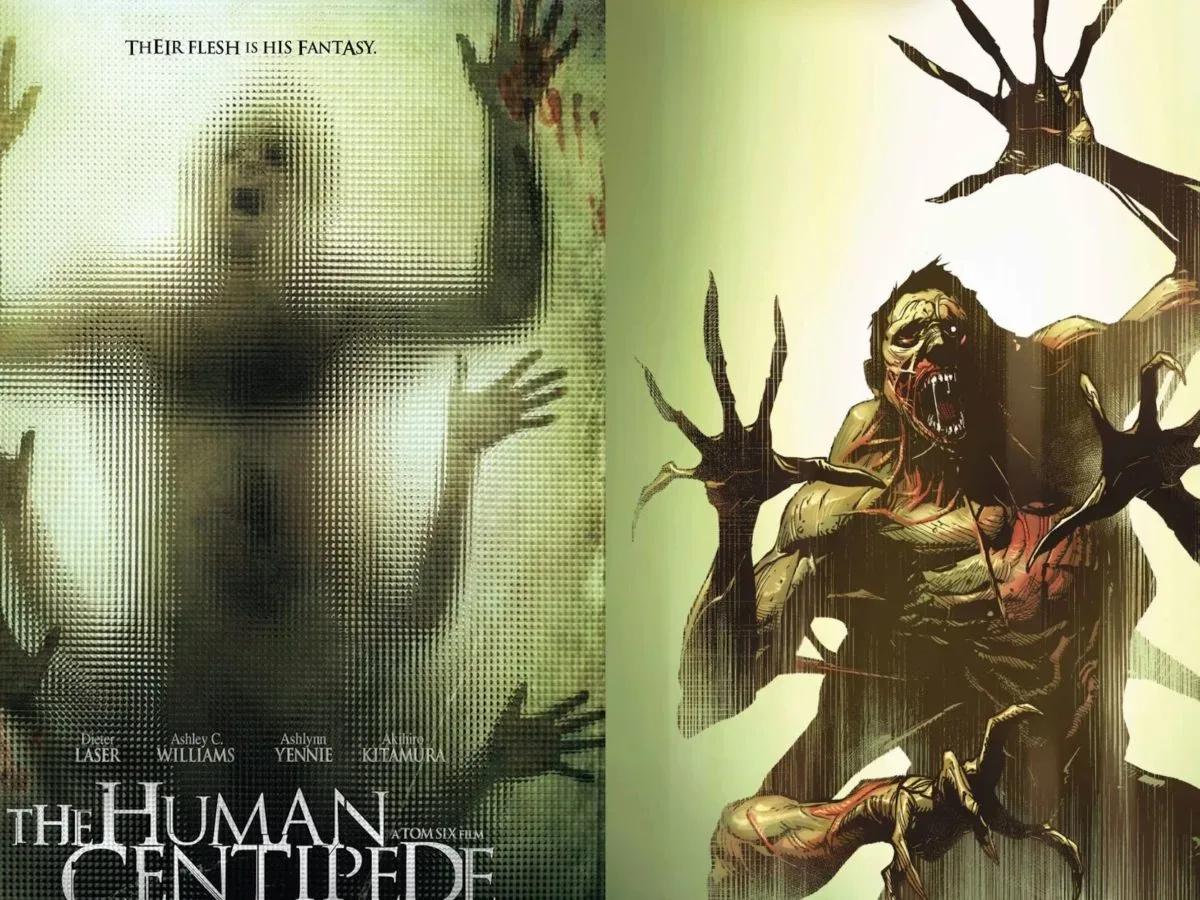
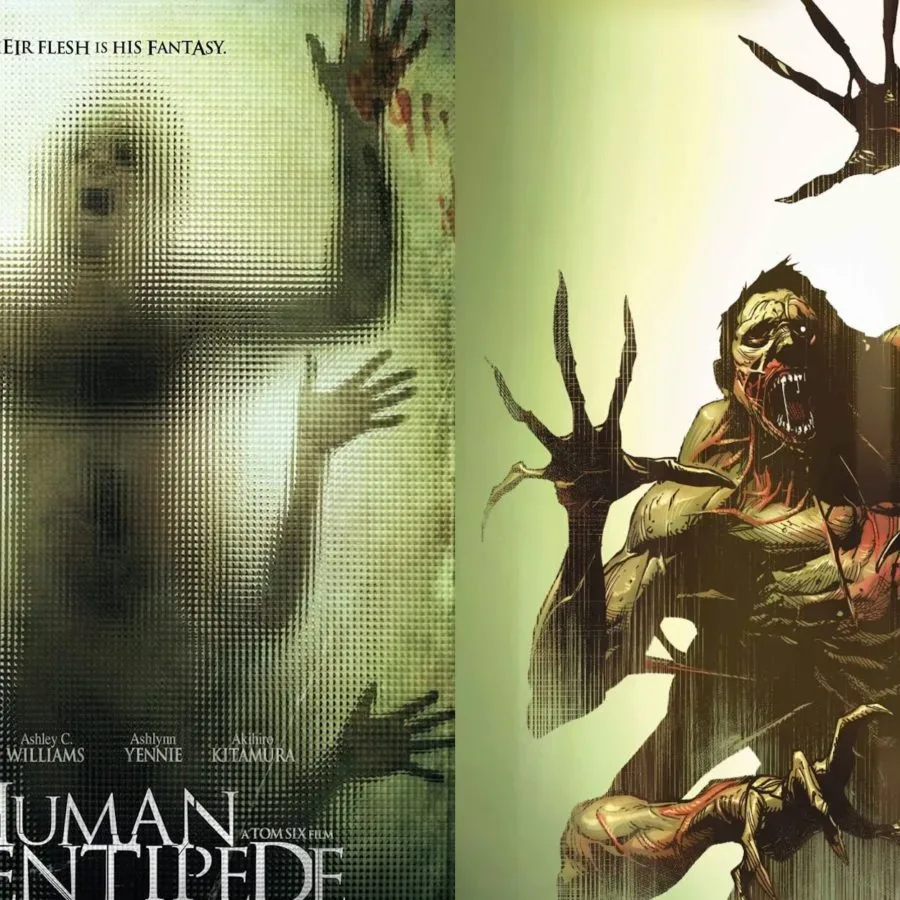
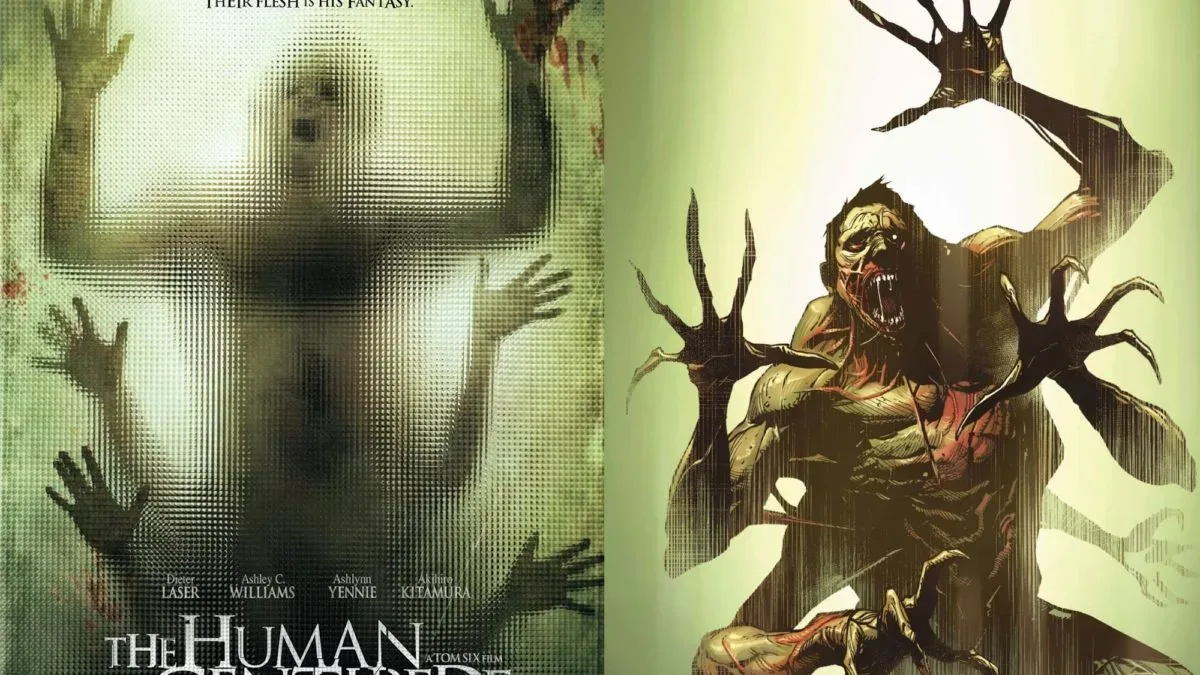
Its launch presentation makes the intention clear before readers reach page one. The Midnight books are using covers that echo classic horror-movie poster imagery, and the Midnight Spider-Man #1 homage has drawn attention for invoking the deliberately provocative visual language associated with The Human Centipede. That is an unusually confrontational reference point for a Spider-Man cover, and it communicates the series’ angle efficiently: this is not simply a darker costume, a spooky villain-of-the-month, or a standard superhero adventure scheduled near Halloween.
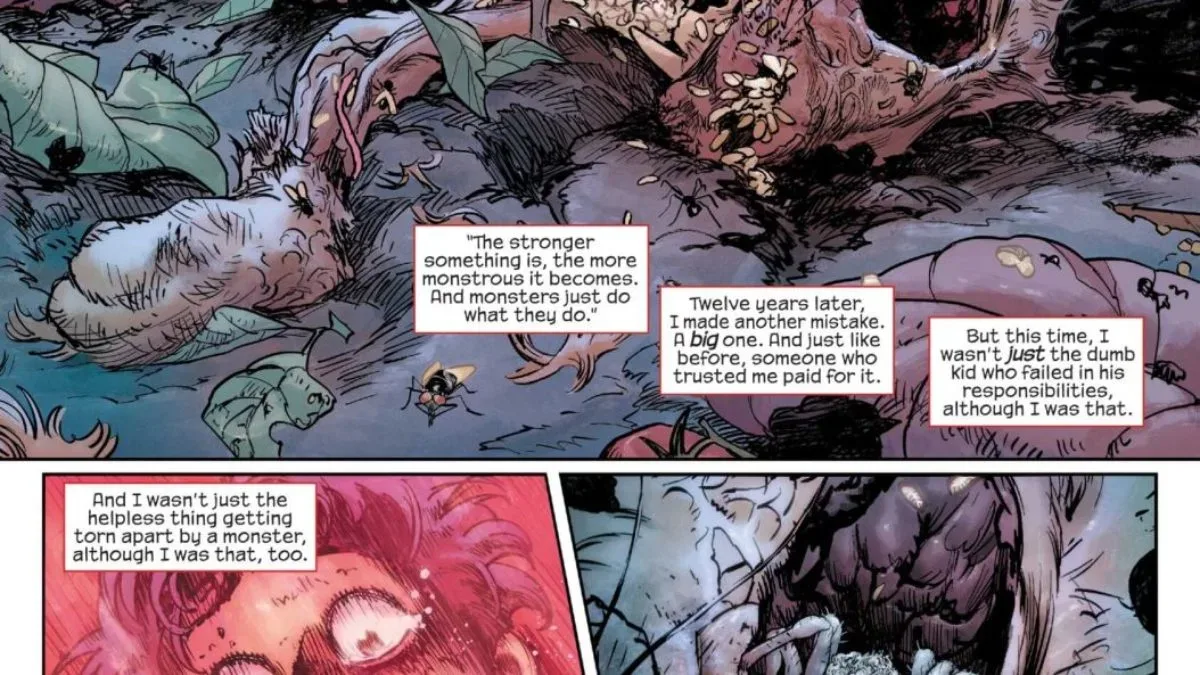
The central premise instead makes the hero’s body itself the battleground. Marvel’s description says a young man is changed into a “hideous spider hybrid” by Oscorp, which is pursuing eternal life. When the company applies what it learns from his mutation toward creating further human-animal hybrids, he has to use the same grotesque form to oppose it.
That setup places body horror at the center of the book. The term generally describes horror that finds fear in involuntary physical transformation, disease, surgery or the loss of control over one’s own body. Here, the familiar Spider-Man origin is not presented as a pathway to agility and heroism. Mutation is the harm, Oscorp is the system causing and exploiting it, and the Spider-Man figure is fighting while trying to reclaim personhood.
An alternate Spider-Man premise driven by Oscorp
The launch issue appears to frame Oscorp as more than the setting for a disaster. The corporation’s pursuit of eternal life, coupled with its use of mutation research to develop additional hybrids, makes it the driving force behind the series’ horror. That shifts the familiar scientific-accident template into a story about institutional exploitation: a company turns a person into a research outcome, then seeks to scale that outcome into a broader program.
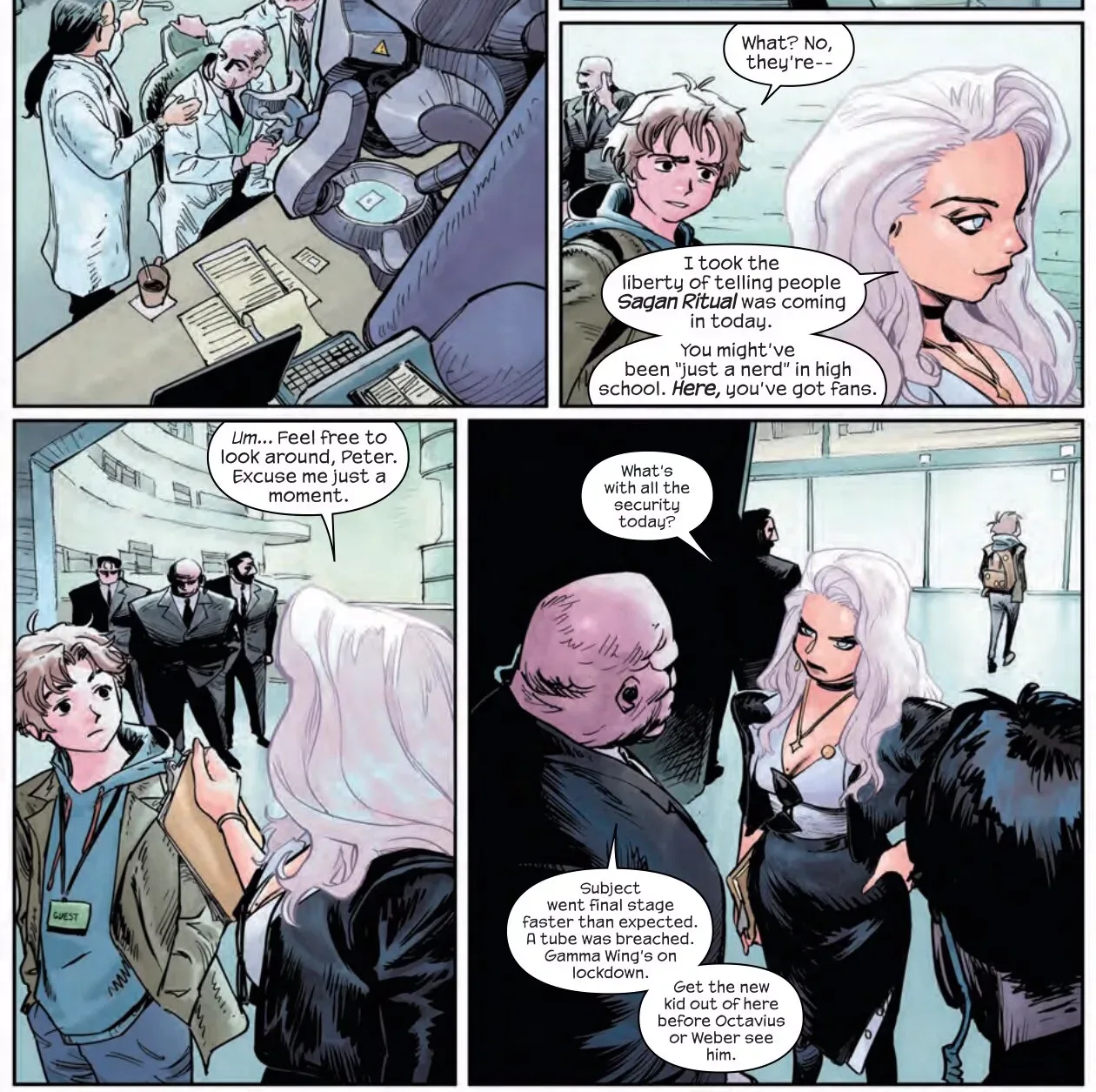
The available setup also creates a sharp divide between what Spider-Man looks like to the public and what he is experiencing. The second issue’s solicitation asks repeatedly, “Where is Peter Parker?” while listing several missing people: a new Oscorp worker, a New York City teaching assistant and a Queens municipal-services technician. Meanwhile, Oscorp defense contractors are reviewing security footage for a spider.
That description suggests an urban-legend structure. In horror, an urban legend is not simply a monster story; it is a story that spreads through incomplete sightings, fear and rumor. For this version of Spider-Man, the public-facing legend may emerge at exactly the moment Peter is least able to identify himself or control what his transformation means. The recurring question of his whereabouts turns the hero’s civilian identity from a secret worth guarding into a genuine missing-person mystery.
Midnight Spider-Man #2 is scheduled for November 18, 2026. It is important, though, to treat its solicitation as a tease rather than a final account of the plot. It identifies the disappearances and the security search, but it does not explain whether they share one cause, who is responsible, or what Peter’s condition is at that point.
Doctor Octavius is positioned as a larger concern
The first issue also points readers toward Otto Octavius. The material indicates that he is inside the Oscorp building and apparently unable to sign official documents. That is an ominous image rather than a complete explanation, but it establishes that Octavius may himself be constrained, changed or otherwise compromised within Oscorp’s operation.
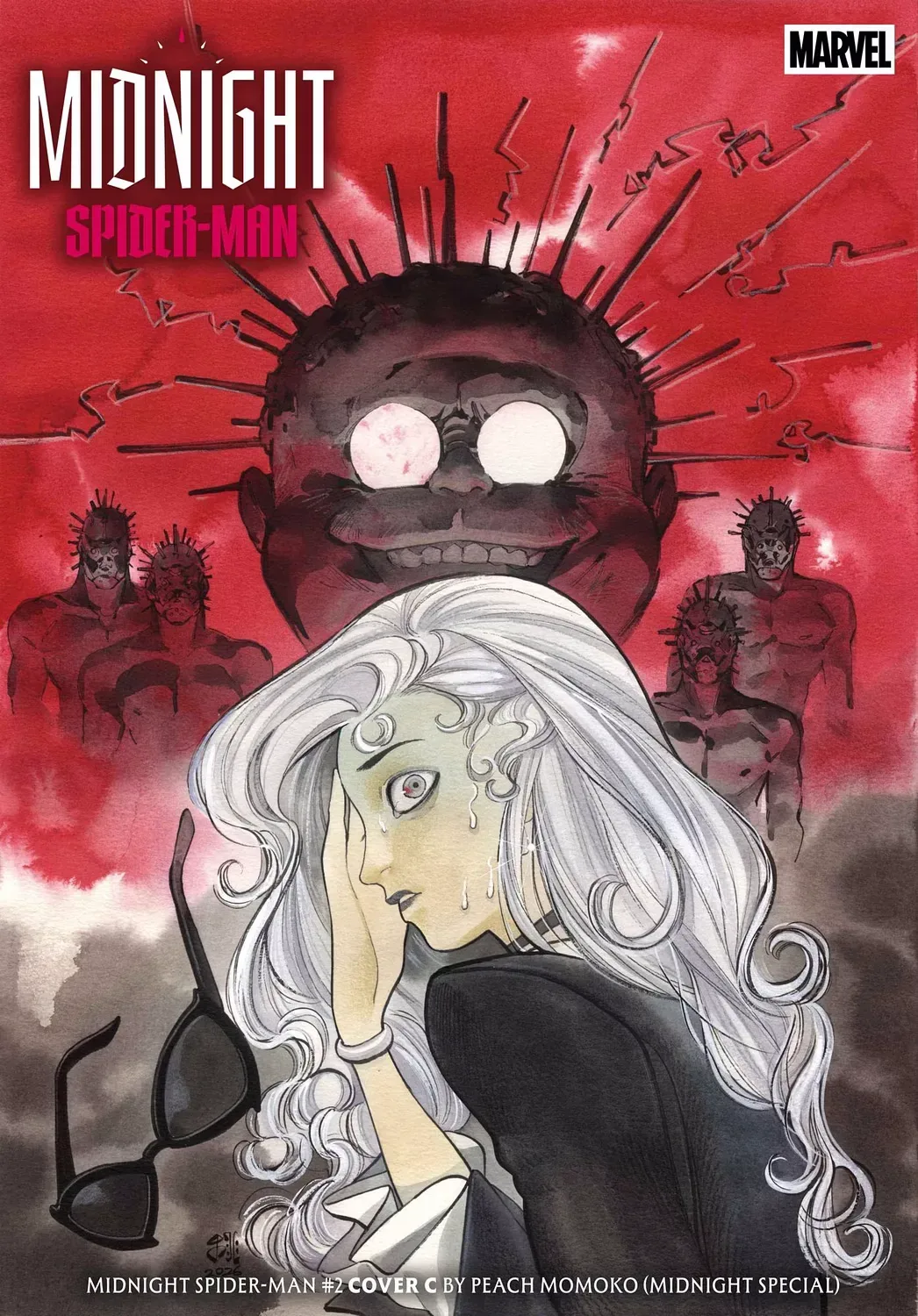
Variant-cover imagery has further suggested a second figure with a Doctor Octopus-like presence, rendered with a more overt horror sensibility. Cover art can be evocative without providing a literal scene from the comic, so it is best read as a tonal clue rather than proof of precisely what happens to Otto. Still, the direction of the third issue’s description leaves little doubt that Octavius is integral to the escalating threat.
Midnight Spider-Man #3, due December 16, 2026, is titled “The Parker Incident.” Its premise says Peter is desperately searching for a way back to humanity while Oscorp pursues the emerging Spider-Man legend as its first breakthrough toward a post-mortality future. In its deepest labs, Doctor Octavius uses the lessons of Peter’s transformation to create the world’s second synthetic mutant—an entity described as a living horror intended to surpass Spider-Man.
A synthetic mutant, in the language of this solicitation, appears to mean a being made through deliberate experimentation rather than an uncontrolled or naturally occurring mutation. The distinction matters because it turns Peter’s suffering into a prototype. Oscorp’s project is not content with surviving an accident or containing a dangerous subject; it aims to study, reproduce and improve upon the result.
That gives the series a clear progression across its first three announced issues:
- Issue #1: Peter’s transformation and Oscorp’s exploitative hybrid program establish the personal and institutional horror.
- Issue #2: Peter’s absence, multiple missing people and the hunt for a spider widen the mystery into an urban threat.
- Issue #3: Oscorp’s research reaches a new stage as Octavius engineers another mutant intended to eclipse Spider-Man.
There is a bleak logic to that escalation. Peter is not only confronting the damage done to him; he is racing against a corporation and scientist who view the damage as valuable data. Every step he takes toward restoring himself could occur alongside efforts to turn his condition into a repeatable technology.
What the horror homage says about the Midnight line
Homage covers are cover illustrations designed to recall a recognizable older image, whether that reference comes from comics, film posters, albums or other pop culture. They can function as a quick signal of genre and attitude. In Midnight Spider-Man’s case, the controversial poster reference is doing more than offering a visual gag or a collectible alternate. It announces a willingness to put discomfort and transgression at the front of the book’s marketing.
That does not mean the comic’s contents can be assumed to reproduce any particular film’s plot or imagery. The confirmed story elements remain Oscorp’s longevity research, Peter’s spider-human mutation, the production of other hybrids, the missing-person mystery and Doctor Octavius’s synthetic-mutant work. But the cover reference provides a useful lens: Midnight Spider-Man seems designed to emphasize captivity, invasive science and forced physical change over Spider-Man’s more conventional heroic iconography.
For readers who follow horror adaptations and genre crossovers, the approach has an obvious appeal. Superhero settings already contain extreme science, secret laboratories, identity crises and physically transformed antagonists. The Midnight concept appears to ask what happens when those elements are not smoothed into spectacle, but treated as frightening consequences. The same broad question of how horror franchises reinterpret familiar characters is also relevant to the gaming space, as seen in recent discussion around Resident Evil Requiem’s planned DLC and Oswell E. Spencer.
For Spider-Man specifically, the premise puts pressure on the character’s defining visual. Ordinarily, a spider motif is an emblem of mobility, responsibility and a masked alter ego. In Midnight Spider-Man, it is apparently evidence of a corporate violation. The title can still draw on the recognizability of Spider-Man, but the narrative stakes come from whether Peter can prevent the symbol from becoming an Oscorp product—or a reason for the city to fear him.
Release details and what is confirmed
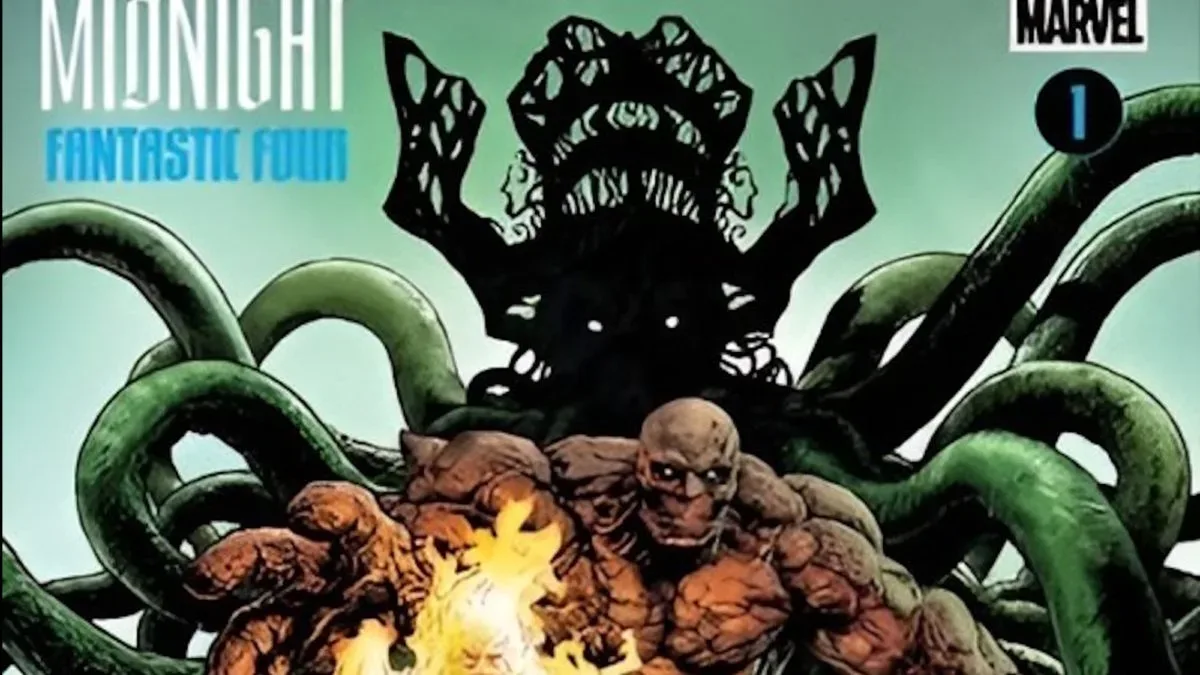
Midnight Spider-Man #1 arrived October 7, 2026, with a listed price of $4.99. Midnight Fantastic Four #1 and Midnight X-Men #1 launched alongside it, establishing Midnight as a wider Marvel publishing line rather than a single isolated Spider-Man experiment.
- Midnight Spider-Man #1 — October 7, 2026; $4.99.
- Midnight Spider-Man #2 — November 18, 2026; $4.99.
- Midnight Spider-Man #3 — December 16, 2026; $4.99.
Phillip Kennedy Johnson writes all three announced issues, with ScieTronc on art. The early material supports a story in which Peter Parker becomes both victim and resistance figure after Oscorp weaponizes his mutation. It also supports the involvement of Otto Octavius and a looming second artificial mutant. The exact nature of Otto’s predicament, the identities and fates of the missing people, and the full form of the new creature remain unanswered within the announced material.
That uncertainty is part of the hook. Midnight Spider-Man is not presenting a reassuring version of a hero who knows exactly what he can do. It is presenting a Peter Parker who has become the evidence of a terrible breakthrough—and who may be the only person able to stop Oscorp from making that breakthrough permanent.
Shop the products
Check current price, model and availability at the retailer.