Midnight Spider-Man #2 is set to deepen its central question rather than answer it: Where is Peter Parker? The issue, scheduled for sale on November 18, 2026, frames that missing-person mystery through several other absences around New York City. A newly hired Oscorp employee has vanished, an NYC teaching assistant is missing, and a municipal services technician in Queens did not show up for work.
That is an unnerving setup for a Spider-Man story. Peter Parker disappearing would be alarming in any circumstance, but the issue’s description deliberately makes him part of a larger pattern. These are people in unrelated lines of work and different parts of the city. At the same time, Oscorp defense contractors are reportedly reviewing their building’s security recordings for one especially suspicious detail: a spider.
The result is a premise that leans into surveillance, corporate anxiety and urban unease rather than presenting a straightforward superhero emergency. Spider-Man is often identified by movement—swinging between buildings, arriving suddenly in a crisis, leaving a web behind. Here, the question seems to be whether the spider in the footage is proof, a clue, or a distraction from whatever has made people disappear.
A missing Peter Parker changes the usual Spider-Man equation
Peter Parker is ordinarily the person who has to explain an absence. A last-minute emergency, a missed appointment or an unexplained disappearance can be the consequence of Spider-Man responsibilities colliding with civilian life. Midnight Spider-Man #2 reverses that familiar tension. The solicitation makes Peter himself the absent party, while other missing New Yorkers expand the stakes beyond one hero’s double life.
That distinction matters. A mystery concerning Peter alone might encourage readers to focus on his known enemies, personal relationships, or Spider-Man’s latest crisis. The additional disappearances suggest a wider threat that affects people with no stated connection to the wall-crawler. The Oscorp employee, teaching assistant and Queens public-services worker are defined by their everyday jobs, making their absence feel woven into the city’s ordinary systems.
There is no confirmed explanation for the disappearances in the available details, and the description does not identify a culprit. It also does not establish whether the missing people are connected directly to Peter, Oscorp, the spider on the recordings, or each other. That uncertainty is the hook. Readers should treat the security-footage detail as a lead within the comic’s premise, not confirmation of what happened.
Why the Oscorp footage is the story’s sharpest clue
Oscorp has long been a name with weight in Spider-Man fiction, but the supplied information offers only one concrete role for the company here: defense contractors connected to Oscorp are searching security tapes. The wording is notably specific. These are not simply building staff noticing something odd; contractors are combing recordings for a spider.
Security footage is a useful mystery device because it appears objective while often being incomplete. A camera records what passes through its field of view, not necessarily what occurred before, after, above or beyond it. In a superhero setting, a fleeting image of a spider can point in many directions: Spider-Man’s presence, a symbol, an anomaly, or an effort to pin a larger event on a visible suspect.
The phrase “for a spider” also gives the investigation a strange precision. The missing-person cases are broad and alarming, yet the search seems narrowed to a single small image. That contrast can create the tension at the center of the issue: people are vanishing across the city, while a powerful organization’s attention is fixed on evidence that may or may not explain the real danger.
It is an effective horror-tinged idea because surveillance is supposed to offer reassurance. Cameras promise a record, an answer, a way to trace the last known movements of someone who vanished. But the issue’s premise makes the footage a source of further unease. Someone—or something—has apparently made a spider important enough to prompt a contractor-level search, and Peter is still missing.
A citywide mystery, not just an Oscorp problem
The three missing individuals named in the description place the plot across different parts of New York life:
- Oscorp: a new employee’s disappearance puts the mystery inside a corporate environment.
- NYC education: a teaching assistant’s absence brings it into a public-facing community setting.
- Queens municipal services: a technician failing to clock in points toward the workers who keep everyday city operations moving.
The issue does not say that these roles indicate a shared profession, location or motive. Still, presenting them together signals that the story is looking beyond a single office, laboratory or neighborhood. Each disappearance leaves a different kind of gap: a workplace has a new hire who is suddenly gone, students or colleagues lose a teaching assistant, and a municipal team has a worker who never arrived.
That approach gives the mystery practical texture. The premise is not just “people disappear.” It is that routines stop. A scheduled worker fails to appear. A phone goes unanswered. A missing person becomes visible first through the mundane disruptions left behind. Those details can make a supernatural or superhuman threat feel grounded in the life of a city.
For Spider-Man readers, Queens is an especially resonant setting because Peter Parker is closely associated with the borough. Yet no supplied details say that the Queens technician is personally connected to Peter, so it would be premature to turn that location into a solved clue. What it does establish is geographical breadth: the concern reaches from Oscorp’s sphere into the places where New Yorkers live and work.
What “Parental Advisory” and T+ communicate
The comic is listed as Rated T+ and carries a Parental Advisory label. Those labels indicate that the issue is intended for teen readers and above, with the advisory signaling material that may be better suited to mature teen audiences than an all-ages comic.
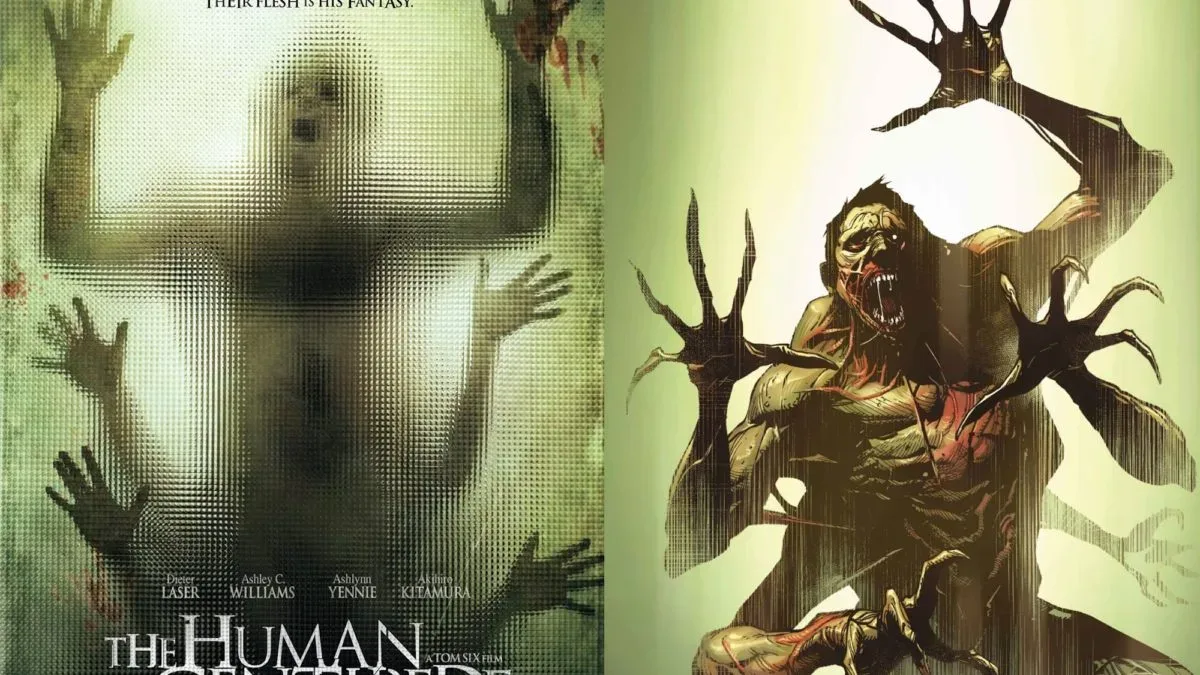
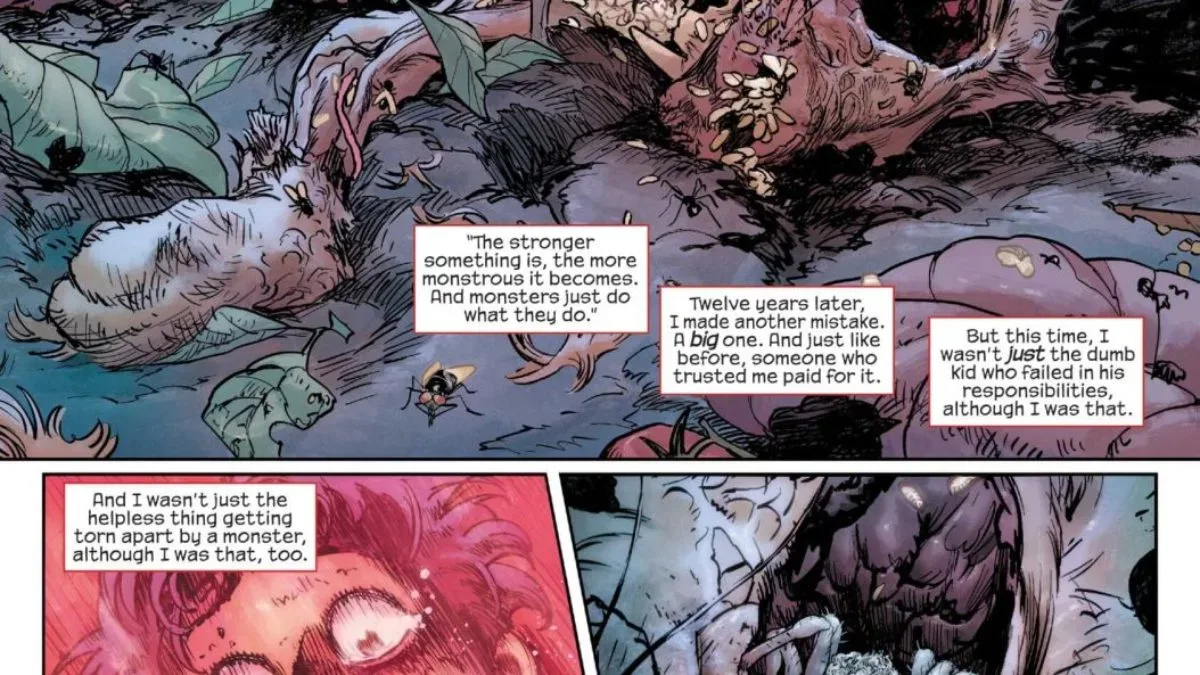
The listing does not specify the exact content behind the advisory, so readers should not assume a particular level of violence, language or horror from the rating alone. But the disappearance-driven premise, security-recording search and the title’s “Midnight” identity collectively suggest a more ominous tone than a light standalone adventure. The rating is useful purchasing information, especially for readers buying for younger Spider-Man fans, but it is not a plot summary.
Creative team, format and covers
Phillip Kennedy Johnson is credited as writer, with SCIETRONC on art. The standard cover is by Steve Beach. The issue is listed at 32 pages and $4.99 in the US, with a Canadian price of $6.25.
Collectors who follow cover art have several announced alternatives. The cover lineup includes Lucas Werneck’s Midnight Bloodbath variant, Leinil Yu’s Midnight Horror Homage variant, Simone Bianchi’s Midnight Gallery 1:25 variant, plus Peach Momoko’s Midnight Special variant and Midnight Special Virgin 1:50 variant.
The “1:25” and “1:50” labels identify retailer incentive variants. In simple terms, these are covers generally tied to a retailer ordering a stated number of qualifying copies, rather than standard editions that are simply ordered individually through normal channels. The supplied listing identifies the incentive ratios but does not state print quantities or guarantee a particular shop’s stock. Anyone seeking one should check with their preferred comic retailer rather than assume it will be on the shelf at release.
The word “virgin” in a comic-cover listing typically describes a version without the usual logo and trade dress across the main image. It refers to the cover presentation, not to a different story or expanded interior content. Again, the issue details provided here do not claim story differences between editions; the variants are cover options for the same numbered comic.
What readers can reasonably expect from issue #2
The available description supplies a direction, not an answer. Midnight Spider-Man #2 appears positioned to investigate Peter Parker’s disappearance alongside an escalating group of missing-person cases, with Oscorp’s search for a spider providing the clearest visible lead. The issue may explain the significance of that recording, connect the absences, or compound the mystery further. None of those outcomes is confirmed in the published details.
What is clear is the book’s choice of pressure points: Peter’s identity, the vulnerability of ordinary people, the unsettling authority of surveillance, and Oscorp’s involvement at the edge of the crisis. Rather than relying only on a villain reveal, the premise asks readers to look at what happens when the person usually expected to investigate a threat cannot be found.
Marvel followers tracking the wider brand across formats can also keep an eye on the developing Avengers: Doomsday crossover story, though no connection between that project and Midnight Spider-Man has been stated.
Midnight Spider-Man #2 arrives November 18, 2026. For prospective readers, the essential pitch is straightforward: Peter Parker is gone, three other New Yorkers are missing, and Oscorp is searching its cameras for a spider. In a Spider-Man comic, that should be a familiar image. In this one, it looks like the beginning of something much worse.