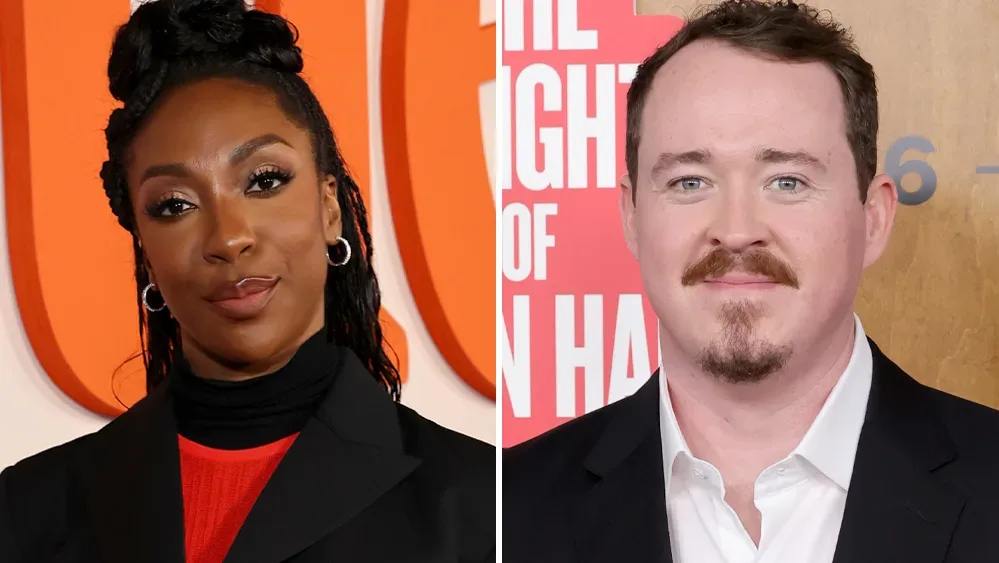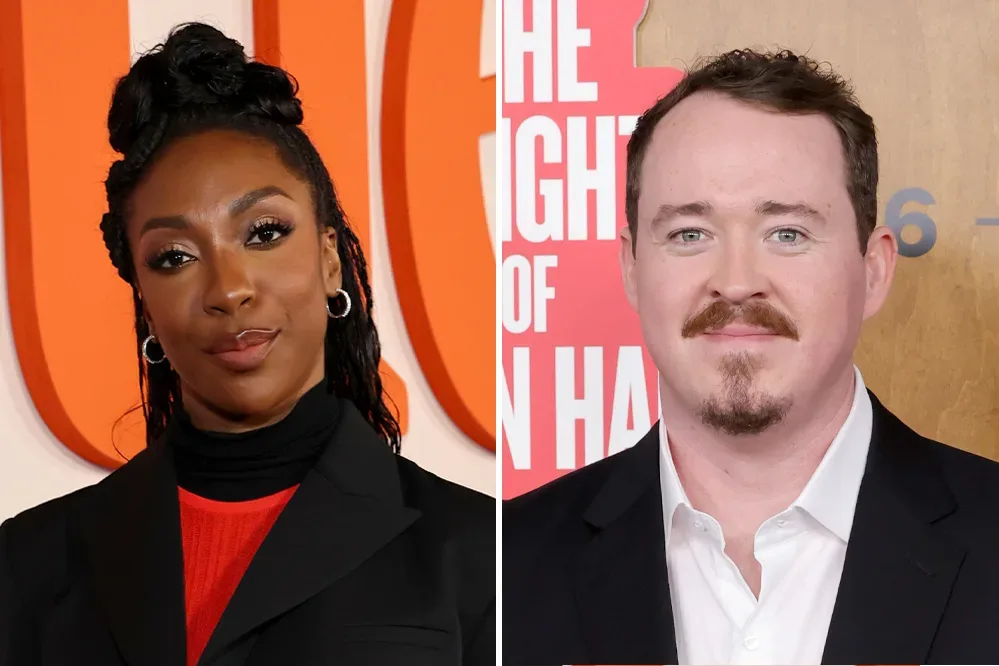
Ego Nwodim has offered a brief but unmistakable response to Shane Gillis’ Saturday Night Live monologue about women’s workout clothing. The former cast member posted a gym photo to her Instagram Story on Monday and captioned it, “whore reporting for duty,” directly repurposing the insulting language used in Gillis’ set.
Nwodim then shared an image of her post-workout food, writing that she was getting 30 grams of protein after “heauxing.” The two posts turn the premise of Gillis’ joke back on itself: rather than debating its framing point by point, Nwodim uses sarcasm to reject the idea that a woman’s gym clothes make her fair game for sexualized judgment.
What Gillis said in the monologue
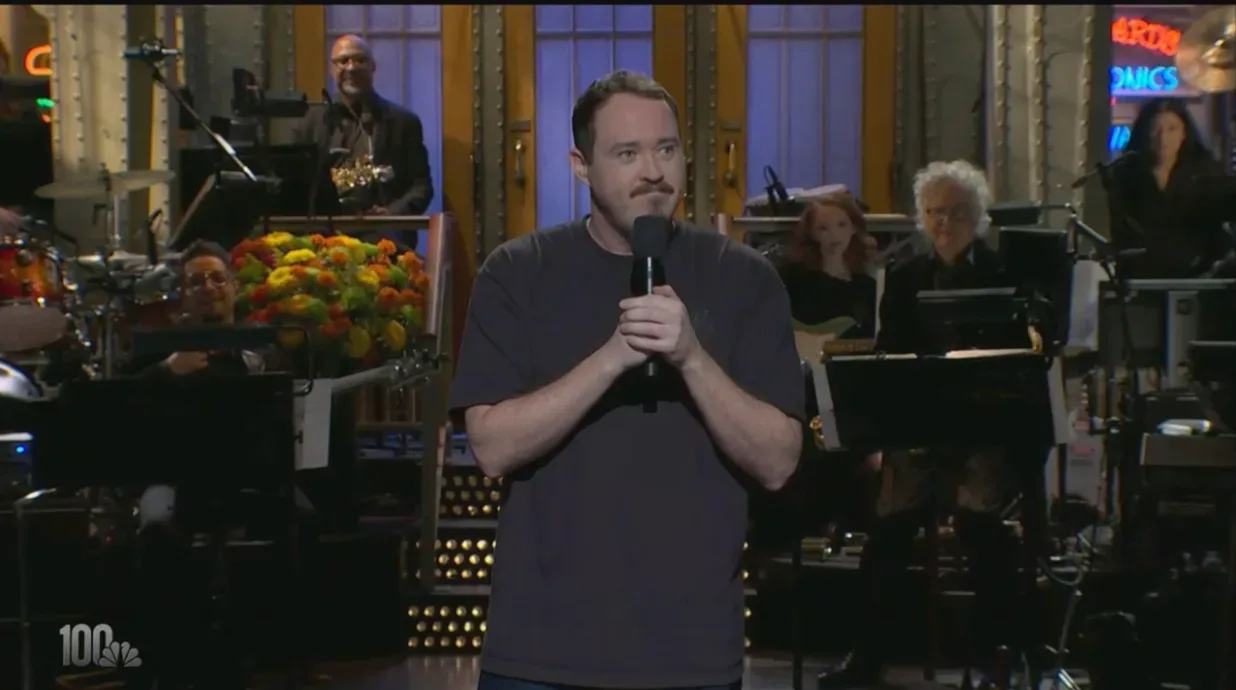
Gillis hosted Saturday’s episode and opened with material about returning to the gym after a long absence. In the bit, he referred to women in revealing athletic clothes with a derogatory sexual term, then described colorful shorts and joked about men being caught in the background of social-media videos if they look.
The monologue generated audience groans in the room and later spread widely online. Its disputed premise was not simply that gym fashion has changed, but that women’s clothing should be characterized through a sexual insult. The punchline also leaned on the idea of men watching women at the gym while fearing they may be filmed doing it.
That distinction matters. A joke about the increasing visibility of phone cameras in gyms, or the awkwardness of accidentally appearing in a stranger’s short-form video, is one possible comedy premise. Connecting it to a blanket insult aimed at women wearing athletic attire is another. The latter is why the material has attracted criticism from Nwodim and others.
Nwodim’s response uses irony rather than a direct statement
Irony is a mode of expression in which someone says or adopts language that means more than its literal surface reading. Nwodim’s captions do not indicate agreement with Gillis’ label. They deliberately exaggerate it, pairing it first with an ordinary gym appearance and then with the mundane recovery routine of eating protein after a workout.
The effect is compact and pointed. A gym visit, athletic clothing and post-exercise nutrition are routine parts of training; placing them beside the hostile label emphasizes how misplaced it is. Nwodim does not need to supply a lengthy rebuttal for the contrast to land.
Her answer also illustrates why social-media responses can become part of a larger entertainment story. A short post can function as criticism, commentary and performance simultaneously, especially when it responds to a televised comedy monologue already being argued over in public. It is less an attempt to litigate every word of the set than a choice to expose the joke’s target and assumptions.
Related coverage includes Ego Nwodim Answers Shane Gillis’ Gym Monologue With Instagram Post.
Dan Levy also criticized the bit
Dan Levy separately objected to the monologue in a post on Sunday. He wrote that women wearing short shorts at the gym are not made “whores” by their clothing, and that men who apply that label are behaving misogynistically. Levy also argued that men should actively oppose rhetoric of that kind rather than treat it as an ordinary debate topic.
Levy’s objection places the episode in a broader discussion about the difference between observing clothing and assigning moral or sexual meaning to the person wearing it. Gym apparel is designed around movement, temperature and comfort as well as individual style. Whatever a viewer thinks of a particular trend, that does not establish anything about a stranger’s character or intentions.
His comments additionally focus on responsibility from bystanders. That is an important part of the disagreement around the monologue: criticism is not limited to whether a comedian may make a provocative joke. It also asks how an audience, a workplace or a wider culture responds when a joke treats women’s bodies as public property for scrutiny.
Why the response resonates beyond one sketch-show segment
Saturday Night Live has long been a major venue where a host’s opening monologue can travel far beyond the original broadcast. The format is especially exposed to rapid online reaction because the monologue is built around a single performer speaking directly to a live audience, rather than characters in a scripted sketch. A line that gets a mixed or negative response in the studio can quickly become the central subject of the episode’s afterlife online.
That does not mean every strong reaction settles the question of whether material works as comedy. Comedy can be confrontational, awkward and intentionally uncomfortable. But “it was a joke” does not erase the choice of target, framing or language. Viewers can reasonably conclude that a bit was unsuccessful, unfair or revealing even if it was delivered within a comedic setting.
Nwodim’s post offers a contrasting comic approach. Gillis’ material puts women at the center of its judgment; Nwodim makes the judgment itself look ridiculous. Her response is especially economical because it does not require viewers to know anything beyond the immediate context: a person works out, eats afterward, and refuses to be defined by someone else’s insult.
The exchange arrives after Nwodim’s departure from the series ahead of its current 51st season. She joined the cast in 2018 and spent seven seasons on the program. Her history with the show gives the post an added layer of interest, but the message itself remains focused on the monologue’s premise rather than on offering inside commentary about the production.
For viewers following the show’s larger place in television comedy, the story is another reminder that SNL’s cultural footprint is not confined to the sketches that air live. Cast alumni, hosts and audiences all help shape the conversation after an episode ends. For another recent look at the institution’s enduring TV legacy, see the 30 Rock 20th-anniversary benefit and its live TGS reunion.
The practical distinction at the center of the debate
The most useful takeaway from the backlash is simple: noticing that another person is present is not the same thing as treating their appearance as an invitation to evaluate or sexualize them. Gyms are shared public spaces, and people attend them to exercise. Clothing may be bright, fitted, practical, fashionable or all of those at once. None of those qualities makes a person responsible for a stranger’s reaction.
Nwodim’s response does not attempt to make a sweeping statement about all comedy, fitness culture or social media. It is a narrow, humorous answer to a narrow insult. Yet its reach comes from how clearly it identifies the underlying issue: women should be able to participate in ordinary activities, including working out, without being reduced to a derogatory label.