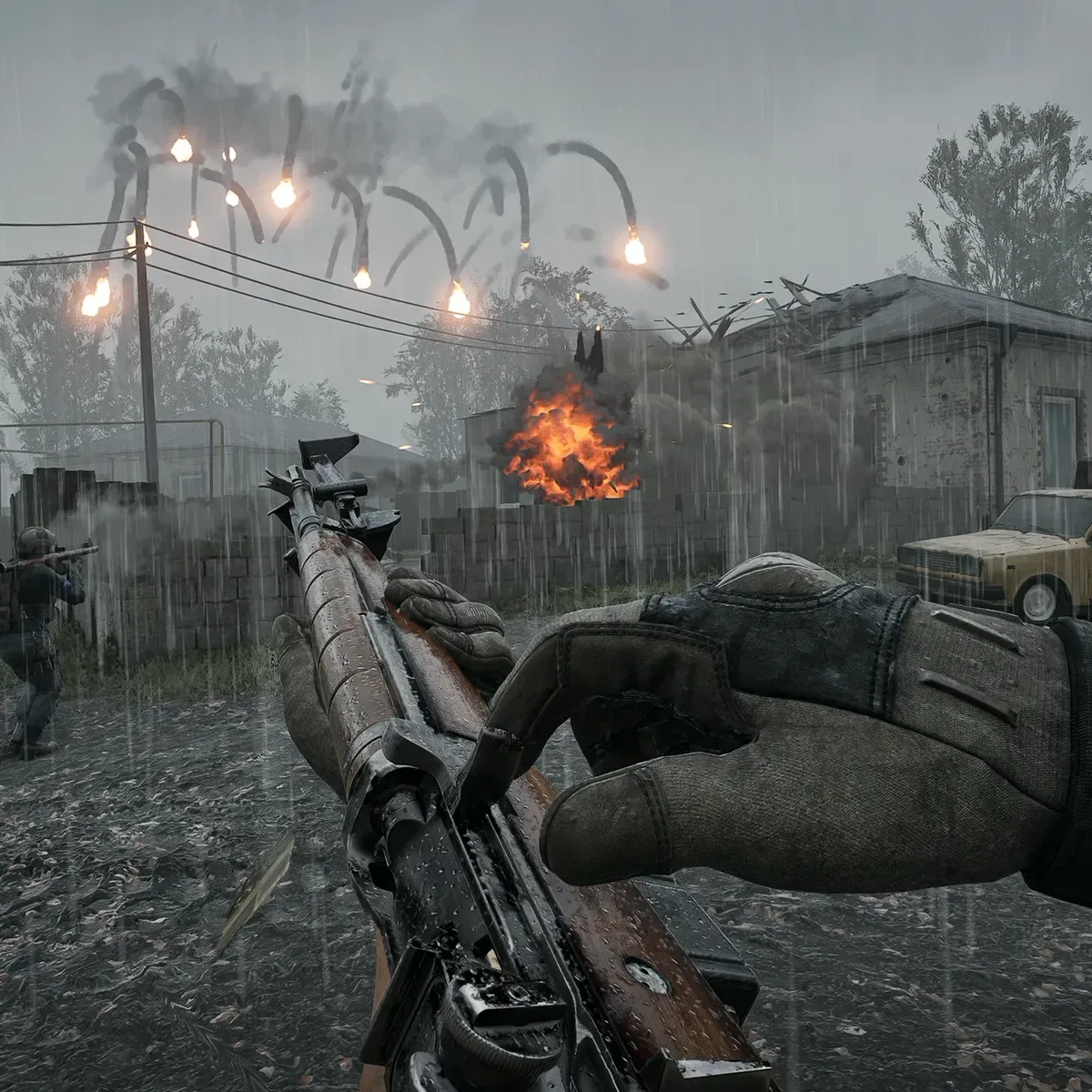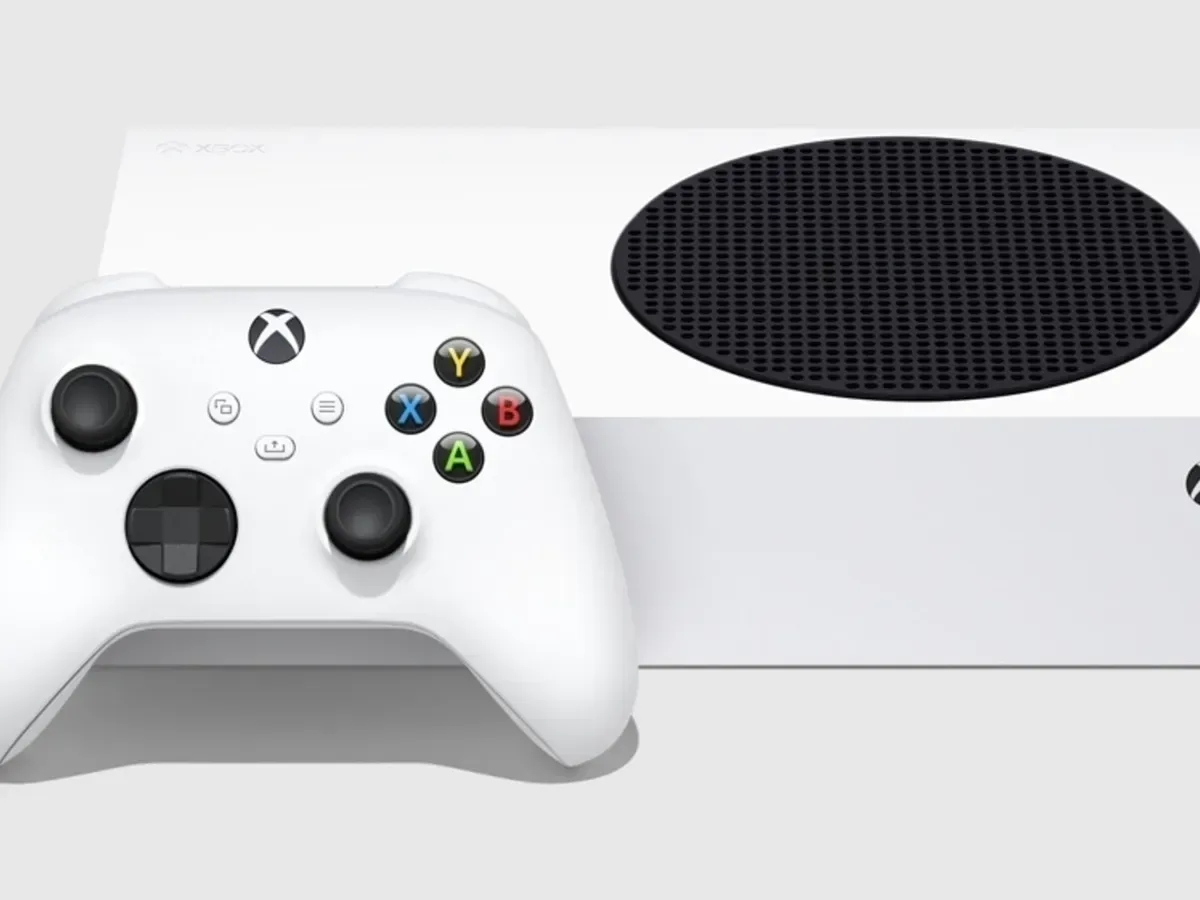
Wardogs Season 2 is bringing rain, not meteorology. Bulkhead’s planned weather effect will be a constant downpour for the entirety of a match rather than a system that shifts from clear skies to storm clouds midway through play. The distinction comes down to performance planning, and the studio has identified Xbox Series S as a major constraint it must account for as it builds toward a console release currently planned for 2028.
That is not a declaration that dynamic weather is permanently off the table. Bulkhead CEO Joe Brammer said the studio would like to explore it eventually, but there is no team actively working on it. For now, the practical choice is a fixed rainy condition: a match begins wet, remains wet, and avoids the extra technical work of changing environmental conditions while players are already in the action.
Wardogs Season 2 is due October 15. Its rain feature may sound like a narrow visual detail, but the explanation behind it is a useful look at how a multiplayer game’s future platforms can influence decisions well before that version exists.
Why a fixed storm is easier to plan for
Dynamic weather means the game can alter conditions during play: rain might begin, intensify, stop, or give way to clearer skies. Such systems can affect more than the view outside the proverbial window. They may require the game to update lighting, atmospheric effects, water on surfaces, particle effects such as rainfall, and other presentation elements as a match continues. The exact technical workload varies from game to game, and Bulkhead has not detailed Wardogs’ internal implementation.
Persistent rain takes a more predictable route. Instead of asking the game to transition between several weather states at runtime, Bulkhead can build a match around one continuing rainy state. That does not make rain free from performance cost, but it provides a stable target. In a competitive multiplayer setting, stability is valuable: a feature has to work consistently for all players and across the platforms the game supports.
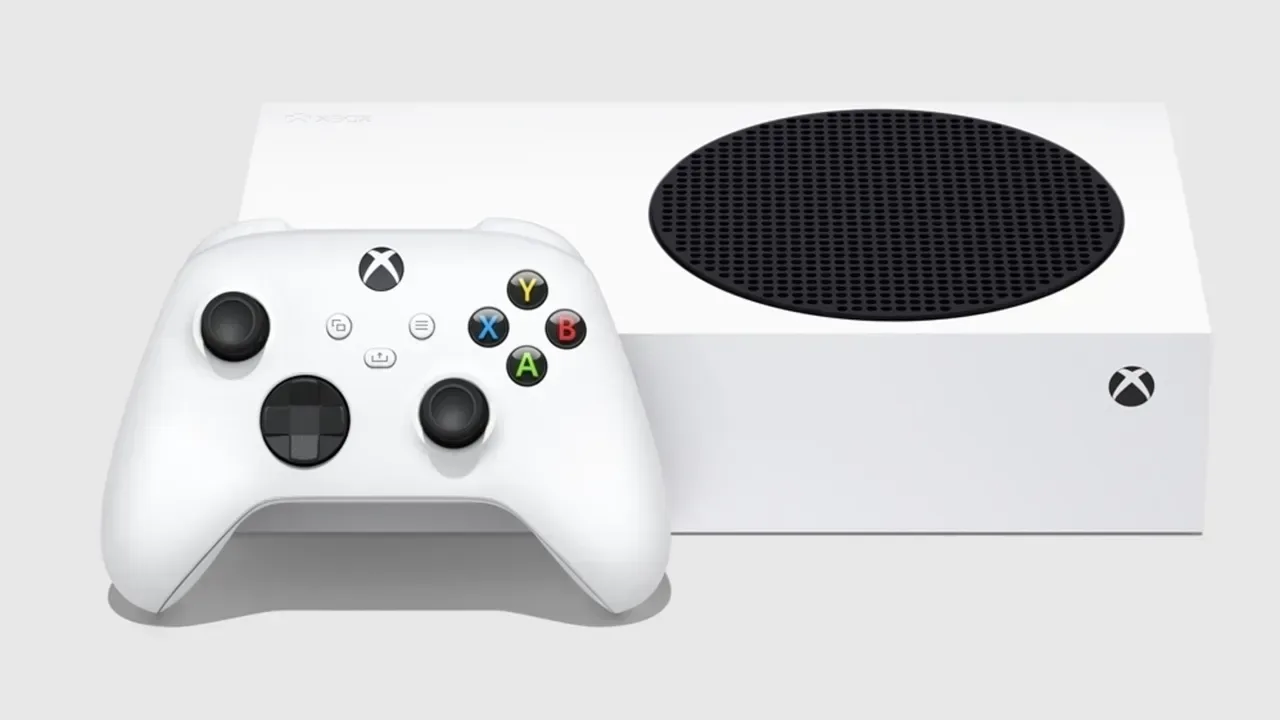
Brammer said performance is the reason the studio is not pursuing dynamic weather now. He characterized the Series S as low-end hardware for a game such as Wardogs and said every addition needs to be considered with the console in mind. That is a forward-looking concern as much as an immediate one. Wardogs will not reach consoles until 2028, but the systems being made today can be much harder to rework later if they were not designed with controller and console limitations in mind from the start.
The rain, then, is not simply an absent flourish. It is an example of the trade-offs behind a cross-platform production: a game can aim high visually, but it also needs to hold its frame rate and remain functional at its lowest required hardware target. Sometimes that means the storm arrives before the match and politely agrees not to change its mind.
What Series S feature parity means for Wardogs
Microsoft launched Xbox Series S alongside Xbox Series X in November 2020. The two consoles sit at different performance levels, but Microsoft’s current policy requires games to launch on both systems or neither, with the main features aligned between versions.
Related coverage includes Wardogs Team Says Xbox Series S Limits Dynamic Weather Plans, but Helps Drive PC Optimization.
Feature parity does not necessarily mean identical resolution, graphical settings, or frame-rate targets. It means the core experience and principal modes are expected to be available across both versions. That policy gives Series S owners access to the same game ecosystem, but it also means developers designing a demanding feature cannot simply assume it will be exclusive to Series X.
For Bulkhead, this makes Series S a baseline rather than a late-stage porting chore. Howard Philpott, the studio’s co-founder, said the hardware limits how far developers can push boundaries, while also forcing the team to remain aware of performance from the outset. In the case of dynamic weather, the studio’s ambition exists, but it would need a careful solution that does not damage performance.
This is not an isolated industry tension. No Rest for the Wicked’s Xbox release was delayed amid Series S difficulties, while Baldur’s Gate 3 reached Xbox months later than other platforms and required assistance from Microsoft engineers to get split-screen co-op working on Series S. Those examples involve different games and different technical issues, so they do not predict Wardogs’ path. They do demonstrate why the smaller Xbox has remained part of discussions about cross-platform development.
For players, the important practical point is that the Series S is part of the design equation whether they play on Xbox or not. A system that must work there can influence the scope, timing, and implementation of features across the entire game. In Wardogs’ case, the visible result is that the first rain system is static through a match rather than an evolving forecast.
The less obvious upside: a lower PC performance floor
Bulkhead does not present the Series S solely as a roadblock. Philpott said targeting it has helped push the team to improve Wardogs’ performance on lower-spec PCs. That objective aligns with the studio’s stated goal of letting as many people as possible play with friends, while also plainly broadening the game’s potential audience.
Optimization is the process of making a game use its available hardware resources efficiently. It can involve many different areas—how graphics are rendered, how effects are handled, how memory is managed, or how systems are scheduled—but Bulkhead has not specified the individual techniques it is using for Wardogs. The relevant point is its stated design pressure: working to a lower console baseline encouraged the team to care about machines below the high-end PC tier.
That does not mean every low-spec PC will automatically run Wardogs, nor has Bulkhead provided system requirements in the material available here. It also does not mean a console version and a PC version have identical technical constraints. Rather, the studio sees value in treating performance work as core development rather than an afterthought reserved for the final stretch.
There is a meaningful player-facing benefit to that approach. Multiplayer games are social products. A higher hardware barrier can split groups between friends with newer systems and friends whose PCs need settings that are more forgiving. Wardogs’ team says accessibility across a broad range of machines is central to its aims, and Series S has provided a tangible performance target for that work.
Readers following the game’s second season can also catch up on its other immediate priorities in our look at Wardogs Season 2’s team-balance measures. The weather decision belongs to a different part of development, but both stories show a team dealing with the unglamorous reality of live multiplayer work: every system has to survive contact with actual players, actual hardware, and actual matches.
Controller support became a planning lesson
Console-minded development is not only about graphics and weather. Bulkhead has also described controller support as an area where its early priorities caught up with it.
The studio initially focused on a PC early-access release and treated controller support as a later consideration. Player demand was much stronger than expected, prompting the team to add it quickly. Philpott described the result as serviceable but in need of significant improvement. Senior producer Kane Allard said the experience made the studio recognize that systems should be created with consoles and controllers in mind from the beginning.
This distinction matters because controller support is more than mapping buttons to keyboard functions. Game interfaces, menus, inputs, aiming behavior, navigation, and the pace at which players access commands can all need consideration when a controller becomes a primary input method. Retrofitting those elements after existing systems are established can create substantial extra work, which is what Bulkhead says happened here.
To help give controller play additional attention, Philpott said Bulkhead hired a professional Halo player. The studio has not laid out specific changes that person will make, but the move signals that controller quality is no longer being treated as a box to tick before a distant console launch.
There is a broader production lesson in Bulkhead’s comments. Hardware support, input design, performance budgets, and feature ambition are connected. A game conceived first for one platform can be brought elsewhere, but every delayed consideration can become a difficult retrofit. Bulkhead’s plan is to carry that lesson into everything it adds to Wardogs from here.
What has changed now, and what remains only an ambition
Players should separate confirmed Season 2 content from longer-term possibilities. The confirmed near-term addition is persistent rain, arriving with Season 2 on October 15. It will remain active through a match. Dynamic weather—the ability for conditions to change during that match—is something Bulkhead would like to investigate, but it is not in active development and has no announced timetable.
Likewise, Wardogs is planned to come to consoles in 2028, not during this Season 2 rollout. The studio’s comments explain why console considerations are already influencing the project, but they do not announce a new release date, a platform-specific feature list, or any guarantee that dynamic storms will eventually appear.
The candid part of Bulkhead’s position is that Series S places limits on what the studio can attempt. The constructive part is that the same limit has made it prioritize better performance on lower-end PCs and rethink controller support earlier in development. Wardogs’ storm clouds may be currently fixed in place, but the design work beneath them is clearly still moving.