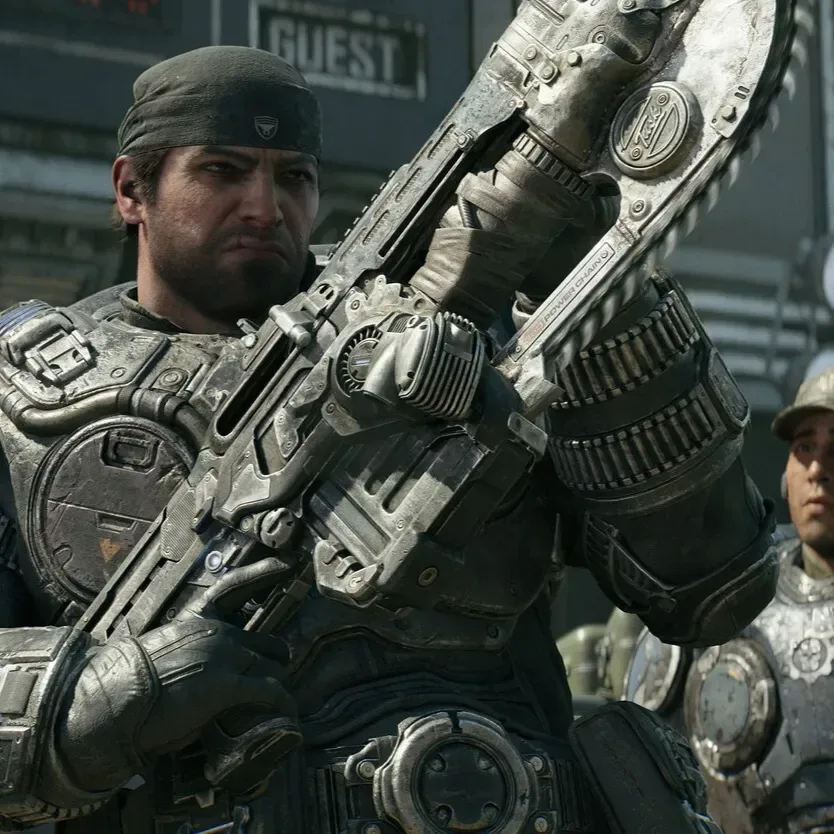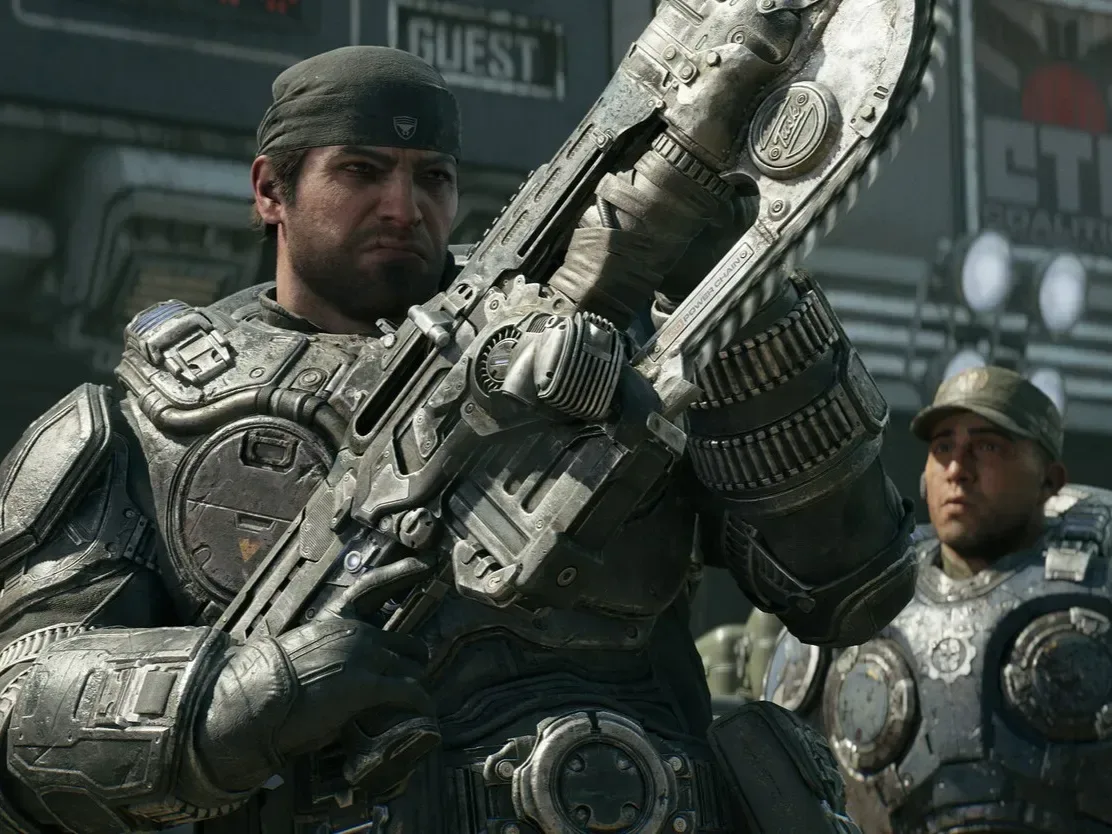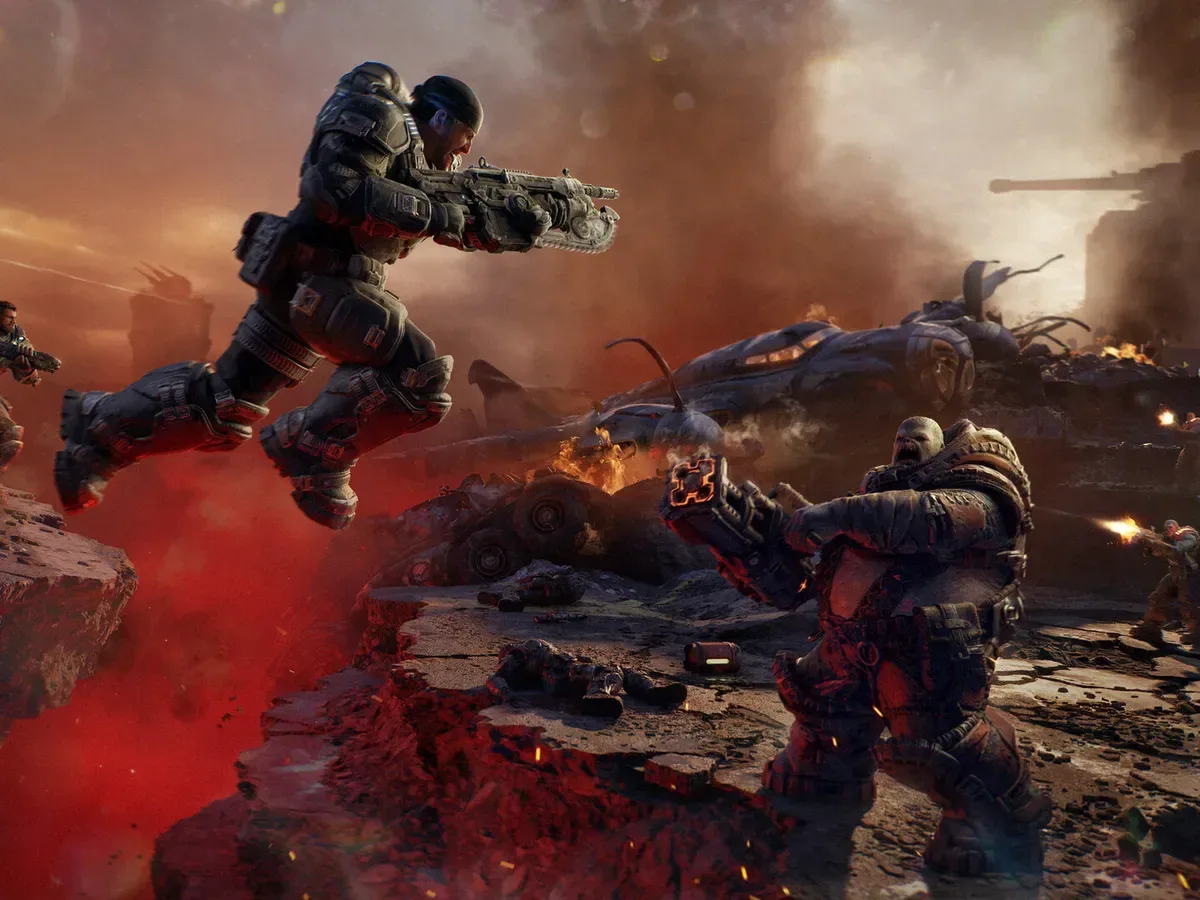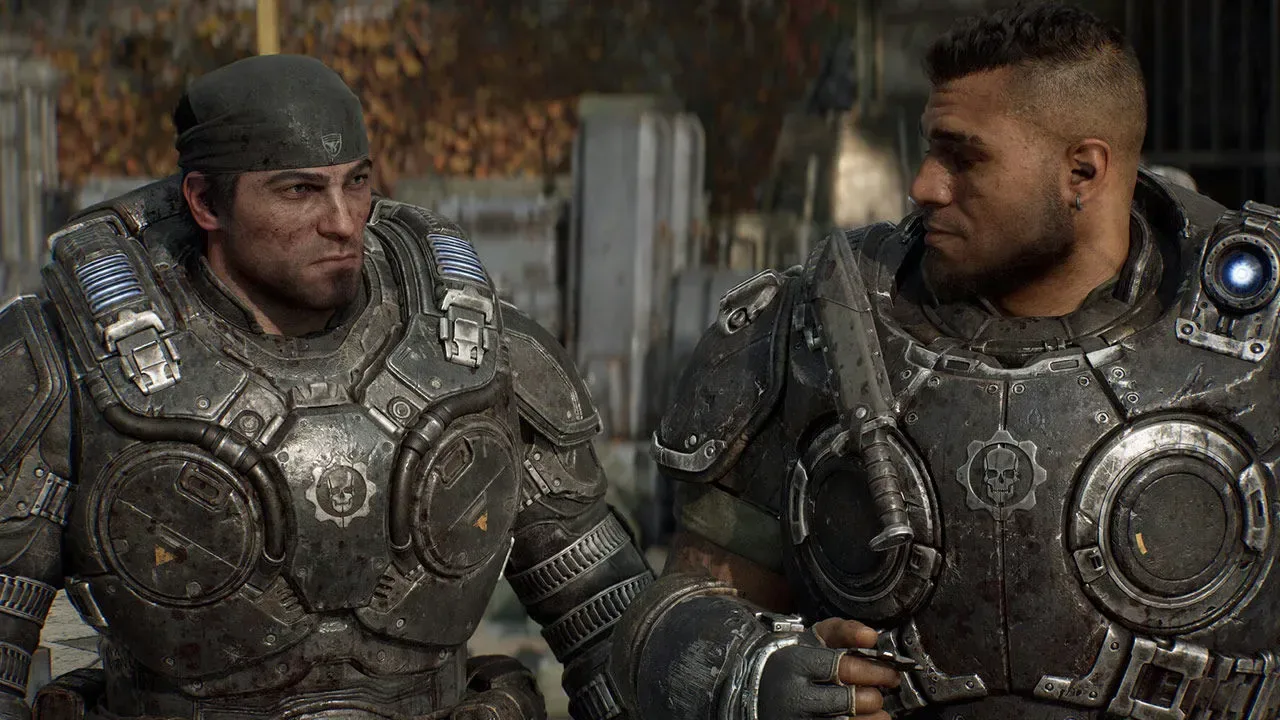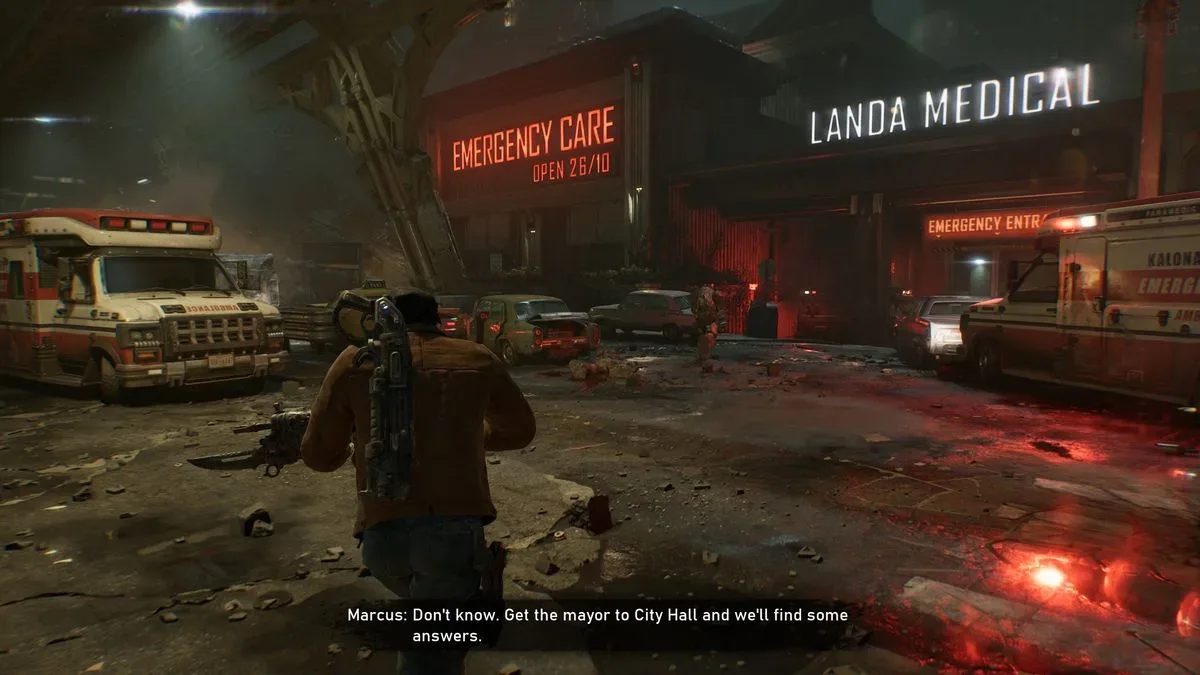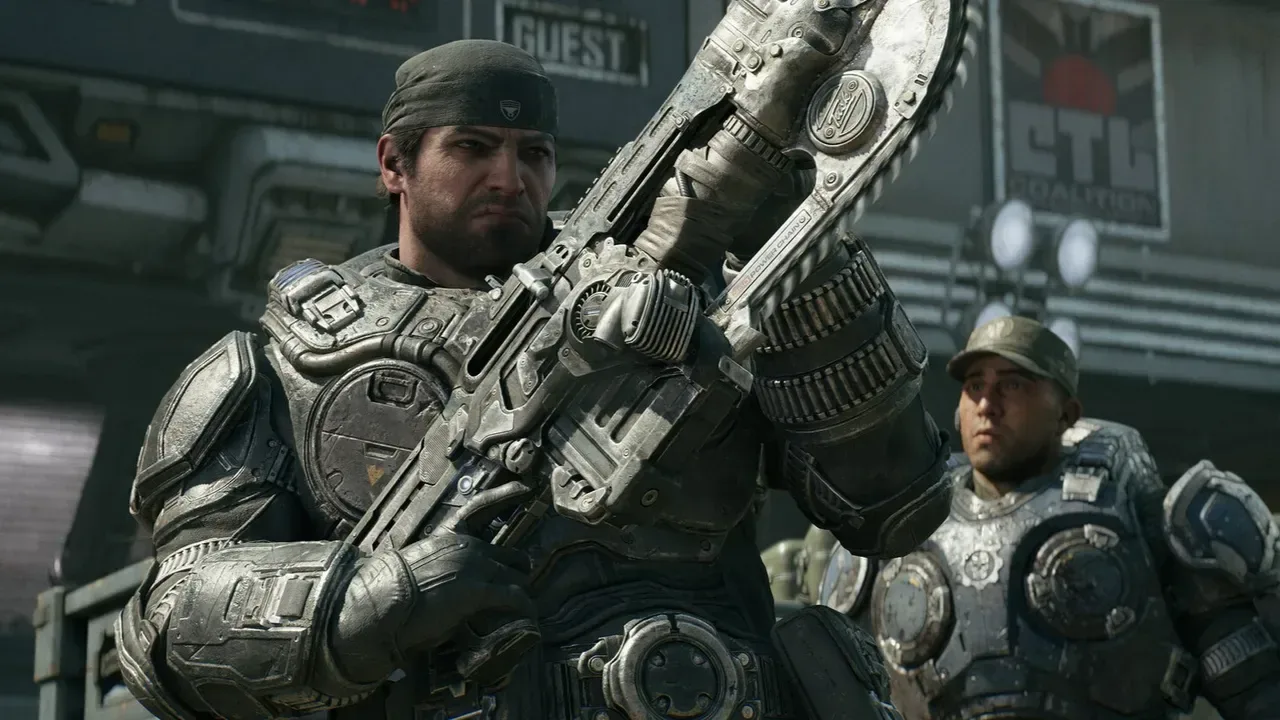
Gears of War: E-Day is being framed as an Xbox statement piece, not simply a new entry expected to maximize sales across every available console. The Coalition studio head Mike Crump has defended the game’s Xbox-only release strategy by arguing that the series remains deeply tied to the Xbox brand and has a role to play in demonstrating the platform’s capabilities.
That is a notable position for a franchise whose broader platform history has recently become less clear-cut. Gears of War: Reloaded arrived on PlayStation 5 last year, establishing that Gears itself is no longer categorically confined to Xbox hardware. Yet E-Day, which was removed from a planned PS5 release earlier in 2026, has launched as an Xbox exclusive. Crump’s explanation is that the decision is based on a wider definition of success than copies sold or player-retention metrics.
For players, the immediate result is straightforward: E-Day is intended to be a flagship Xbox experience. For the business behind it, the implications are more complicated. A single-platform release can limit the game’s potential direct audience, but the company sees value in a major franchise that gives people a reason to participate in the Xbox ecosystem and puts the hardware in the spotlight.
What Xbox exclusivity means in this case
Crump characterized Gears as a franchise entwined with Xbox after two decades of association. That history matters to the argument, but it does not mean every Gears release must follow precisely the same publishing path. The release of Reloaded on PS5 is the clearest evidence that the series can reach beyond Xbox when the publisher chooses to do so.
E-Day therefore represents a specific strategic choice rather than a blanket statement that Gears can never appear elsewhere. Its platform plans changed earlier this year, and Crump’s comments present that change as deliberate: the game is meant to help carry Xbox’s banner.
In practical terms, an exclusive is not only a product unavailable on a competitor’s console. It can also be a platform showcase: a game used to communicate why a particular console, its technical design, and the ecosystem around it are worth choosing. The value of that role is difficult to reduce to a single sales number. It can affect brand perception, hardware interest and the appeal of staying within a platform’s game library.
That does not erase the conventional logic of wider distribution. All else equal, launching on an additional major console would create access to more potential buyers. Crump did not dispute the importance of commercial outcomes; rather, he described a broader scorecard that includes whether the game showcases the platform and demonstrates what Xbox hardware can do.
A technical showpiece is part of the pitch
Crump said The Coalition’s objective was to make the best-looking game on Xbox and show what is possible on the hardware. The claim positions visuals and technical execution as central to E-Day’s purpose, not merely welcome extras around its campaign.
Related coverage includes Gears of War: E-Day Studio Head Says Xbox Exclusivity Is Central to the Series' Role.
That is especially relevant because the game is designed for both Xbox Series X and Xbox Series S. The two consoles do not offer the same level of performance, so a release intended to impress across both machines presents a meaningful development challenge. The available account describes the game as looking impressive on both systems and says the team relied on page-file techniques to help it run smoothly on the less powerful Series S.
A page file is storage space the system can use as an extension of working memory when needed. It is not a magic source of extra performance; its relevance here is that it is one of the tools developers can use while managing memory-heavy workloads. The specific implementation is not detailed, so it would be premature to draw conclusions about exactly how The Coalition used it. What the detail does underline is the balancing act involved in aiming for high-end presentation while supporting two consoles with different levels of hardware capability.
“Pushing the hardware” is also broader than simply chasing sharper graphics. In a big action game, technical ambition can involve how much appears on screen, the complexity of environments, lighting, animation, effects, performance stability and the way all of those systems work together. Crump’s comments make clear that Xbox hardware demonstration was an explicit success criterion for the studio.
That creates a different lens through which to judge the release. If the sole measure were sales reach, excluding PS5 would look like a constraint. If one measure is whether a Gears game makes Xbox systems look compelling, focus and exclusivity become part of the intended message. Those two perspectives can coexist, and the tension between them is precisely why the platform choice is consequential.
The game’s reception gives that strategy some support
Strong technical ambitions only help if the game itself lands. On that front, Gears of War: E-Day has received a favorable critical response, including a 9/10 assessment that praised its return to Marcus Fenix, Dom Santiago and the threat of the Locust Horde.
The campaign is a prequel set before the events of the first Gears of War. That gives it an unusual storytelling challenge: familiar characters and an established future mean the broad destination is already known. The positive assessment argues that the game still gives the prequel emotional weight through its characters, while updating the enemies, weapons and combat expected of a Gears campaign.
The story also leaves a significant amount of chronology between E-Day and the first game. The campaign ends with 10 years still remaining before Marcus is imprisoned ahead of the original Gears of War. That gap naturally leaves room for additional stories set in the same period, though no future installment is confirmed by that fact alone.
For Xbox, a well-received Gears prequel is more useful as a platform showcase than a merely attractive game that struggles to connect with players. A technical demonstration has limited persuasive power if it does not also provide a satisfying game. Conversely, positive feedback on the campaign, combat and returning characters gives the hardware-focused presentation a stronger foundation.
Sales still matter—even under a broader definition of success
Crump’s argument should not be read as a declaration that commercial performance is irrelevant. It is better understood as a claim that sales and retention are not the only measurements. The Coalition wants E-Day to be loved by players, to represent the series effectively and to fulfill a technical mission for Xbox.
Still, the trade-off is real. A PS5 version could have expanded the addressable audience, while an Xbox-only launch narrows where the game can be bought. Whether the platform benefits compensate for the missed opportunity depends on internal measures that are not publicly detailed: engagement, ecosystem impact, the game’s ability to promote the hardware, and its overall financial performance.
The discussion arrives amid a wider restructuring period at Microsoft, which makes questions around major releases especially sensitive. Following the launch, developers at The Coalition reportedly expected layoffs. Crump subsequently addressed the concern by emphasizing that the team had shipped a game it believes players will love. That is reassuring language, but it is not a guarantee about staffing outcomes.
There is also a practical production question beyond the current game. The Coalition has indicated that its next Gears project should take less time than E-Day, an issue explored in the studio’s comments on future Gears development and layoff anxiety. Shorter development cycles can matter for any studio, particularly when a flagship series is expected to support both creative ambitions and broader platform goals. But faster delivery should not be assumed until it is reflected in an actual release timeline.
Why the decision matters beyond one release
Gears of War: E-Day sits at the intersection of several competing priorities: preserving the identity of a long-running Xbox-associated series, reaching as many customers as possible, and using a marquee game to exhibit the capabilities of current Xbox consoles.
Crump’s comments answer the central question from the studio’s point of view. The Coalition did not treat exclusivity as an accidental limitation. It treated it as part of the game’s job. The studio wants E-Day to communicate what Xbox can do, particularly through a visually ambitious release that runs on both Series X and Series S.
Whether that proves to be the right long-term business balance will depend on more than reviews, visual analysis or brand association. Sales will remain part of the assessment, as will player response and the game’s wider effect on the Xbox ecosystem. What is clear now is that The Coalition is asking audiences to view E-Day not only as another Gears campaign, but as a purpose-built Xbox flagship.