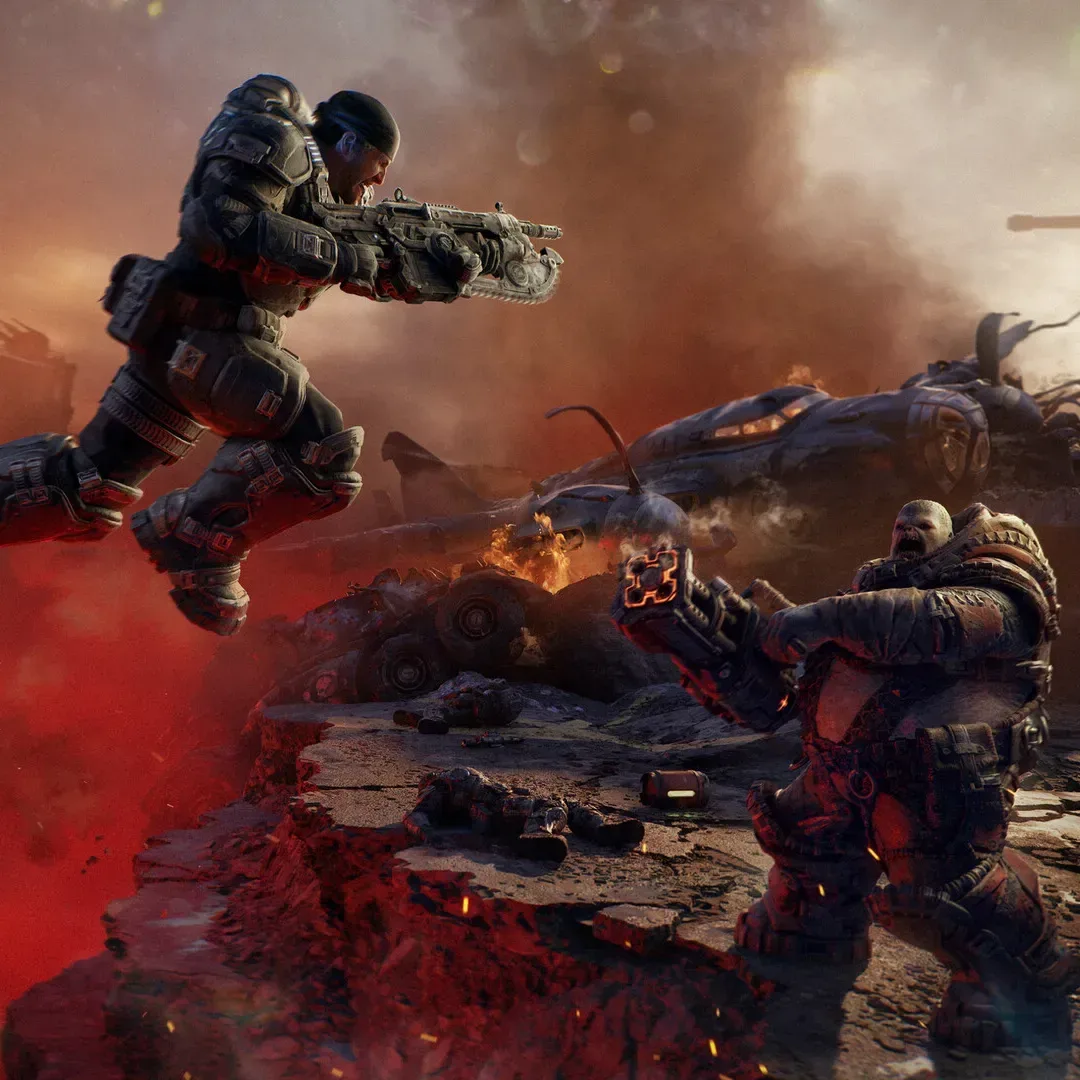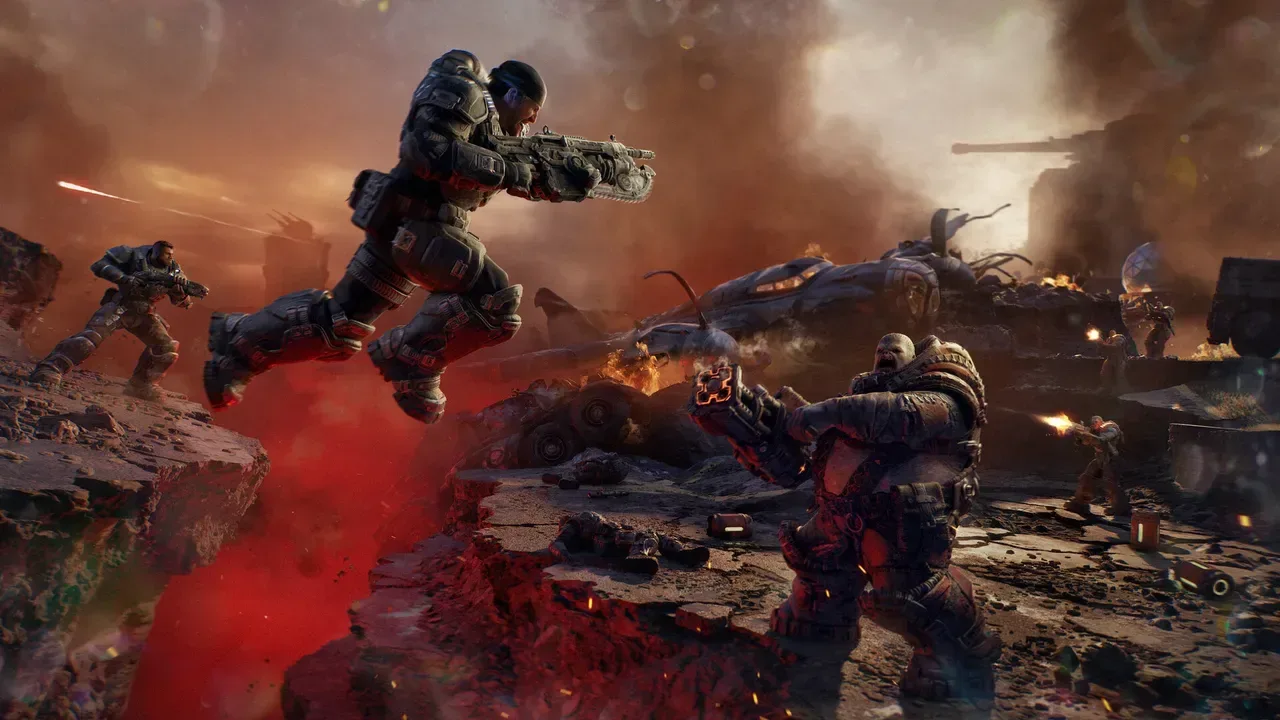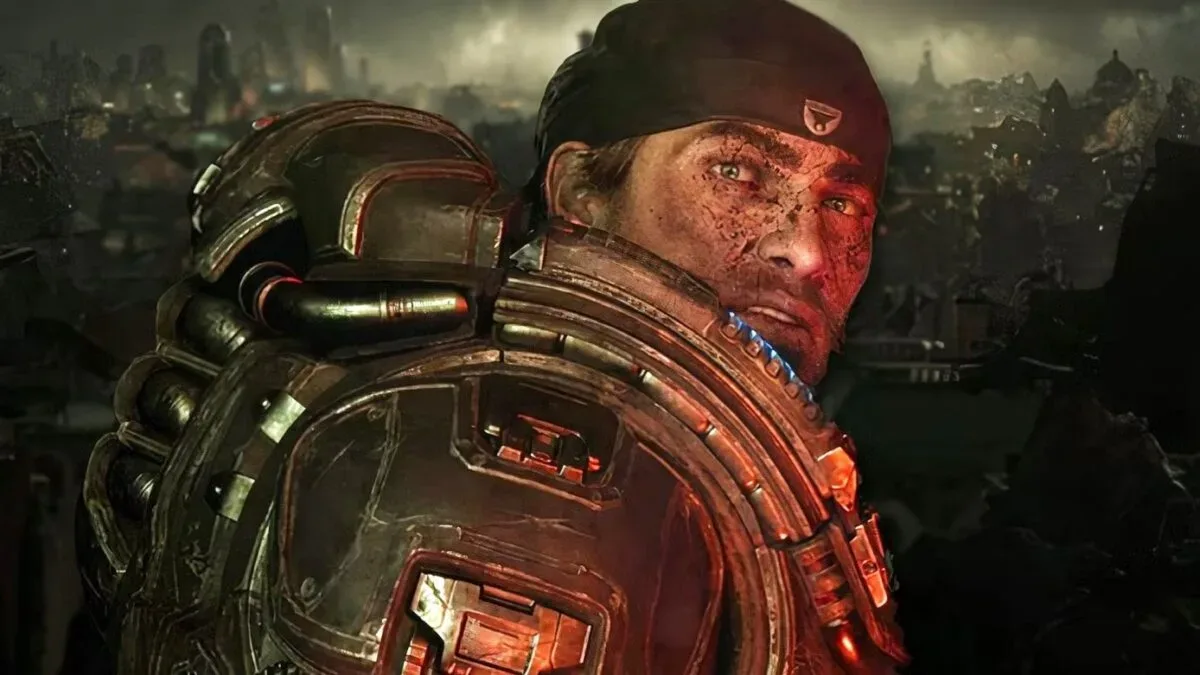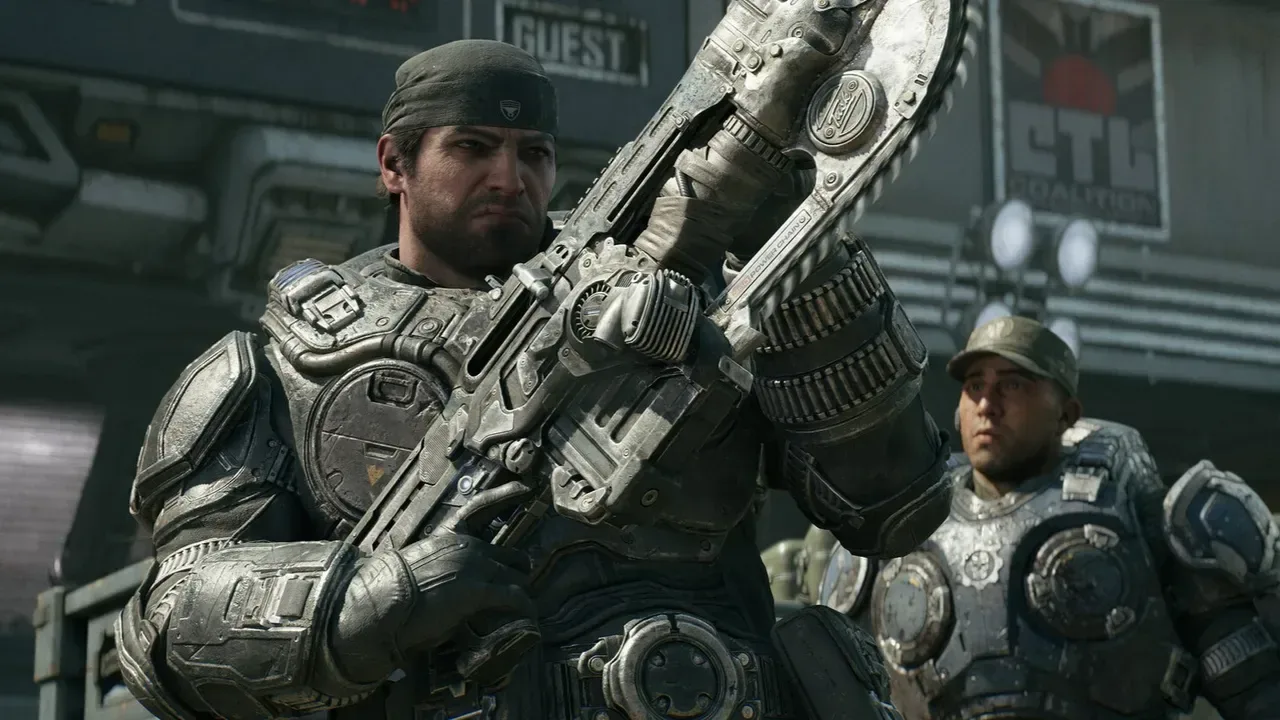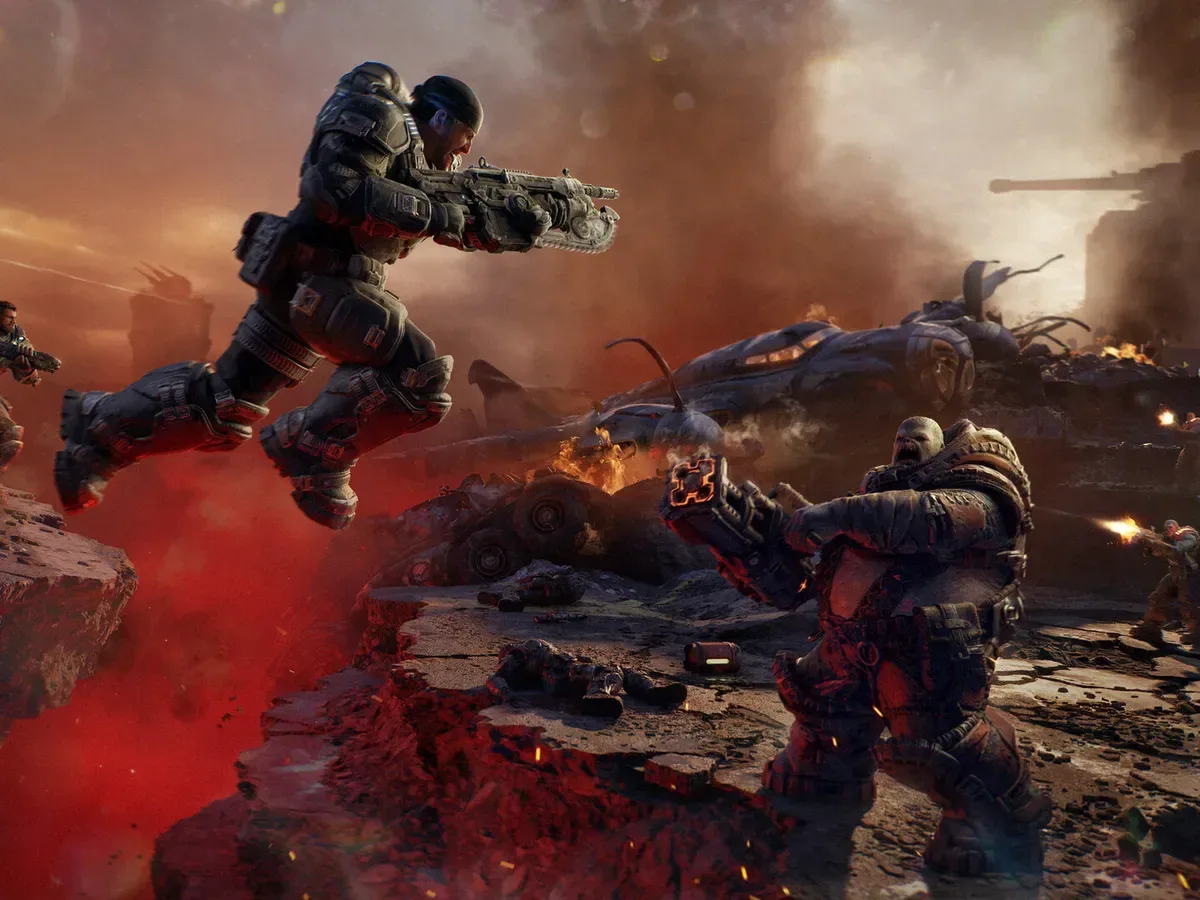
The Coalition studio head Mike Crump has indicated that Gears of War: E-Day is intended to be a springboard for further games in the series, while offering an unusually direct expectation about development time: the next Gears project should not take nearly as long to create.
That forward-looking note comes with a major caveat. It does not identify the next game, give it a release window, or constitute a formal project announcement. More importantly, it arrives while employees at The Coalition are reportedly concerned about possible job losses or a restructuring after E-Day’s release amid continuing cuts across Xbox.
For Gears fans, the news creates two simultaneous stories. There is a reason to think Microsoft still sees a future for the franchise beyond its prequel. But there is no publicly stated assurance that the studio will avoid the kind of workforce reductions and organizational changes that have affected other parts of Microsoft’s gaming business.
A shorter development cycle is an ambition, not a schedule
Crump described E-Day as a “great foundation” for future games and said a subsequent Gears title would not take nearly as long to make. In practical terms, a foundation usually means a team can carry forward work that has already been established rather than beginning every major production decision from zero.
That can include production knowledge, technical workflows, game-design processes, and assets or systems that are suitable for reuse. None of those specifics were detailed here, and it would be wrong to assume which elements might transfer to another game. Still, the broad implication is clear: a studio that has completed a substantial project can potentially move more efficiently on a follow-up than it could while building the initial base.
It is also important to separate that claim from a release promise. “The next game” could refer to a future Gears project without revealing its scope, place in the series, platform plans, or timing. Faster than E-Day is a relative statement, not a calendar date. Development length can be affected by staffing, the scale of a project, creative direction, technology needs, testing, and wider business decisions.
The discussion around game-making tools and evidence for promised efficiency gains remains relevant across the industry; recent scrutiny of AI game-development claims is one reminder that claims about faster production require context. In The Coalition’s case, Crump’s comment points to existing franchise groundwork, not a claim that a particular new tool will transform development.
What E-Day means for Gears of War’s larger story
Gears of War: E-Day is a prequel, rather than the immediate continuation of the ending of Gears 5. That distinction matters because Microsoft had said in June 2024 that it planned to continue Gears of War’s story and resolve the cliffhanger left by Gears 5, even as it chose to make E-Day first.
Related coverage includes The Coalition Says the Next Gears of War Game Should Take Less Time After E-Day.
As a result, a future game could theoretically serve several different roles: a continuation of the unresolved narrative, another project set elsewhere in the timeline, or something different again. The available information does not settle that question. Crump’s remarks establish an intent to build from E-Day, but they do not confirm that the next game will be a direct sequel to either E-Day or Gears 5.
That uncertainty is not trivial for players invested in the series’ ongoing plot. A prequel can broaden a franchise’s history and provide a new entry point, but it does not itself answer the narrative question left open by the previous mainline game. Microsoft’s earlier commitment to continue the story remains the clearest indication that the cliffhanger has not been abandoned, while the current comments suggest E-Day is being viewed as part of a longer-term path rather than a one-off detour.
Layoff concern hangs over the studio
The potential future of Gears is being discussed against a difficult employment backdrop. Reports earlier in the month described serious internal concern that layoffs could affect The Coalition after E-Day. Employees were said to be wary of celebrating the game’s release too soon, fearing a further round of cuts or a possible reorganization later in the year.
Crump did not provide a commitment that The Coalition would be protected from layoffs. Instead, he said the team needed to focus on what it could control: shipping a game that people would enjoy. He said he believed the team had done that.
That response is understandable as a statement of a studio leader’s immediate priorities, but it does not answer the employment question. A studio can deliver a successful release and still be affected by decisions made at a parent-company level. For staff and observers, the difference between confidence in the game and certainty about the studio’s future is the crucial one.
The Coalition has largely avoided the cuts described so far, although E-Day’s story director was laid off one week before the game’s early-access launch. That detail helps explain why concern has persisted even where the studio has not, to date, faced the scale of reductions reported elsewhere in the Xbox organization.
Xbox’s restructuring makes the concern more than hypothetical
Xbox CEO Asha Sharma’s reset of Microsoft’s gaming operations has already resulted in nearly 2,000 job cuts during the current financial year, with further reductions anticipated. Several studios have departed the business or are in the process of shutting down.
Microsoft has also moved studios into new organizational groupings. Rare, the developer associated with Halo and Sea of Thieves, has been placed under Activision, the developer behind Call of Duty. Obsidian, the developer of Grounded, has been placed under Bethesda, the developer behind Fallout. These shifts show that the company’s changes are not limited to individual job reductions; they also involve revising reporting structures and studio relationships.
Restructuring in this context refers to changing how teams and businesses are organized and managed. It can include moving a studio under a different division, altering leadership or reporting lines, consolidating functions, or reducing staff. The reports of concern at The Coalition referenced both layoffs and the possibility of being reorganized, which are related but not identical outcomes.
There is no confirmation in the available information that The Coalition will be moved under another Xbox group, reduced after E-Day, or closed. Those possibilities remain concerns expressed amid a broader pattern of cuts and realignment, not established decisions about the studio.
Why the wording matters for players and developers
Crump’s comments offer the strongest available sign that The Coalition is thinking beyond E-Day. Calling the game a foundation signals a desire for continuity in some form, while the expectation of a shorter next development cycle suggests the team does not view each future Gears entry as needing the same lengthy ramp-up.
At the same time, the statement deliberately stops short of the promises that would remove uncertainty. It does not say when a new game enters full production, whether the current team will remain intact, or whether a follow-up has been approved. It does not clarify how Microsoft’s stated intention to resolve Gears 5’s cliffhanger fits with the next project.
For fans, the sensible reading is cautious optimism: the series appears to have an intended future, and E-Day is being positioned as a base for it. For the people making the games, however, the more immediate issue is stability. A shorter path to the next project can only matter if the studio retains the capacity and support to take that path.
Until Microsoft or The Coalition offers firmer details, the next chapter of Gears of War remains an intention rather than a defined product. E-Day may be the foundation Crump describes, but the studio’s place in Xbox’s continuing reset will shape what can actually be built on top of it.