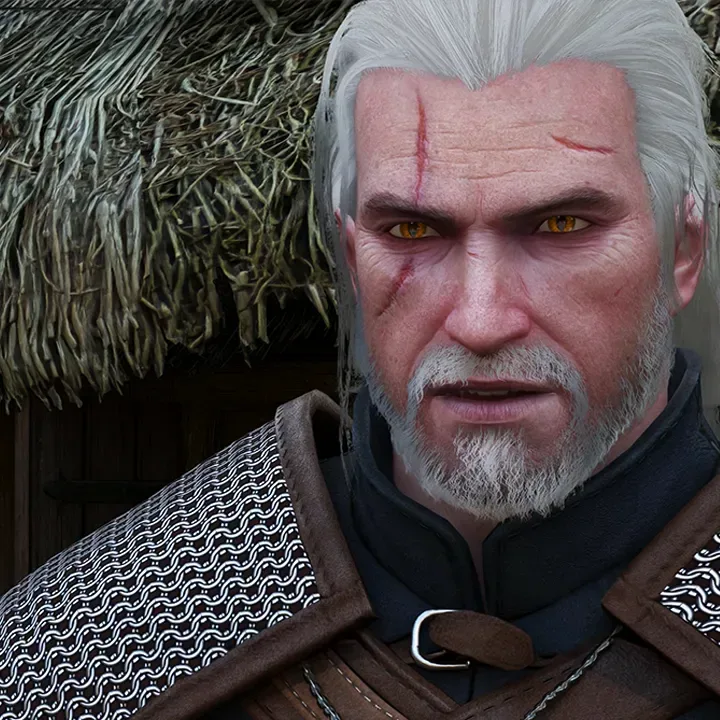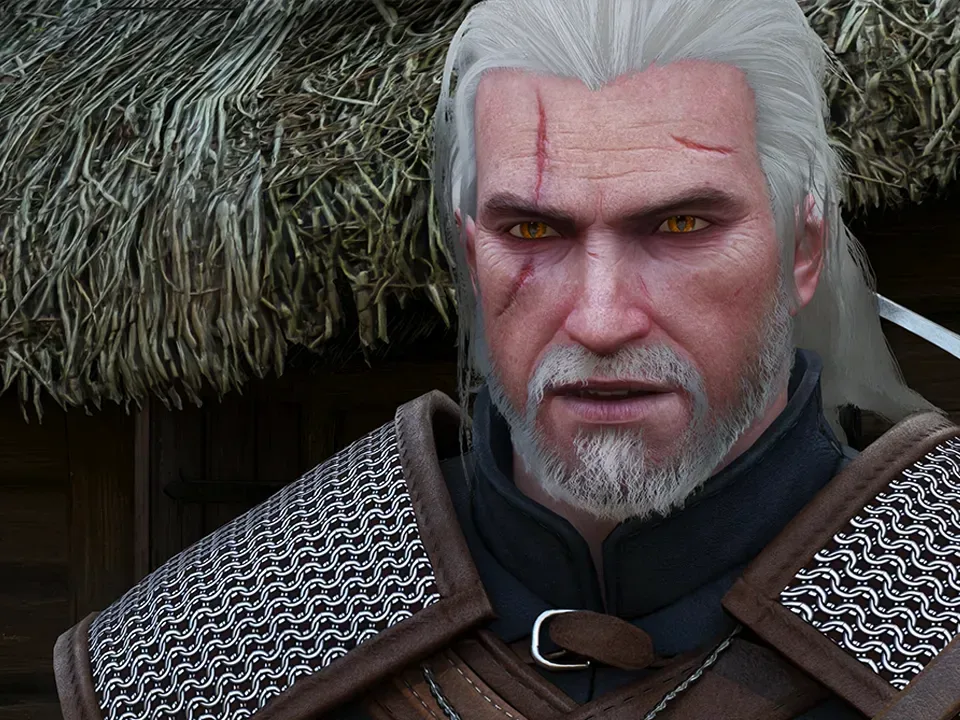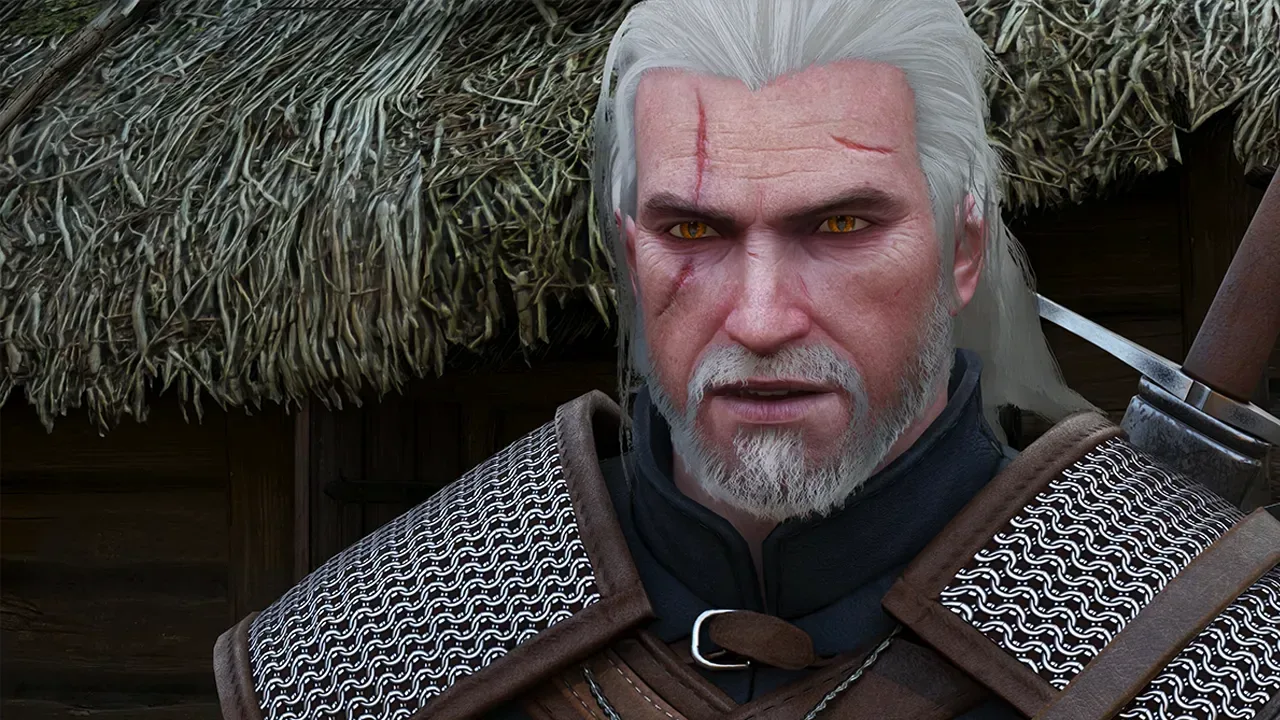
The Witcher 3: Wild Hunt — Remastered has received update 5.01, a presentation-focused patch that gives console players substantially more say over the game’s image. Its headline change is simple but important: Bloom, Light Shafts and Depth of Field can now be adjusted in the console graphics settings.
Those options arrive after player criticism of bloom in the remastered release. Bloom is the glow that spreads outward from especially bright parts of an image—sunlight, flames, reflective highlights and similar effects. Used moderately, it can make a scene feel bright or atmospheric. Used too aggressively, it can reduce contrast, soften detail and make a picture appear hazy or washed out. Some players felt that the remaster’s original presentation pushed that effect too far, particularly because it changed the weight of the game’s shadows and, with them, some of its intended mood.
PC users already had a route to disable bloom, but console users did not. Patch 5.01 closes that feature gap. It does not mandate one new visual style for everyone; instead, it lets players decide whether these post-processing effects suit their screen, room lighting and personal preference. In a game whose forests, castles, storms and candlelit interiors lean heavily on atmosphere, that is a more meaningful setting than its modest menu placement might suggest.
What the new console visual settings mean
The three new controls affect different parts of the image, though they can combine to create a noticeably different overall look.
- Bloom: Adds a glow around bright areas. Turning it off may make bright objects appear more sharply defined and can restore a stronger distinction between light and shadow.
- Light Shafts: Creates visible beams of light, such as rays passing through trees or windows. This is sometimes called a “god rays” effect. Disabling it can reduce an intentionally cinematic flourish without changing the underlying lighting system.
- Depth of Field: Blurs parts of a scene that are not in the apparent focal plane, often in conversations or close-up views. Players who prefer consistent sharpness may want it off, while others may value the camera-like presentation it adds.
The key point is that these are options rather than universal fixes. A player who likes the remaster’s brighter, more cinematic mood can leave the effects enabled. Someone who wants less glow and less image softening can reduce the processing. That flexibility is especially useful because displays vary considerably: a setting that looks restrained on one television can look overpowering on another.
The patch also makes wider adjustments to bloom, tone mapping, character lighting, ray tracing and path tracing. Tone mapping is the process used to translate a game’s very broad range of brightness values into the range a display can show. It has a large influence on whether dark portions of a scene preserve detail, whether bright skies clip into flat white, and how strongly highlights stand out. Character lighting, meanwhile, affects how faces, clothing and figures read against their surroundings.
Ray tracing and path tracing are advanced lighting-rendering techniques. In broad terms, they simulate aspects of how light interacts with scenes more directly than conventional methods. The patch notes say those systems have received visual adjustments, but do not specify the exact changes or their platform-by-platform impact. It is therefore reasonable to expect visual refinement, but not to assume a particular performance result or a wholesale redesign of the game’s graphics.
More than a bloom patch: the practical fixes in 5.01
Although visual control is the most visible change, update 5.01 is a broad maintenance patch. The download is approximately 5.5 GB on consoles and 8.5 GB on PC, and its fixes extend to combat, traversal, menus, saves, audio and platform-specific settings.
Related coverage includes The Witcher 3: Wild Hunt - Remastered Patch 5.01 Gives Console Players More Visual Control.
Gameplay fixes target problems that can disrupt normal play rather than introduce a major new system. Automatically Apply Blade Oils should now function even when the feature was not enabled during the current play session. That matters for players who rely on the convenience option rather than applying each oil manually before an encounter.
Other changes address boats moving uncontrollably and ignoring terrain collisions under certain conditions, as well as improved ladder-interaction animations. Combat-related corrections include Geralt no longer colliding with defeated enemies after an Aard finisher, a fix for an unintended dodge delay, and a correction preventing bomb throws when that option is disabled.
The patch also fixes an interaction between sprinting and dodging that could completely drain Geralt’s Stamina. Since Stamina governs actions including Signs, an unexpected full drain could materially affect an encounter. The Synergy skill’s displayed bonus values have been corrected, and Exploding Shield now receives damage reflection. The notes also mention a repeat-line fix for Vesemir when Quen is cast multiple times.
Interface, audio and rewards corrections
Several fixes are smaller individually but useful across a long RPG. The ability-point notification should no longer remain stuck on screen. Input hints should not briefly flash on the meditation screen, the Potions tutorial should appear properly after entering the Consumables tab, and certain UI progress bars have been realigned.
On consoles, the update carries over a fix for voiceover audio becoming much quieter than other in-game sound after navigating pause-menu tabs. PlayStation 5 settings should also stop resetting each time the game is launched. The base PlayStation 5 receives fixes for incorrect frame-rate limits in different graphics modes, alongside the listed performance optimizations.
Players using My Rewards or Twitch/Bilibili Drops should note a particularly unusual fix. Items that failed to appear in the chest at Vizima after the chest had previously been opened should now be addressed. The correction can duplicate some items; the patch notes explicitly frame those duplicates as a bonus rather than something players need to remove.
There is also a save-related correction. The update fixes an issue that could affect save-file data and adds measures intended to address saves that may already have been affected. The notes do not define which saves or situations were involved, so players should avoid drawing conclusions beyond that stated scope. Still, save-file fixes are among the more practically significant items in a game built around lengthy campaigns and consequential choices.
PC graphics and compatibility changes
PC receives its own set of settings and compatibility fixes. GTAO Quality—an ambient-occlusion setting that helps define contact shadows where objects meet—should no longer reset after a restart. Dynamic Resolution Scaling, which can lower or adjust render resolution in an effort to maintain performance, has several corrections. It should no longer report the wrong setting after an anti-aliasing change, and its default is now set to off.
The patch also addresses cases where graphics options could be enabled on unsupported GPUs. Switching presets should no longer apply DLSS or XeSS on graphics hardware that does not support those upscaling technologies, and the game should be less likely to select the wrong GPU. Skill tooltips now update without requiring the player to move the cursor away and hover over them again.
Dynamic Resolution Scaling can also cause visual artifacts in certain configurations, and that issue is listed among the broader fixes. For players trying to diagnose image quality after patching, the useful distinction is that the new console toggles are artistic post-processing preferences, while dynamic resolution is principally a performance-management tool. Both can affect how clean the game appears, but they do different jobs.
Nintendo Switch 2 update is planned, not part of this patch
An update for the Nintendo Switch 2 version is in development. The stated goal is closer parity with other versions, including the same global changes delivered elsewhere, plus Switch 2-specific work on image clarity and sharpness. More information is expected in the coming days.
That language is worth reading carefully. It confirms the work is planned, but it does not provide a release date or a complete platform-specific feature list. Players looking at the wider Switch 2 ecosystem can also see why choosing hardware and accessories is often more about practical fit than a long bullet list in this Switch 2 gift-hunting overview.
There is likewise no confirmation that the remaster will use QSSR, Sony’s newer upscaling method for the base PlayStation 5. The absence of a confirmation matters: upscaling support is not something players should infer simply from the patch’s visual and performance work.
What players should do after updating
- Check console graphics settings first. If the image previously seemed too bright or diffuse, test Bloom off before changing television settings. Then try Light Shafts and Depth of Field independently, rather than switching everything at once.
- Revisit settings after the patch. PlayStation 5 settings-reset issues are listed as fixed, but it is still sensible to confirm preferred graphics mode, audio balance and visual options after installing a major update.
- Be alert for policy consent. A backend issue means the policy-consent screen will appear again, requiring players to reconfirm their preference.
- Back up saves when possible. The update contains a save-data fix and measures for saves that may have been affected. The notes do not call for a specific player action, but preserving important save data is a sensible precaution whenever a patch changes save handling.
Patch 5.01 does not promise to settle every preference about The Witcher 3: Wild Hunt — Remastered’s new aesthetic. What it does is more practical: it gives console players controls they had been missing, while making broad lighting adjustments and cleaning up a notable list of technical issues. For a remastered RPG whose look is as debated as its systems, the ability to tune the image is a meaningful step toward letting players decide how Geralt’s world should feel on their own display.
Looking further ahead, CD Projekt’s stated roadmap includes the new Witcher 3 expansion Songs of the Past in 2027, described as a bridge between this game and its sequel and as comparable in scale and ambition to Blood & Wine. The Witcher 4, starring Ciri, is planned for 2028.