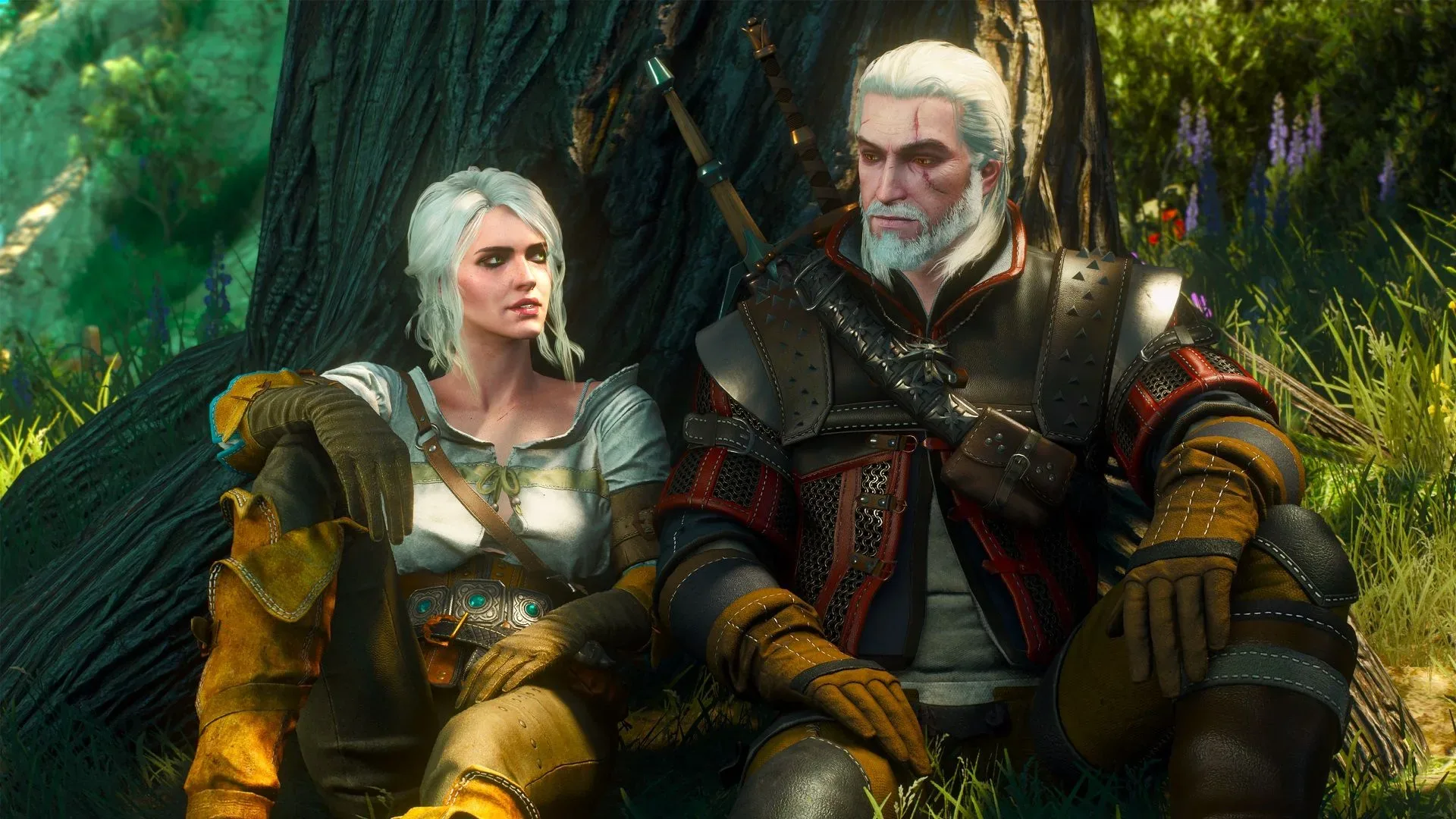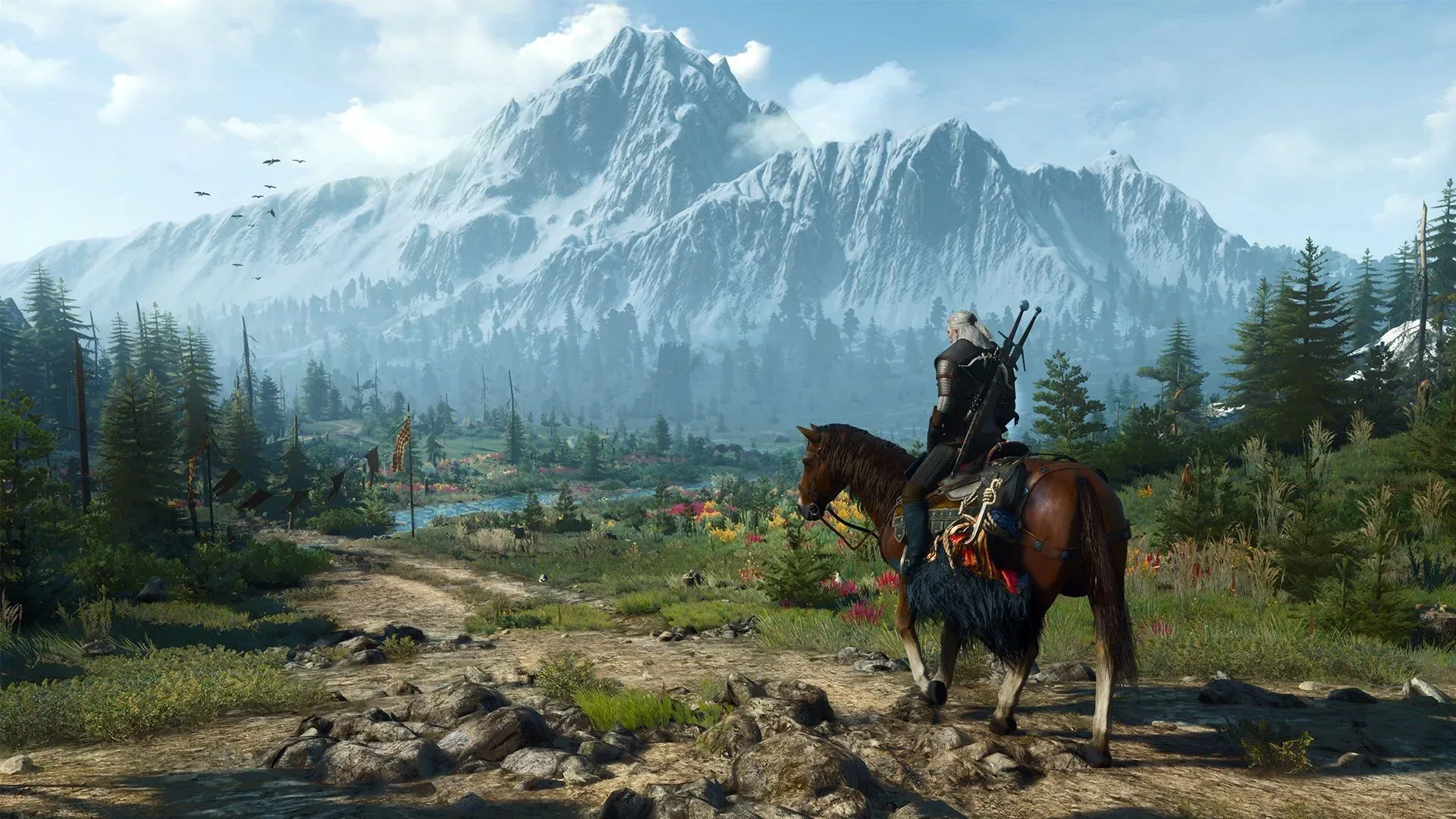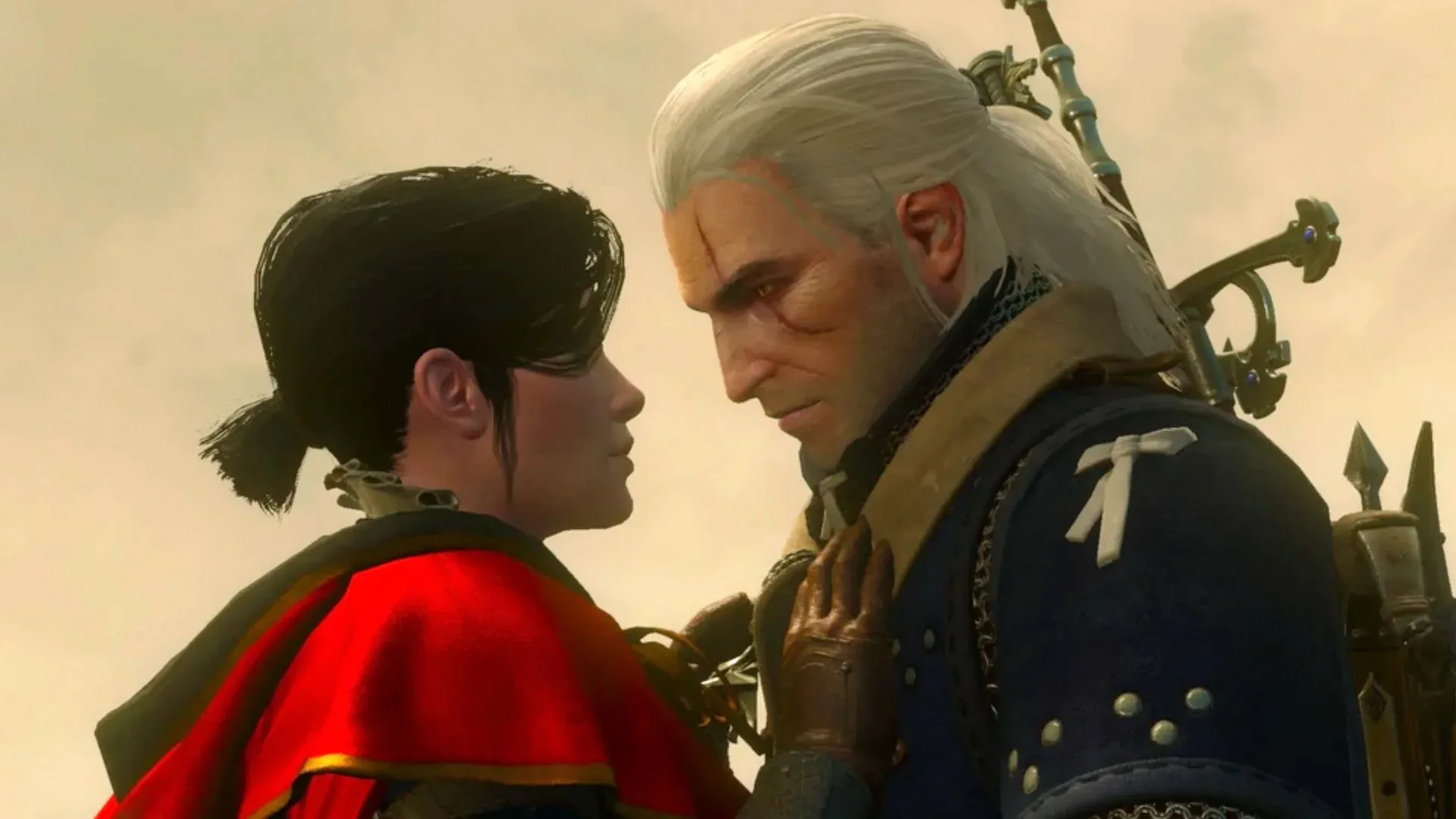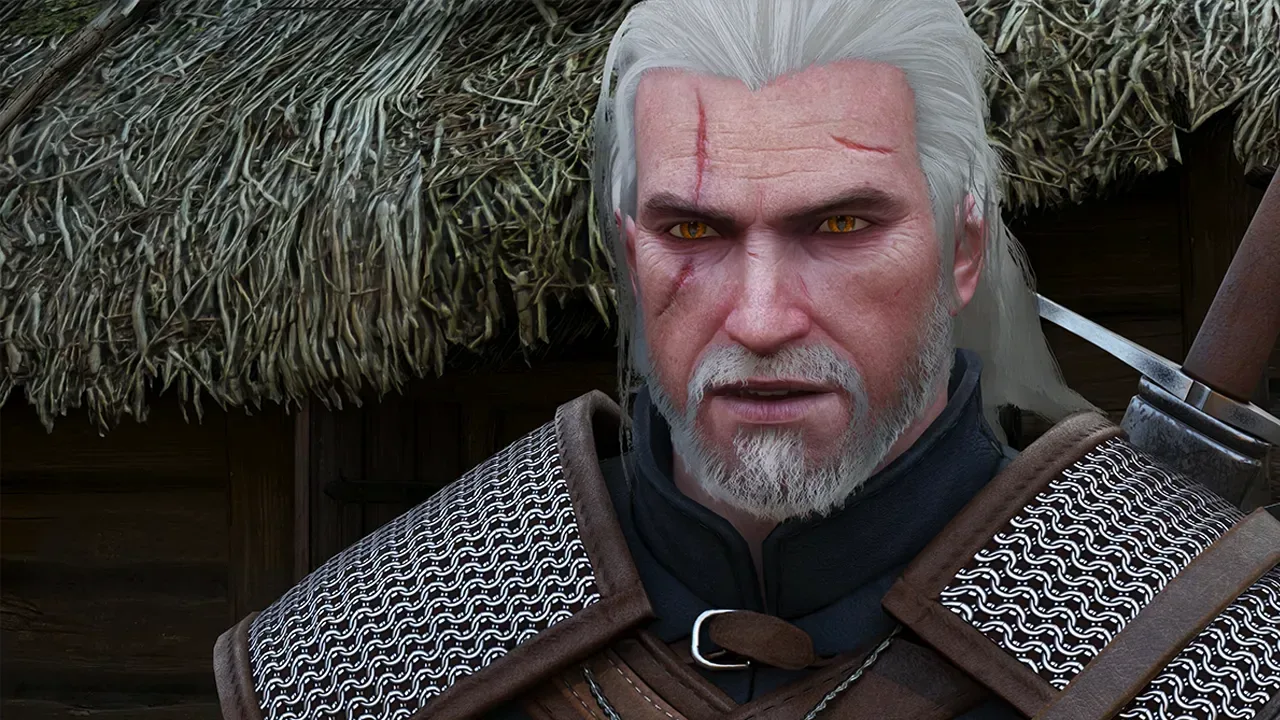
The Witcher 3: Wild Hunt – Remastered is the subject of a four-week community RPG playthrough running across October, with weekly mission-focused discussions scheduled for October 9, 16, 23, and 30. The central idea is pleasantly hostile to the usual “I’ll just reload that” approach: begin anew, make a fresh build using the revised skill tree, accept the outcomes of decisions, and do not lean too hard on dialogue-based exits from combat.
It is a simple framework, but a useful one for a game whose appeal has long rested on the friction between player choice, character progression, and an enormous amount of optional activity. Rather than treating the remaster as a familiar route through familiar scenery, the event asks players to poke at the specific parts that have changed and decide whether they genuinely alter the old adventure’s rhythm.
The remastered edition retains the consequential choices and third-person combat associated with the 2015 original, while making adjustments that include a reworked skill tree and combat-related changes. It is available on Nintendo Switch 2, PC, PlayStation 5, and Xbox Series X, and current owners can download it for free. It has also replaced the default version offered through qualifying storefronts.
A Witcher replay with rules, not a nostalgia tour
At the heart of the community playthrough is a four-part “Quest Log” that is less a rigid walkthrough than a set of guardrails for a replay. Players are asked to use the Remastered edition rather than the standard release, create a new build, live with their choices, and approach combat more directly.
- Play the Remastered version: The point is to examine the current release and its changes, rather than use memories of another version as the entire evidence file.
- Create a new build: Players are encouraged to experiment with the revised skill tree instead of restoring a familiar character plan from a previous run.
- No save-scumming: Decisions and their outcomes should stand, even when they are inconvenient, morally dubious, or merely the result of pressing the wrong conversational button at an absurd hour.
- Fight more often: The challenge discourages excessive reliance on Axii or talking past confrontations, directing attention toward the reworked combat.
“Build” is RPG shorthand for the combination of skills and playstyle a player develops. In practical terms, it is the difference between making Geralt a sword-focused fighter, prioritizing magical Signs, investing in other specialties, or creating a hybrid. A reworked skill tree matters because it can change not only what a character eventually becomes capable of, but the choices that feel viable during the game’s early and middle stretches.
That is why the instruction to start over is more revealing than it first appears. A veteran player returning to an old save may have a powerful character and long-established habits. Such a save can be ideal for revisiting favorite quests, but it is less useful for judging whether newly structured progression makes experimentation easier, more tempting, or simply more confusing. Beginning with a clean slate means the new systems meet the player at the same moment as the old game’s opening decisions.
Why no reloading changes the conversation
The ban on save-scumming is the most entertainingly severe rule in the set. Save-scumming means repeatedly reloading a save file to produce a preferred result: a better dialogue outcome, a cleaner fight, or a decision that leaves fewer emotional scorch marks. It is a perfectly understandable way to play a branching RPG, especially for players determined to see a particular character outcome. But removing that safety net makes choice systems easier to evaluate on their own terms.
If a player cannot instantly undo an awkward decision, they have to treat the result as part of their version of Geralt’s journey. That does not prove every consequence is good or fair; it does make the player’s reactions more immediate. A story choice can feel dramatically meaningful because it forces commitment, or frustrating because available information was unclear. Both responses are useful when a group is comparing experiences.
Related coverage includes The Witcher 3: Wild Hunt - Remastered Begins a Month-Long Community Playthrough.
The same goes for combat. The playthrough’s sword-first prompt does not say Axii, one of Geralt’s Signs, should never be used. It asks participants not to use it as the automatic escape hatch whenever a conversation might become violent. If the remaster has changed combat, players will learn more by meeting more of it. That can include how encounters feel, whether a new skill setup changes tactical options, and whether the adjustments encourage a different pace.
Importantly, the challenge is not framed as a demand for one “correct” Witcher run. It is an invitation to produce more varied experiences. A player who normally seeks the smoothest diplomatic route may discover that a combat-first approach reveals different pressures in a quest. Someone who always builds the same way may find a new skill path that changes their priorities. The rules are designed to disturb muscle memory, which is often exactly what a remaster needs from returning players.
White Orchard to Oxenfurt, one mission at a time
The weekly features will focus on standout missions, including famous quests and ones players may have overlooked before. The route begins in White Orchard, the game’s starter area, and extends toward Oxenfurt. Those locations are useful bookends for the project: White Orchard offers a compact starting point for players learning or relearning the systems, while Oxenfurt represents the larger social spaces and dense questing that help give The Witcher 3 its sense of place.
This structure avoids promising a full, exhaustive guide to every decision in a famously sprawling RPG. Instead, it puts the spotlight on individual missions and asks a more focused question: how do the remaster’s enhancements hold up when they are tested within moments players already remember? That is a better question than whether the game is “still good,” a verdict so broad it tends to collapse under the weight of the game’s scale.
There is room here for first-time players as well as repeat visitors. A newcomer can use the schedule as a light form of companionship while moving through a huge RPG. Returning players can use it as an excuse to abandon a settled routine. The two groups will naturally notice different things: newcomers are more likely to judge clarity and onboarding, while veterans may be especially alert to revisions in progression, combat, and overall feel.
What players can actually compare
The practical value of a shared playthrough is comparison. Participants are encouraged to discuss the new skill tree, performance issues, choices, and their general experiences. That does not turn the event into a technical benchmark, and it should not be read as proof that any particular platform does or does not have a problem. It does create a space where reports can be compared instead of treated as isolated grumbles shouted into the nearest tavern.
For players considering the remaster, the most useful observations will likely be specific ones: which skills changed a build decision, whether combat encouraged use of different tools, where performance concerns appeared, and whether those concerns were consistent. Vague declarations that a version is “fine” or “broken” rarely help much without details about what happened and where.
The free-download arrangement for current owners also changes the entry calculation. Existing players do not need to decide whether a remaster is worth buying again before they can investigate its differences. They can install it, start a new character, and see whether the revisions make the familiar opening feel different. For players who have never stepped into the Continent, the availability across Switch 2, PC, PS5, and Xbox Series X means the group discussion is not confined to a single platform community.
That multi-platform footprint does make careful discussion more important. A feature’s design can be discussed broadly, but technical impressions should be paired with the system on which they occurred. A report from one platform is a report from one platform, not a royal decree issued from Novigrad.
The larger appeal: giving an enormous RPG a shared pace
Long RPGs create an odd social problem. Everyone can be playing the same game while being dozens of hours, regions, builds, and difficult decisions apart. A month-long program centered on selected missions gives participants common checkpoints without demanding that they all progress in lockstep. The scheduled October dates create a recurring reason to return, compare choices, and reflect on what a revised version does differently.
It also recognizes that revisiting an acclaimed game is not merely an exercise in preservation. Players bring memory with them, and memory is both helpful and wildly untrustworthy. A favorite mission can remain powerful, become stranger than remembered, or reveal details that slipped by during a previous hundred-hour detour. By pushing participants toward a new build and less reversible decision-making, the playthrough aims to make that return trip less automatic.
For anyone who wants another read on how development priorities and deadlines can shape big RPG projects, this discussion of annual-release pressure and The Veilguard offers adjacent industry context—though the Witcher event itself is specifically about playing and assessing a finished remaster.
The October challenge ultimately has a straightforward pitch: revisit The Witcher 3 with enough constraints to make the replay feel like a real experiment. Roll a different Geralt, let bad calls remain bad calls, draw the sword a little more often, and compare notes once the dust settles. In a game built around living with complicated outcomes, refusing the reload button may be the most Witcher-like instruction of all.