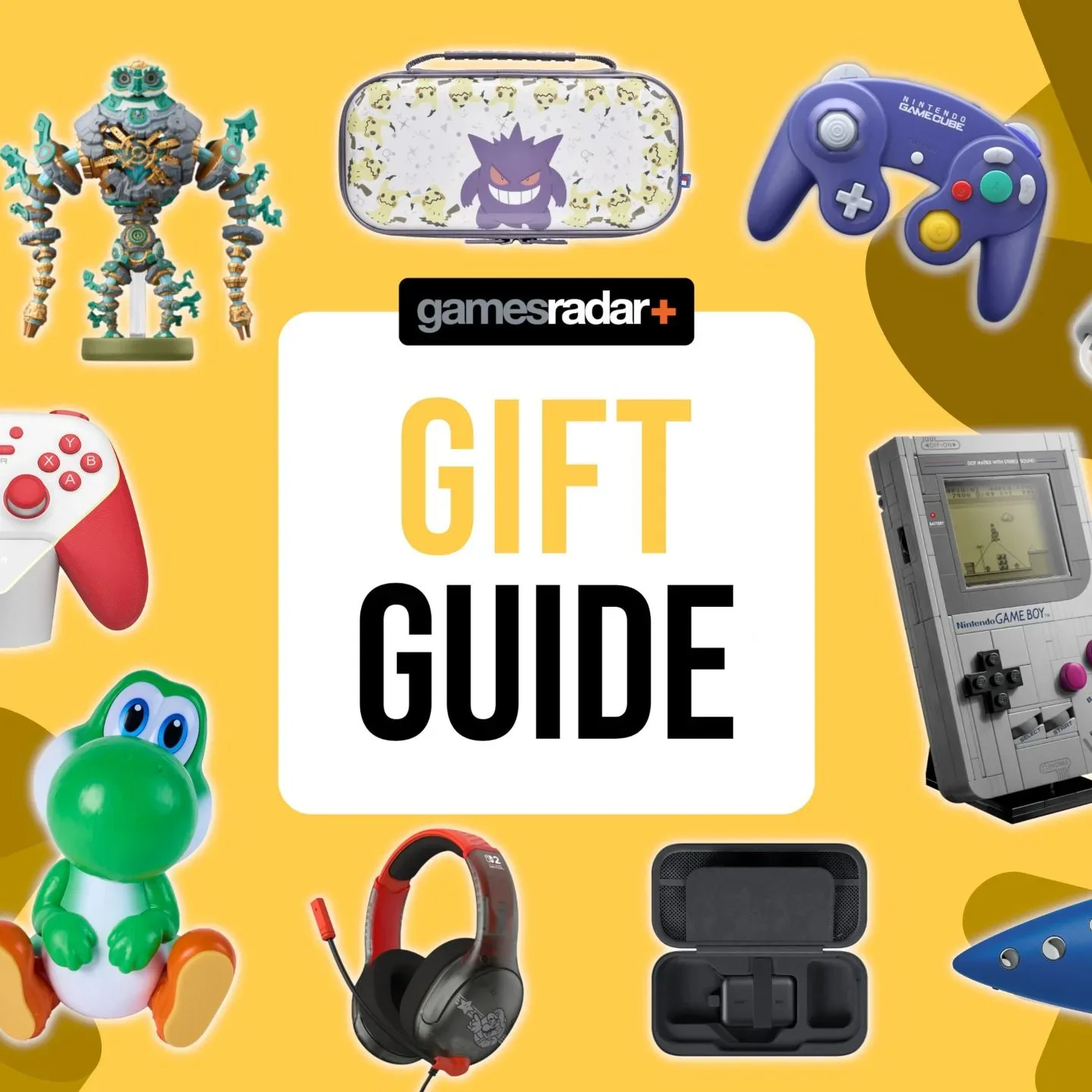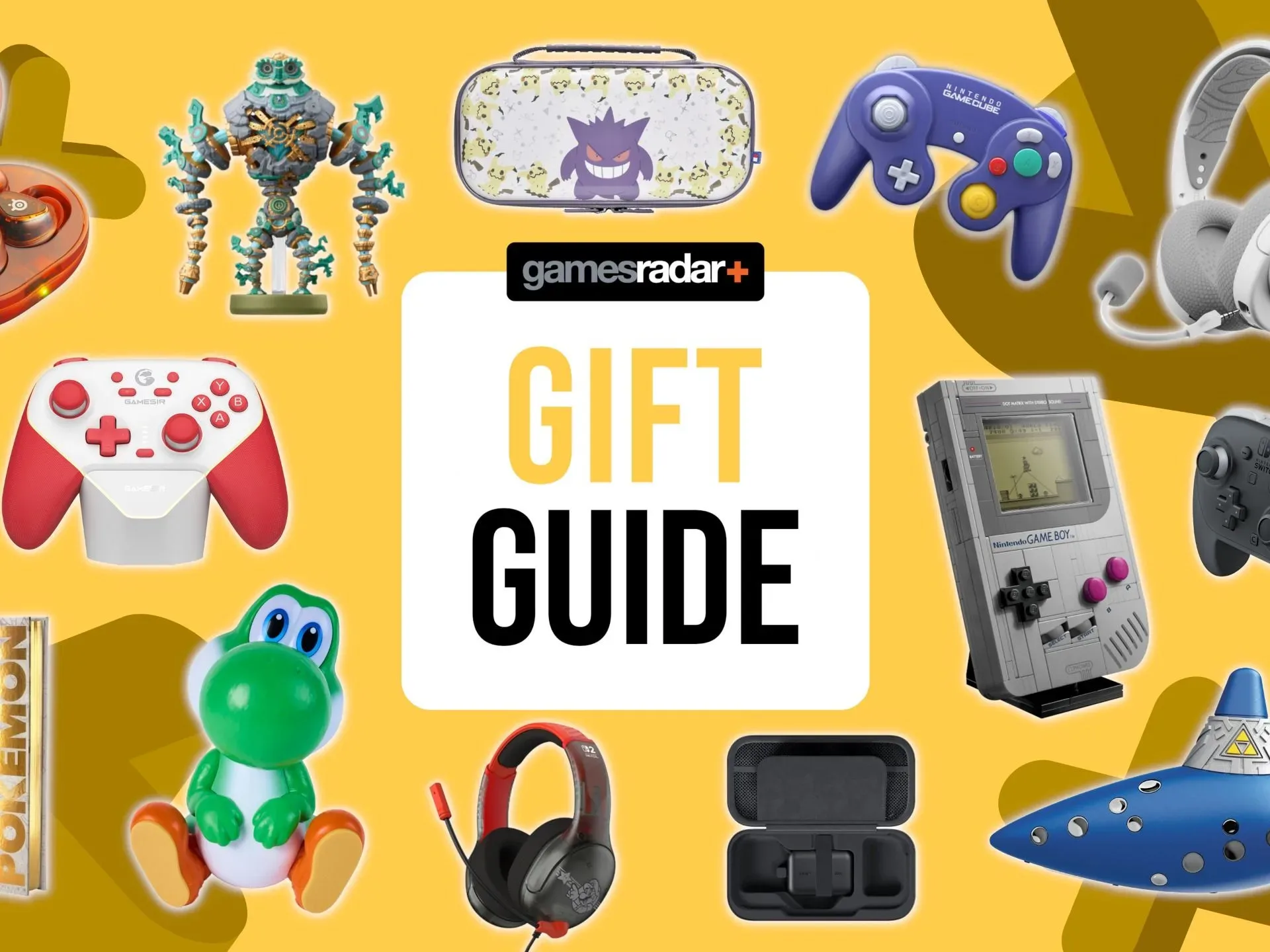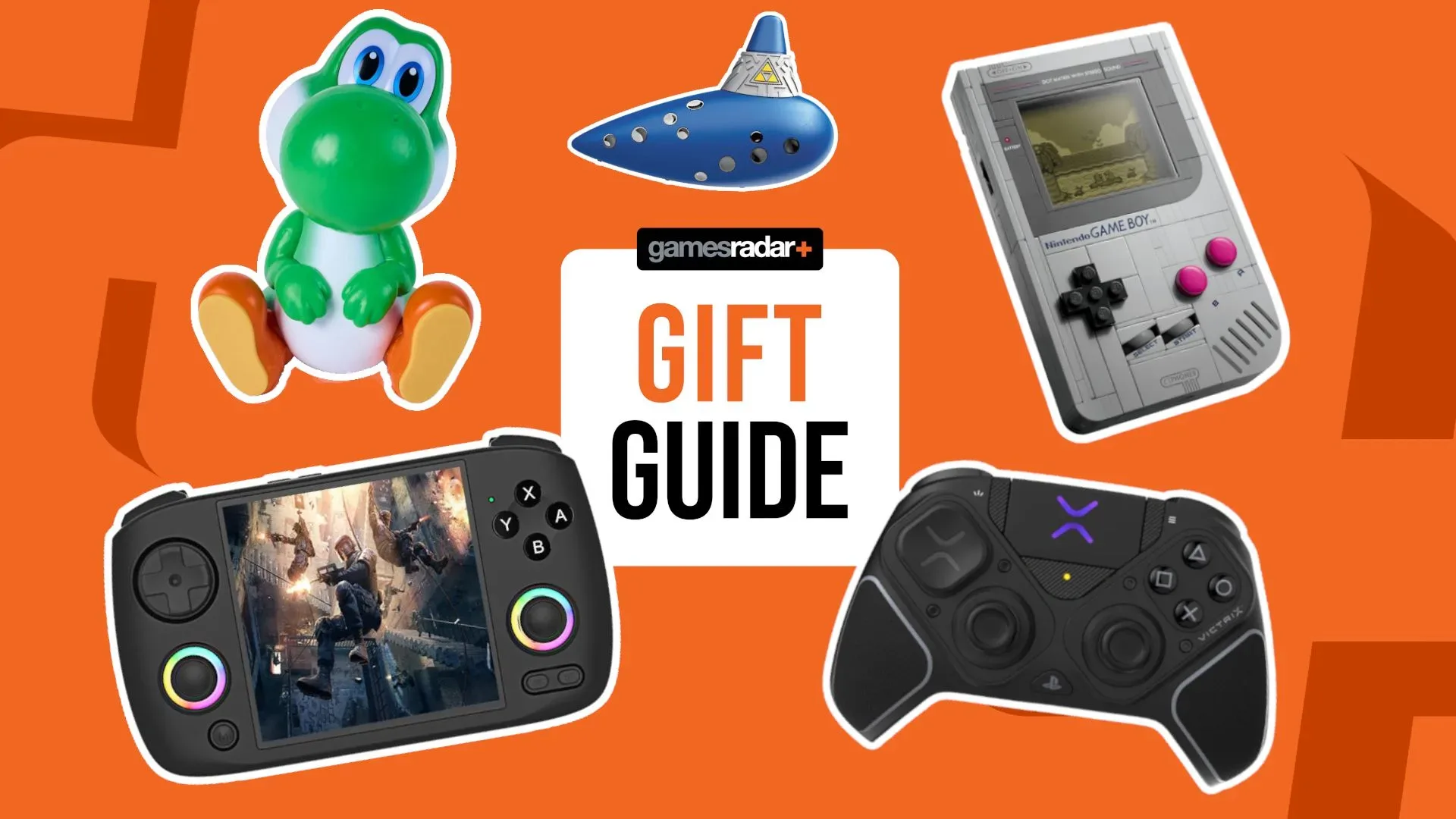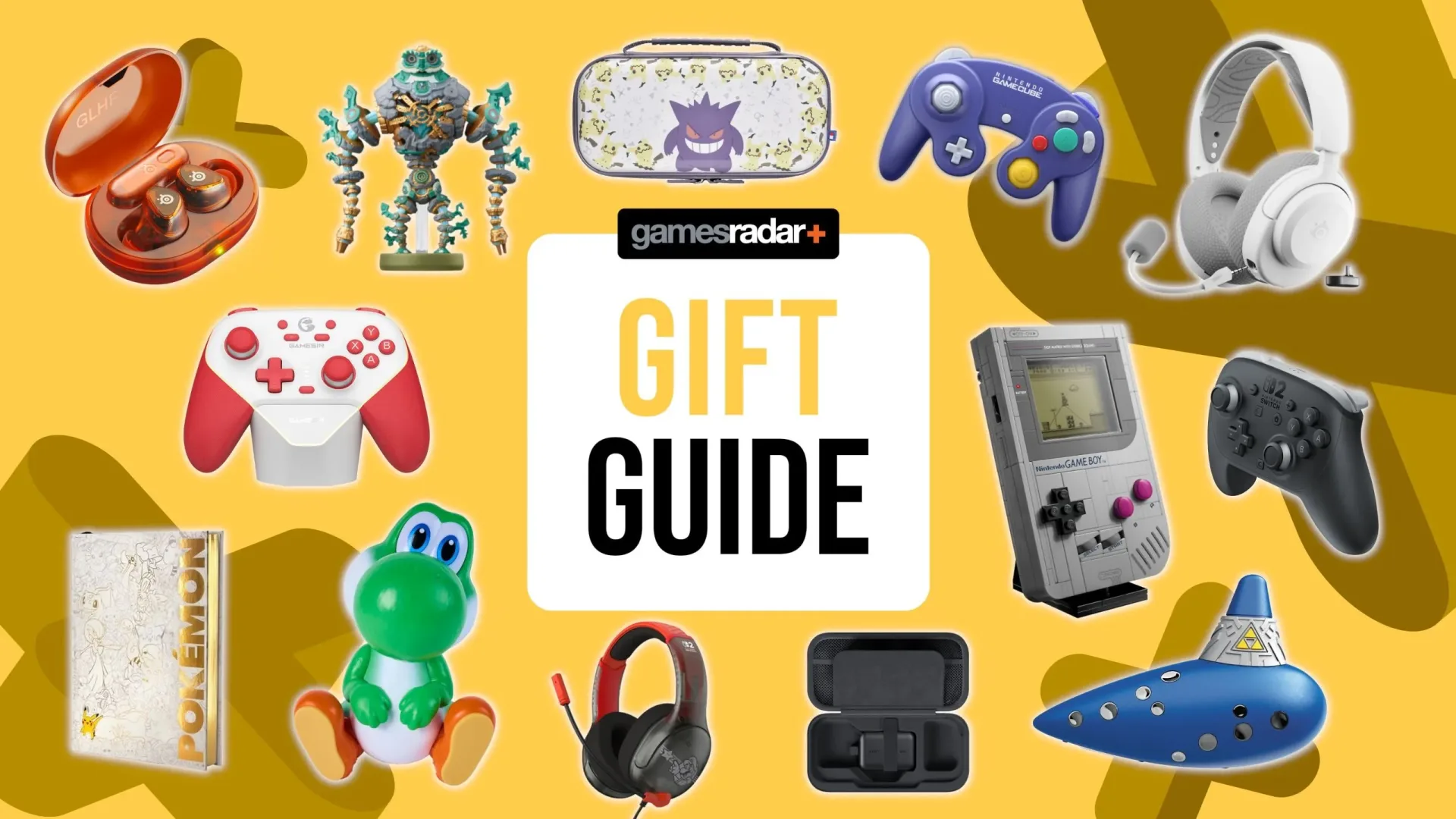
The Nintendo Switch 2 has accumulated the inevitable mountain of surrounding stuff in 2026: controllers, headsets, less-expensive accessories, toys, collaborations and franchise merchandise. That abundance creates a familiar holiday-shopping problem. More options do not automatically mean more good gifts. They mean more chances to buy a plastic object that looks exciting for five minutes and then begins a long, quiet career in a drawer.
The most useful way to approach a Switch 2 gift is therefore not to ask, “What is the biggest accessory?” It is to ask what role the item will have in the recipient’s play. A controller is a frequent-use input device. A headset supports a particular way of playing and listening. A small themed item may be a low-stakes expression of fandom. Those are all legitimate presents, but they solve very different problems—and should be judged by different standards.
That distinction matters especially when shopping across a wide budget. The current Switch 2 gift conversation includes premium technology such as controllers and headsets, alongside lower-cost accessories and tie-ins. There are options positioned below $50 and below $100, which is encouraging for shoppers, but a price bracket is only a limit, not a recommendation. The right gift under $50 is not necessarily a reduced version of the right gift over $100.
Start with the player, not the platform
“They own a Switch 2” is useful information, but it is not enough to identify a smart purchase. Two people can own the same hardware while wanting entirely different things from it. One might prefer longer solo sessions and appreciate a personal audio setup. Another may primarily play socially and get far more mileage from a controller. A third may already have their practical gear covered and enjoy a small item connected to a favorite Nintendo franchise.
Before comparing products, try to place the recipient into a broad, practical category:
- The frequent player: A person who uses the system regularly is more likely to notice an improvement to a recurring part of their routine, such as controls or listening.
- The social player: Someone who plays with friends or family may value an additional controller more than a solitary-use accessory.
- The fandom-first player: For this recipient, a collaboration, toy or franchise-themed stocking stuffer can be more personally meaningful than a technical upgrade.
- The difficult-to-buy-for owner: They may already own what they need. A smaller, lower-risk item is often better than trying to guess at a major hardware preference.
This is not a rigid formula. It is a way to avoid the common mistake of treating every console owner as a person in need of the same gear. The best gaming present is typically the one that removes friction from an existing habit or connects to an enthusiasm the recipient already shows. For a broader framework on that question, see How to Pick a Gaming Gift They’ll Actually Use in 2026.
Controllers are gifts with a clear purpose—and a high compatibility bar
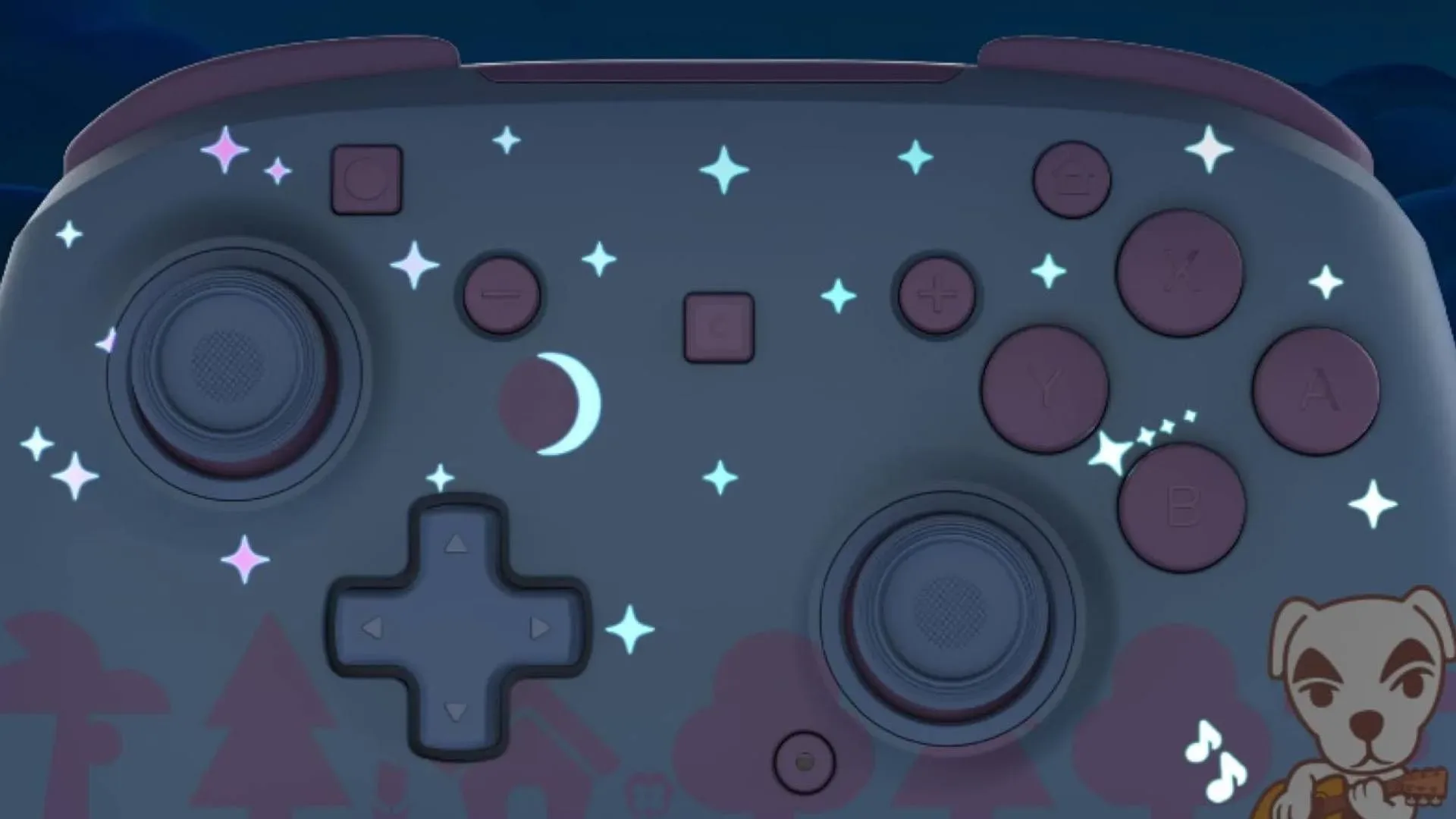
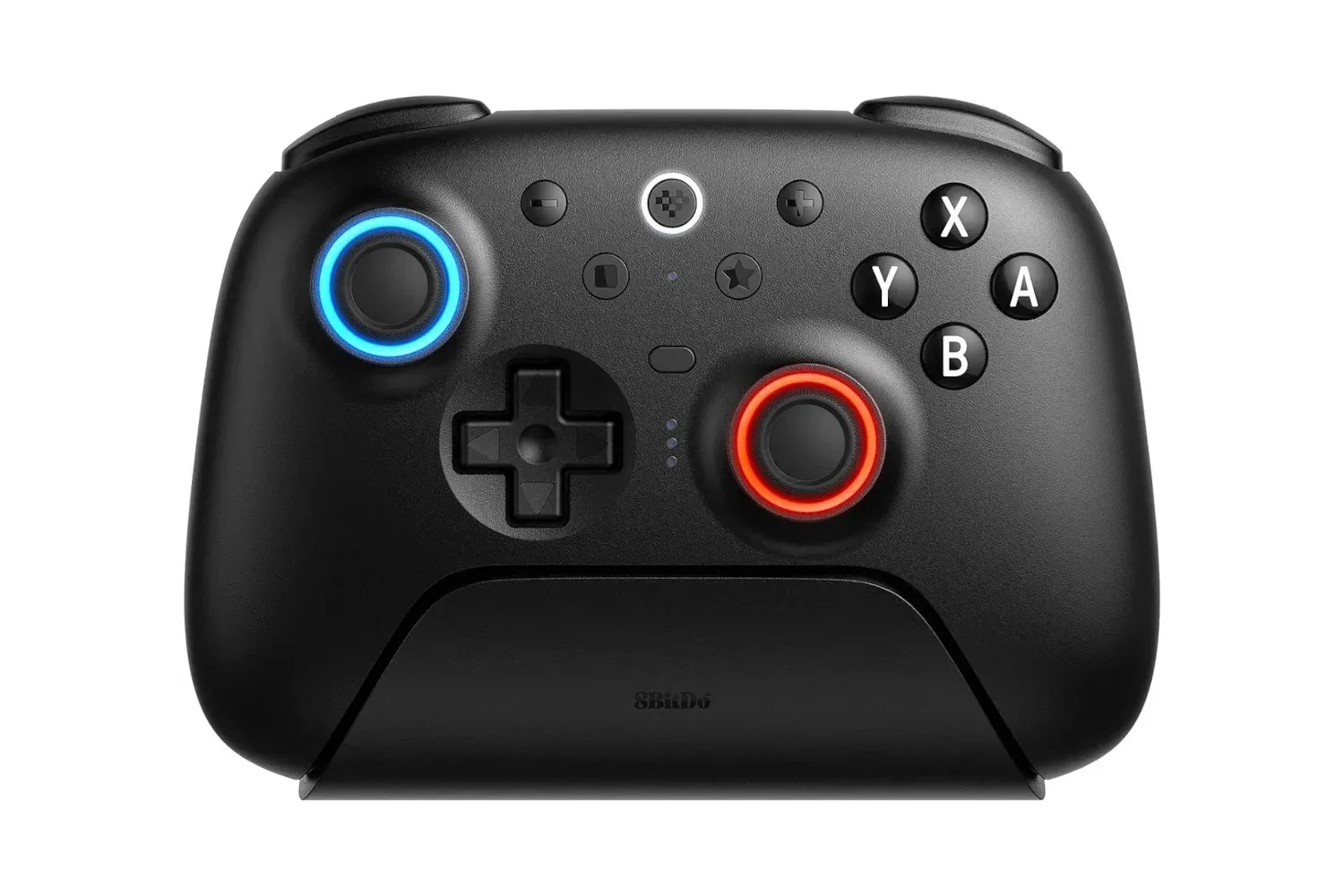
Controllers are among the most straightforward Switch 2 gift categories because their purpose is immediately understandable: they are the device through which someone plays. Yet “controller” is a category rather than a complete buying decision. The practical questions are whether the recipient needs another one, whether it is intended for solo or shared play, and whether it is explicitly suited to Nintendo Switch 2 use.
Compatibility means that an accessory is designed or confirmed to work with the relevant hardware. It is the first thing to verify, not a footnote to discover after the wrapping paper is gone. Shoppers should read the product packaging or official product listing closely enough to establish that the item is for Switch 2, rather than assuming a familiar name or similar appearance guarantees the intended support.
Related coverage includes Best Nintendo Switch 2 Gifts in 2026: Accessories, Gear and Stocking Stuffers.
Beyond compatibility, controller gifting is about need. An extra controller is a practical choice for someone who often plays with others. It may be a poor choice for a player who usually plays alone and already has controls they like. Conversely, a more specialized controller may be appealing to an enthusiast, but it carries more taste risk. Its value depends on comfort, preferred games and habits that an outside shopper may not know.
A useful rule: choose a controller when you can identify the gap it fills. “They need a way for another person to join” is a strong reason. “It looks like serious gaming equipment” is not.
Headsets should match the recipient’s listening habits
Headsets are another prominent technology category for Switch 2 buyers, and they can make thoughtful gifts when they answer a clear need. The relevant question is not whether headsets are generally good; it is whether this person wants to use one while playing.
For some players, private listening is central to how they use a console. For others, shared room audio is part of the experience, or a headset may simply go unused. That makes this category more personal than it sometimes appears. Comfort preferences, how long the recipient tends to play, and whether they want a more private setup all affect whether a headset will feel like an upgrade.
It also helps to separate audio from communication. A headset is worn audio gear; some players may want it principally to hear their game privately, while others may care more about talking to people during play. The source material identifies headsets as a leading Switch 2 accessory category, but it does not establish the specifications, features or suitability of any individual model. Shoppers should avoid filling those gaps with assumptions. Confirm the product’s stated Switch 2 compatibility and consider the recipient’s actual habits before treating a headset as an automatic win.
Lower-cost accessories can be the smarter present
Accessories at lower price points deserve more respect than they usually receive in gift guides. A smaller gift can be the best option when it has a narrow, obvious purpose, particularly if the buyer is unsure of the recipient’s setup. It can also be an excellent companion item: something that makes a larger present feel more personal without requiring a costly guess about high-end hardware.
The presence of options under $50 and under $100 should encourage shoppers to set a ceiling before browsing. A budget prevents the search from drifting toward “better” simply because a product is more expensive. It also helps determine the appropriate risk level. A person who knows exactly which controller a recipient needs may be comfortable buying a more significant item. Someone who only knows that the recipient enjoys a particular Nintendo series may be wiser to choose a modest tie-in or themed stocking stuffer.
That is not settling. It is matching the confidence of the purchase to the confidence of the information available. The less you know about a person’s technical preferences, the more sensible it is to favor gifts with fewer ways to be wrong.
Merchandise is not a failed hardware gift
There is a tendency to rank game-related gifts as though hardware is always the “real” present and merchandise is an afterthought. The Switch 2 gift landscape argues for a less narrow view. Toys, merchandise and collaborations from major Nintendo franchises can be the better choice for someone whose connection to games is as much about characters, worlds and nostalgia as it is about equipment.
Merchandise has a different job than an accessory. A controller is evaluated by use; a themed item is evaluated by whether it feels specific to the recipient. It can work well for a holiday stocking, a smaller exchange, or as an addition to a more practical gift. It is also helpful when the buyer knows the recipient’s favorite franchise but cannot confidently assess their hardware needs.
Still, specificity is essential. Nintendo branding alone is broad. A gift becomes more thoughtful when it reflects a series, character or collaboration the recipient genuinely likes. If that knowledge is unavailable, a useful accessory with clearly stated compatibility may be safer than guessing at fandom.
A quick pre-checkout list
- Confirm the hardware: Make sure the recipient owns a Nintendo Switch 2, and check that the chosen accessory is represented as suitable for it.
- Identify the use case: Is this for more comfortable control, private audio, shared play, or simply a piece of franchise-themed fun?
- Assess what they already own: Duplicate gear is only useful when it adds a new capability, such as another participant being able to play.
- Set the budget first: Use under-$50 and under-$100 options as genuine decision points, not as prompts to keep escalating.
- Prefer evidence over packaging: Check stated compatibility and product details rather than relying on color schemes, logos or broad claims.
- Keep the receipt or exchange route in mind: This is particularly sensible for personal fit items such as headsets and control gear.
The practical implication of a crowded accessory market
A growing Switch 2 ecosystem gives buyers choice, but it also rewards discipline. The goal is not to crown one universal best gift from a sprawling range of gear and merchandise. It is to make a purchase with a clear reason for existing in the recipient’s life.
For a person who often shares games, that reason could be an additional compatible controller. For someone who values private play, a compatible headset could be the useful route. For a Nintendo fan who is already content with their setup, a franchise collaboration or toy may carry more charm than another piece of technology. And for shoppers operating under $50 or $100, the strongest present may simply be the item that fits an established interest without pretending to solve a problem the recipient does not have.
That is the anti-clutter test: can the giver explain, in one sentence, why this particular person will use or enjoy this particular item? If the answer is yes, the gift has a far better chance of surviving beyond the holiday excitement.
Shop the products
Check current price, model and availability at the retailer.