Buying for a gamer is deceptively difficult. The category is enormous, personal taste matters, and the person you are shopping for may already have a carefully built setup. “Gaming gift” can mean a new game, a controller accessory, headset gear, a retro item, a tabletop game, or a display collectible—and those are not interchangeable choices.
The most useful answer is not to chase a supposedly universal present. It is to reduce the risk of buying something that does not fit the recipient’s platform, habits, space or existing collection. That means a little observation usually beats a lot of guesswork.
This is especially important in 2026 because gaming spans current PlayStation, Xbox and Nintendo Switch systems alongside PC play, retro hardware and tabletop gaming. A good present should make sense within the part of the hobby the recipient actually enjoys, rather than merely carrying a familiar game logo.
Start with the platform, not the product
The first question is simple: where do they play? A person can be a committed gamer and still have no use for an accessory made for another ecosystem. Before looking at a game, controller, charging product or headset, identify whether their time is spent on PS5, Xbox, Nintendo Switch, PC, retro systems, tabletop games, or a combination.
This sounds obvious, but it solves the most avoidable gifting mistake: compatibility failure. In gaming, compatibility means an item can work with the recipient’s hardware, software or account environment. A gift can be high quality in isolation and still be unsuitable if it is designed for the wrong platform.
There is a second layer to check. Platform is not quite the same thing as play style. Someone who owns a PS5 may primarily play games alone with a controller; another may use the same console for competitive online sessions with friends. A portable Nintendo player may value something very different from a person whose Switch mostly stays connected to a television. The hardware label gets you into the correct aisle; the player’s routine identifies a genuinely welcome choice.
A low-pressure way to find out
- Notice the console or computer they use most often.
- Ask about the last game they were excited to play, rather than asking directly what they want.
- Check whether they talk more about multiplayer sessions, a story game, retro titles or tabletop nights.
- Look at their space: a desk setup, a living-room console and a shelf of older hardware each suggest different needs.
None of that requires turning gift shopping into surveillance. It simply helps distinguish a personal gift from a generic one.
Games are appealing—but they carry a duplication risk
A new game is the instinctive gaming present, and sometimes it is exactly right. It is direct, immediately understandable and tied to the recipient’s favorite pastime. Yet it also has one of the biggest risks: they may already own it, have bought it digitally, or simply not be interested in that particular release.
Related coverage includes Best Gifts for Gamers in 2026: How to Pick a Present They'll Actually Use.
Digital ownership makes this harder to judge from a distance. A shelf may reveal physical games but not purchases connected to an account. That does not make games a bad option; it makes them a choice that benefits from better information.
A safer approach is to focus on a game the recipient has already named, placed on a wish list, or clearly discussed. If that information is unavailable, consider whether the person tends to collect physical editions, prefers digital libraries, or talks about a particular genre. Do not assume that enthusiasm for gaming as a whole translates to interest in every major release.
For people whose tastes are hard to read, the key is to avoid treating popularity as a substitute for fit. A gift succeeds when it gives the recipient something they will choose to spend time with.
Accessories work best when they remove a recurring annoyance
Accessories can be more dependable than games when they address an obvious part of someone’s routine. The word covers a wide range of products, from input devices to audio gear and organizational equipment. Its usefulness is not determined by how flashy it looks, but by whether it solves a problem the player has repeatedly encountered.
Think in terms of friction: the small inconvenience that gets in the way of play. A person may have an untidy game area, use a particular control method constantly, need better audio for multiplayer, or spend long sessions at a desk. The exact item should follow from that need, not from the assumption that every gamer wants more equipment.
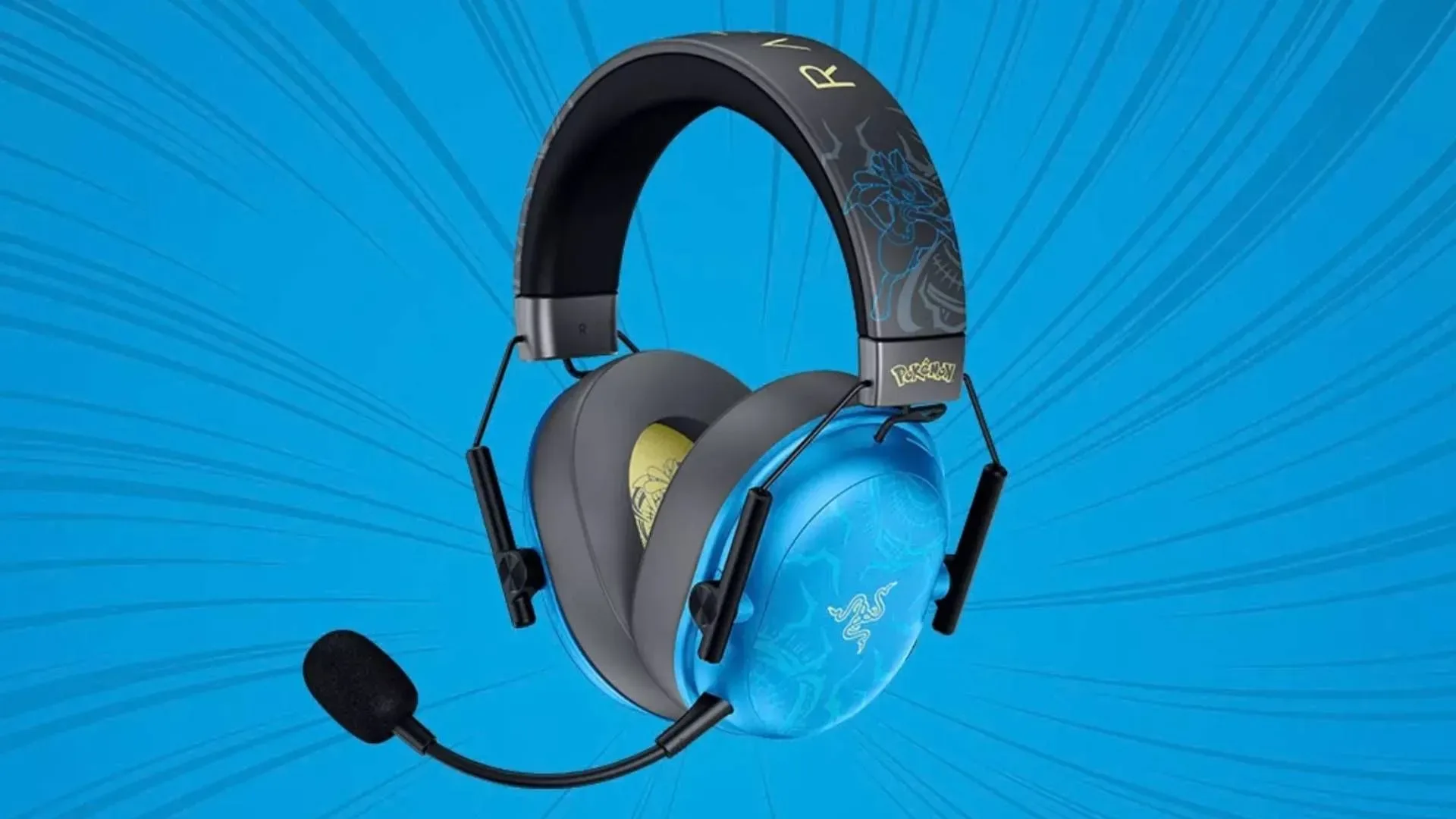
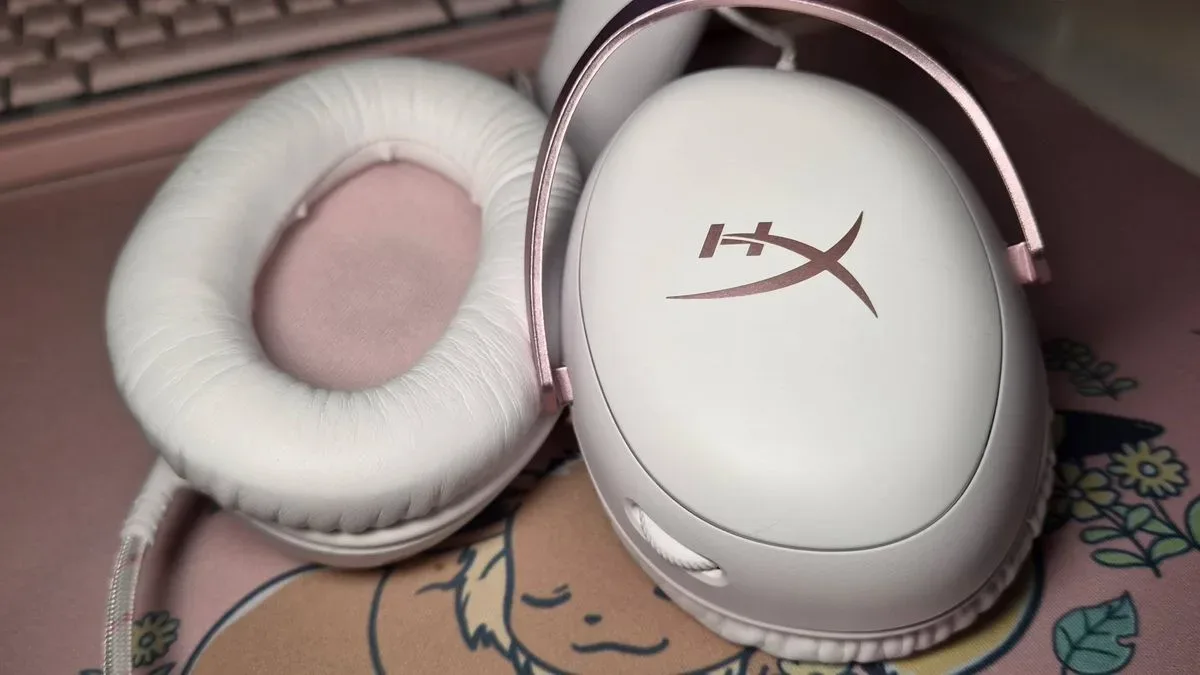
Headsets deserve particular care. Audio gear is personal: comfort, fit and the recipient’s existing setup all matter. A themed headset can be more than a novelty when it aligns with a favorite series and a real need. For instance, gaming-branded audio products can mix fandom appeal with a practical category, as seen with the Lucario-styled BlackShark V3 X HyperSpeed headset. But visual style alone is not a guarantee that it is the right gift; platform support and the player’s current audio habits remain the deciding factors.
Useful gear versus duplicate gear
Before choosing an accessory, ask a blunt question: does this improve something they already do, or does it merely add another version of something they own? The distinction matters. A gamer with a settled setup may not want an unfamiliar replacement peripheral. Conversely, an accessory that suits their platform and fills a visible gap can be memorable precisely because it becomes part of everyday play.
When you cannot confidently answer that question, step back from highly specific hardware. A more flexible gaming-related item may be the more thoughtful call.
Collectibles need a different standard
Collectibles are often called “show-stopping” gifts because they can feel more substantial and more personal than a utility purchase. But the gifting logic changes. A collectible is not primarily about how it performs during play; it is about the person’s attachment to a character, series, era or format, as well as their willingness and ability to display or store it.
That means fandom specificity matters more than broad gaming relevance. A display piece based on a series they do not care about is still clutter. By contrast, an item tied closely to a favorite game or character can land even if it never connects to a console.
Space is part of the decision. Large display items may be striking, but they assume room for a shelf, desk or cabinet. Smaller gifts can be more practical for someone in a shared home, apartment or limited gaming area. The point is not to avoid collectibles; it is to treat them as personal objects rather than universally desirable gamer decor.
Retro-focused gifts also fit this category of careful matching. Nostalgia is powerful only when it is the recipient’s nostalgia. Someone who enjoys older games, hardware or the history of the hobby may appreciate a retro-related present, while another player may have no interest in it. Do not equate “gamer” with “retro gamer.”
Budget bands are planning tools, not quality grades
Gaming gifts can be approached in broad spending tiers: under $20, under $50 and under $100, with more expensive technology and collectibles above those ranges. Those divisions are helpful because they encourage a realistic question: what can this amount buy without forcing a compromised version of a bigger idea?
At lower budgets, specificity and thought matter more than spectacle. A small item linked to a favorite platform, game or play habit can feel intentional. Mid-range spending can open more room for games, selected accessories and fandom merchandise, although compatibility still needs checking. Higher budgets may allow for more significant equipment or collectible purchases, but the margin for error can grow with the price. An expensive item is not automatically a better gift if it duplicates existing gear or imposes a style the recipient does not want.
It is also worth resisting the urge to spend the entire budget just because it is available. The strongest gaming gifts are proportionate to what is known about the player. A modest, perfectly matched present beats a costly but speculative purchase.
A quick decision process before checkout
- Name the recipient’s main gaming lane. Current console, PC, Switch, retro gaming or tabletop is enough to narrow the field.
- Identify one real preference. A favorite series, a multiplayer habit, portable play, collecting, or a longstanding love of older games all count.
- Check compatibility. Confirm the intended platform before buying hardware, accessories or games.
- Check for duplication. This is crucial for software, controllers, headsets and collectibles from highly visible franchises.
- Match the gift to the budget. Do not stretch into a technical purchase if a smaller, more certain choice is available.
- Prefer flexibility when uncertain. If details are scarce, avoid claiming to know exactly what their setup needs.
What “thoughtful” means in this category
A thoughtful gaming gift is not defined by whether it is labeled gamer gear. It shows that the giver understood one concrete thing about the recipient: the platform they use, the worlds they care about, the way they play, or the part of the hobby they collect.
That standard also keeps gift selection practical. The gaming audience includes people who move between modern systems, PC, retro formats and tabletop games, but no individual necessarily participates in all of them. Choosing well is an act of narrowing, not trying to represent the entire hobby in one box.
In short, lead with fit. Verify the system, look for a recurring habit or favorite, respect their available space and avoid purchases that depend on guesswork. Whether the final choice is a small present, an accessory, a game or a centerpiece collectible, those checks give it the best chance of becoming something they actually enjoy rather than something that merely looks gaming-adjacent.
Shop the products
Check current price, model and availability at the retailer.