Pokémon Mystery Dungeon has always lived comfortably beside the roguelike genre. Its dungeon floors shift around, its runs can go wrong quickly, and every expedition asks players to think about positioning, inventory and risk. Zero Dungeon: Isle of Mystery takes that shared DNA and pushes it toward a more traditional roguelike direction, using Pokémon Mystery Dungeon: Explorers of Sky as the foundation for a compact new fan-made adventure.
Created by developer theprogrammedsunk for a game jam, the ROM hack places players in control of Beldum and frames its approach as a bridge between Pokémon Mystery Dungeon and Shiren the Wanderer. Rather than treating the familiar Pokémon dungeon structure as the whole destination, the project aims to use it as a launching pad for the sort of tense, procedural maze-crawling associated with Shiren-style games.
It is an intriguing match. Pokémon Mystery Dungeon already makes the player experience the world from a Pokémon’s point of view, while the traditional roguelike format makes every trek through a dungeon feel like a problem waiting to become a disaster. Zero Dungeon’s premise puts Beldum in that pressure cooker with a forest mystery at its center.
Beldum goes mapping in a forest with a very bad reputation
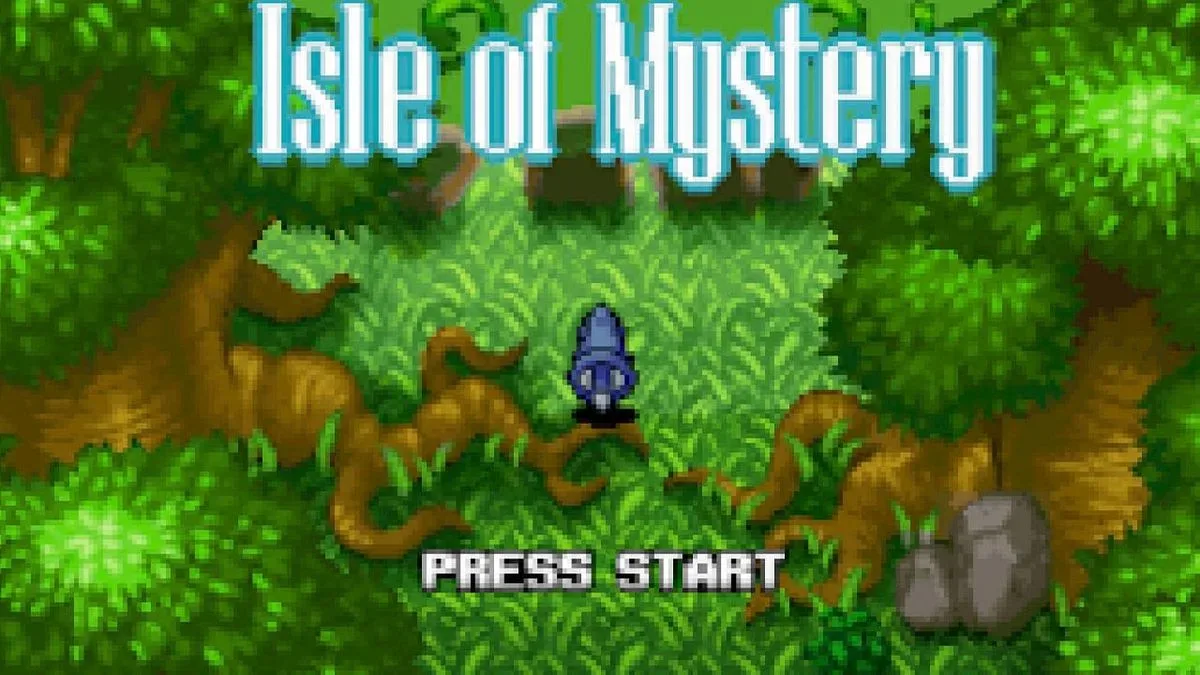
The story begins in a peaceful world, where a self-assured geographer sets out to chart the land. Beldum reaches the Archaia Forest as part of that ambition, only to find a place surrounded by unnerving folklore. Rumors claim the forest catches travelers and refuses to let them go, leaving those trapped within to die or lose their minds.
That is a satisfyingly ominous hook for a dungeon-focused Pokémon story. The setting is not just an unexplored patch on a map; it is a location with a hostile reputation and a history of swallowing people up. A confident traveler entering such a place naturally creates room for both fantasy adventure and the escalating tension that procedural dungeon games tend to generate so well.
Beldum is also an unusual lead for a story about geography. The Steel/Psychic-type is more commonly thought of as a floating, metal-bodied Pokémon than a wide-eyed wilderness explorer. But that contrast gives the premise some personality. A character built like a chunk of machinery entering an ancient forest makes for a distinctive visual and thematic fit, especially when the wilderness itself is treated as the central threat.
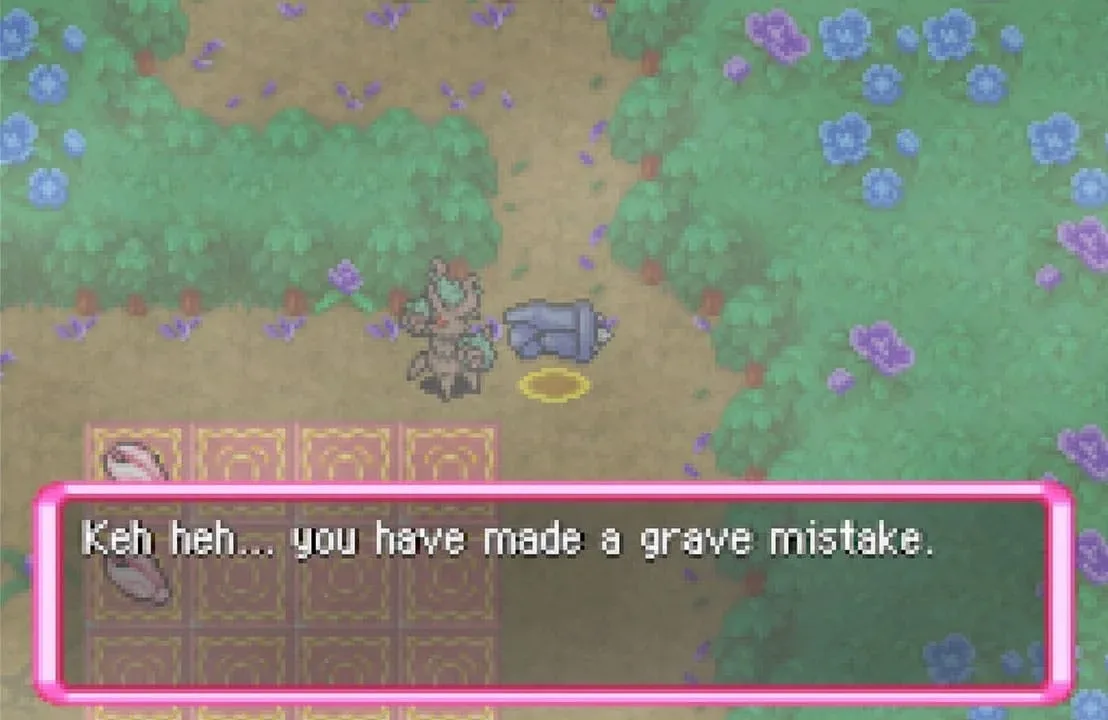
Trevenant is among the Pokémon standing in Beldum’s way. That choice reinforces the atmosphere: Trevenant’s ghostly, tree-like design is a natural match for a forest said to lure people in and never release them. The available details do not lay out every story beat or encounter, but the broad setup points toward a more unsettling tone than a conventional cheerful rescue mission.
What “traditional roguelike” means in this context
Shiren the Wanderer is known for dungeon expeditions through changing layouts filled with monsters and hard choices. The procedural nature of those journeys matters because it reshapes the route and circumstances around the player, making knowledge, caution and adaptation as important as raw progress. A single poor decision can turn a promising run into a scramble for survival.
Related coverage includes Zero Dungeon: Isle of Mystery Turns Pokémon Mystery Dungeon Into a Traditional Roguelike.
Zero Dungeon: Isle of Mystery draws from that lineage while retaining the Pokémon Mystery Dungeon basis supplied by Explorers of Sky. That does not mean it simply replaces one series with the other. The appeal is in the overlap: a Pokémon-led dungeon adventure recast with an emphasis on the style of traditional roguelike challenge that Shiren fans recognize.
For Pokémon Mystery Dungeon players, the concept may be appealing because it offers a different angle on familiar dungeon-crawling language. For Shiren players, Beldum’s trip into Archaia Forest offers a Pokémon-themed route into an adjacent kind of experience. Fan projects are often at their most interesting when they do not merely add more content to an established game, but instead ask what that game’s systems could become in a different genre conversation. This hack appears designed around precisely that question.
A focused game-jam-sized adventure
Players should set expectations around the project’s game-jam origins. Zero Dungeon is not presented as a massive replacement campaign for Explorers of Sky, and its intended scale is smaller than a full commercial RPG. That narrower scope can be an advantage for an idea this specific: the game can concentrate on its forest scenario, its roguelike identity and its replay-oriented structure instead of stretching the premise across a huge adventure.
There are two modes: Story and Arcade. Each mode includes four adventure logs. The separation suggests two ways to approach the same overall project: one centered on its narrative setup and another that shifts attention toward score-chasing. It also gives players a reason to return after seeing the core story material, rather than treating the game as a one-and-done curiosity.
Arcade mode sets a clear target: reach a score of 200,000 to win. That number immediately establishes the mode as more than a casual side option. The goal supplies a concrete benchmark for players interested in optimizing their decisions, surviving deeper into danger and seeing how far they can push a run. The game’s available description does not detail exactly how every point is earned, so prospective players should regard the 200,000 threshold as the stated objective rather than assume a particular scoring formula.
A new reason to revisit Explorers of Sky’s framework
Pokémon Mystery Dungeon: Explorers of Sky remains a particularly fertile base for fan creativity. Its dungeon-focused structure lends itself to experimentation, and projects such as Zero Dungeon show how a familiar framework can be rearranged around a sharply different goal. In this case, the recognizable Pokémon world is used to support an original Beldum-led expedition and a traditional-roguelike ambition.
The project is also a useful reminder that ROM hacks can range from restorations and rebalances to entirely new design exercises. Zero Dungeon falls on the latter side. Its purpose is not simply to invite players back to a remembered story, but to offer a new scenario and a different genre emphasis through the same underlying game.
Anyone planning to explore ROM-hack projects should also keep their save habits in order. A patch-based game and an emulator setup can make file management especially important; our guide to save states versus in-game saves before an emulator update explains why those two types of saves should not be treated as interchangeable.
How the project is distributed
Zero Dungeon: Isle of Mystery requires players to provide their own legally acquired copy of the Pokémon Mystery Dungeon: Explorers of Sky ROM and apply the project’s patch to it. The project has been listed through Hackdex. As with any fan-made patch, players should carefully read the project page’s instructions and use only game files obtained lawfully in their region.
There is no need for Zero Dungeon to be enormous to justify attention. Its appeal is more concentrated: a Beldum geographer, an eerie forest that may not want visitors to leave, a game-jam-sized campaign, and an arcade mode with a formidable 200,000-point victory condition. For players drawn to both Pokémon Mystery Dungeon’s turn-based dungeon journeys and Shiren the Wanderer’s more traditional roguelike sensibilities, Archaia Forest looks like a fittingly dangerous place to get lost.