Pokémon Go’s latest major weekend put several powerful, highly requested Pokémon into the raid rotation, but it also sharpened a complaint that has been gathering momentum throughout the summer: players are seeing too much Mewtwo, too often, in events that ask them to keep spending raid passes.
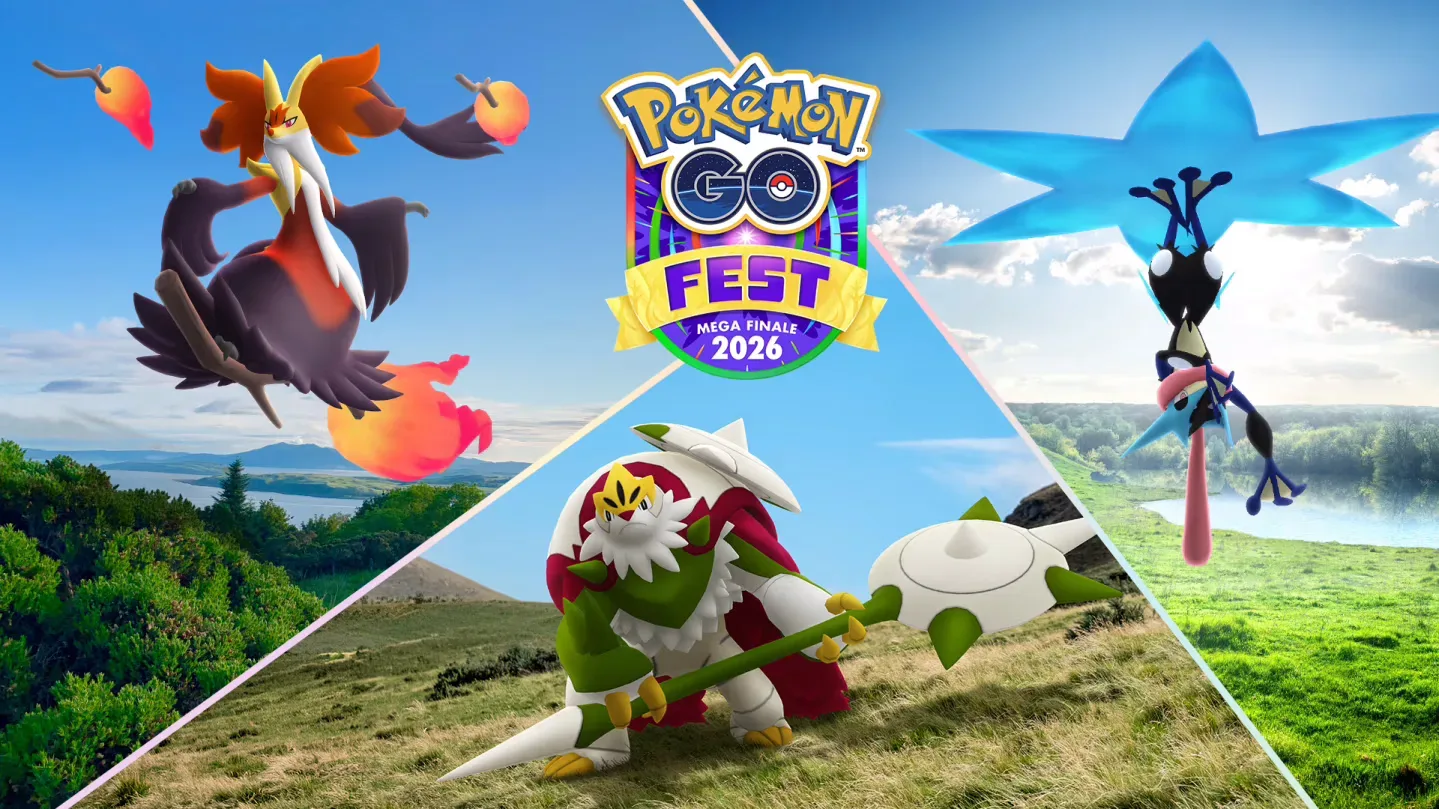
Go Fest: Mega Finale included genuine additions. Mega Chesnaught, Mega Delphox, and Mega Greninja joined the game, though participants could obtain only one of those three Mega Evolutions during the event. Yet the broader raid focus again landed on Mewtwo. Mega Mewtwo X and Mega Mewtwo Y returned, and Armored Mewtwo made its first appearance since 2020.
That alone would have made the weekend significant for collectors, particularly those who missed the unusual armored form six years ago. The timing of a subsequent teaser, however, has dampened enthusiasm among a vocal section of the community. Armored Mewtwo is already promised to return later in 2026, and many players expect that later appearance to finally introduce its Shiny version. For those who had just used a stack of passes chasing Armored Mewtwo, the prospect of another closely spaced round of raids has felt less like a victory lap and more like a repeat charge at the turnstile.
Mewtwo has dominated Pokémon Go’s summer calendar
The reaction is inseparable from the number of Mewtwo-focused moments that have already occurred this summer. Standard Mewtwo raids came back after a lengthy gap, helping build anticipation for the long-awaited arrivals of Mega Mewtwo X and Mega Mewtwo Y. Those Mega forms then featured at Go Fest events held in May, June, and July.
Mega Mewtwo was also central to the game’s New York anniversary event, which attracted its own controversy. In the aftermath of that unease, every player received a Mewtwo with perfect 100% stats. That gift gave the community a landmark specimen, but it also made the season’s reliance on the Psychic-type legend especially conspicuous.
July’s Go Fest Global, the game’s biggest annual event, was effectively a broad Mega Mewtwo raid weekend. A technical issue disrupted raiding through multiple time zones, and a late-July makeup event supplied another chance to battle Mega Mewtwo. Mega Finale then put both Mega forms back in circulation alongside Armored Mewtwo. Looking at the sequence rather than any individual event, it is easy to understand why some players are asking for more room for other Pokémon to headline raids.
Mewtwo is not a random choice. It remains one of the franchise’s most recognizable legendary Pokémon, its Mega variants are valuable targets, and Armored Mewtwo has considerable novelty because of its long absence. Those facts make it an obvious draw. But popularity can be worn down when it is converted into a repeated event centerpiece within a short period, especially when the next return seems likely to carry the incentive that was withheld this time: a possible Shiny hunt.
The Armored Mewtwo tease changes how players view the weekend
Before Mega Finale, Scopely Explore indicated that Armored Mewtwo would appear but would not yet be obtainable in Shiny form. The newly released cinematic teaser confirms another return later this year, without fully spelling out its format or Shiny availability. Player expectations nevertheless point strongly toward a Shiny debut, which would require further raiding for anyone hoping to find one.
Related coverage includes Pokémon Go Players Push Back as Another Mewtwo Return Follows Raid Disruptions.
This is where the response becomes less about whether Armored Mewtwo is desirable and more about pacing. A returning Pokémon can be good news for those unable to participate the first time around. Repeating it almost immediately, after an event built around its availability, creates a different impression for people who did participate. They may reasonably wonder whether the latest pass expenditure was meant to satisfy demand or merely to bridge the gap to a more lucrative Shiny release.
One community reaction reduced that anxiety to a blunt joke: “Armored Mewtwo will return in: give us more money.”
Other responses have similarly accused the game of leaning too heavily on a single fan-favorite Pokémon. Those are player opinions, not proof of the developer’s intent, but they point to a practical trust issue for a live-service game. The more often a desirable raid target returns, the harder it is for players to decide when an opportunity is truly worth pursuing. An upcoming Shiny form can make an unannounced future event feel more important than the event currently on the calendar.
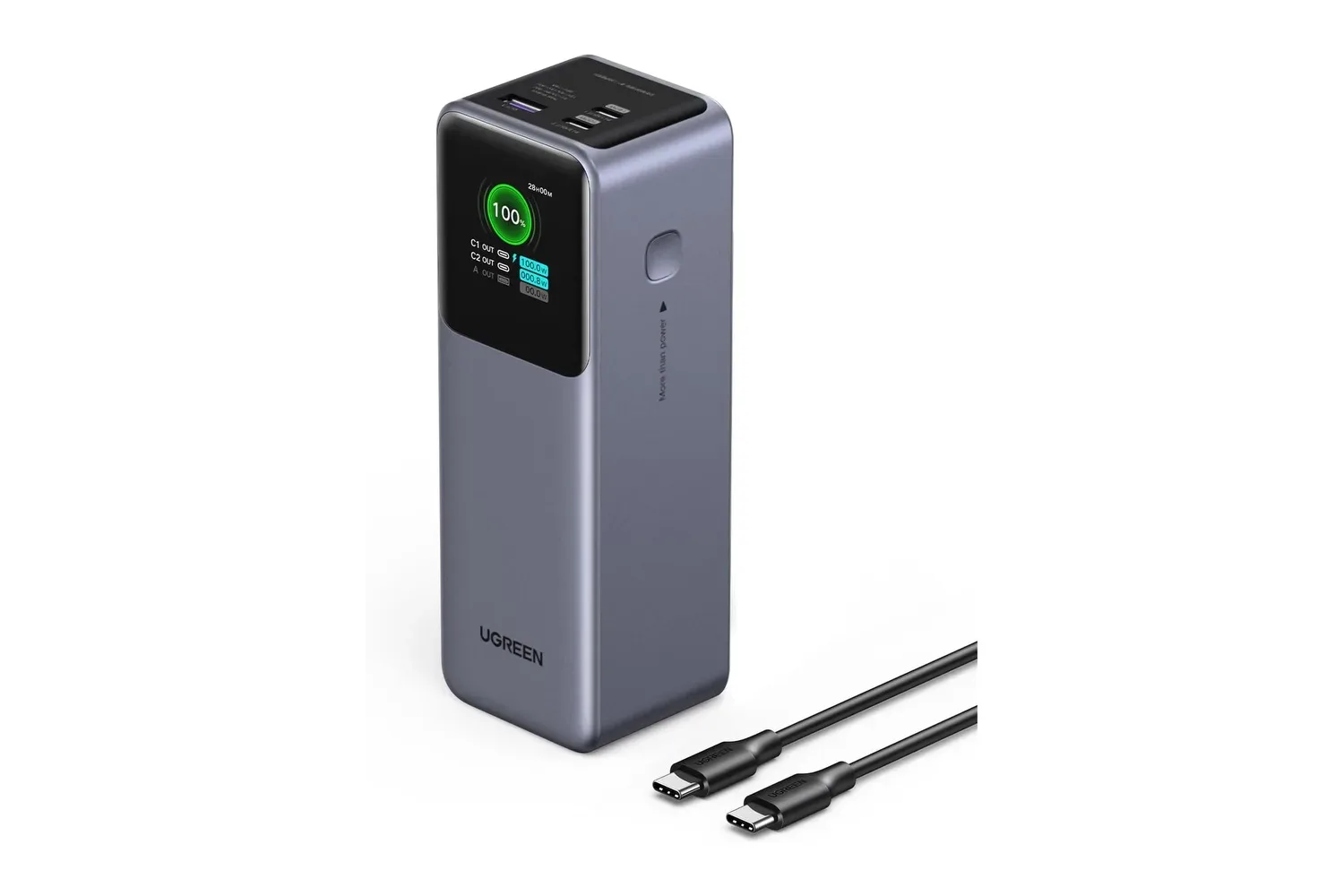
For people who play Pokémon Go outdoors for hours during large events, the basics still matter alongside raid strategy: a reliable connection, enough battery, and a plan for meeting local raid groups. A high-capacity accessory can be useful for that kind of day; our look at the UGREEN 25,000mAh Nexode 200W power bank covers one travel-oriented option. But extra battery capacity cannot solve the central frustration from Mega Finale—server trouble that can interrupt a paid or limited raid attempt.
Raid disruption brings an older system problem back into focus
Scopely Explore acknowledged a short network disruption that affected raids in the Americas during the weekend. The company granted two raid passes as compensation and said it was continuing to monitor the matter. Players seeking additional redress were directed toward customer support, where reports of outcomes have varied.
The disruption has revived a longstanding request: change the moment at which Pokémon Go consumes a raid pass. Under the existing raid system, a free or paid pass is used when the player joins the battle. If technical trouble prevents completion, recovering that pass can mean going through support. That process places an additional burden on someone who may already have lost time, missed a raid lobby, or been unable to coordinate with the same group again.
Newer battle resources operate differently. Max Particles and Link Charges are deducted after a successful battle, rather than immediately upon entry. In simple terms, a player who fails because of a problem before the victory screen does not lose those newer currencies in the same way. The contrast is why calls to modernize raid-pass handling have grown louder after each major technical incident.
Why the difference in currencies matters
The present raid-pass model does have one functional characteristic: after joining a raid, a player can continue trying until they win rather than paying a new entry cost for every attempt. But that benefit is far less persuasive when a failure is caused by connectivity or server issues outside the player’s control. In those cases, the system’s immediate deduction becomes the very thing players object to.
A senior Pokémon Go producer previously described the post-victory consumption of Max Particles and Link Charges as a lesson applied from the older raid model. The producer also said the team tries to provide reimbursement paths when crashes happen, while acknowledging that the arrangement is not ideal. Crucially, there was no indication that raid passes themselves would be retroactively shifted to the newer approach.
That leaves a mismatch in player experience. Pokémon Go already has mechanics demonstrating that a battle resource can be protected until a win is registered. Raid passes remain tied to joining. When systems fail during a large event, the older design asks players to trust customer support and compensation decisions afterward rather than preventing the loss in the first place.
A stronger event mix would help restore confidence
Mega Finale was not empty of new material. The addition of Mega Chesnaught, Mega Delphox, and Mega Greninja gives collectors and battlers new goals, even with the limitation that only one could be acquired during the event. The issue is that these debuts had to share oxygen with yet another Mewtwo-heavy program.
There is also a broader event-design lesson here. Major Pokémon Go weekends ask for planning, travel, time and, for many players, premium raid passes. Repeatedly featuring a marquee legendary can still generate attention, but the perceived value of each appearance depends on variety, clear expectations, and technical reliability. A new Shiny release later in the year may indeed entice dedicated Armored Mewtwo collectors. It will also test whether the community sees that return as a welcome second chance or as proof that the prior weekend was only the opening act of another monetization loop.
For now, the loudest requests are straightforward: diversify the headline raid targets, address failures before passes are lost, and make compensation less dependent on individual support tickets. Mewtwo remains a massive draw. The challenge is making sure that its next arrival feels like an event rather than an invoice with psychic powers.