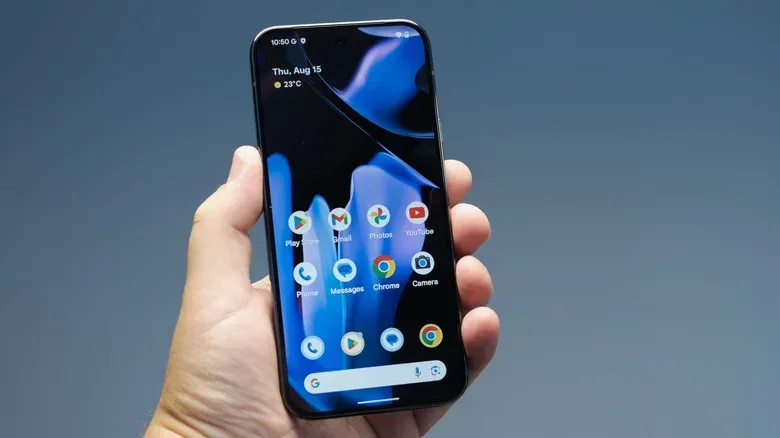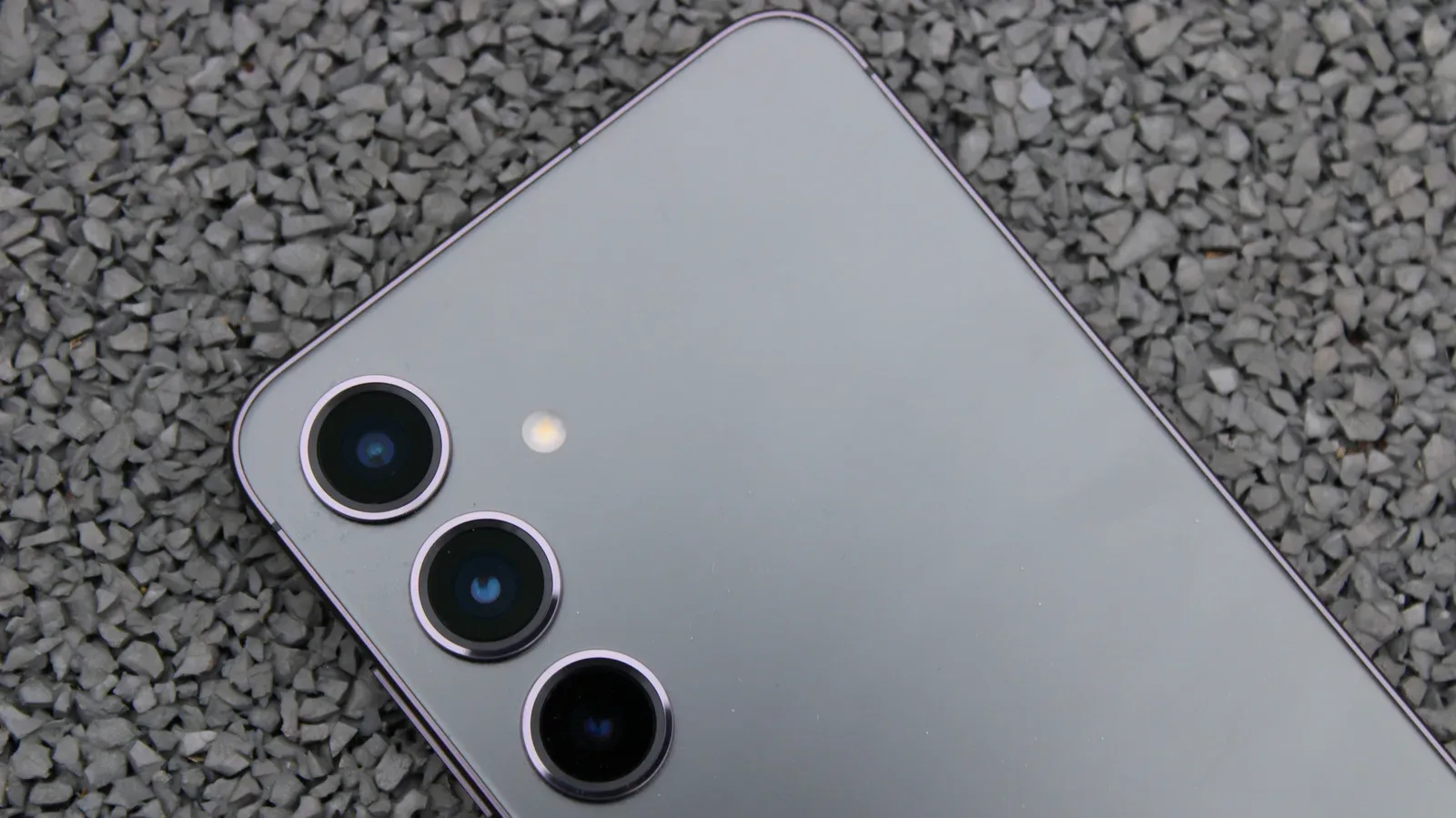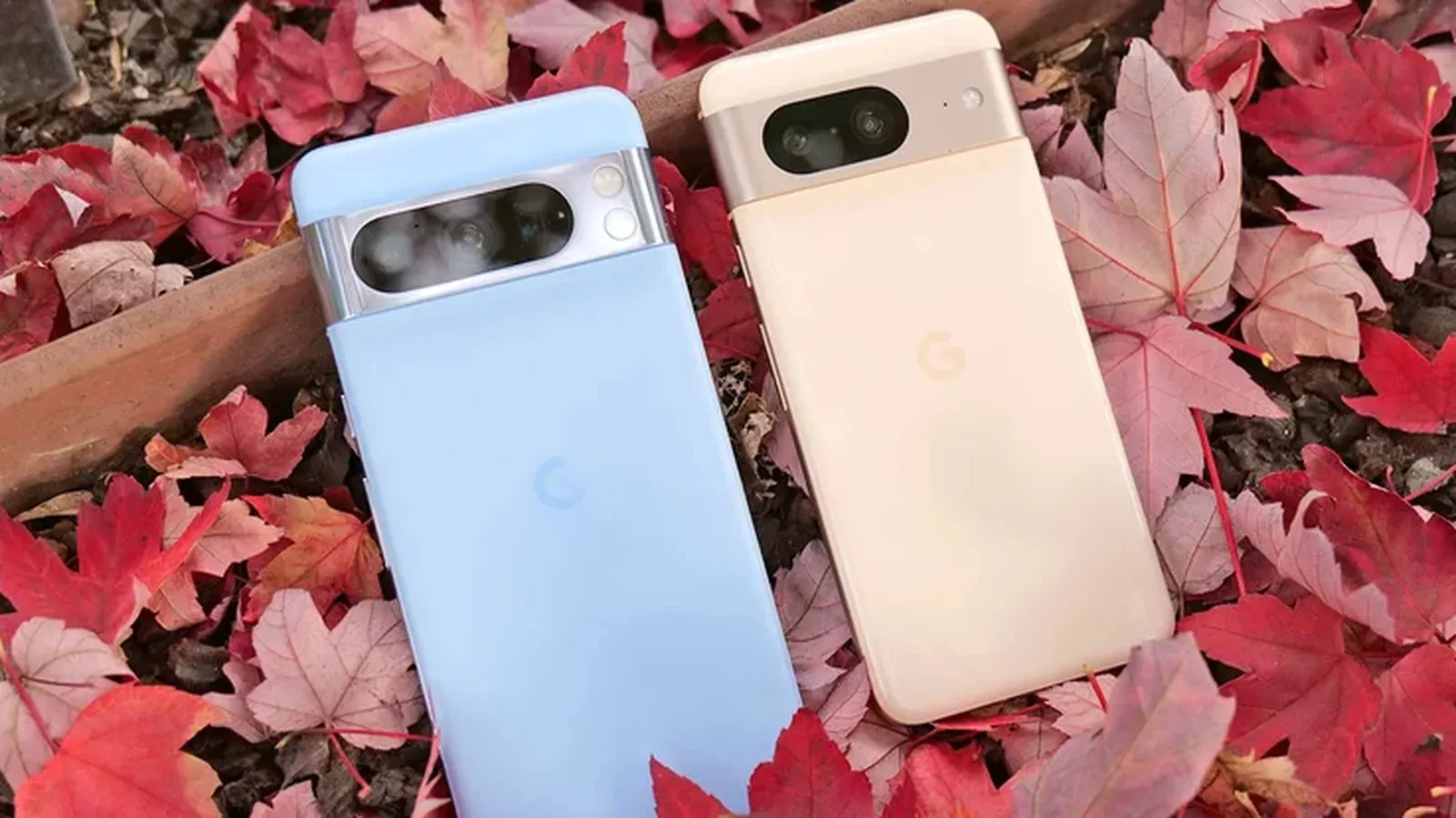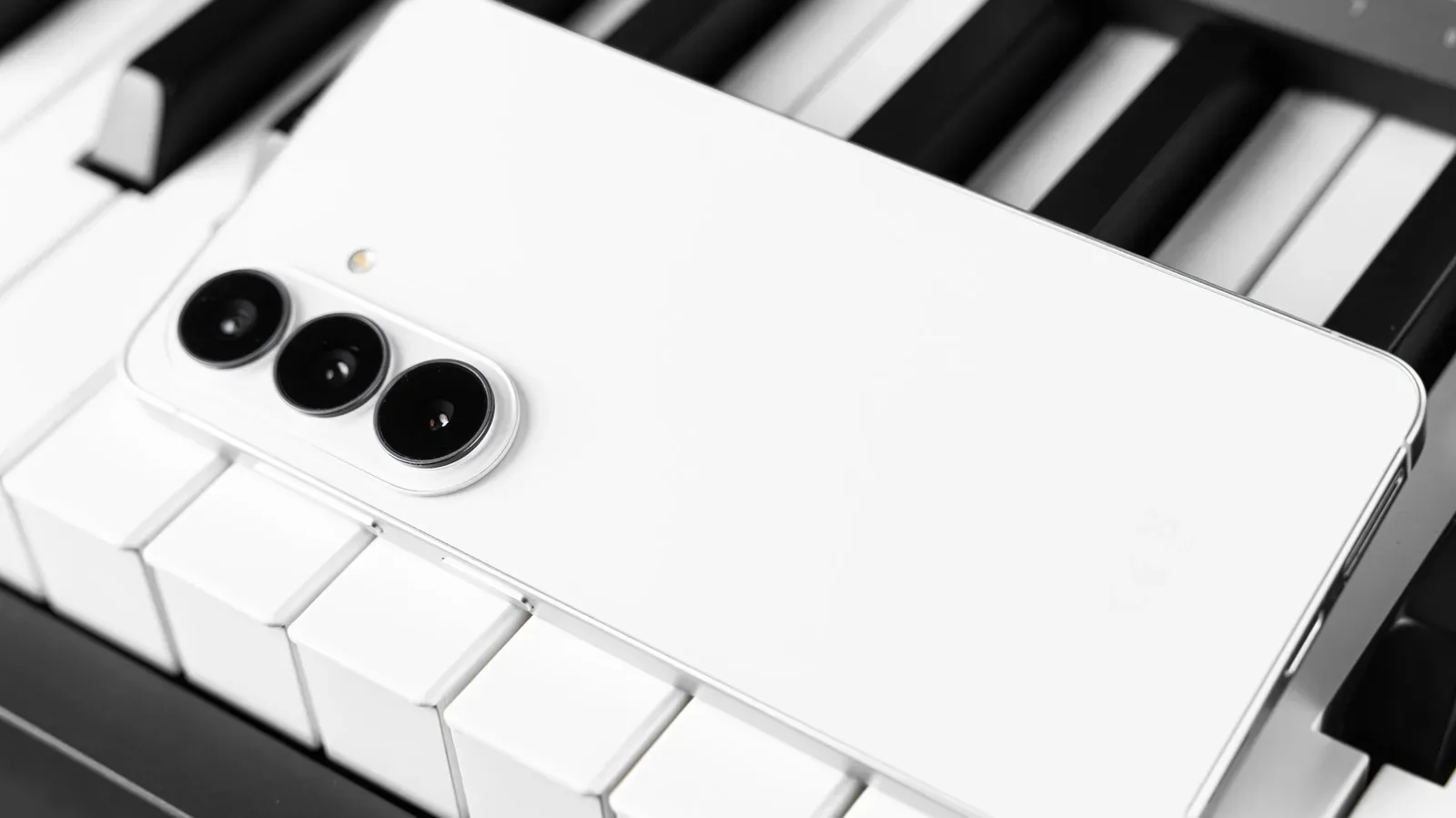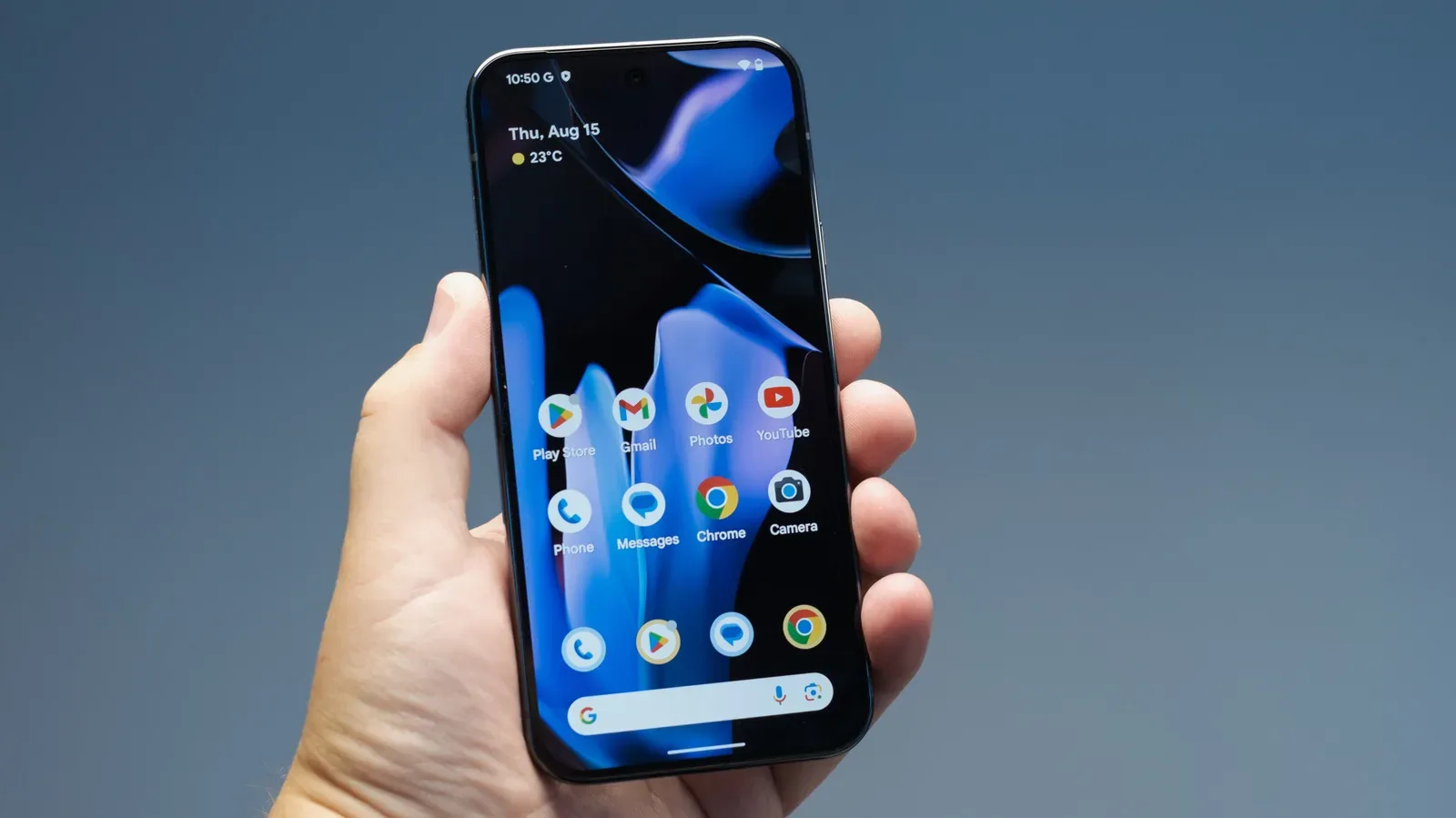
A cheap Android phone is only a bargain if it can survive the ordinary chaos of a day: messages arriving while a video plays, maps running when the battery is already under pressure, photos worth keeping, and enough room for apps without the dreaded storage warning. A premium metal finish is nice, but it is not the part of the phone that determines whether basic tasks become irritating six months later.
For shoppers aiming around $300 or less, the productive approach is to separate the specs that affect daily usability from the ones that mainly look good on a retail listing. Some compromises are perfectly sensible. A case can cover an unremarkable frame. A display that is too dim outdoors, too little RAM for multitasking, or an aging processor that stutters through streaming is much harder to work around.
There is no single perfect specification sheet for everyone. Someone buying a backup handset chiefly for calls and messaging may accept weaker cameras. A casual creator has more reason to prioritize photo results, while mobile-game players should place more weight on memory and processor performance. Still, a useful baseline exists. The following is a practical buying floor, not a promise that every phone meeting it will suit every person.
Start with the experience, not the discount label
“Budget” describes a price bracket, not a standard of performance. Two phones may cost roughly the same while making very different trade-offs. One may preserve battery capacity and software support but skimp on storage; another may advertise a high-resolution camera while cutting memory or using a processor that makes the rest of the phone feel slow.
For more context, explore Jay-Z Revisits Irv Gotti Rift, Calling His Own 50 Cent Move ‘Still Betrayal’.
That is why it helps to read a phone listing as a set of connected decisions. RAM affects whether apps stay responsive in the background. Storage determines how quickly photos, downloads and games create a space problem. The processor influences the pace of the interface, streaming and games. Battery capacity shapes how much margin is left at the end of the day. Camera specifications are useful clues, but they need to be considered with sensor size rather than megapixels alone.
In other words: do not let one heroic number excuse several weak ones. A cheap phone with a huge battery can still be tedious if its memory is inadequate. A large screen does not automatically make a good display if it is difficult to see outside. A high megapixel count does not guarantee the photos a buyer actually wants.
Display: establish a usable floor
Screen size is subjective, but a display of at least 5.6 inches is a reasonable minimum for modern use. Many current options are 6.1 inches or larger. That extra room can make typing with two hands, reading, watching video and navigating apps feel substantially less cramped without necessarily making the phone impossible to hold.
More important than sheer diagonal size are the display’s underlying panel, resolution and brightness. An AMOLED panel with HD resolution is a strong target in this price range. AMOLED is a display technology in which pixels emit their own light; in practical terms, it is a specification worth seeking alongside the basics rather than treating it as a decorative bonus.
Brightness deserves special attention because it is often easy to overlook in a product card. A peak brightness of at least 1,000 nits is a useful benchmark for visibility in direct sunlight. A nit is a measurement of screen brightness. A phone can look perfectly fine indoors, then become difficult to read outside if brightness is not sufficient. For a device used for maps, messages, tickets, camera framing and quick checks away from home, that is a real quality-of-life issue.
What to check before checkout
- At least a 5.6-inch display; 6.1 inches or more is common.
- An AMOLED panel and HD resolution.
- Peak brightness around 1,000 nits or higher for more credible outdoor visibility.
These benchmarks do not say that a smaller or dimmer phone is unusable. They say that a deep discount should be treated cautiously if it demands either compromise, especially when the phone is intended as a primary daily device.
RAM, storage and the processor are the anti-frustration trio
For a budget Android phone, 6GB of RAM should be the starting point. RAM is short-term working memory: it helps the phone hold active apps and tasks ready to resume. With too little, the costs may show up as slow app switching, less consistent streaming, background apps closing sooner than expected, and a generally hesitant response when several things are happening at once.
Shoppers planning to play many mobile games should look toward 8GB of RAM. This is not a guarantee that every demanding game will run brilliantly, because the processor also matters, but it gives the phone more breathing room for gaming and multitasking.
Storage is a separate limit. It holds apps, photos, downloaded media and other files over the long term. Where expandable storage is absent, 128GB is the minimum worth considering. It is a practical floor rather than an abundance. Buyers who want a larger cushion should choose 256GB, particularly if they keep photos locally, download media, or install sizable games. Otherwise, management becomes part of ownership: deleting files, moving material elsewhere, or paying for cloud storage to keep the phone usable.
The processor, often called the chipset, is the component responsible for carrying out the phone’s computing work. A buyer does not need the newest or fastest available chip to have a good experience. But an old or poorly performing processor can undermine every other respectable-looking spec. It can make video streaming feel sluggish, apps slow to open, and games less enjoyable.
Rather than selecting a phone because a processor name sounds technical, check its age and look for performance reporting on the specific device. This is especially important for gaming. Plenty of RAM cannot fully compensate for a weak processor, just as a strong processor cannot erase the limitations of low memory.
Battery capacity should support a full day, not a scavenger hunt for a charger
Battery capacity is measured in milliamp hours, written as mAh. It is not a complete prediction of endurance, since software and workload also affect power use, but it remains a useful baseline. At least 4,500mAh is sufficient in a phone that is not handling intensive AI processing. A 5,000mAh battery is the better starting point for all-day use with moderate activity.
That distinction matters because budget-phone buyers often hold onto devices rather than replacing them quickly. Buying enough battery capacity at the outset is a way to preserve flexibility: more time for messages, music, maps, browsing and video before charging becomes urgent. It is also a spec that should take priority over cosmetic flourishes. A handsome phone that needs constant charging is not a durable value proposition.
Camera shopping: megapixels are not the entire story
A cheap phone does not have to replace dedicated camera equipment. It should, however, capture images good enough to share and keep. A rear camera with at least a 32MP sensor is a sensible spec to seek. For the front camera, 12MP is a useful minimum for selfies.
Those figures are starting points, not verdicts. Sensor size is also important. A larger sensor can capture more light, which can improve photographs overall. That means a lower-megapixel camera with a better sensor may produce preferable results compared with another camera that wins only on its megapixel number. Buyers should therefore resist treating “more MP” as an automatic ranking system.
This is where use case legitimately changes the decision. If photos are only occasional records or social posts, competent cameras may be enough. If the phone will routinely be used for casual content creation, camera performance deserves greater scrutiny. The key is not to pay for a camera label; it is to prioritize the kind of results the buyer will actually depend on.
Do not forget the quiet essentials
Several smaller features can have an outsized effect on convenience. NFC is worth looking for if tap-to-pay matters. NFC, or near-field communication, is the short-range wireless technology used for that type of payment. It is easy to miss until a buyer expects to pay with the phone and discovers the capability is absent.
Recent Bluetooth support is another practical consideration for dependable connections with headphones and speakers. It may not be the feature that sells a handset, but reliable audio accessories are a frequent part of everyday use.
Software and security support may be the most important long-term check, particularly when considering an older model or a renewed phone. Before buying, confirm that it still has at least a few years of support remaining. Hardware value drops sharply if the software timeline is too close to its end, because a phone is not merely a screen and battery; it is also the software receiving maintenance over time.
How to turn the checklist into a purchase decision
First, decide which role the phone will serve: primary handset, secondary device, media player, camera-first social phone, or casual gaming device. Then treat the following as the core checklist:
- Seek a 5.6-inch-or-larger AMOLED HD display with roughly 1,000 nits of peak brightness.
- Require 6GB RAM; consider 8GB for frequent mobile gaming.
- Choose 128GB storage as a minimum without expandable storage, or 256GB for more headroom.
- Check the processor’s age and reported performance rather than assuming a low price is acceptable for lag.
- Target 5,000mAh battery capacity where possible; regard 4,500mAh as the lower acceptable mark for lighter demands.
- Look beyond megapixels, while using 32MP rear and 12MP front cameras as useful starting figures.
- Verify NFC, recent Bluetooth, and remaining software and security support.
Samsung’s Galaxy A line, along with devices from Nothing and Motorola, are among the kinds of phones that can fit these requirements. An older Google Pixel can also be a credible option: a renewed Pixel 8a has been available for just over $300 while covering the major essentials in this checklist. The broader lesson is that an older mid-range device or seasonal promotion can sometimes deliver more practical hardware than a brand-new phone built to hit the lowest possible price.
For a concise set of the same budget-phone benchmarks, see this cheap Android phone specifications guide. The smart compromise is not accepting every cut. It is refusing the cuts that will be felt every day.