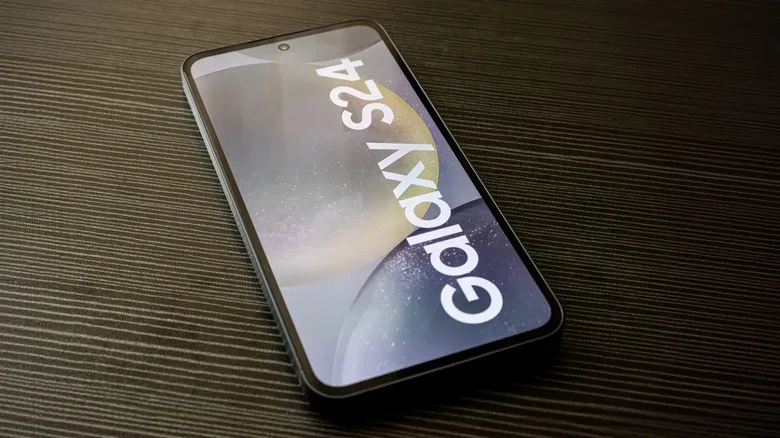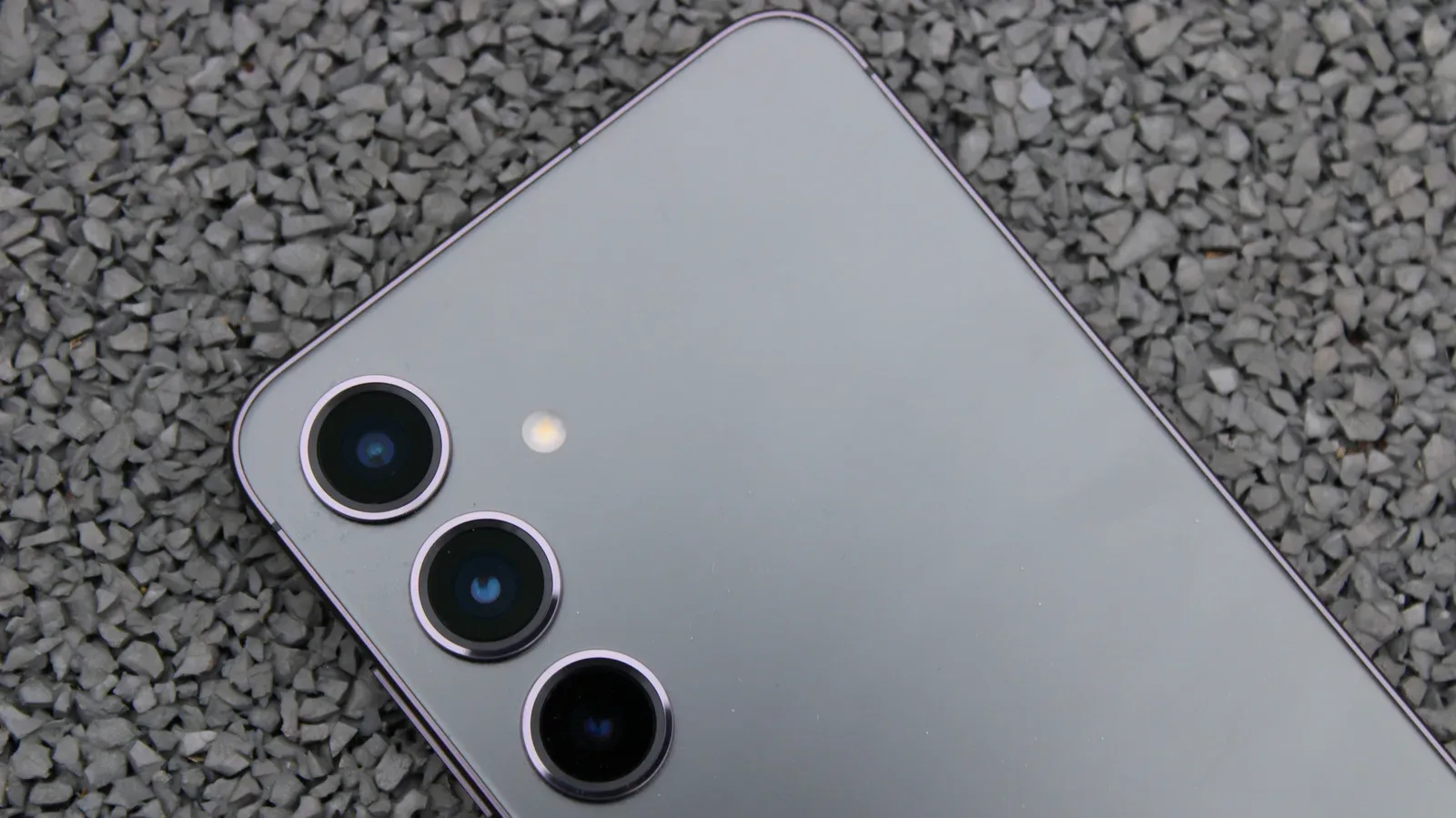
The Samsung Galaxy S24 is not obsolete in 2026. Far from it: this is a former flagship with the sort of specification sheet that can still make a budget-conscious buyer pause before choosing a brand-new mid-range handset. It has a compact 6.2-inch AMOLED display with a 120Hz refresh rate, strong processing hardware in the U.S. version, wireless charging, IP68 dust and water resistance, and cameras that include a dedicated telephoto lens.
For gaming, streaming, photo taking and ordinary daily phone business, that is a remarkably complete loadout. The problem is not whether the Galaxy S24 can still perform. It can. The problem is whether any particular refurbished or renewed listing leaves enough money on the table to justify buying an older device rather than a current model with a fresh battery and a longer runway of support.
The short version is that an unlocked Galaxy S24 around $300 to $350 can still be a compelling find, provided its condition, battery history and return policy check out. At $400 to $500, however, the value calculation gets considerably tougher. New phones released in early 2026 compete directly in that range, and they may bring larger batteries, newer imaging hardware, or more of their promised software lives still ahead of them.
Why the Galaxy S24 still plays like a flagship
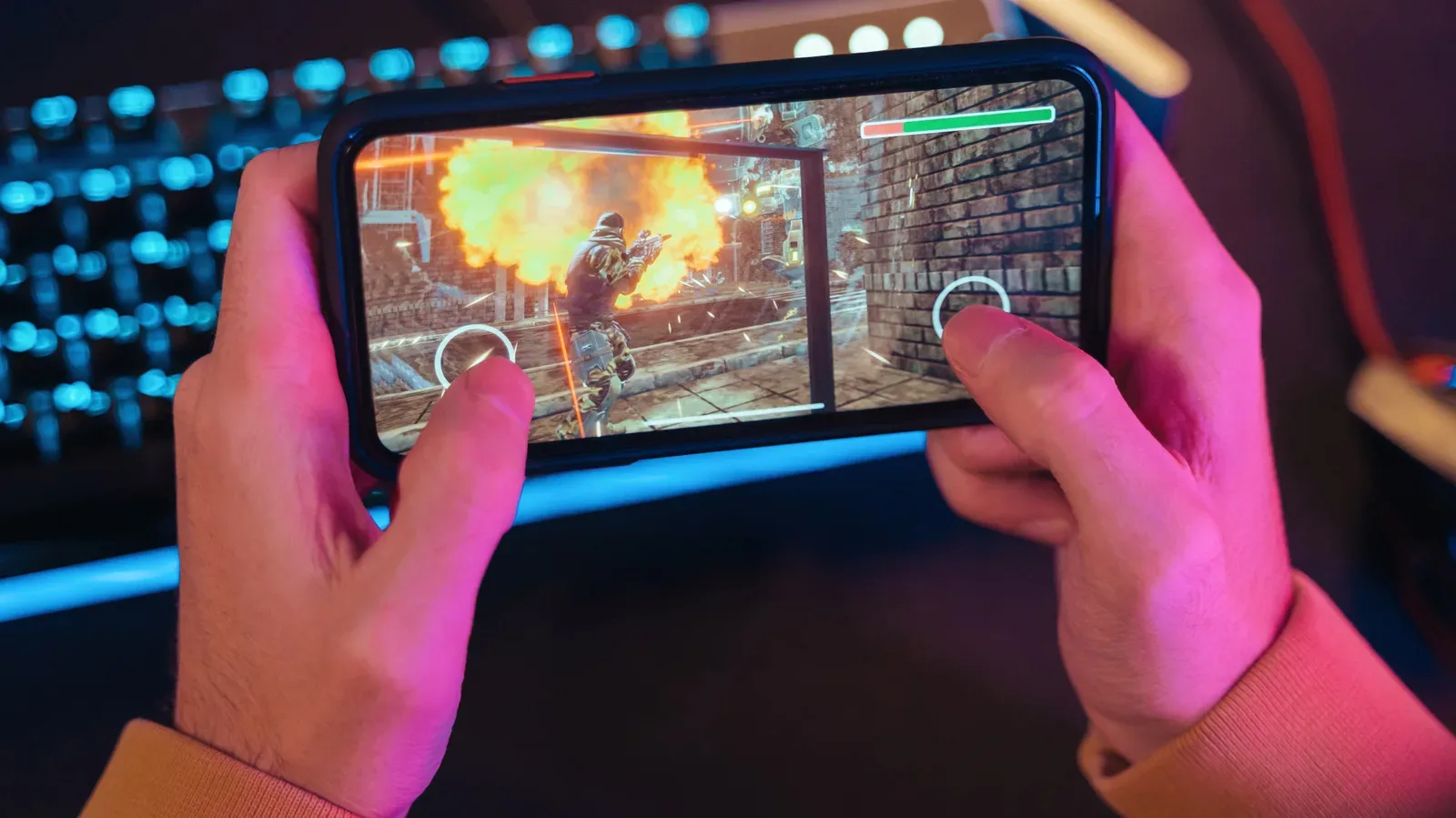
Samsung introduced the Galaxy S24 in January 2024 at $800. More than two and a half years later, its defining strengths remain meaningful rather than merely historical trivia. Its 6.2-inch size is especially important. Phones have generally become enormous, so a device that is easier to hold without giving up a smooth 120Hz panel is still a distinct option for players who use touch controls, emulation front ends, cloud streaming apps, or simply want a phone that fits a pocket without feeling like a handheld console.
U.S. Galaxy S24 models use Qualcomm’s Snapdragon 8 Gen 3 processor. It retains ample horsepower for demanding games as well as the mundane multitasking that can make lesser devices feel tired long before their software support ends. Buyers should not assume every S24 has that chip, though. Some international variants use Samsung’s Exynos 2400 processor, making model verification a necessary part of any cross-border or marketplace purchase.
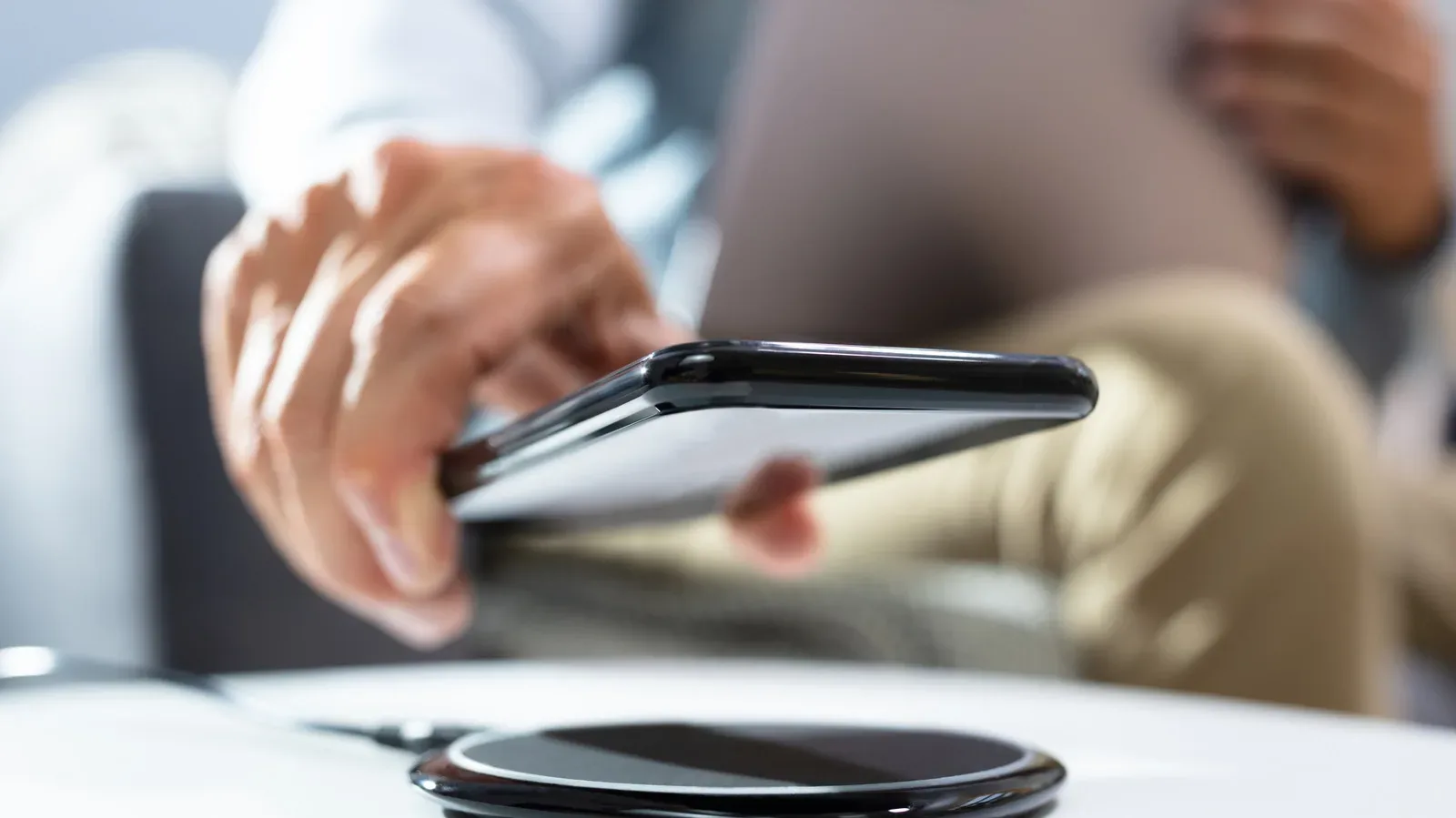
The phone’s premium practical features also deserve weight in a buying decision. Wireless charging remains absent on some newer mid-range competitors. An IP68 rating offers welcome protection against dust and water. Those qualities do not create higher frame rates, but they can make the difference between a phone that feels like an inexpensive compromise and one that still feels fully equipped day to day.
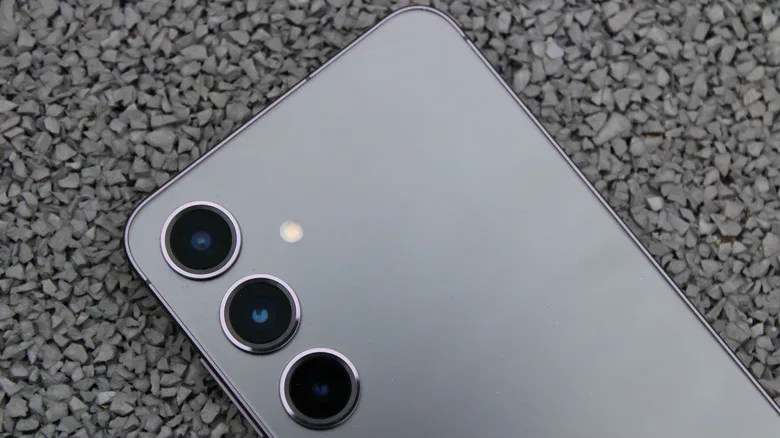
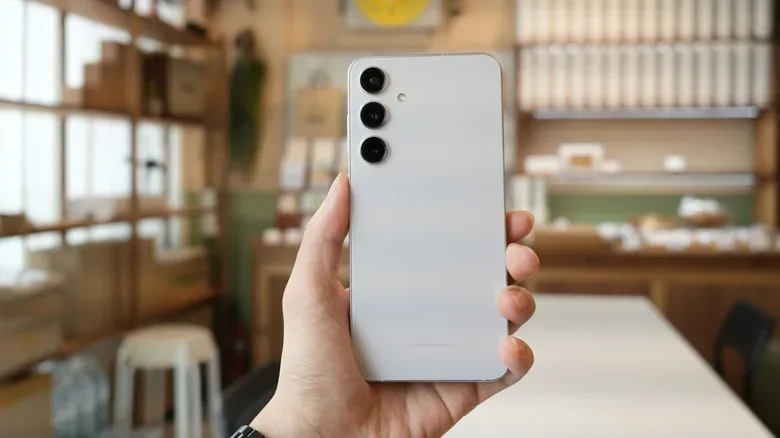
Camera flexibility is another area where the S24 has held up. Its rear array pairs a 50-megapixel main camera with a 12-megapixel ultrawide and a 3x telephoto camera. A genuine telephoto lens is useful because it handles distance shots without leaning entirely on a cropped portion of the main sensor. Plenty of mid-range phones still omit that option. The S24 is not a flawless night photographer, however: low-light images can appear darker and noisier than shots from competing flagships.
Software support is good, but age still matters
Samsung committed to seven generations of operating-system upgrades and seven years of security updates for the Galaxy S24, a window that extends into 2031. That is a substantial promise and means an S24 bought now is not about to be abandoned. Someone who wants a lower-cost Android phone without facing an imminent update cutoff can take real comfort from that schedule.
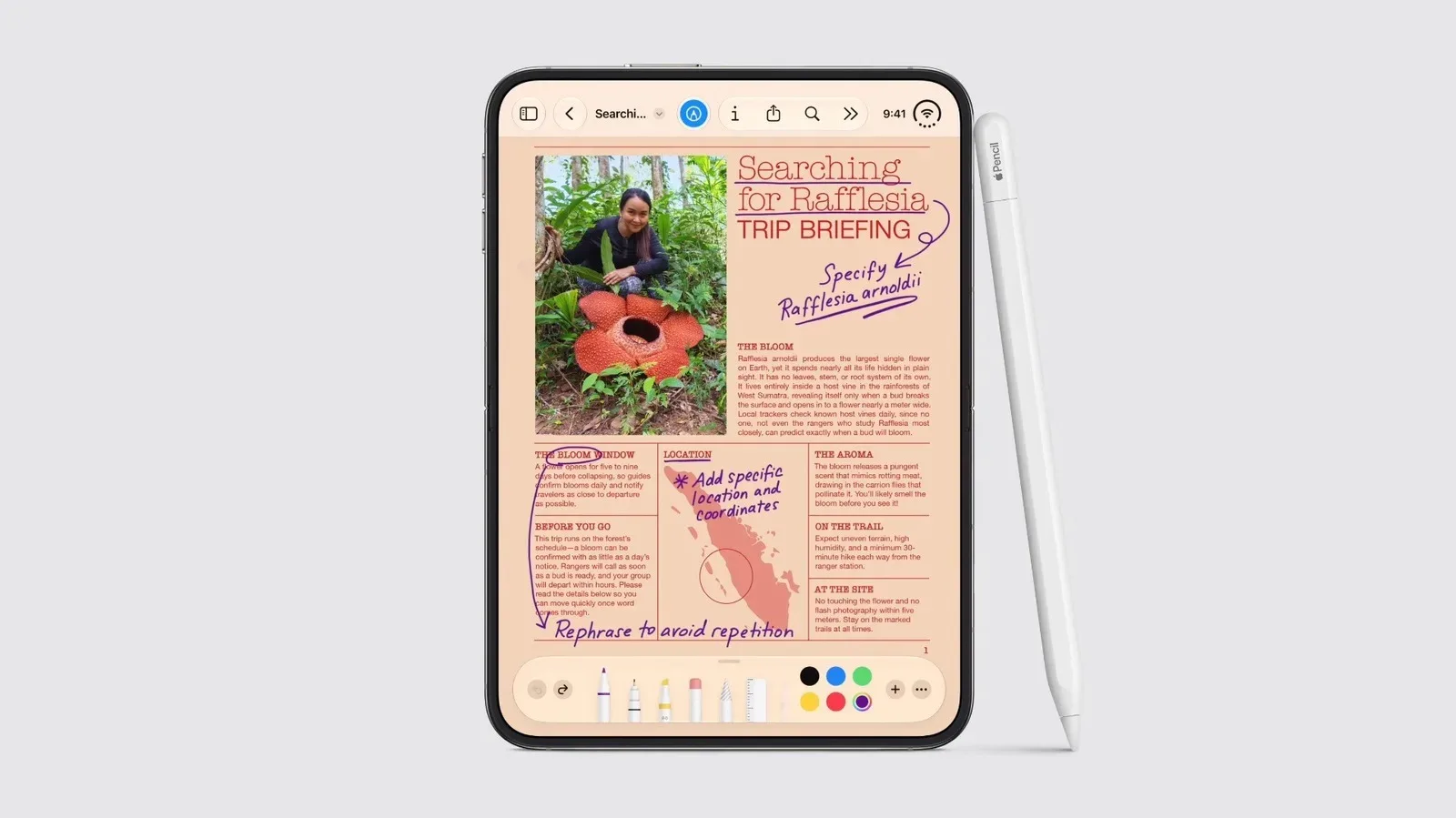
Still, support should be viewed as remaining time, not just the impressive size of the original pledge. A phone introduced in 2026 begins with more of its useful update life untouched. That may matter to a buyer who keeps a phone for years, particularly when the used S24’s asking price approaches current-model territory. The same principle applies across platforms: hardware age becomes harder to overlook as the price creeps closer to newer entry-level products. The wider mobile market is continuing to evolve quickly, as seen in developments such as Apple Pencil support planned for the iPhone Duo.
In other words, the S24’s update policy protects it from being a short-term purchase. It does not automatically make every refurbished unit a long-term bargain.
The refurbished-phone boss fight: battery condition
The biggest variable in a second-hand Galaxy S24 is not its screen condition or whether the frame has a tiny scuff. It is the battery. The S24 has a 4,000mAh battery, and when it was new it delivered roughly 24.5 hours in a video rundown test. That establishes what the model was capable of when fresh; it cannot reveal the remaining capacity of the phone sitting in a reseller’s warehouse or on an individual seller’s desk.
Lithium-ion batteries degrade with use. A polished listing marked “excellent” may mean the exterior looks great, not that the battery was replaced. This is particularly relevant for gaming, where sustained performance, streaming and heat can turn a merely weakened battery into a daily irritation. A cheap purchase can stop feeling cheap if a replacement battery is soon required.
When inspection is possible, look at Settings, then Battery, then Battery information to review the handset’s health. Samsung Members’ battery diagnostics can also help when evaluating a device in person. Ask direct questions before paying:
- Has the battery been replaced, and if so, with what part?
- Does the seller guarantee a minimum battery-health level?
- What does the warranty actually cover?
- How long is the return window?
- Is the device truly unlocked for the intended carrier?
While still within the return period, test the display, cameras, charging port and cellular service. These are not glamorous checks, but they are more useful than trusting a cosmetic grade alone.
Official refurbishment changes the risk, not necessarily the value
Samsung’s Certified Re-Newed route reduces some of the uncertainty. Certified Galaxy S24 units include a new battery, genuine parts and a one-year manufacturer warranty. That is meaningful reassurance for someone who does not want to gamble on a marketplace listing.
Yet the price complicates the proposition. A certified renewed Galaxy S24 starts at $519, only $80 less than a certified refurbished Galaxy S25 starting at $599. At that point, buying the newer generation deserves serious consideration. The older phone is no longer winning because it is dramatically cheaper; it is asking the shopper to accept older hardware for a relatively modest saving.
This is the central rule for the S24 in 2026: do not judge it by the original $800 flagship price. Judge it by the phones actually available for the same money today.
Newer options in the same spending zone
Google Pixel 10a
Starting at $499, the Pixel 10a is a strong new-phone alternative for a buyer who wants Android and uncomplicated long-term ownership. It has a 6.3-inch 120Hz OLED display, a 5,100mAh battery and seven years of OS and security updates. Its camera software and bright display are notable strengths, while charging is comparatively slow. Its Tensor G4 processor is less powerful than the S24’s Snapdragon 8 Gen 3, and it lacks a dedicated telephoto lens, but it offers a fresh battery and a full support commitment from the day of purchase.
Nothing Phone 4a Pro
The $499 Nothing Phone 4a Pro goes in a different direction: a larger 6.83-inch display, an aluminum unibody and a 3.5x periscope telephoto camera. Battery life and still photos are strong points, while video is less persuasive. It does not support wireless charging, and its update pledge is shorter at three years of Android upgrades plus six years of security updates. It is a better fit for buyers who prioritize a giant display, unusual design and camera versatility over compact comfort.
Samsung Galaxy A37 5G
At $449.99, the Galaxy A37 5G is the simplest alternative for someone committed to Samsung’s software and ecosystem. It has a 6.7-inch OLED display, a 5,000mAh battery, 45W charging and six generations of OS upgrades. Its screen and battery life are appealing, but its processor is less potent, the base model has 6GB of RAM, and there is no telephoto camera. The S24 can therefore remain the better choice for performance-focused gaming and zoom photography. The A37’s appeal is its new-device certainty, bigger screen and fresh battery.
iPhone 17e
Buyers willing to move to iOS can consider the $599 iPhone 17e. It includes an A19 processor, 256GB of base storage and MagSafe charging. Its compromises are clear next to the S24: a single rear camera and a 60Hz display. It is not an across-the-board upgrade. But it is newer hardware with much more base storage for people who expect to keep one phone for a long stretch.
Who should buy the Galaxy S24 now?
The Galaxy S24 remains a smart purchase for a specific shopper: someone who finds an unlocked unit near $300 to $350, prefers a smaller Android phone, values flagship-level processing, and wants a real 3x telephoto camera rather than a digital approximation. It also makes sense for a buyer who can personally verify battery health and is protected by a reasonable return policy.
Above that range, be increasingly skeptical. Listings above $400 are close enough to new mid-range choices that battery wear, lesser remaining software time and warranty gaps become more consequential. At $519 for certified renewed hardware, compare the certified S25 at $599 instead of automatically rewarding the older model for carrying a lower number.
The S24 has not lost its abilities. It has simply entered the phase of its life where the deal matters as much as the device. Secure a low price and confirm the battery story, and it can still be a compact powerhouse. Pay near-new-phone money without those assurances, and a 2026 alternative is usually the safer play.