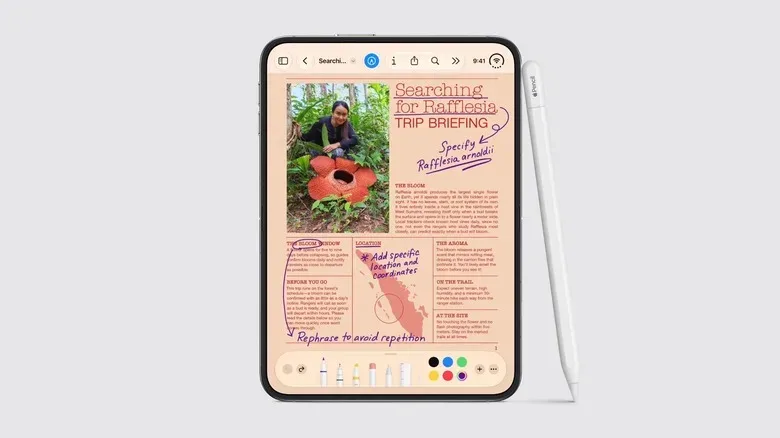
For years, the answer to a deceptively simple question—can an Apple Pencil work with an iPhone?—has been an uncomplicated no. Apple’s stylus has belonged to the iPad ecosystem, while iPhones, Macs, and the rest of the company’s hardware have remained outside its compatibility circle.
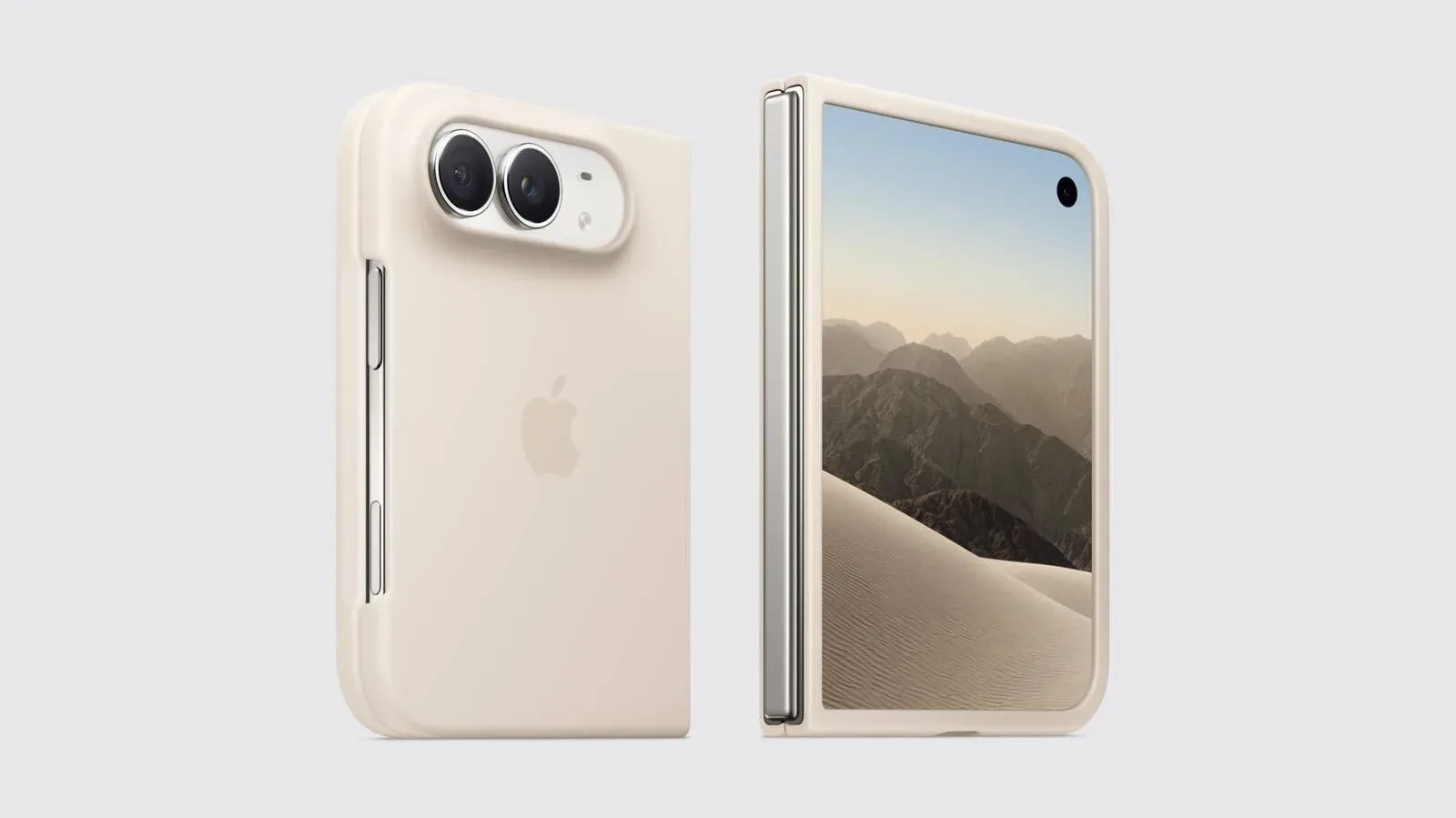
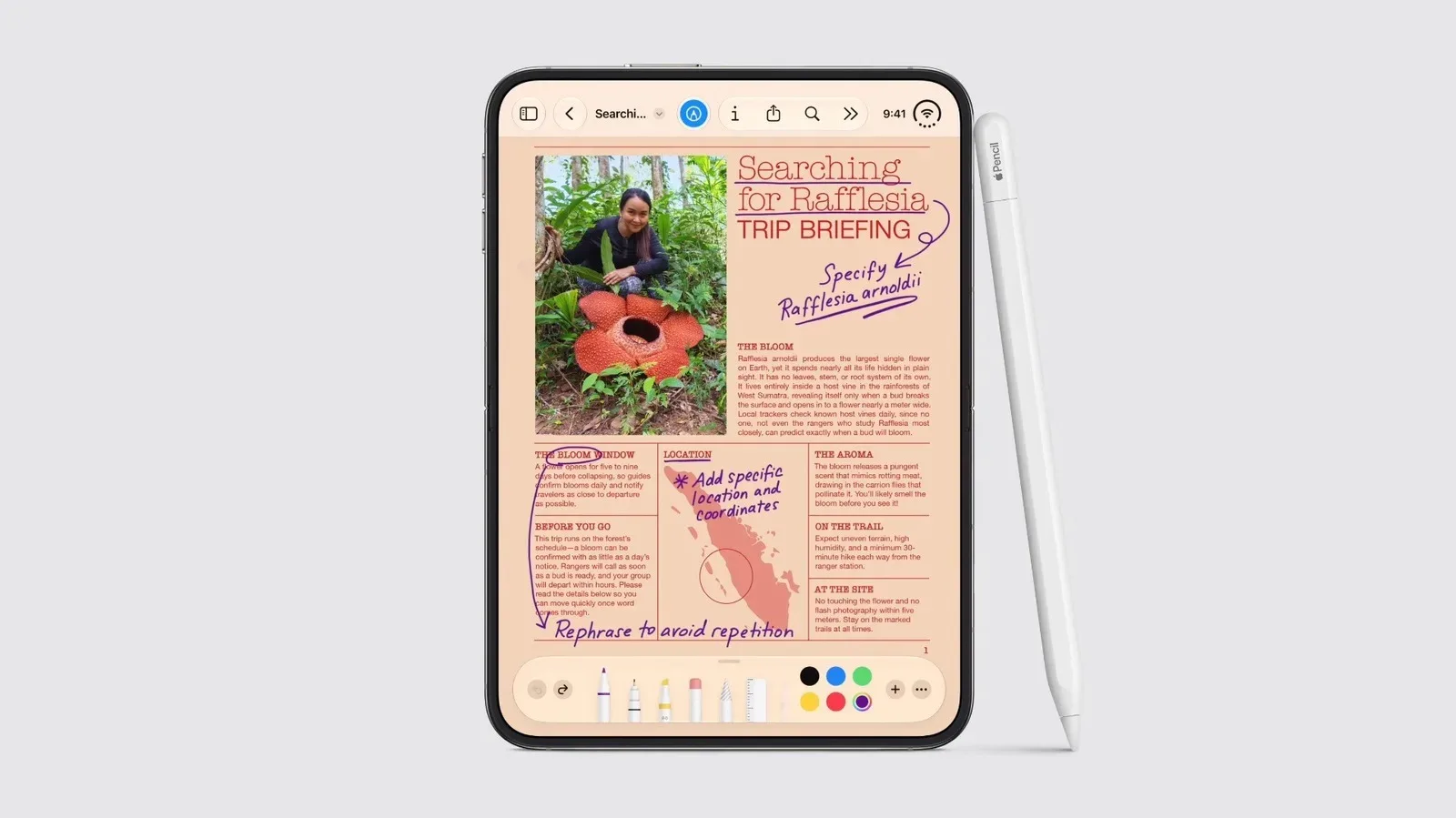
The iPhone Duo changes that position. Apple Pencil input is planned for the new foldable-style iPhone, making it the first iPhone intended to work with the accessory. That is a notable reversal for a product family whose early identity was famously built around fingers rather than styluses. It also gives the Duo a potentially useful role as both a pocketable phone and a larger canvas when its main display is open.
There are important qualifications before anyone starts treating an iPhone Duo as a miniature digital sketchbook, however. Pencil functionality will not be active at launch, it will require a later iOS update, and compatibility is restricted to one particular Apple Pencil model. Existing owners of more premium Pencils will not be able to simply bring their accessory over to the new phone.
Apple Pencil support will arrive after the iPhone Duo launches
The iPhone Duo is expected to ship with iOS 27.1 in October, but Apple Pencil support is not included in that initial software setup. Apple has indicated that support will arrive in an iOS update later in the year. If the expected release cadence holds, iOS 27.2 around November is a plausible destination, but that timing has not been formally locked down.
That distinction matters for prospective buyers. The Duo may have the underlying hardware and display setup necessary for stylus use, but the feature depends on software that is still pending. Until the relevant update arrives, purchasing a compatible Pencil will not unlock the advertised phone-and-stylus combination.
Delayed feature rollouts are hardly unheard of in consumer tech, particularly where new hardware categories meet operating-system changes. Still, this means Apple Pencil compatibility should be considered a forthcoming capability rather than a day-one reason to buy the device. Anyone who needs handwritten notes, drawing tools, or precision markup immediately should keep that limitation in mind.
Only the USB-C Apple Pencil is compatible
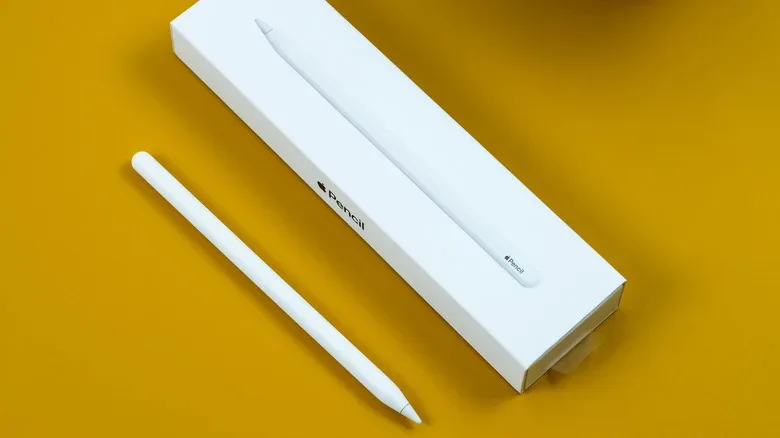
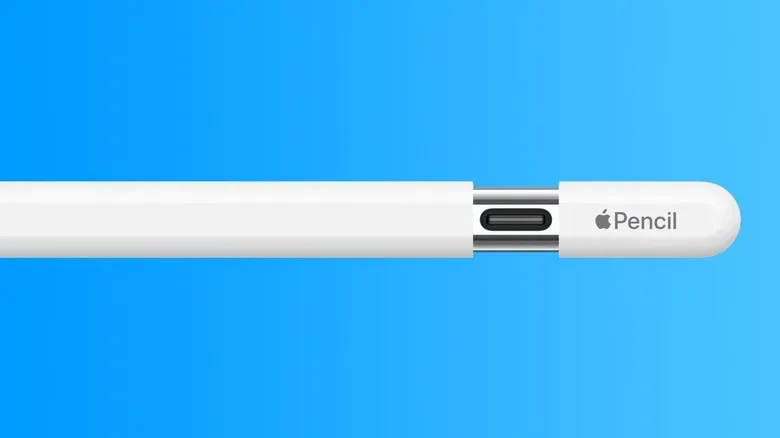
The central caveat is unusually specific: the iPhone Duo supports only the Apple Pencil USB-C. Apple Pencil 2 and Apple Pencil Pro owners are not covered, despite those accessories sitting higher in Apple’s stylus range. For people who already own one of those models, the Duo’s Pencil feature means buying another accessory rather than reusing the one they have.
The Apple Pencil USB-C costs $79. That is an additional purchase for anyone who does not already have that exact version, and it gives the Duo’s compatibility a less generous feel than a broad, generation-spanning standard would have. The phone may technically welcome Apple Pencil input, but it is doing so through a narrow door.
Apple has not detailed why support is limited in this way. A likely practical factor is charging and attachment. Compatible iPads can use magnets to hold certain Pencil models in place and charge them wirelessly. The iPhone Duo apparently does not provide that magnetic mounting and charging arrangement for the Pencil. Instead, the USB-C model pairs and recharges through a USB-C cable.
That method is functional, but it changes the everyday experience. There is no indication that the Pencil can live magnetically along the edge of the phone, where it stays convenient and topped up. Users will need to remember the accessory, remember the cable when charging is needed, and find a place to carry a full-size stylus alongside a device chosen partly for its phone-like portability.
The iPhone Duo does not turn every Apple Pencil into an iPhone accessory. It creates a new pairing between one USB-C Pencil and one specific iPhone model.
Both iPhone Duo screens can use the Pencil
The stronger part of the feature is that Pencil input is expected to work across both of the iPhone Duo’s displays. Users can write or draw on the outside screen while the device is closed, then continue working on the larger display after unfolding it.
That flexibility gives the hardware a sensible set of possible uses. The external display could suit quick notes, simple annotations, a short list, or a fast signature. Opening the phone creates more room for longer handwriting sessions, more detailed sketches, and tasks where a larger workspace makes the Pencil feel more purposeful.
It is easy to see why the feature makes more sense on a device with an expandable screen than it would on a conventional iPhone. Stylus input on a standard phone-sized panel can be useful, but it often asks users to carry an extra accessory for a very limited drawing or writing area. The Duo’s unfolded display changes that equation without eliminating the convenience of a smaller outer display.
Even so, the concept will appeal to a particular kind of owner rather than everyone. Many phone users will continue to rely on touch input, keyboards, and voice tools. A Pencil is another object to charge and keep track of, and its physical size may be awkward compared with the compact phone it accompanies. The value will be clearest for people who regularly make visual notes, mark up documents, draw, or prefer handwriting to tapping on glass.
It is also worth being direct about the boundary: other iPhone models do not support Apple Pencil. The Duo is an exception, not a platform-wide change to Apple’s smartphone line.
The compatible Pencil is also the less feature-rich Pencil
Compatibility with the USB-C Apple Pencil comes with another tradeoff. This is not the Apple Pencil Pro, and it lacks several of the Pro model’s advanced capabilities. The missing tools are particularly relevant to artists and note-takers who might otherwise be the most interested in using a stylus on a large folding phone.
- The USB-C Apple Pencil does not include pressure sensitivity.
- It does not offer the double-tap gesture.
- It lacks haptic feedback.
- It does not have the squeeze feature.
- It does not support Find My.
Pressure sensitivity is the biggest practical omission for drawing. Without it, the Pencil cannot vary a line based on how firmly the tip is pressed in the manner supported by more advanced stylus hardware. The absence does not prevent sketching or handwriting, but it places a ceiling on the expressive, tool-like behavior that many artists expect from a premium digital pen.
The other omissions affect speed and convenience. Gestures such as double tap and squeeze can provide shortcuts without forcing a user to reach for on-screen controls. Haptic feedback can make those interactions feel more tangible. Find My support is particularly relevant for an accessory small enough to slip between sofa cushions, disappear into a bag, or be left behind after a note-taking session.
This creates an odd split in the current plan: the iPhone Duo is positioned as Apple’s breakthrough iPhone for Pencil use, yet it is limited to the Apple Pencil variant with the fewest higher-end features. It can still handle the fundamental jobs—writing, pointing, marking up, and drawing—but it will not deliver the complete Apple Pencil Pro toolset.
What could change next
There are reports that refreshed Apple Pencil models may arrive next year, potentially with replaceable batteries. Details remain limited, so that possibility should be treated as unconfirmed rather than as a reason to postpone a purchase. There is no confirmed iPhone Duo-specific Apple Pencil Pro, no confirmed replacement model, and no stated plan to extend Pencil compatibility across more iPhones.
Still, the Duo’s existence makes the future of the Pencil lineup more interesting. A revised model designed around USB-C charging, phone portability, and the Duo’s dual-screen setup could address some of the current compromise. A smaller dedicated stylus or a more advanced compatible Pencil would make the concept more compelling, although neither has been announced.
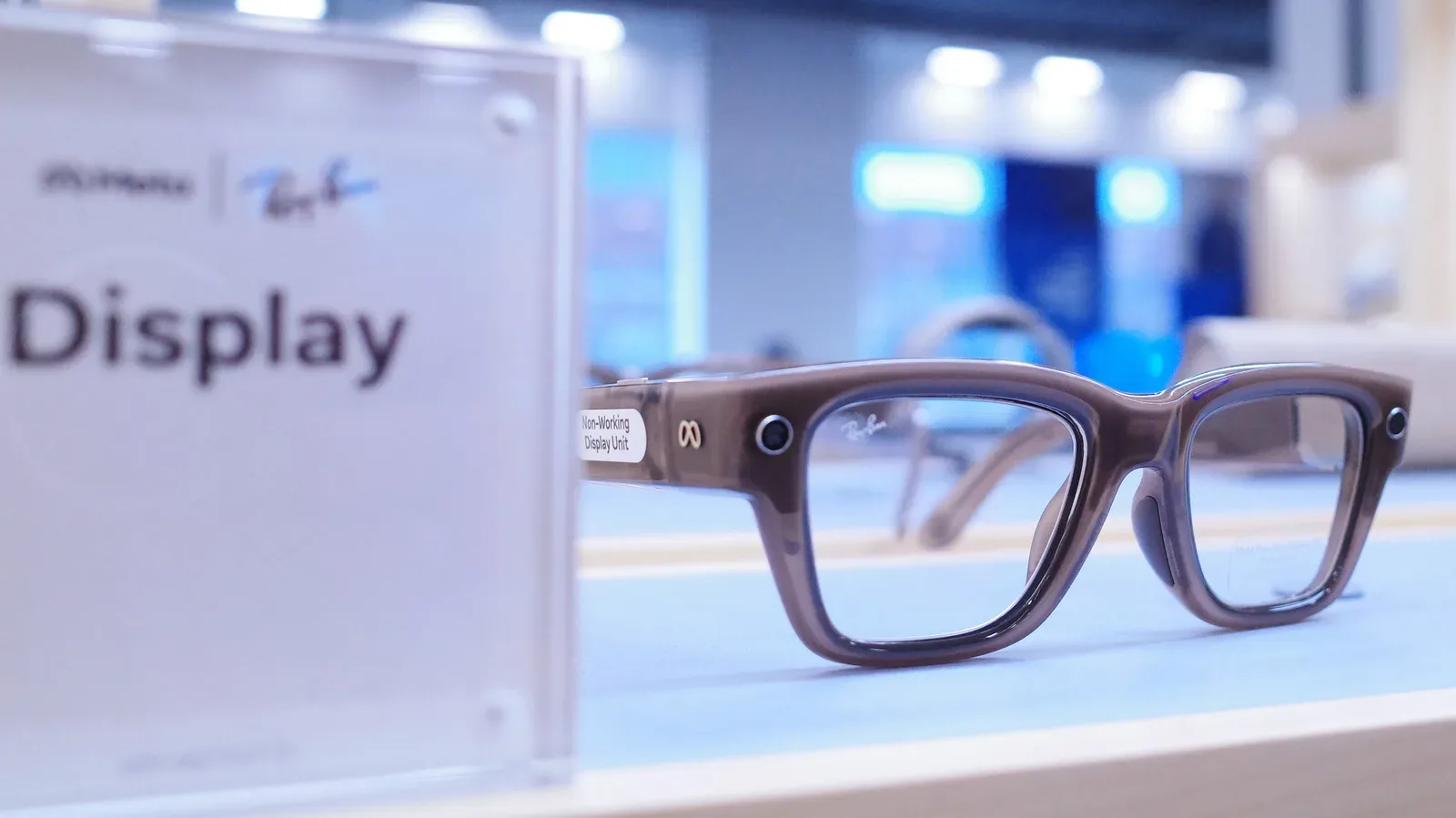
Apple Pencil support also fits into a wider industry interest in changing how people interact with personal devices. Head-worn hardware is experimenting with screen-free controls too, as seen in a recent look at an audio-only mode for Meta Ray-Ban Display. The iPhone Duo takes a more traditional route: a precise pen on a screen that can become much larger when needed.
For now, the checklist is clear. Apple Pencil use requires an iPhone Duo, a future iOS update, and an Apple Pencil USB-C. Owners should expect wired pairing and charging rather than magnetic attachment, and they should not expect Apple Pencil Pro features. It is a meaningful new option for the iPhone, but one with enough conditions that the fine print deserves as much attention as the headline.