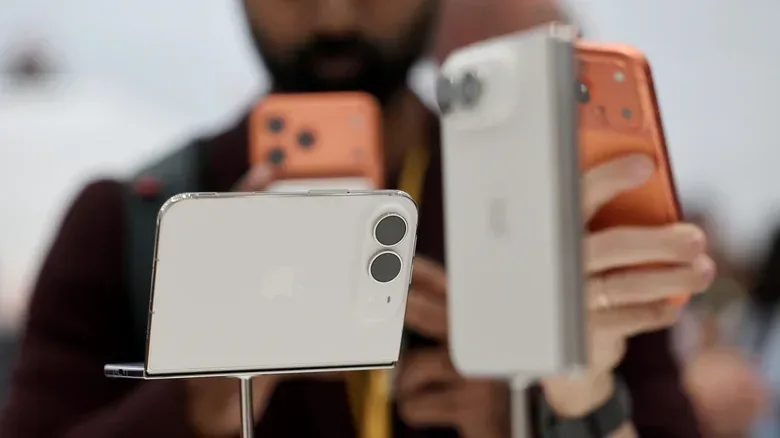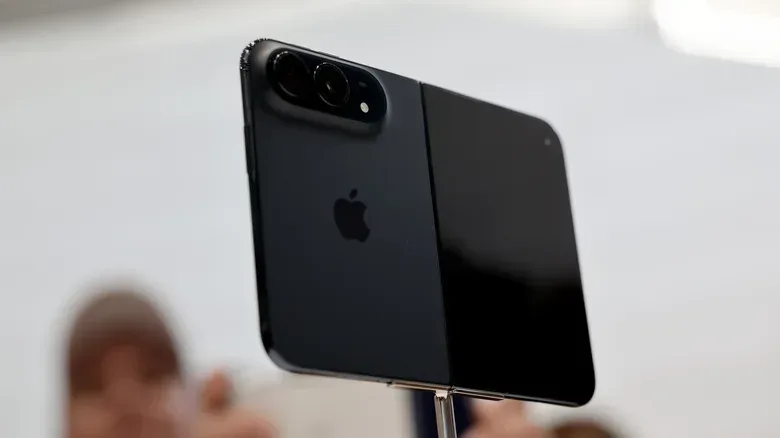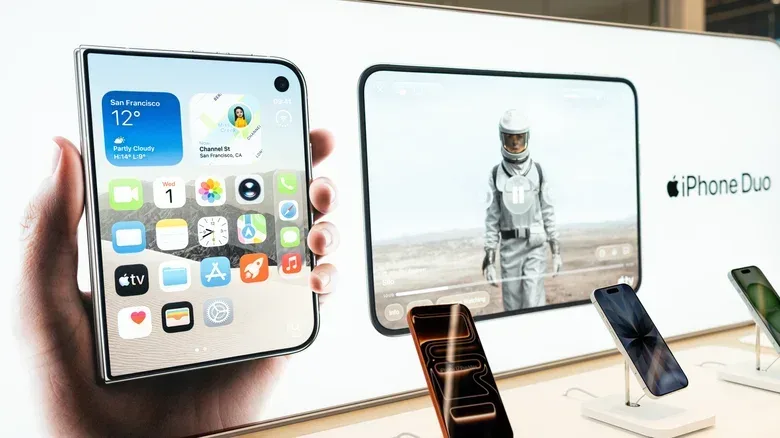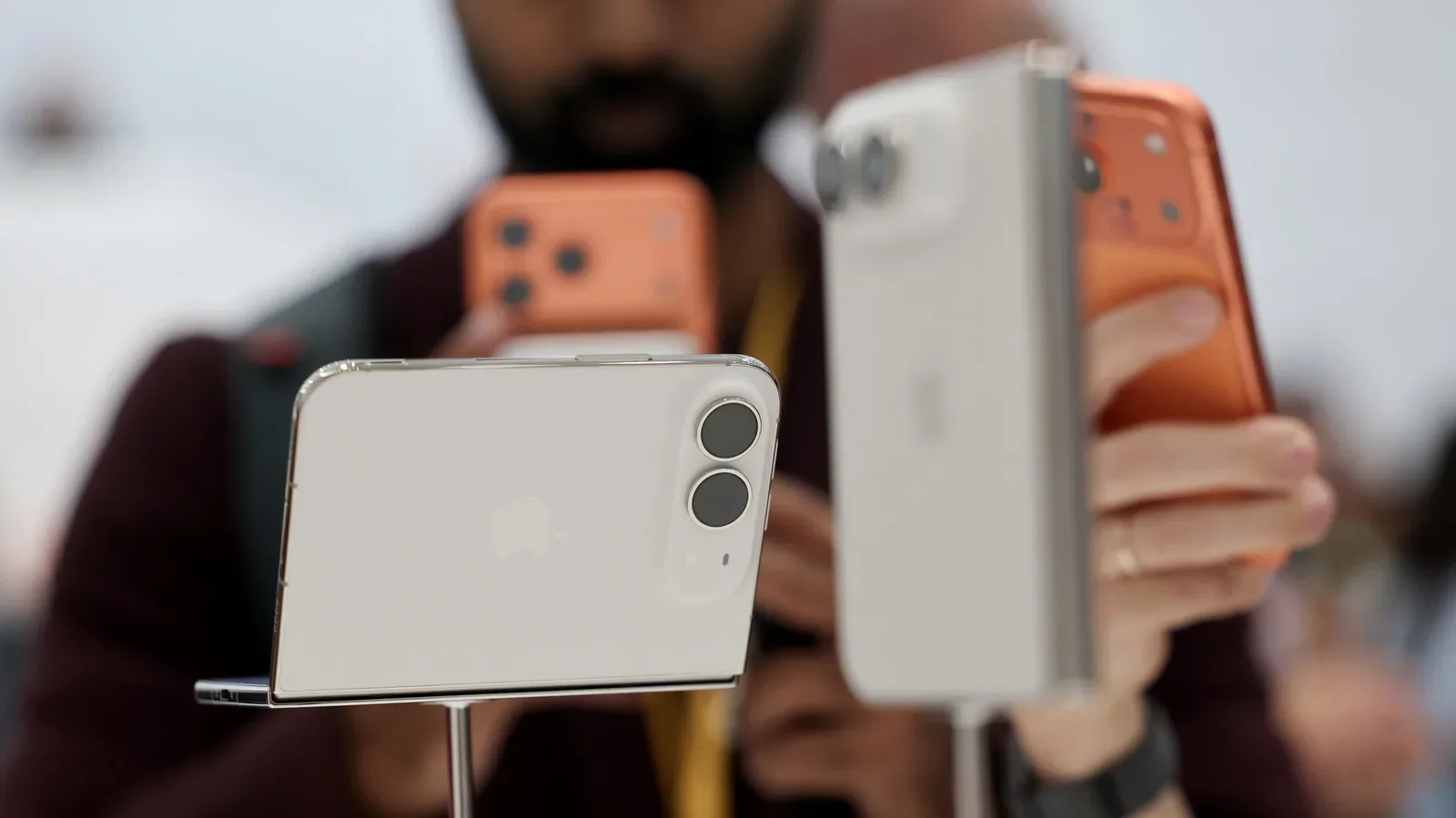
Apple’s iPhone Duo is positioned as a major shift for the iPhone: its first foldable model, starting at $1,999, with pre-orders opening Friday and initial shipments scheduled for October 23. That makes it an unusually consequential purchase even before buyers reach the checkout screen. The Duo’s folding display promises a different way to use iOS, but the headline price does not automatically mean it is the most fully featured iPhone in every category.
For prospective buyers, the key distinction is simple: a foldable phone is not merely a conventional handset with a larger screen. It is a device built around a hinge, two usage states and software that must adapt between them. That can be appealing for people who value a larger canvas for apps, notes or multitasking. It can also introduce practical compromises in cameras, physical size, app behavior and long-term unknowns. The best reason to buy the Duo is the foldable experience itself—not an assumption that it beats every other iPhone on every specification.
A premium price, with selective hardware compromises
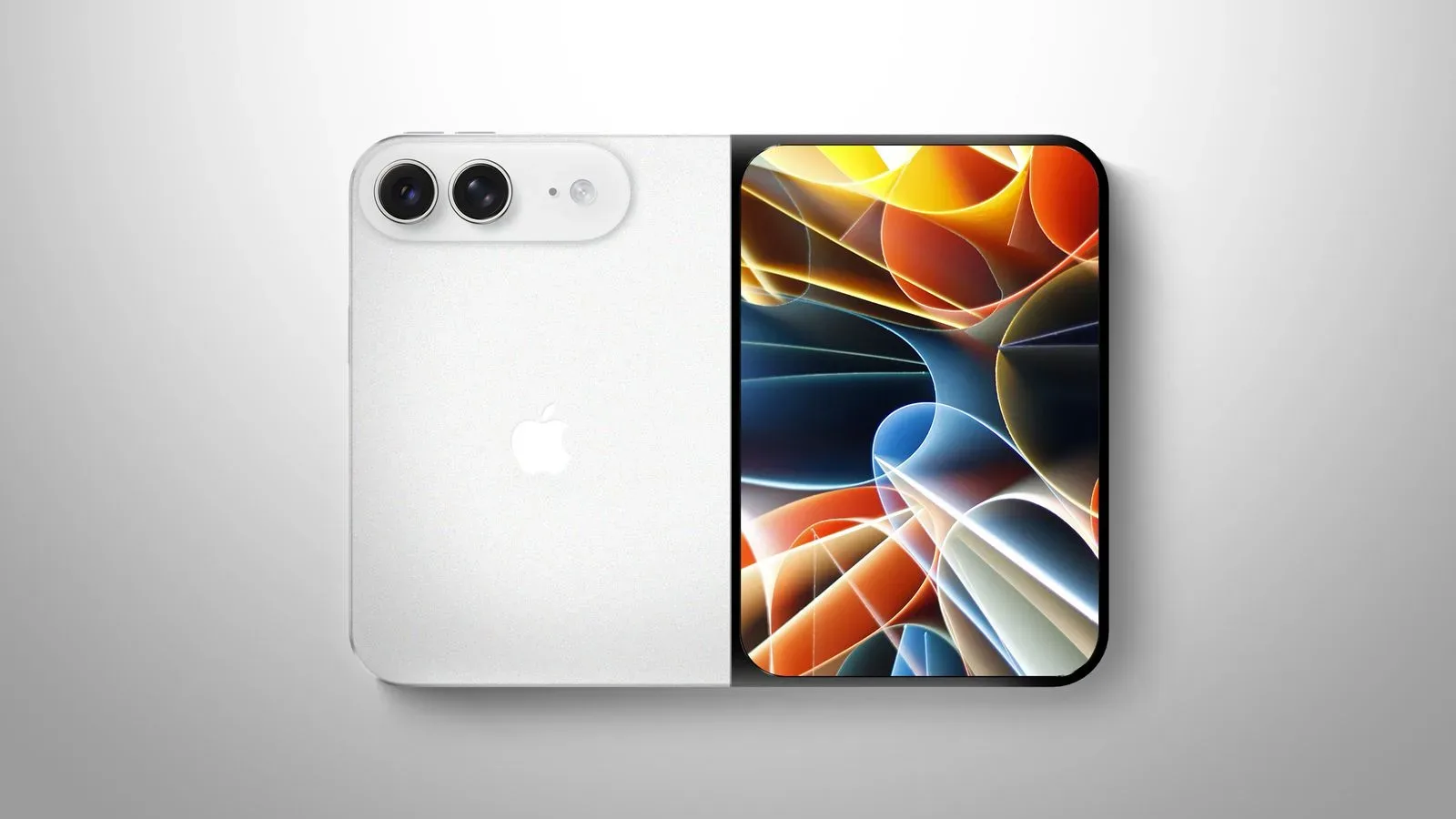
The iPhone Duo begins at $1,999, making it Apple’s most expensive iPhone. Yet its camera arrangement is less extensive than the iPhone 18 Pro’s. The Duo has two rear cameras and lacks a dedicated telephoto camera. A telephoto lens uses optical hardware to magnify a distant subject; it is particularly useful when framing faraway details without relying on enlargement after the image has reached the sensor.
The Duo can offer a 2x “optical-quality” zoom by cropping into its 48-megapixel main sensor. In practical terms, a crop takes a smaller portion of the high-resolution image and uses it as the final frame. This can be a useful approach at modest magnification, but it is not equivalent to having a dedicated zoom lens, and it does not provide the reach available on the iPhone 18 Pro’s telephoto setup. Buyers who regularly photograph events, travel subjects or anything at a distance should treat that distinction as a major part of the decision rather than a minor spec-sheet footnote.
The supplied launch information also contains an important unresolved detail around the front camera. It characterizes the selfie camera as 12 megapixels rather than 18 megapixels on the latest iPhones, while also saying its resolution has not been disclosed. Until that is clarified, shoppers should avoid treating a precise front-camera resolution as settled. Either way, the available comparison frames the Duo as a foldable-first model rather than Apple’s clearest choice for people prioritizing the company’s top camera hardware.
The main lens also omits variable aperture, a feature reserved for iPhone 18 Pro models. Aperture is the opening through which light enters a camera lens. A variable aperture can change that opening, potentially allowing different photographic trade-offs in different conditions. Its absence is another example of how the Duo’s price reflects its form factor as much as a maximal list of imaging features.
Touch ID returns, while one shortcut disappears
The Duo uses Touch ID integrated into the side button rather than Face ID. Touch ID is fingerprint authentication; Face ID uses facial recognition. Neither method is inherently a deal-breaker, but the change affects a routine interaction that happens many times a day. Existing iPhone owners accustomed to looking at their handset to unlock it will instead need to build the reflex of using the side button.
The Action Button is absent on the Duo. That means users lose a dedicated physical control that can otherwise be assigned to certain quick functions. Silencing the phone and other fast controls remain available through the usual interface options, including Control Center, but the physical shortcut itself is gone. The Camera Control remains, so the phone retains a quick way to launch a preferred camera app.
Related coverage includes What to Weigh Before Pre-Ordering the $1,999 iPhone Duo.
These choices should not be read as evidence that Touch ID or the Duo’s control layout is poor. They are better understood as an adjustment cost. Foldables already ask owners to change how they carry, open and use a phone. For anyone who relies heavily on an Action Button routine or strongly prefers Face ID, the Duo adds another behavioral change on top of the new hardware format.
The software opportunity comes with an early-adopter caveat
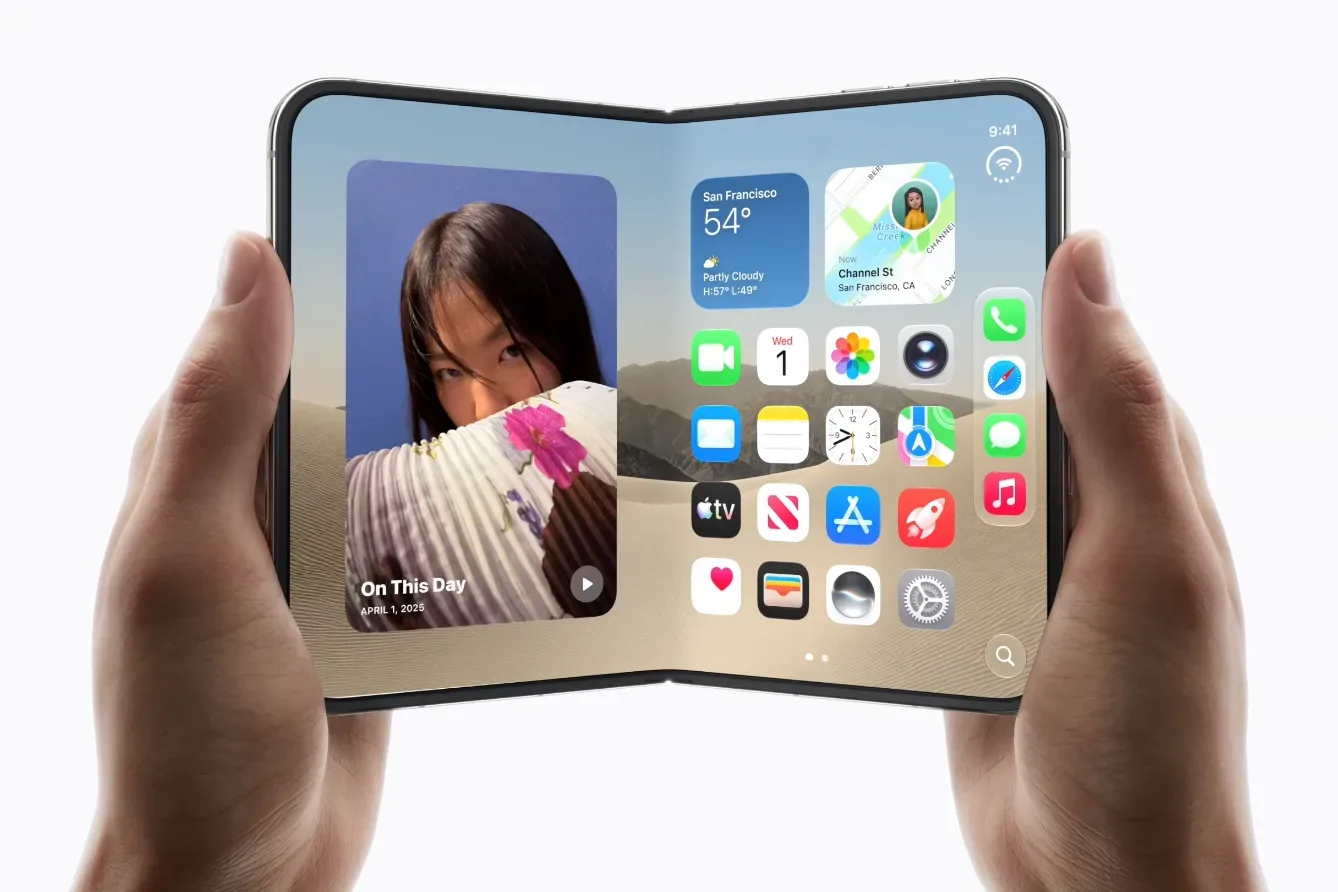
iOS 27 has been optimized for the Duo’s foldable design. Apps and menus can adapt to the phone’s two display halves when the hinge is bent, a behavior that could make the device’s flexible shape more meaningful than simply having a larger screen. A folded or partially folded layout may allow interface elements to occupy separate areas of the display instead of behaving as though they are on a single flat panel.
However, third-party apps must be updated to properly use the full display. Netflix, Zoom and Slack are among the popular services expected to have Duo updates at launch, but broader support will take more time. Until developers revise their apps, some software may look stretched or appear with black bars.
That is not a trivial limitation on a $1,999 device. The basic question is whether the apps a buyer actually uses—not merely the apps named in launch materials—are ready for a foldable layout. A video streaming app may have an update, for example, while a less prominent work tool, hobby app, banking service or game may not. The practical value of the inner display depends on that personal app list.
There is a wider lesson for early foldable adopters: hardware and operating-system support can arrive before every developer has adjusted their interface. That does not make the Duo incomplete, but it means early buyers should expect an uneven transition period. A large display that an app does not properly fill may still be usable, yet it does not fully demonstrate the purpose of buying a foldable in the first place.
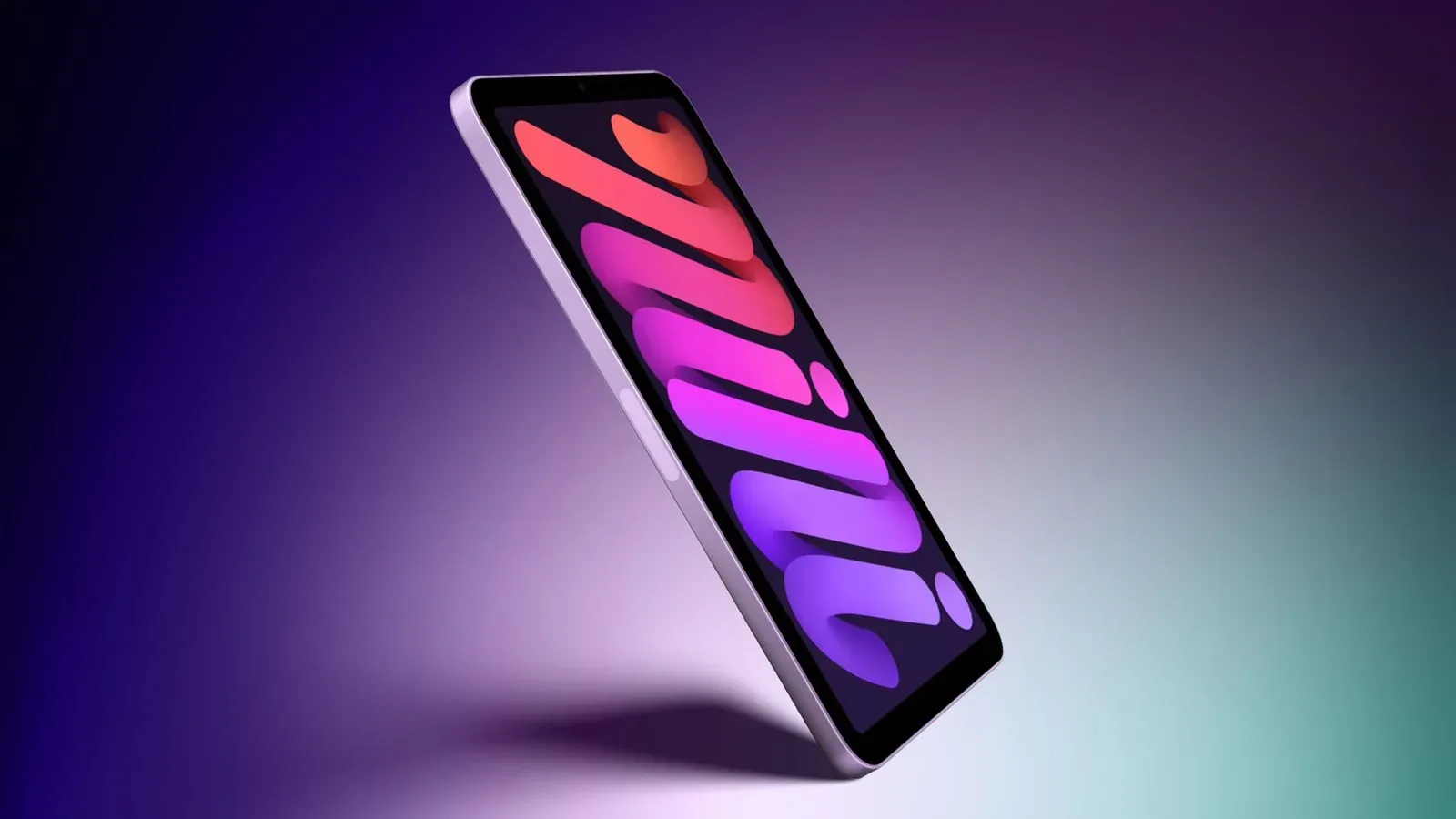
Those curious about Apple’s wider portable-device direction may also want to follow reports surrounding the next iPad mini. The devices are not substitutes on the facts available here, but the comparison helps illustrate why screen size, software and portability remain intertwined choices in Apple’s ecosystem.
Rivals underline where the Duo’s value proposition differs
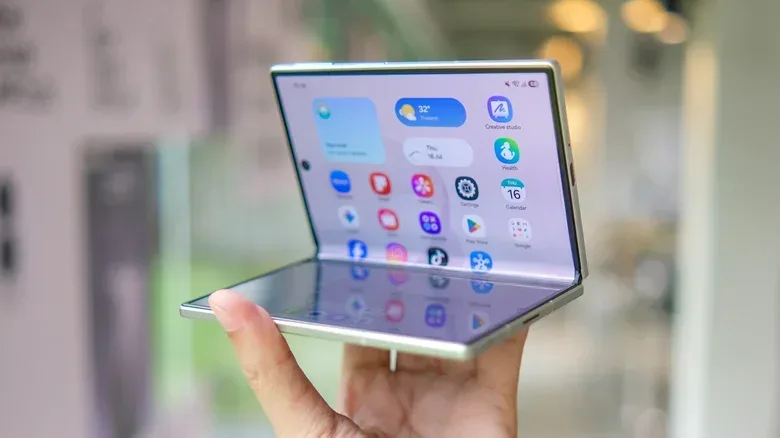
The Galaxy Z Fold 8 starts at $1,899, or $100 below the Duo’s opening price. It is also lighter and thinner when closed: 201 grams and 9.7mm, compared with the Duo’s 254 grams and 11.3mm. That is a 53-gram difference and a 1.6mm difference in closed thickness. On paper, those figures matter because a foldable is carried in its closed state much of the time. Weight affects one-handed use and pockets, while thickness can shape how much the handset feels like a phone versus a compact device that opens into something larger.
Google’s Pixel 11 Pro Fold also starts at $1,899 and includes a 5x optical-zoom telephoto camera. That specification gives it a clear point of comparison with the Duo’s crop-based 2x option. Buyers who care most about camera flexibility should not dismiss the competition simply because the iPhone Duo is a new category for Apple.
Still, specifications alone do not settle the choice. The ecosystem is a real consideration. People deeply invested in Apple’s devices and services may place meaningful value on remaining within that environment, while shoppers willing to change platforms have more reason to compare the Duo directly with competing foldables. The relevant analysis is not “which handset has the most impressive isolated feature,” but “which set of trade-offs fits how this person communicates, takes photos and uses apps every day.”
Read the deal terms, not just the headline discount
The full $1,999 starting price makes trade-ins and financing particularly important. Apple’s trade-in program offers up to $885 in credit, depending on the eligible device. “Up to” is the vital phrase: the eventual value depends on the phone being traded. Buyers should establish their actual trade-in offer before mentally subtracting the maximum possible credit from the Duo’s price.
Apple Card installments start at $83.29 per month for 24 months on the base model, with interest-free financing described in the available details. Apple Upgrade, offered with Klarna, starts at $57.99 per month for 24 months. At the end of that arrangement, customers can return the phone, pay the remaining balance or upgrade. A lower monthly payment may be attractive, but it is not the same question as total ownership cost; consumers should be clear about the end-of-term option they are selecting.
Carrier promotions can be larger. AT&T is offering up to $1,200 in trade-in credit for eligible devices. T-Mobile lists up to $1,000 in credit for Xfinity Mobile Plus customers, while Mobile Plus customers without a trade-in can receive a $400 pre-order discount. Eligibility, plan requirements and the value of the device surrendered are therefore central to understanding any advertised savings. A promotion can substantially soften an expensive purchase, but it should be assessed as a set of conditions rather than treated as a simple cash-price reduction.
Accessories can turn the launch price into a larger commitment
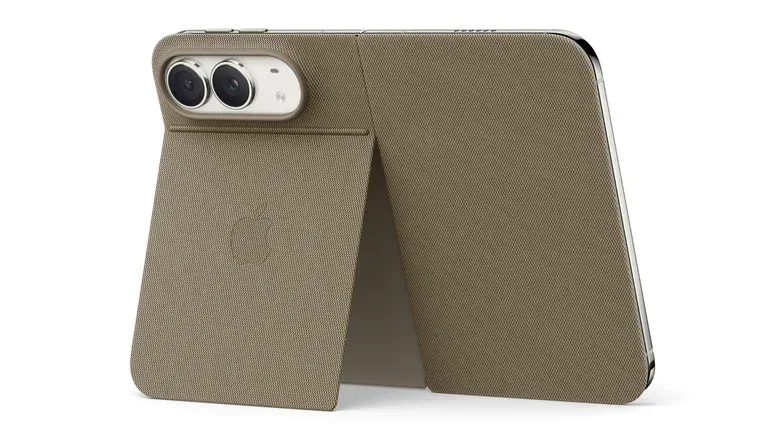
Apple’s $79 iPhone Duo Case is a plastic case that covers all sides and is intended to offer greater protection against accidental drops. It is available in Navy Blue and Sand. The $129 Duo Folio attaches magnetically, protects the front and rear displays from scratches and includes a rear kickstand. Its colors are Navy Blue and Taupe.
For a foldable device with two screens and a hinge, protection may be more appealing than it is for a standard slab-style phone. But it is still worth separating a genuine need from launch-day enthusiasm. The case and folio add $79 or $129 to the acquisition cost, respectively, and their different designs suit different priorities: coverage against drops versus a thinner magnetic cover with a stand and screen-scratch protection.
The Duo is also Apple’s first iPhone compatible with Apple Pencil, for drawing and note-taking. Support will not arrive until later in the year through a software update, so the capability should not be treated as available at launch. Compatibility is limited to the USB-C Apple Pencil made for iPad. Owners of an Apple Pencil 2 or Apple Pencil Pro would need another stylus to use the Duo feature when it arrives.
A power adapter is not included. Apple’s 40W Dynamic Power Adapter with 60W Max is described as enabling fast charging that reaches 50% in 20 minutes. That may be worth considering for buyers who need quick top-ups, but it is another cost to account for separately rather than assuming it comes in the box.
The biggest questions require time, not a pre-order page
Independent reviews are not yet available and are not expected until next week. Early hands-on impressions can show the hardware and interface, but they cannot establish real-world battery life, sustained performance or durability over an extended period. Those are especially important gaps for a first-generation foldable iPhone.
The hinge and display crease are two of the most consequential unknowns. The hinge is the moving mechanism that allows the phone to fold; the crease is the visible or tactile line associated with the flexible screen. Their long-term behavior cannot be answered through a short demonstration. Buyers who are comfortable with first-generation uncertainty may choose to order early, but people who want evidence on battery endurance, day-to-day app behavior and wear over time have a strong reason to wait for fuller testing.
Apple’s 14-day return policy provides some flexibility for buyers who decide the Duo is not a fit. That is useful protection, though it cannot replace information that only longer use can reveal. The practical pre-order checklist is therefore straightforward: confirm the apps that matter most, decide whether the camera trade-offs are acceptable, calculate the real deal after eligibility requirements, add any necessary accessories, and be honest about tolerance for unanswered durability questions. The iPhone Duo’s appeal is clear, but so is the case for making the purchase with eyes open.