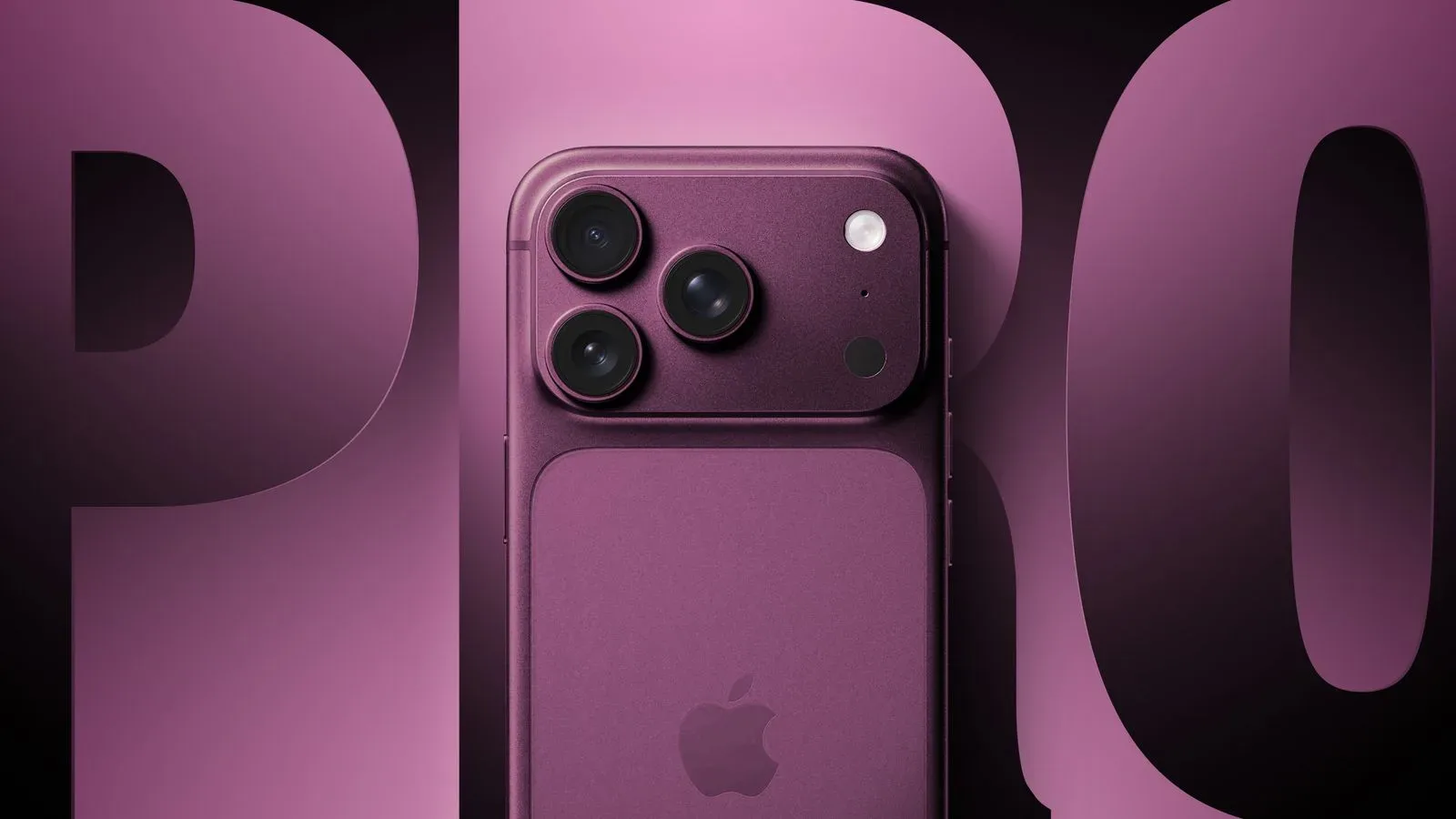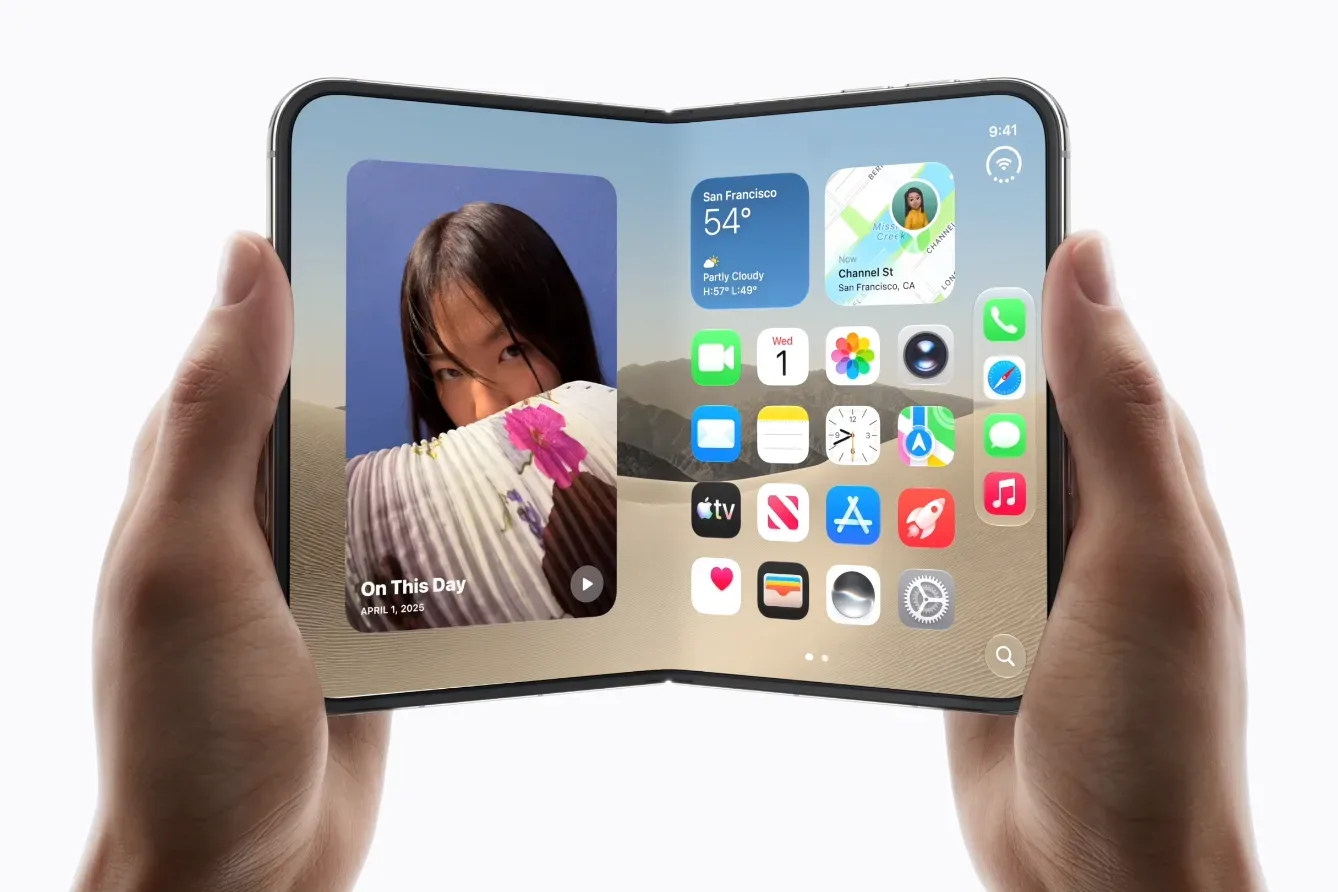
Apple has introduced the iPhone Duo, a foldable addition to the iPhone lineup that pairs a conventional outer screen with a larger interior display designed for multitasking, media and app work. It arrives alongside the standard iPhone 18, iPhone 18 Pro and iPhone 18 Pro Max, making this a notably broad update to the company’s smartphone range rather than a one-device experiment.
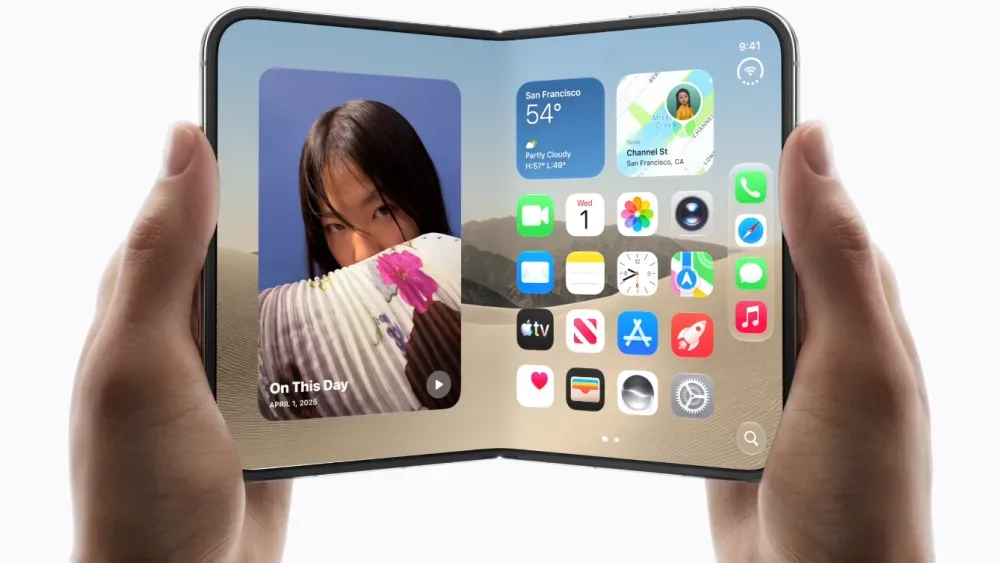
The central pitch is simple: the iPhone Duo is a phone when shut and a compact tablet-like device when opened. Apple says its 7.6-inch internal dual-display panel is the largest screen ever used in an iPhone, while the hardware is also its thinnest iPhone to date. Those are company claims, of course, but they establish the intended role clearly. The Duo is meant to offer a larger workspace without asking users to carry a separate tablet.
It is a major moment for Apple’s hardware strategy, coming seven years after Samsung began shipping the original Galaxy Fold in September 2019. Foldables are no longer an unfamiliar idea, but Apple is entering the category with an emphasis on software behavior, cross-screen interaction and a familiar iPhone-style setup rather than presenting a fold as a novelty by itself.
iPhone Duo price, colors and release date
The iPhone Duo will start at $1,999 for a version with 256GB of storage. Configurations extend to a 2TB model priced at $3,199. It will be available in two finishes: star white and night sky.
- Preorders: Oct. 16
- Shipping begins: Oct. 23
- Starting storage: 256GB
- Maximum storage: 2TB
- Starting price: $1,999
- Highest listed price: $3,199
That pricing firmly situates the Duo as a premium device, and substantially above a typical baseline smartphone purchase. The value proposition therefore depends on whether its folding form factor is useful often enough to replace some tablet, productivity or entertainment time. A larger screen that remains in a pocket is the obvious attraction; whether that trade-off makes sense will vary considerably from person to person.
Two displays, two modes of use
When closed, the iPhone Duo uses a 5.4-inch exterior display. Apple says that panel supplies 90% of the screen area of the iPhone 18 Pro, while maintaining a pocketable shape. The company has placed lock-screen interactions, navigation and app controls along the device’s side in an effort to preserve vertical room for the actual content on screen.
Opening the device reveals the 7.6-inch interior panel. The internal space can show two Home Screen pages, with Today View positioned to the left. Today View is Apple’s vertically scrolling collection of configurable widgets, and placing it alongside the rest of the Home Screen makes the unfolded layout feel closer to a small personal workspace than a single enlarged phone screen.
The bigger functional addition is Split View. Users can put different apps on the left and right sides of the unfolded display, compare material across both panes and drag items from one side to the other. The approach should be immediately understandable to anyone who has used split-screen features on tablets or desktop systems: reference something in one app while writing in another, keep a conversation open beside a document, or place a video alongside another task.
Apple has said that Netflix, Zoom and Slack are among the third-party apps already using the folding design and larger display. It is also releasing software development kits so developers can build new Duo-aware apps or rework existing ones. That developer support matters because foldable hardware can only reach its potential when apps respond gracefully to different orientations, changing display sizes and two-panel use.
The company says iOS 27 has been adapted specifically for the iPhone Duo. Content is designed to react as the device folds, shift when it is rotated sideways and move to the appropriate display when the phone is flipped. In practical terms, this is the part that determines whether a foldable feels coherent or merely like a device with a hinge in the middle. The promise is that the operating system should treat the form factor as a normal part of using the phone, not as a repeated interruption requiring a user to reset their workflow.
A camera advantage built around the fold
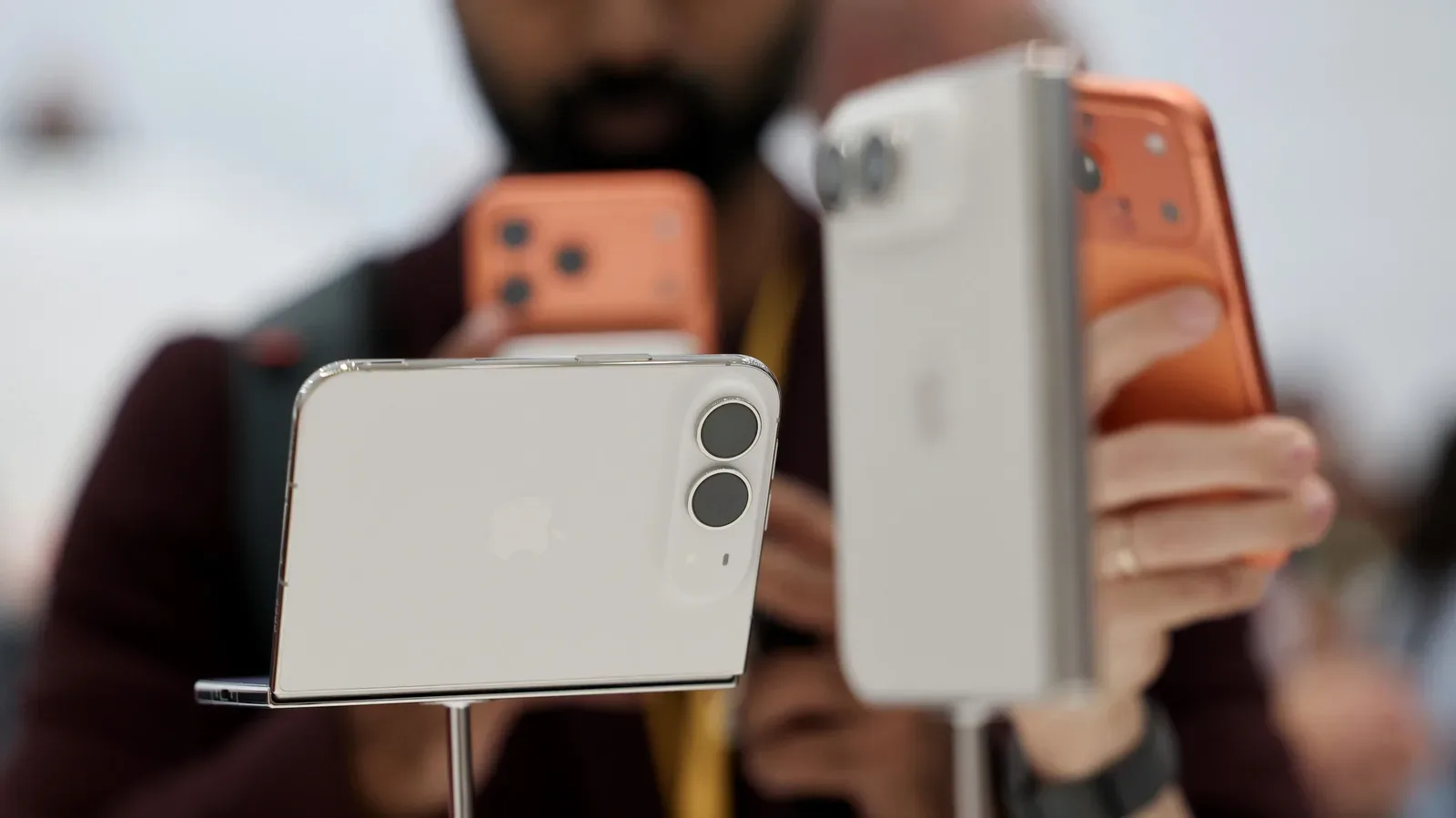
The Duo’s design also enables a camera trick that conventional iPhones cannot duplicate in the same way. Users can take a selfie using the higher-resolution rear cameras while using the outer display as the viewfinder. That arrangement could be appealing for anyone who wants a preview while shooting with the phone’s primary camera system instead of relying only on front-facing hardware.
It is an example of a foldable feature that is more practical than flashy. The point is not simply that the screen moves; it is that a second screen can remain visible to the photographer while the rear cameras point toward them. Apple is positioning this kind of flexibility as one of the reasons the Duo is more than an iPhone with a larger display.
Apple’s claimed battery figures
Apple lists several battery estimates for the iPhone Duo, based on how its screens are being used. The company says the device can reach up to 31 hours of video playback on the inner display and up to 44 hours on the outer display. When use is split equally between both displays, the stated estimate is up to 24 hours per charge.
Those numbers should be read as manufacturer-provided battery figures rather than a guarantee for every owner. Brightness, mobile connectivity, installed apps, video services and individual use patterns can all affect real-world endurance. Still, Apple’s inclusion of separate estimates for the inner and outer screens recognizes a defining question for foldables: a device with two display experiences has to provide an acceptable battery result in both of them.
AI, privacy and the wider iPhone 18 launch
Apple also highlighted its Apple Intelligence features across the new iPhones. The company describes the phones as an intelligent personal hub, with an updated Siri featuring more expressive voices. Apple’s stated privacy approach is to run Apple Intelligence functions locally on the device whenever possible, limiting the need to move user information elsewhere.
Before this launch, iPhone 18 discussion had also been complicated by alleged AI-related material that was denied, a reminder that screenshots and purported leaks are not the same thing as confirmed product information. The earlier iPhone 18 Pro AI leak dispute is useful context for why the event’s formal product details carry more weight than circulating claims.
The iPhone Duo announcement was the first major product launch led by CEO John Ternus, Apple’s former hardware engineering chief. Ternus assumed the role on Sept. 1, succeeding Tim Cook. Alongside the new iPhones, Apple announced AirPods 5 and refreshed Apple Watch models with expanded health-sensing capabilities.
For the iPhone line, the Duo is the headline device because it changes the physical shape of Apple’s most prominent product. Yet it arrives as part of a conventional annual family update rather than displacing the familiar single-screen models. Buyers who want the standard phone format still have the iPhone 18, 18 Pro and 18 Pro Max; the Duo presents the option of a markedly different screen arrangement at a markedly higher entry price.
Apple’s task now is to show that the mechanics and software make a lasting case for the format. A 7.6-inch internal display, two-app Split View, rear-camera selfies with an outside preview, and iOS 27’s adaptive behavior are the key pieces of that case. Starting Oct. 16, prospective buyers can decide whether that expanded canvas is worth folding into their pocket.