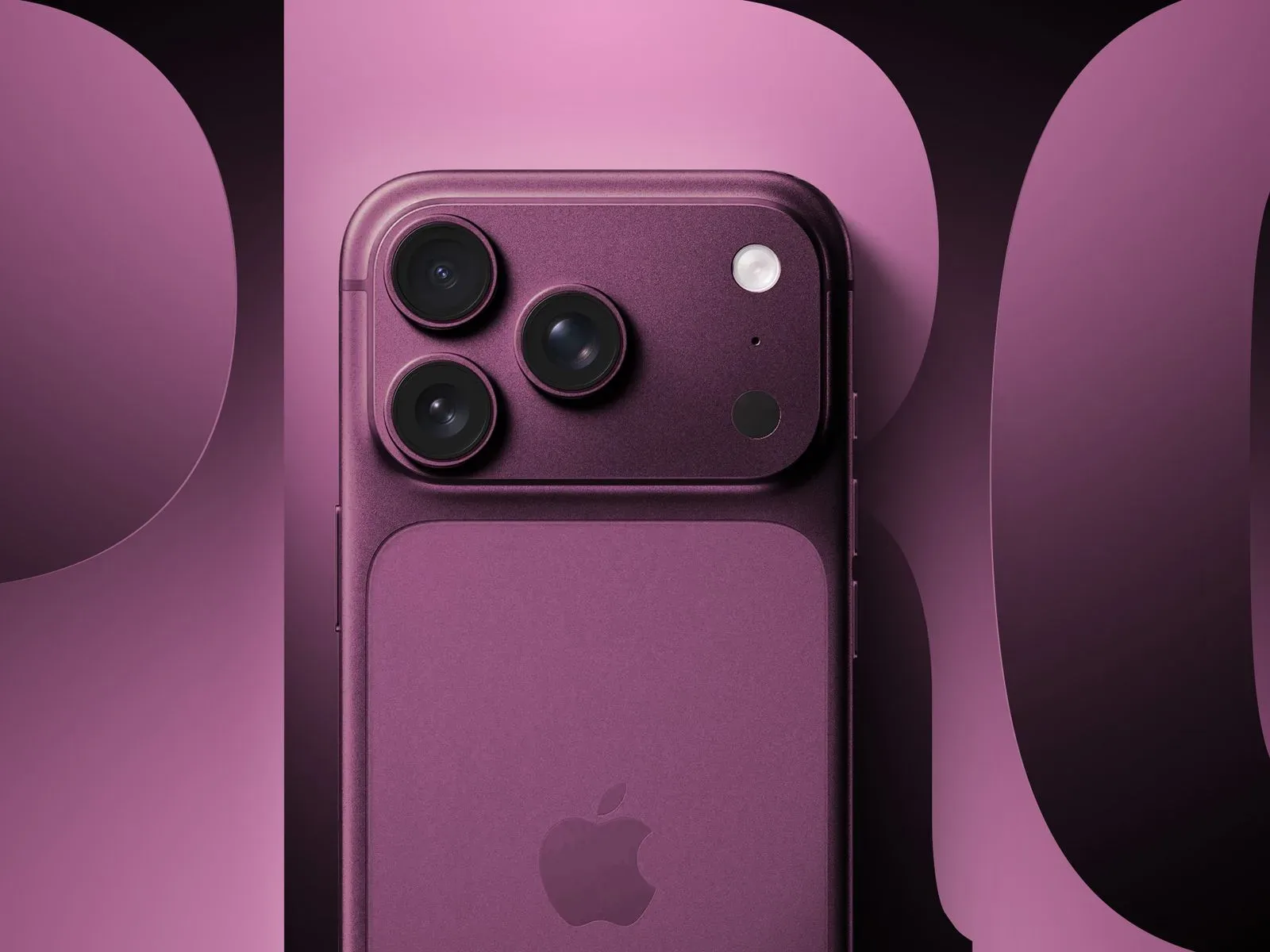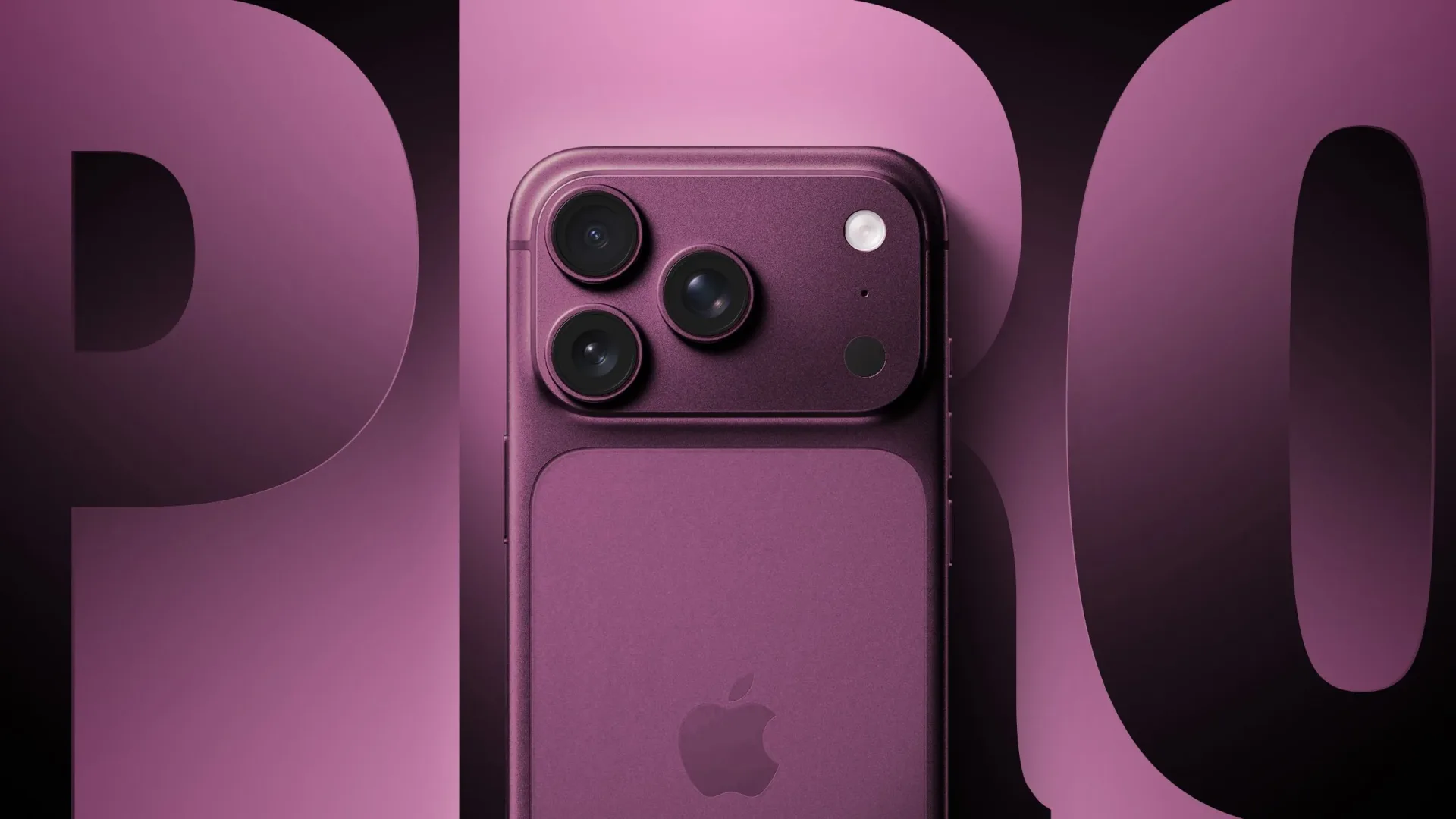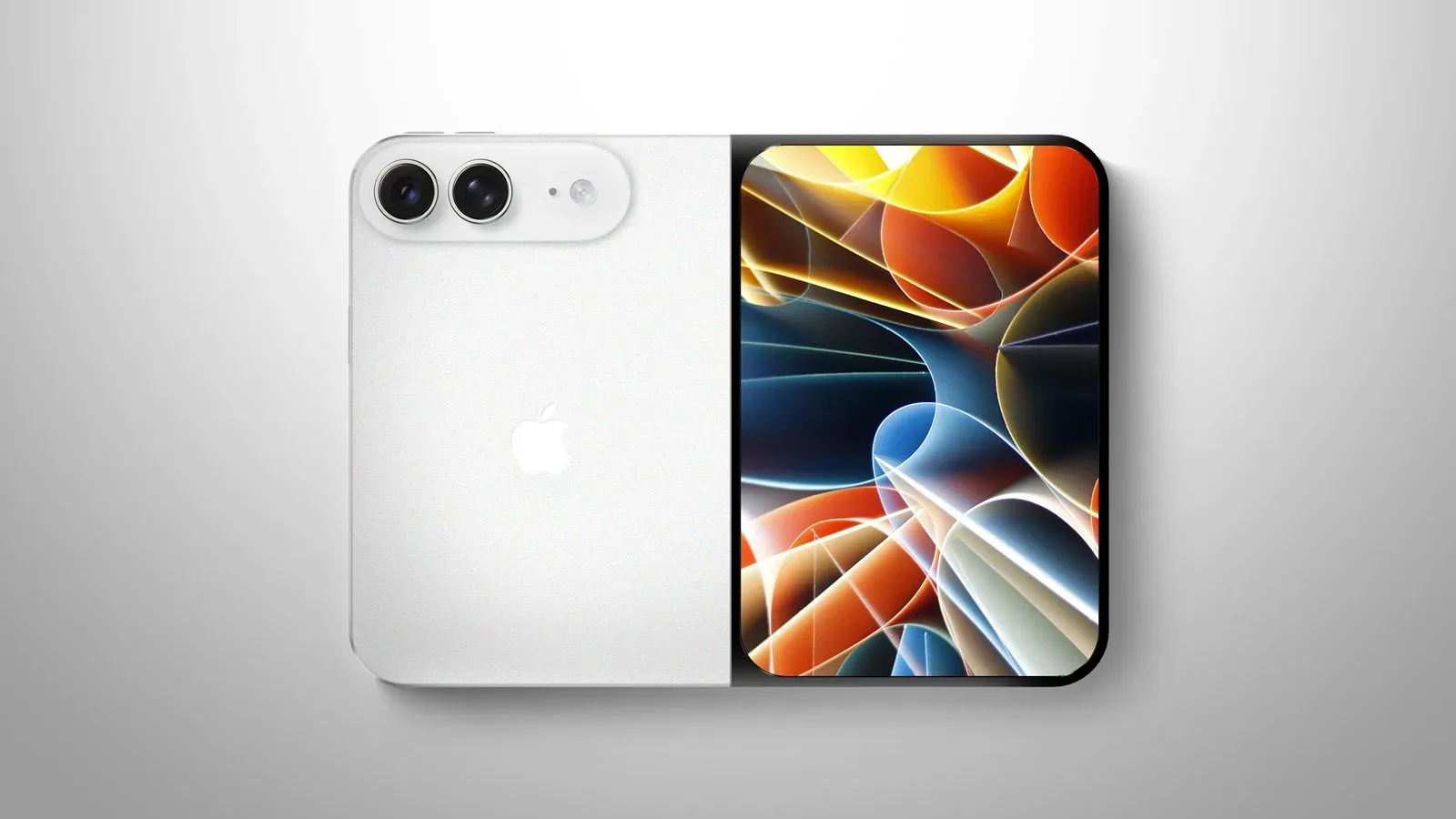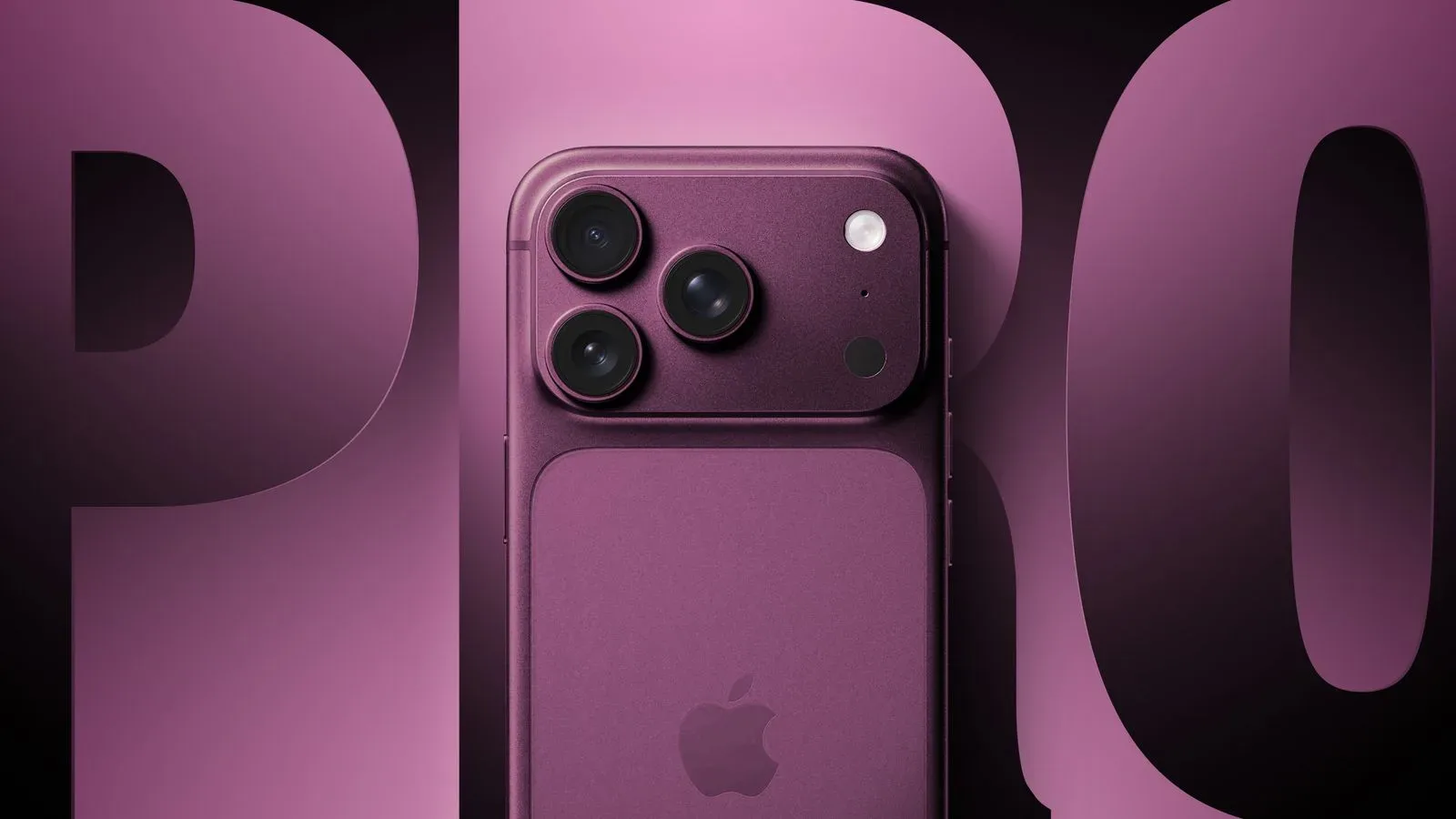
A supposed iPhone 18 Pro leak briefly made the familiar pre-event rumor circuit feel even more futuristic: not a supply-chain contact, not a case maker, not a blurry assembly-line image, but an AI assistant in a major carrier’s own app. Screenshots attributed to Verizon’s “Ask Verizon” chat feature appeared to offer a remarkably detailed rundown of the iPhone 18 Pro and iPhone 18 Pro Max shortly before Apple’s September 9 “Surprise and shine” presentation.
There is one very large caveat, now accompanied by a definitive response from the company at the center of the story. Verizon says the alleged AI chatbot leak is untrue. That makes the screenshots less of a surprise hardware reveal and more of a useful reminder that polished chatbot answers are not the same thing as verified information—even when they appear to be coming from a brand’s official software.
The images were said to capture a conversation dated September 8, from 1:48 p.m. through 1:52 p.m., with detailed answers about cameras, displays, memory, colors, pricing, and the A20 Pro chip. The exchange could not be independently reproduced or confirmed. It is therefore not sound evidence of Apple’s final iPhone specifications, and readers should not use it as a buying guide, a benchmark forecast, or a reason to assume any particular feature will appear on either Pro model.
The claims the chatbot was said to make
The alleged answers covered an unusually expansive set of product details. Most notably, they described variable aperture technology for the 48MP main camera on both high-end phones. In the screenshots, the aperture was said to move between f/1.4 and f/4.0. In conventional camera terms, that would let a device adjust how much light reaches the sensor: a wider opening can help in darker environments and increase background blur, while a narrower setting can potentially keep more of a scene in focus.
The purported exchange also claimed the larger iPhone 18 Pro Max would receive an enhanced form of sensor-shift optical image stabilization and a bigger primary sensor, framing those changes as benefits for low-light detail and steadier video. It went further still by assigning the Pro Max a 48MP telephoto camera with up to 10x optical zoom, versus 8x optical zoom for the smaller iPhone 18 Pro.
- Both phones were described as using a 48MP main camera with a variable f/1.4-to-f/4.0 aperture and sensor-shift stabilization.
- The ultra-wide camera was also listed at 48MP, with macro photography and wide shots among its intended uses.
- Each device was said to use a triple-camera rear array and support ProRAW photography plus ProRes video recording.
- The iPhone 18 Pro was listed with a 6.3-inch Super Retina XDR display, while the Pro Max was listed at 6.9 inches.
- The larger phone was unsurprisingly credited with longer battery life, owing to its greater physical size.
- An A20 Pro processor was named as the chip for both models.
Some of those details line up with the kind of annual refinement people expect from flagship smartphones. Bigger models often have more room for batteries and camera hardware. Pro-oriented photo and video formats are already a recognizable part of Apple’s premium-phone vocabulary. A 6.3-inch/6.9-inch split also sounds internally coherent. But coherence is not confirmation. A chatbot can assemble a convincing-looking answer from familiar terminology, older product patterns, online speculation, and incorrect associations without possessing private launch information.
Why the screenshots were questionable even before the denial
Several parts of the supposed chat already looked suspicious because they conflicted with other circulating expectations or resembled material from previous generations. The claimed prices were $1,099.99 for the iPhone 18 Pro and $1,199.99 for the iPhone 18 Pro Max. Those figures match the starting prices associated with the iPhone 17 Pro line, despite broad expectations that this generation could bring higher pricing.
That does not prove a price rise by itself; Apple had not established these alleged figures as official at the time in question. But it does make the response look less like a newly revealed retail database and more like a model reaching for readily available prior-device information. Exact-looking dollar amounts can be especially persuasive in an AI response, because specificity feels authoritative. The number may still be a prediction, a stale record, or simply an error wearing a decimal point.
The listed colors introduced another warning sign. The screenshots named Dark Cherry, Titanium Gray, Titanium White, and Titanium Black. Recent rumor chatter had instead pointed toward Dark Cherry alongside Silver and Sky Blue. Meanwhile, the “Titanium” naming scheme calls to mind the finish language used with the iPhone 15 Pro family in 2023. That overlap creates a plausible explanation that requires no secret carrier knowledge at all: the assistant may have mixed old product information, speculative details, and a current product name into one slick but unreliable answer.
An AI answer can be detailed, technically fluent, and completely wrong at the same time. The apparent confidence of the wording is not evidence that its underlying facts were retrieved from a reliable internal system.
There are other possibilities, too. The original conversation might have been altered, inaccurately represented, or generated outside the claimed setting. It is also possible that an assistant’s behavior changed after the images circulated, which would explain why the exchange could not be repeated—but even that would not establish the contents as authentic product information. Verizon’s statement that the leak is untrue is the key fact here.
What this means for rumor season
Leaked details have always demanded a bit of detective work. In the old-school version, readers assessed a photo’s provenance, considered whether a component fit known design constraints, and waited to see whether independent reporting converged around the same claim. Generative AI adds a new wrinkle: a conversational interface can deliver a full spec sheet in seconds, with clear explanations and enough product jargon to feel like it came directly from a launch briefing.
That creates a strange boss battle for anyone following technology news. The misinformation does not have to be outrageous to be harmful. It can instead be almost believable: a reasonable display size, a familiar chip name, likely-sounding camera improvements, and pricing copied from the last model. Those are precisely the claims most likely to slip past a casual credibility check.
For gaming audiences, this should feel familiar. A storefront placeholder, a retailer metadata error, or an automatically generated description can become “proof” of a new console, remaster, release date, or deluxe-edition bonus before anyone has established that it reflects a real plan. A carrier chatbot sits in the same category. It may be an official customer-service tool, but it is not automatically an official announcement channel—and a generated answer should not be mistaken for a database readout.
Apple’s actual presentation remains the appropriate place to look for confirmed iPhone details. For anyone catching up after the event, this guide to the “Surprise and Shine” event replay provides useful context without treating pre-event speculation as settled fact.
A practical checklist for AI-powered “leaks”
When screenshots of a chatbot appear to reveal an unreleased device, game, collectible, or media project, a few basic checks can prevent an exciting rumor from becoming a confidently repeated mistake.
- Separate the platform from the answer. A chat tool belonging to a recognizable company can still produce false output. The brand hosting the interface has not necessarily approved every generated sentence.
- Look for independent confirmation. A single screenshot—particularly one that cannot be replicated—does not carry the weight of a formal product page, regulatory listing, or direct statement.
- Check for recycled facts. Old prices, prior color names, and specs that fit an earlier model are classic signs that a response may be drawing from outdated context.
- Watch for suspicious completeness. An assistant that conveniently answers every question about storage, cameras, RAM, color, display, and price may be filling gaps rather than revealing a carefully controlled launch plan.
- Preserve uncertainty in the retelling. “The bot claimed” is very different from “the product has.” That distinction matters until the company responsible for the product confirms the information.
The alleged iPhone 18 Pro conversation offers a timely example of why that discipline matters. Its variable-aperture camera claim, 10x telephoto claim, RAM split, color list, price list, and A20 Pro reference may make for compelling screenshot reading, but they should all be treated as unverified—and, in light of Verizon’s denial, untrue as an alleged leak from the carrier’s assistant.
In short, the episode is not evidence that a chatbot accidentally opened the vault on Apple’s next Pro phones. It is evidence that the vault now has another decoy door: an AI interface capable of making a guess sound like an answer.