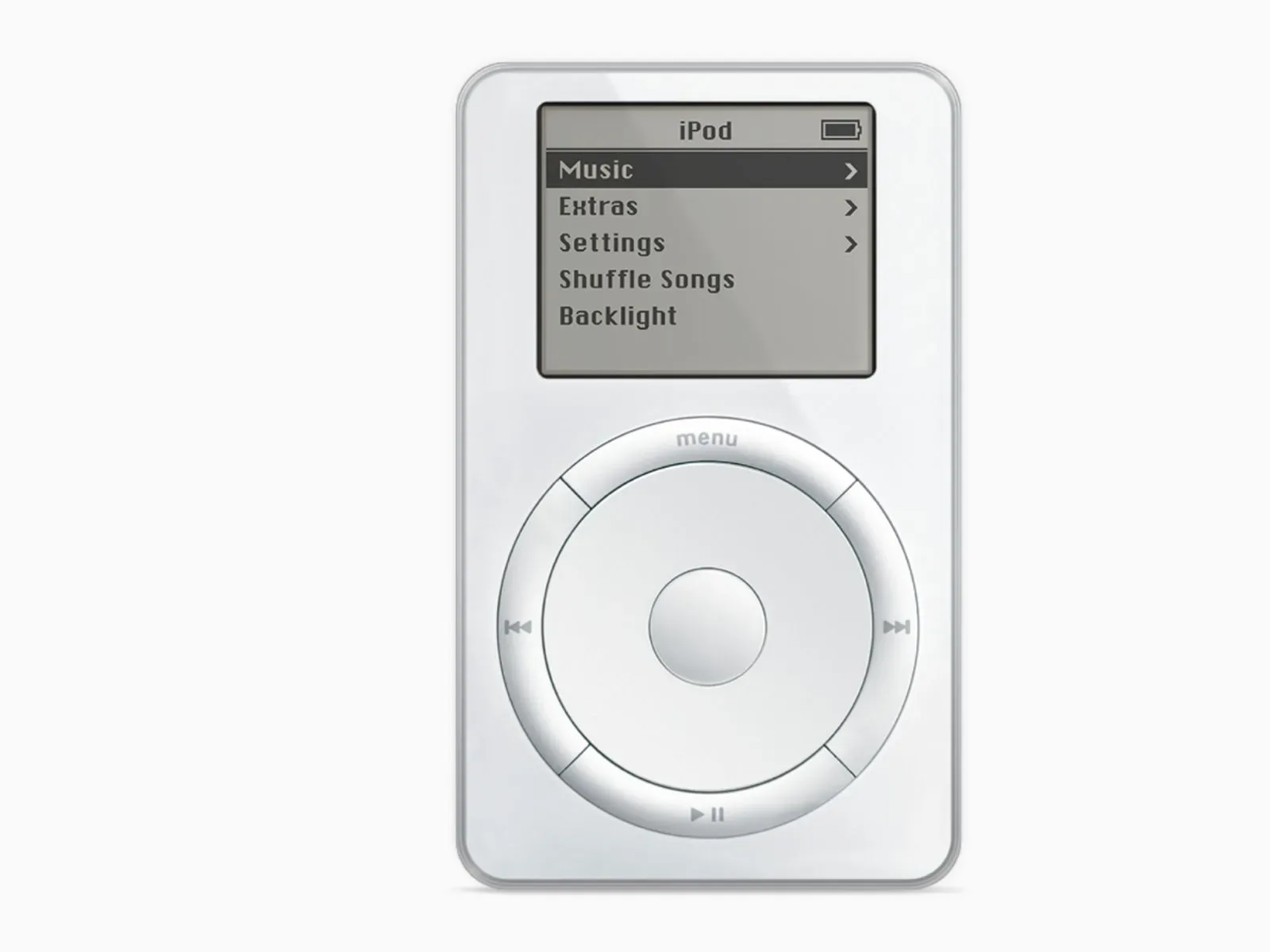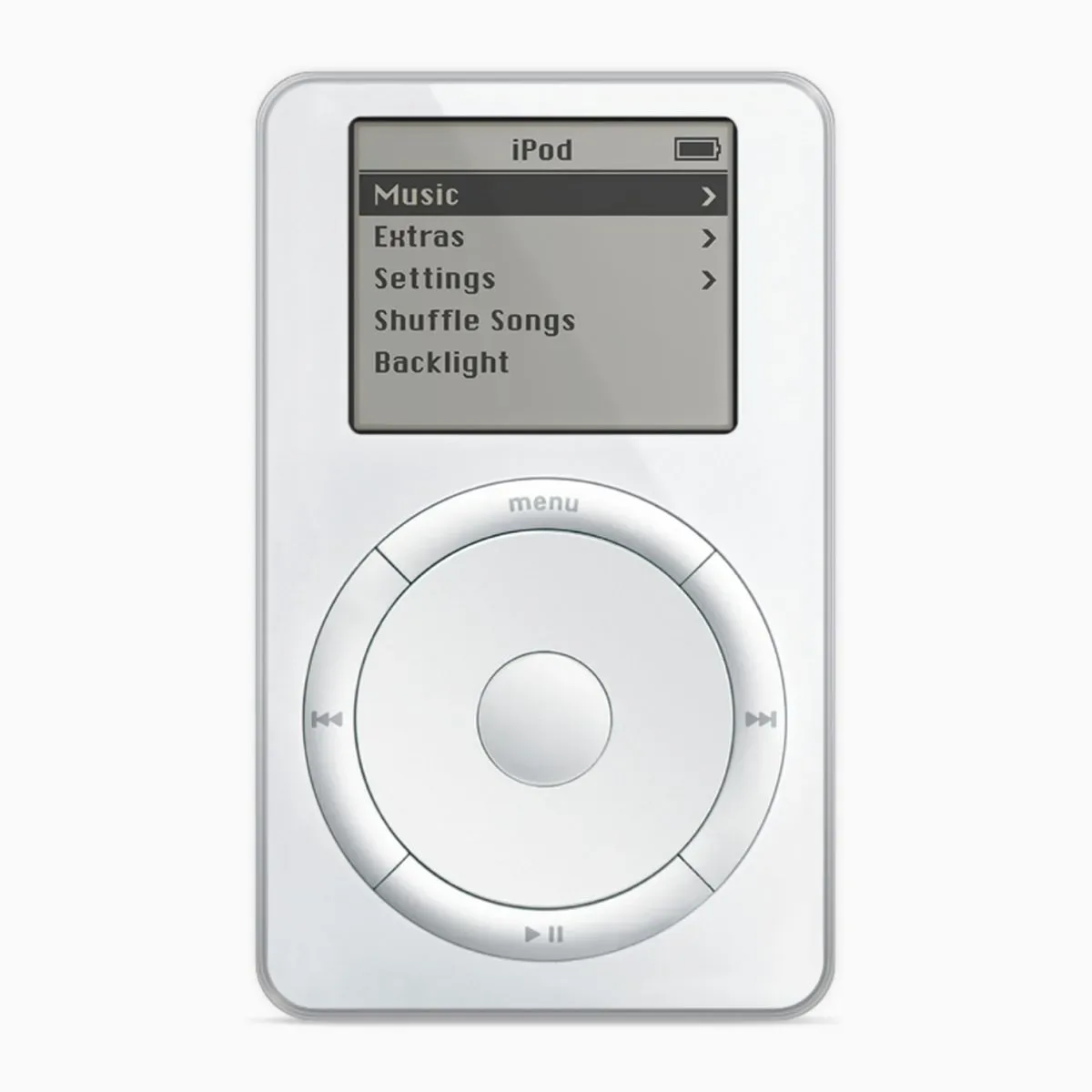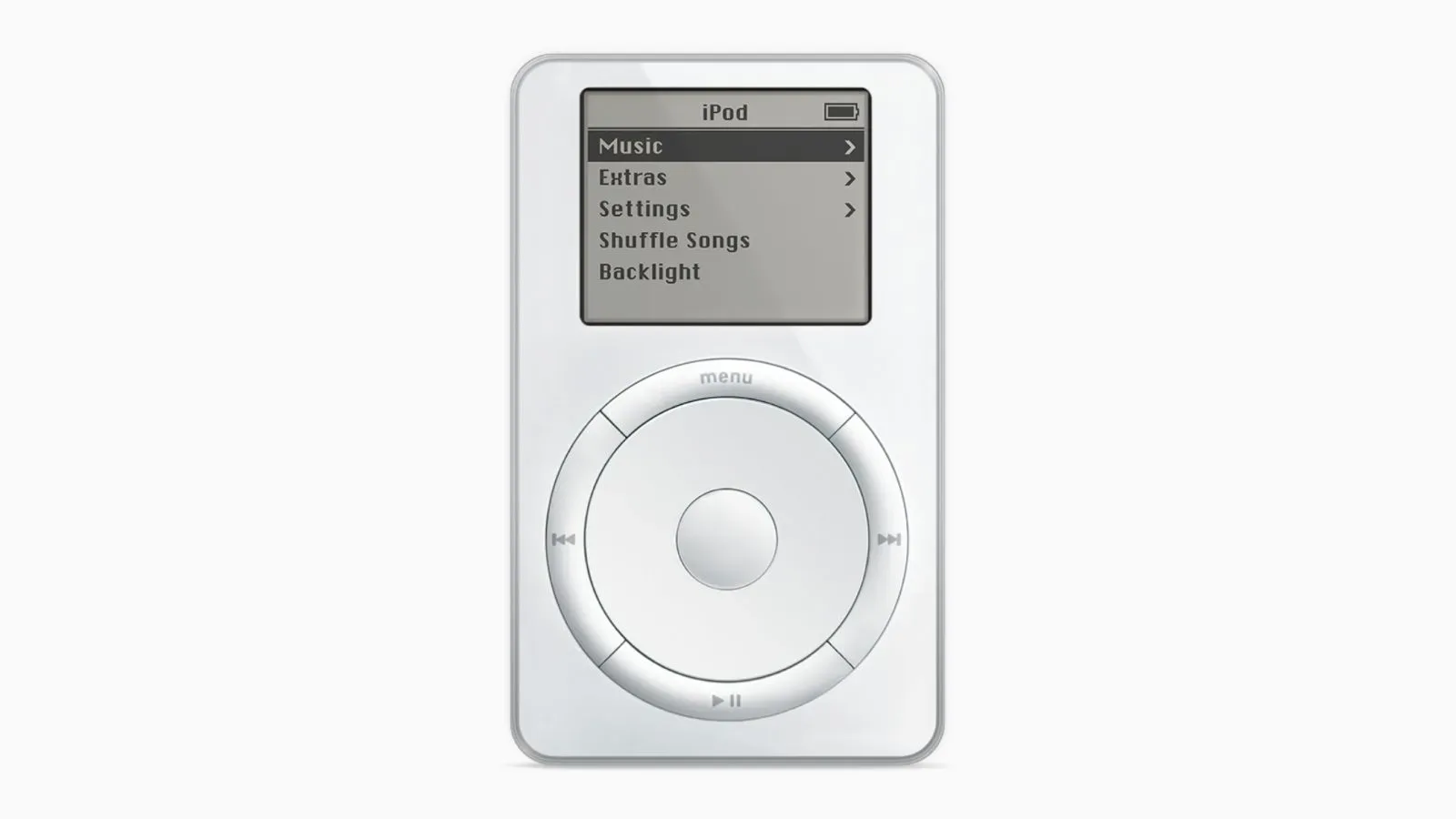
Twenty-five years ago, Apple introduced a little white music player that arrived with a very big promise: carry 1,000 songs in your pocket. The original iPod debuted on October 23, 2001, at Apple’s Infinite Loop headquarters, and its headline specification was a 5GB hard drive. That capacity, coupled with a monochrome LCD, a mechanical scroll wheel and a claimed battery life of up to 10 hours, made the device a focused answer to a growing digital-music question: how can a sizeable personal library leave the computer?
Its significance is easy to see in retrospect, but it was not universally accepted at launch. The first model cost $399, worked with a Mac and iTunes, and entered a category in which shoppers could reasonably wonder why a dedicated player deserved that much money. Some early reactions dismissed its importance, while others focused on the Mac-only limitation. Those objections were real. Yet the iPod’s eventual scale makes the anniversary a useful reminder that a product’s immediate reception and its longer-term cultural or commercial impact are not necessarily the same thing.
A compact device built around a complete routine
The original iPod was not defined only by how many songs it could hold. Its appeal was the workflow around that capacity. A FireWire cable handled both music transfers and charging, while iTunes could automatically synchronize a person’s songs and playlists. Synchronization, in this setting, means software keeping the player’s music selection aligned with the library on a computer rather than asking the owner to manually manage every transfer.
Apple said a CD could be moved to the player in under 10 seconds and that 1,000 songs could transfer in under 10 minutes. Whether a buyer cared most about those speed claims or the simple promise of a ready-to-go music library, the important practical distinction was clear: this was not merely storage in a pocket. It was a device intended to stay connected to an organized music collection. Its drive could also hold documents and other files, adding a utilitarian storage role beyond playback.
FireWire was central to the first model’s setup. It is a computer connection standard, and here it did two jobs at once: moving data and replenishing the battery. The requirement of a Mac with iTunes narrowed the original audience, but it also made the experience more tightly defined. In an era when a product could be judged by an intimidating list of technical caveats, the iPod was designed around a small sequence: organize music in iTunes, connect the player, let the library sync, and take it away.
The physical interface mattered just as much. The first iPod used a mechanical scroll wheel, a control that let users rapidly move through a long list without needing a large display. That is an especially relevant design choice for music libraries. A device can have hundreds or thousands of albums and songs, but navigating them becomes frustrating if every movement requires repeated button presses. The wheel gave the iPod a recognizable interaction style while making a small screen more workable.
Why the initial skepticism made sense
The iPod was not announced into a vacuum of uncertainty. Before the presentation, Apple had described the coming device only as a “breakthrough digital device” and made clear it was not a Mac. Speculation ranged from a music player to a home-stereo accessory or a handwriting-focused handheld. The name “iPod” had appeared in pre-event rumor coverage shortly before the unveiling, but the eventual product still invited a straightforward question: was a $399, Mac-dependent music player truly a major breakthrough?
That question helps put the launch in perspective without treating early critics as simply wrong. At that moment, the product’s price and platform limitation were concrete drawbacks. The more interesting outcome is that Apple kept developing the formula. The iPod did not remain a single premium hard-drive player with one control scheme; it became a family with different sizes, storage approaches, interfaces and feature sets. Its broader impact came through that continued iteration, not from the original unit existing in isolation.
From scroll wheel to Click Wheel
Revisions arrived quickly. The second-generation iPod switched to a touch-sensitive scroll wheel. In 2003, the third generation introduced the 30-pin Dock Connector, a connection that would become a familiar part of later Apple hardware. The full-size iPod added a color display in 2004 and video playback in 2005, showing how a product built for music could expand its entertainment role while retaining the library-and-sync foundation.
The iPod mini, announced in January 2004, was the first extension of the line. It used a smaller anodized aluminum body and came in silver, gold, pink, blue and green. More importantly for everyday use, it introduced the Click Wheel. This combined the playback controls with the touch-sensitive scrolling surface, reducing the number of separate elements on the front of the device. Apple later used the same approach on the fourth-generation full-size iPod.
The Click Wheel is a concise example of interface design serving physical limits. Music controls need to be easy to find without looking, while browsing needs quick movement through lists. Integrating them allowed one surface to perform both jobs. It also gave the product a distinct visual identity, an outcome that is not guaranteed by a technical specification alone.
One name, several answers to different needs
Apple expanded the range again in 2005 with the iPod shuffle and iPod nano. The shuffle omitted a screen entirely, creating a simpler and smaller music player. The nano replaced the mini and used flash storage in a thin form factor. Flash storage stores data electronically rather than using the moving mechanical parts of a hard drive, a change well suited to increasingly small portable devices.
The product line’s variety is part of the reason “the iPod” cannot be reduced to one object. The original model put a hard drive, screen and wheel in a relatively premium package. The shuffle minimized the concept, prioritizing simplicity. The nano turned it into a slim flash-based player and, in later generations, gained video playback, a video camera and a touchscreen. The square sixth-generation nano, introduced in 2010, could even be worn on the wrist with third-party watch straps.
Then came the iPod touch in September 2007, several months after the first iPhone went on sale. With its 3.5-inch Multi-Touch display, Wi-Fi and Safari browser, it represented a different direction: a portable device whose music function existed alongside internet and touch-based computing features. Multi-Touch refers to a screen recognizing more than one touch input, enabling gestures rather than limiting interaction to a single point of contact. This was a substantial change from the wheel-led navigation associated with earlier iPods.
Viewed together, these models illustrate the iPod’s evolution from a particular hardware proposition into a flexible product label. A small screenless shuffle, a thin nano, a hard-drive classic and a Wi-Fi-enabled touch did not offer the same experience, but all were tied to portable personal media. That variety also anticipated the challenge facing the category: if larger multipurpose devices increasingly play music well, what remains uniquely necessary about the dedicated player?
Sales that show the scale of the shift
The numbers chart the iPod’s move from debated newcomer to mass-market success. Apple had sold 100 million iPods by April 2007, less than six years after the first model reached customers. By the product’s 10th anniversary in 2011, sales had passed 304 million units.
Those totals do not erase the launch concerns, but they establish that the iPod became far more than a niche accessory for existing Mac owners. The device was also a major part of Apple’s expansion beyond the Mac. In practical terms, it created an enduring association between the company and portable music, while the later iPod touch placed a browser and Wi-Fi-connected touchscreen in the family.
For readers who follow the way entertainment habits meet consumer hardware, that arc remains relevant. Music devices rarely succeed because of storage alone, or because a single component sounds impressive on a spec sheet. Capacity, transfer speed, battery life, controls, software and the ease of returning to one’s library all affect whether the device becomes a routine part of daily life. The original iPod’s 5GB drive was attention-grabbing, but the automatic iTunes workflow and scroll-wheel navigation helped turn storage into something usable.
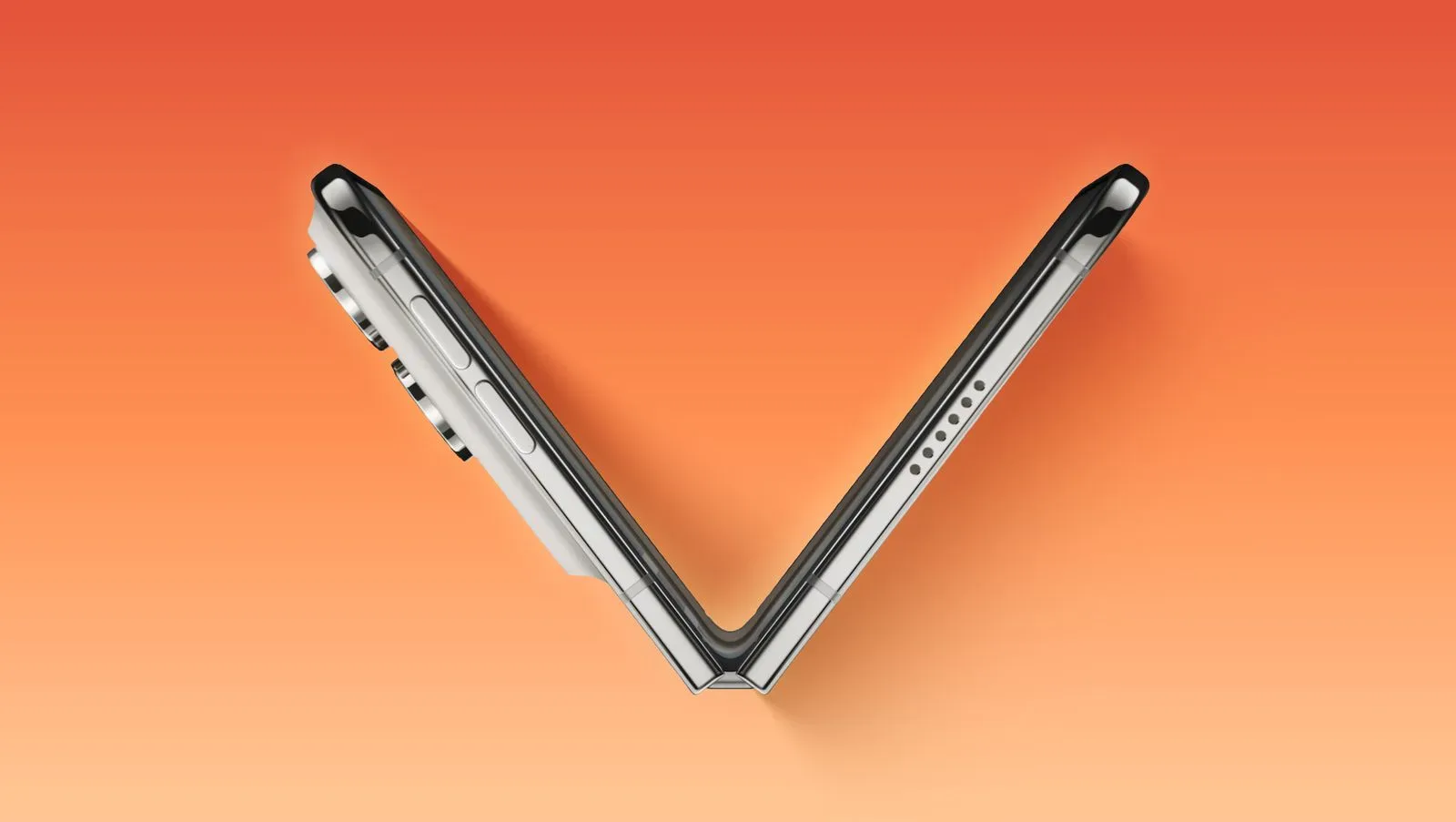
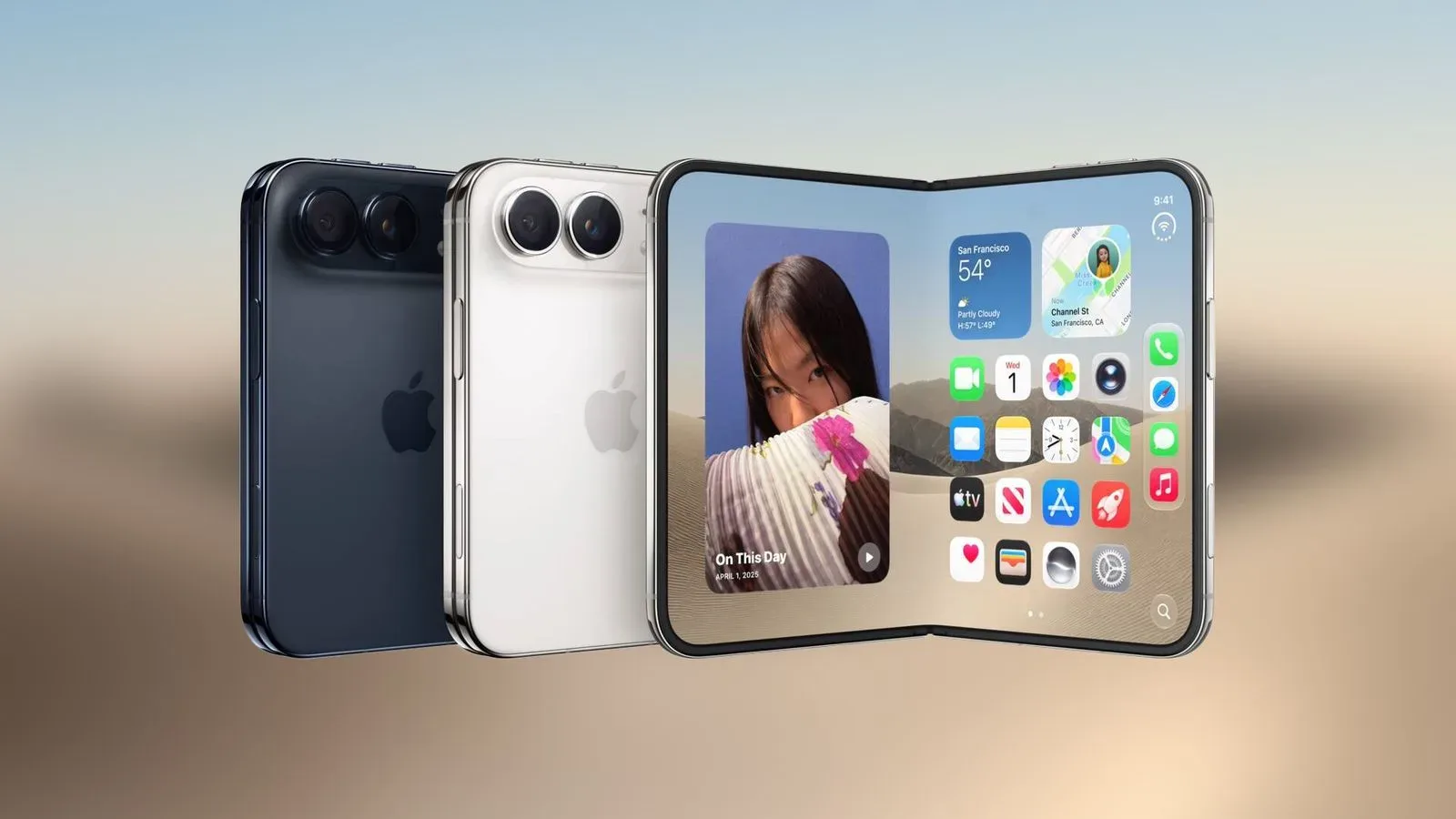
That relationship between a device and its surrounding service remains a useful lens for newer Apple hardware as well, including the company’s current work around foldable display technology, as covered in this look at reported iPhone Duo preorder expectations. Hardware can be the visible story, but the everyday value often depends on how naturally it fits the rest of a person’s digital life.
The end of the dedicated iPod line
The iPod’s long run ended in stages. Apple discontinued the iPod classic in September 2014, five years after its final hardware revision. The iPod nano and iPod shuffle followed in July 2017, leaving the iPod touch as the remaining model. Apple framed the broader end of the lineup around the fact that music playback had become integrated across other products, including iPhone, Apple Watch, HomePod mini, Mac, iPad and Apple TV.
That explanation captures the central irony of the iPod anniversary. The device succeeded so thoroughly as a portable-media idea that its core job no longer required a separate product line. Music became an expected capability across a range of devices rather than the defining reason to carry a particular one.
Still, the original iPod deserves to be remembered as more than an early stepping stone. It was a carefully bounded piece of hardware: 5GB of storage, a monochrome screen, a mechanical wheel, FireWire charging and transfer, iTunes synchronization, and a $399 price tag. Each detail also reveals the constraints and choices of its moment. Twenty-five years later, its lasting lesson is not that every successful device must promise 1,000 songs. It is that a compelling product can make a complicated digital habit feel legible, portable and personal.