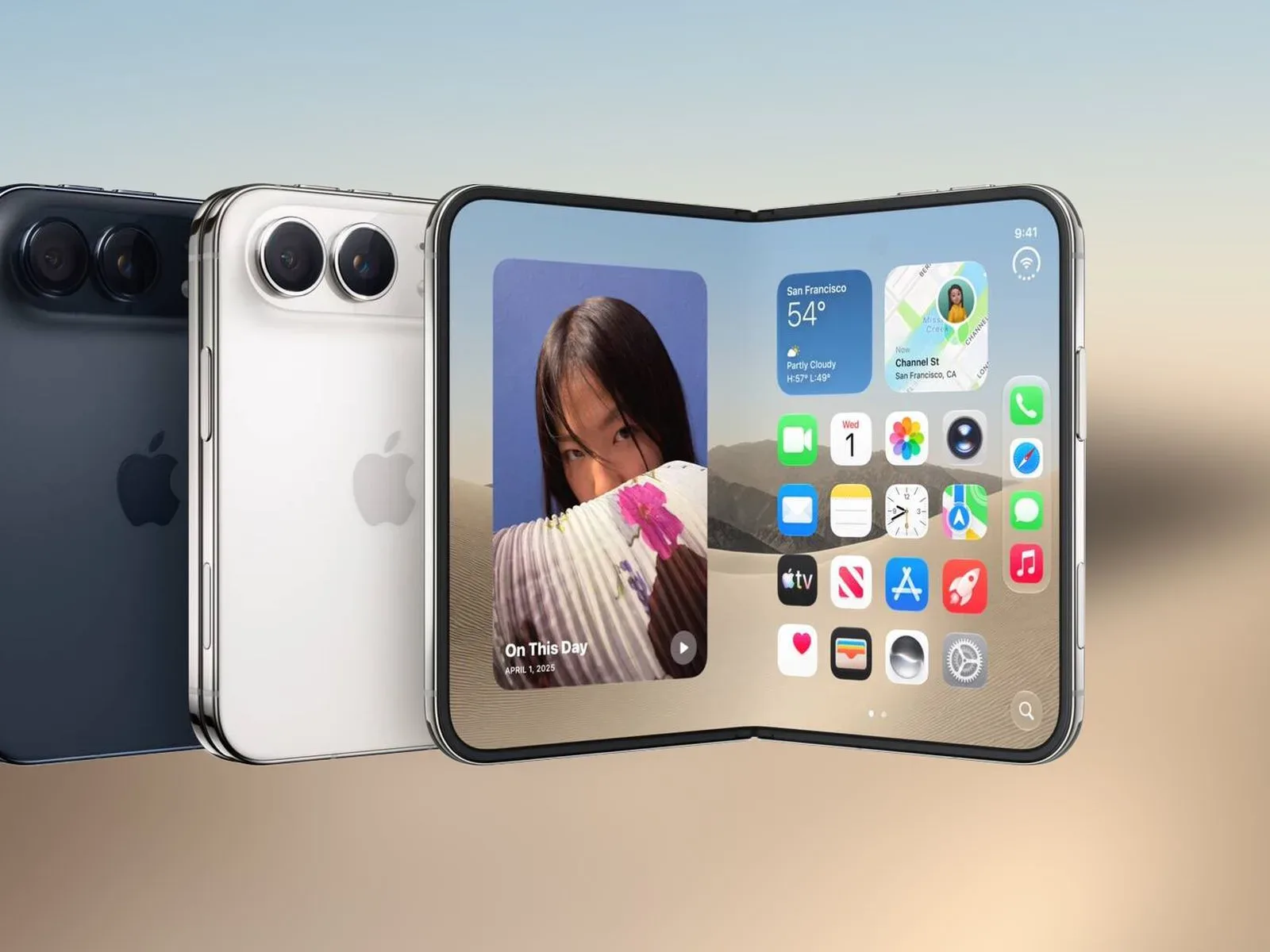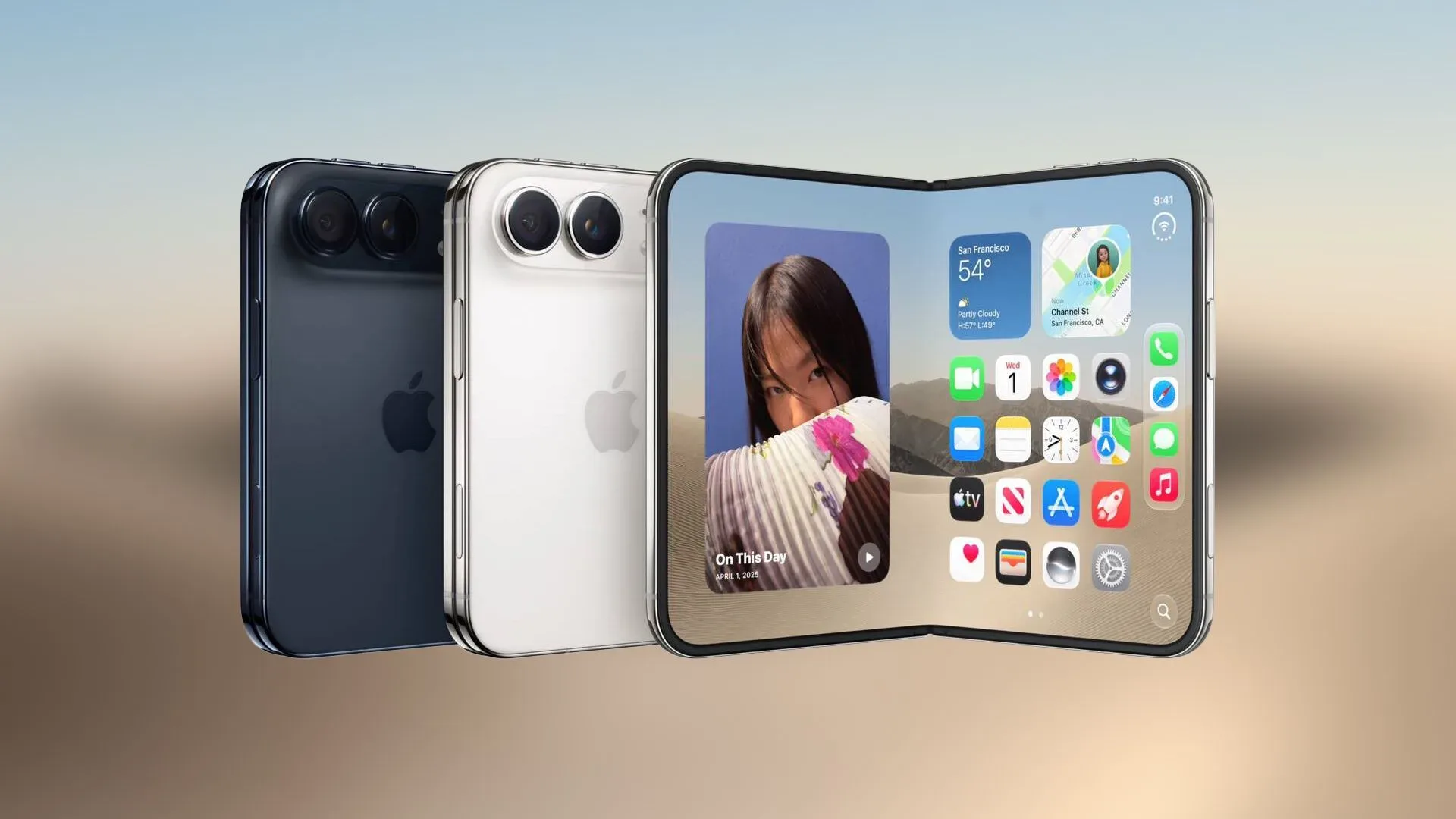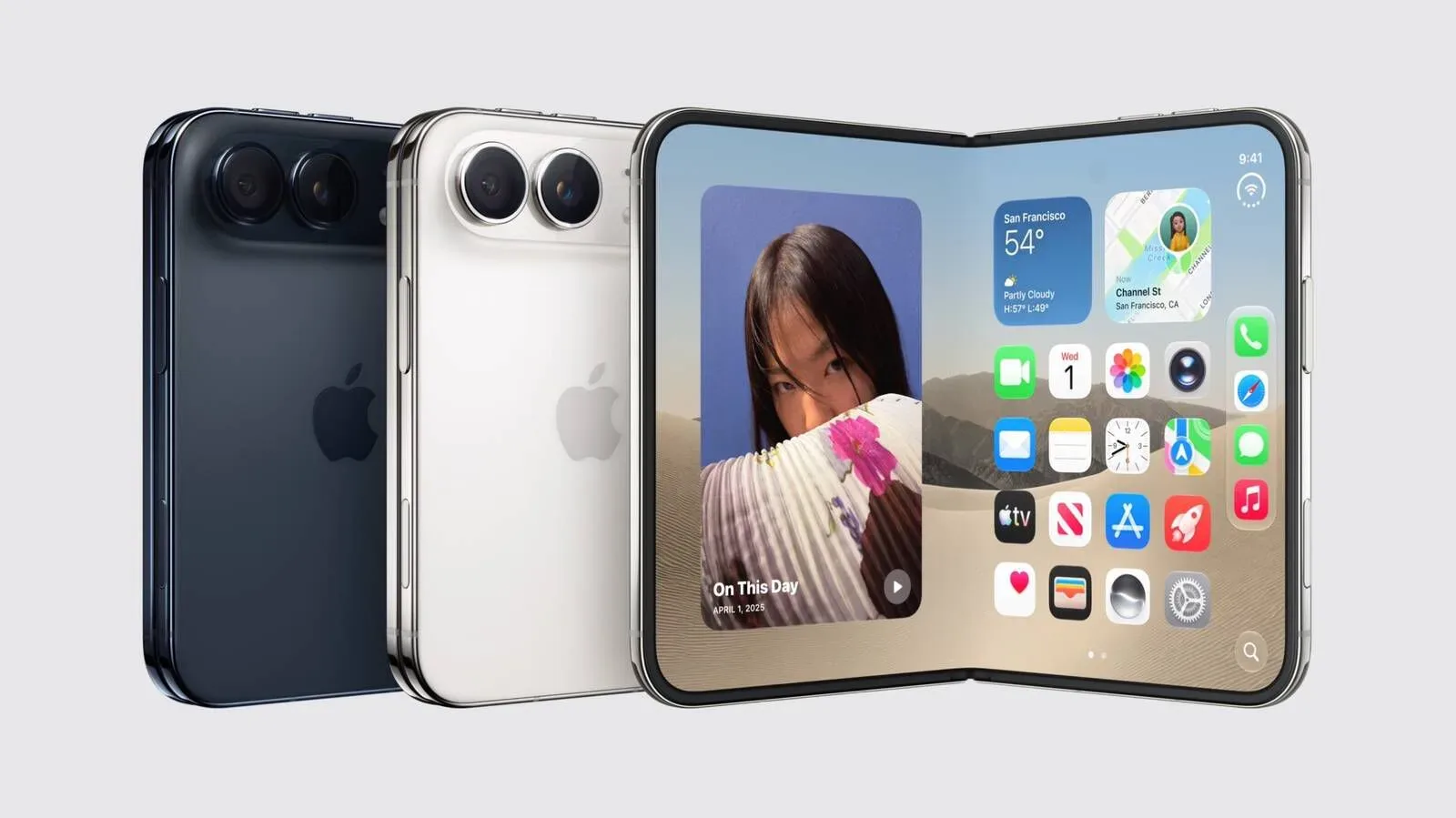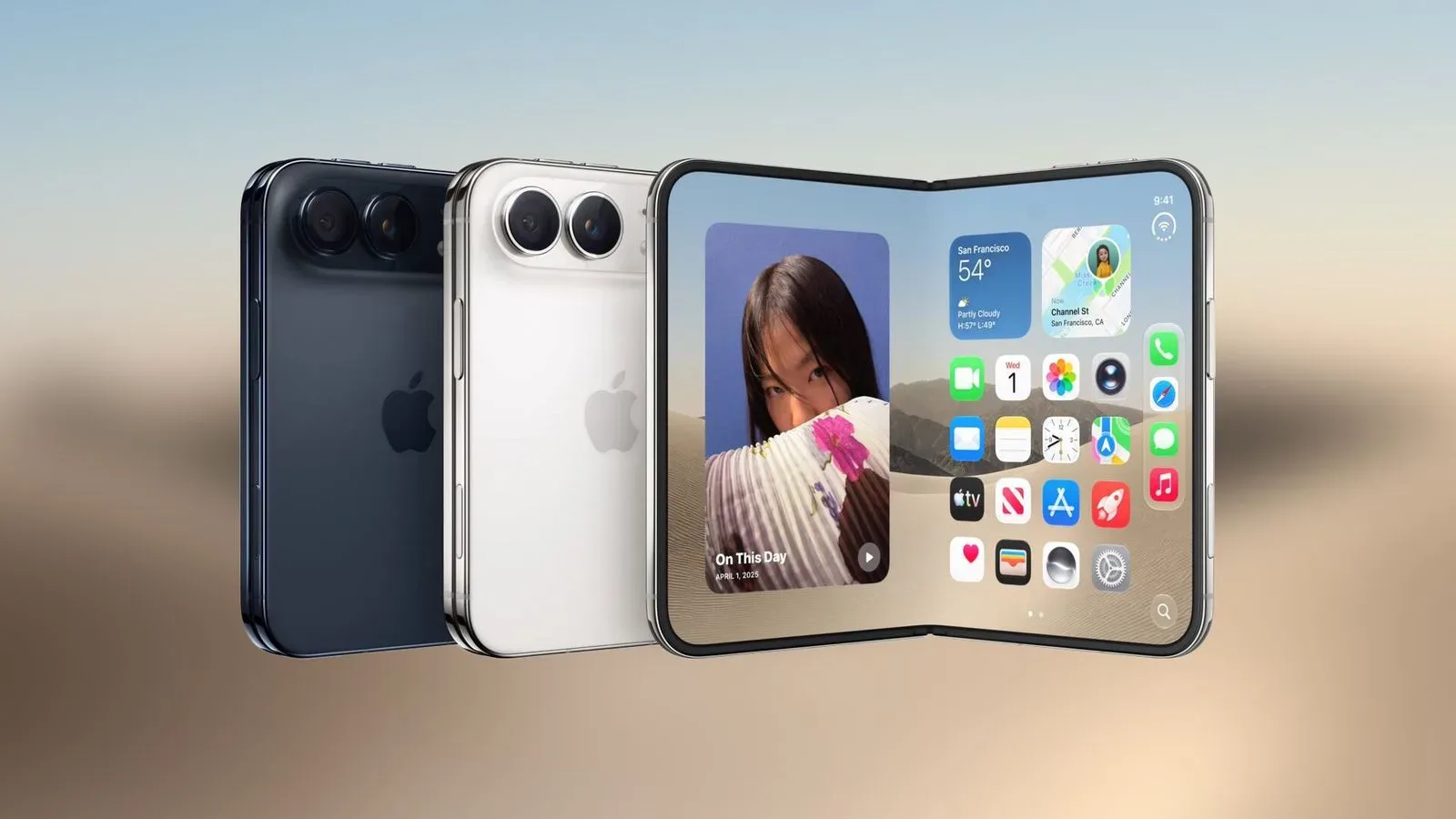
Apple’s iPhone Duo pre-order window has turned into a wait-list almost immediately. The company says demand for the new device has been “nothing short of extraordinary,” after online delivery estimates moved from the October 23 launch date into November within minutes and, shortly afterward, to January 25. Customers ordering through Apple now are being quoted delivery in early 2027.
That is a striking turnaround for anyone who treated the opening delivery date as a reliable promise of near-term availability. The iPhone Duo is not merely facing a modest delay for late buyers: Apple’s current ordering timeline means the company has no remaining online delivery allocation for 2026. The earliest orders are still scheduled to arrive on October 23, but the gap between launch-day buyers and people ordering later has widened into months.
Apple says it is working to place the product in customers’ hands as quickly as possible. What it has not provided is a public production forecast, an explanation of the capacity constraint, or a guarantee that today’s estimates cannot improve. That distinction matters. A delivery date is an estimate based on the inventory and expected supply Apple can currently allocate, not an immutable countdown clock.
How quickly the queue moved
Pre-orders opened at 5 a.m. Pacific Time. Initial availability showed October 23 delivery, matching the first shipment date. Within minutes, delivery projections had slipped to November. By 5:30 a.m. Pacific Time, the estimate had reached January 25.
For shoppers arriving now, the practical headline is simpler: an Apple order placed at this point is expected in early 2027. The difference between “January 25” and “early 2027” is worth noting because it reflects the fluid nature of a launch queue. Apple’s delivery window can change as demand is processed and as the company updates its expected incoming inventory.
There were reports before pre-orders began that manufacturing difficulties could constrain supply. Those reports are not confirmation of a specific production problem, and Apple has not publicly detailed any manufacturing issue. Still, the speed with which estimates moved demonstrates that the available launch allocation was not enough to satisfy the early wave of orders.
High demand and limited supply can produce the same customer-facing result regardless of their relative weight: dates slide later. The information currently available does not establish precisely how much of the iPhone Duo’s delay is driven by demand, how much stems from constrained manufacturing, or whether both are contributing. Apple’s language emphasizes exceptional interest; the prior supply reports pointed to a potentially restricted starting inventory. Both factors can coexist.
What “delivery estimates” actually mean
Launch-day shipping estimates can be easy to misread. They are not necessarily a statement that every device assigned to a date has already been physically completed and boxed. Instead, they are a retailer’s best estimate of when it can fulfill an order, using current inventory, expected production, logistics planning, cancellations, and the sequence in which customers placed orders.
In this case, the October 23 date applies to the first orders. Later dates show that the initial allocation has been consumed and that Apple is assigning subsequent customers to later expected supply. A January 25 estimate, followed by early-2027 projections, signals that the queue has extended past the company’s anticipated 2026 fulfillment capacity for new online orders.
It does not necessarily mean every buyer will wait exactly as long as first quoted. Apple has, in prior constrained iPhone launches, delivered some devices earlier than originally estimated. That can happen when production improves, shipping plans change, or orders ahead in the queue are canceled. But it is only a possibility, not a reason to assume an early-2027 order will arrive sooner.
The sensible interpretation is conservative: customers should make plans around the date shown at checkout. Any improvement is a bonus rather than an entitlement. Conversely, the supplied information does not say whether present estimates could move later, either.
Store pickup and walk-in stock remain separate questions
Apple has not said whether the iPhone Duo will be available for walk-in purchase at retail stores on October 23. That leaves an important uncertainty for people hoping to avoid the online queue. If stores receive stock for launch-day sales, lines could return outside Apple locations in a way that has not been common for several years. But potential lines are not proof that walk-in inventory will exist, and shoppers should not mistake a possibility for a confirmed plan.
There is one specific hint for customers who prefer pickup: Apple’s website tells visitors to check back on October 24 for availability. That suggests some store-pickup inventory may be listed as soon as the following day. It does not specify quantities, participating stores, configurations, or whether availability will be widespread. The wording supports checking the official store-pickup page again; it does not support assuming that every location will have an iPhone Duo ready to collect.
For buyers, delivery, store pickup, and walk-in purchases should be treated as separate inventory channels. An online shipping delay does not automatically prove that no pickup stock will appear, while a pickup listing at one store would not mean online orders are suddenly catching up. Availability can vary by location and allocation.
A cautious way to approach the launch
- Check the estimate before placing an order. The quoted date is the clearest current indication of when that order may be fulfilled.
- Do not count on an earlier shipment. Earlier-than-estimated arrivals have occurred in constrained launches, but Apple has made no commitment that they will happen here.
- Watch store pickup on October 24. Apple’s own site points customers to that date for availability checks, though stock and locations remain unknown.
- Separate confirmed facts from launch speculation. Walk-in stock, store lines, and the underlying manufacturing situation have not been fully detailed.
- Be wary of scarcity-driven decisions outside official channels. Limited availability can encourage opportunistic resale activity. The incentives around scarce launches have parallels with other high-demand markets, including the resale concerns described in this report on ticket resale allegations, even though phones and event tickets are fundamentally different products.
The price makes the wait a more deliberate decision
The iPhone Duo starts at $1,999 and rises to $3,199 for the 2TB storage model. Those numbers put the purchase decision well beyond the casual, low-friction upgrade category. With a wait extending to 2027 for new Apple delivery orders, prospective customers have time—and arguably a reason—to decide whether their desired storage tier and timing remain right for them.
The supplied information does not identify the technical differences among the configurations, so storage is the only stated variable at the high end. A 2TB option refers to the device’s storage capacity: the amount of space available for content and data on the phone. It should not be confused with a claim about processing speed, network performance, or any other feature not detailed here.
The $1,200 difference between the stated starting price and the 2TB price also explains why availability should not be treated like a race with no room for thought. Buyers can be enthusiastic about a new product while still checking the exact configuration, estimated delivery date, and purchase terms before committing. An unusually long backlog means the final checkout screen is especially important.
What Apple has confirmed—and what remains open
There are several firm points. Pre-orders began at 5 a.m. Pacific Time. First orders are due October 23. Apple describes demand as extraordinary. Delivery dates moved to November within minutes, reached January 25 by 5:30 a.m., and have now extended into early 2027 for new Apple orders. The phone begins at $1,999, and the 2TB model costs $3,199.
There are also meaningful unknowns. Apple has not said how many iPhone Duo units will be available for walk-in buyers on October 23, if any. It has not explained the nature or scale of any production limitation. It has not promised that backlog estimates will improve. And the October 24 store-pickup prompt indicates a date to check, not a guaranteed restock.
That mix of certainty and uncertainty is the defining story of the iPhone Duo launch. The demand signal is unambiguous. The fulfillment outlook is not. Customers who already secured October 23 delivery are positioned for the first wave; customers ordering now are entering a queue that reaches into the next calendar year. Until Apple offers more detail, the best approach is to use the current delivery date as the baseline, monitor official pickup availability where relevant, and resist turning possibility into promise.