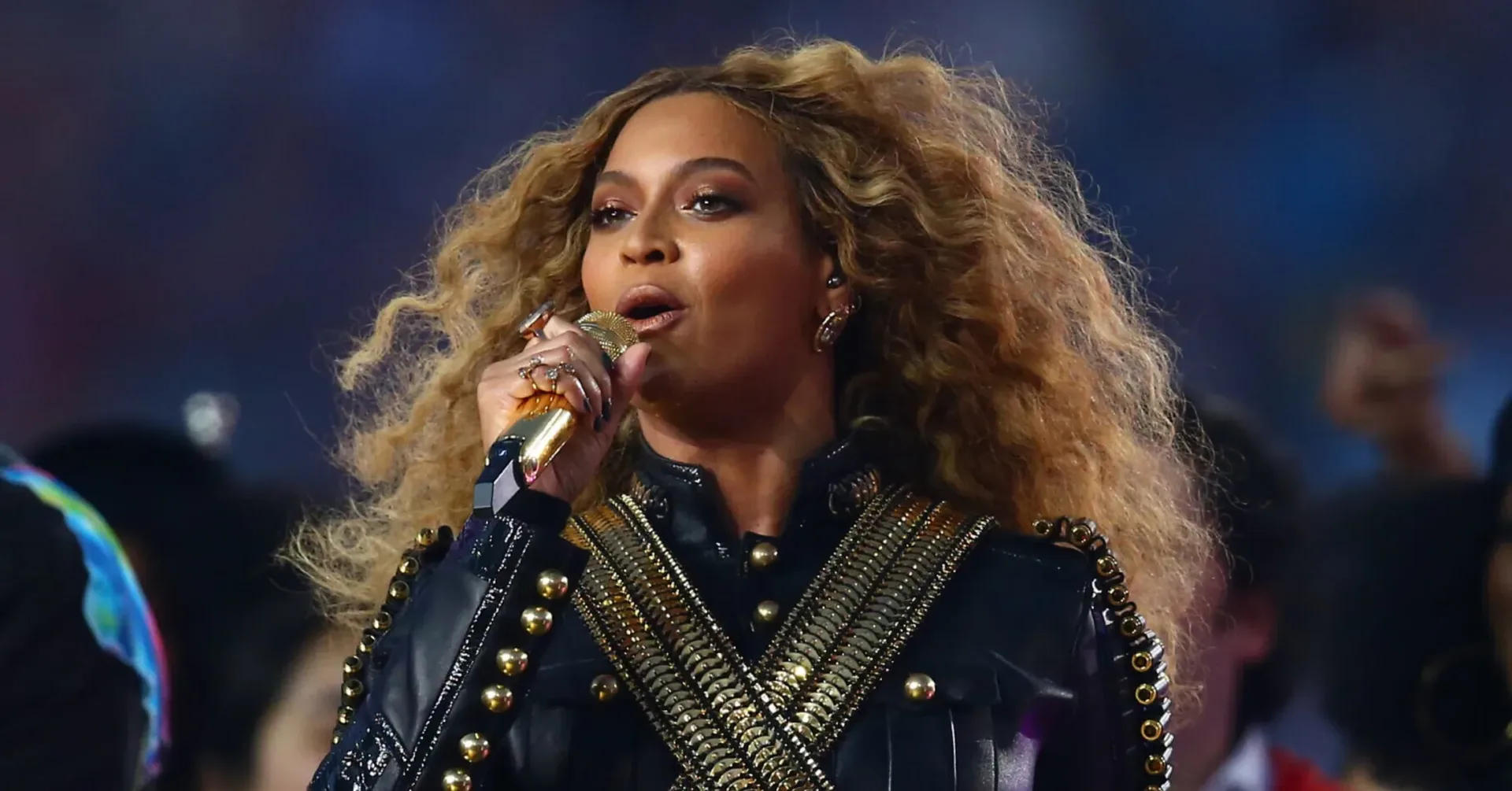
A federal lawsuit has put a striking number on the ticket-resale stakes surrounding Beyoncé’s final Renaissance World Tour performance: approximately $833,323 in alleged profit from a single concert.
The Justice Department filed suit against San Diego-based REPS & Company and three of its executives on October 15. The complaint alleges that the ticket broker purchased 7,624 tickets for Beyoncé’s October 1, 2023, show at Arrowhead Stadium in Kansas City, Missouri, despite a stated per-buyer limit of four to eight tickets. Federal lawyers allege the company used at least 1,300 accounts to obtain those seats before reselling them on the secondary market.
The case is not a claim about the artist, the tour promoter, or fans who later bought tickets. It is an allegation that a broker systematically evaded online purchase controls designed to limit how many seats a buyer can obtain. The Kansas City date is presented as one especially vivid example inside a much broader enforcement action.
For wider context on the underlying case, see our overview of the federal lawsuit involving the broker’s alleged use of thousands of ticket-buying accounts.
What the government alleges happened
Ticket limits are intended to prevent a small number of buyers from rapidly absorbing a large share of inventory. In the complaint, the government says REPS & Company used a network of accounts, virtual credit cards, and software intended to conceal where buyers were located. It also alleges that most of the company’s ticket-purchasing employees were based in the Philippines.
That distinction matters because a ticket platform does not necessarily see a mass purchase as one obvious transaction. If a broker is operating through many accounts and payment methods, a limit applied to a single account can be far less effective unless the platform can connect those separate purchases. The suit alleges the defendants built their process around overcoming precisely those kinds of protections.
Federal attorneys Austin T. Mendes and Meredith L. Reiter described the alleged outcome in plain terms: the broker purportedly targeted events likely to sell out and attract high resale demand, leaving later buyers to face substantial markups when tickets re-entered the market.
“Because Defendants mainly target and harvest tickets most likely to sell out and generate a high demand in the secondary marketplace, consumers that purchase the tickets Defendants resell often pay a significant markup,” the complaint states.
The word secondary market refers to ticket sales after the original seller’s sale. It is not automatically synonymous with unlawful activity; the crucial allegation here is how the inventory was allegedly acquired. The government contends that tickets were purchased by bypassing safeguards used to enforce purchase caps, then sold onward at higher prices.
The alleged “Error Bible” and anti-bot controls
One of the complaint’s most notable details is the alleged existence of an “Error Bible,” described as internal instructions for resolving purchase errors and getting around Ticketmaster controls. The government says the material guided employees and agents through methods for troubleshooting and bypassing ticket limits.
Online onsales use more than a simple “tickets remaining” counter. Platforms can require registration, issue access codes, examine purchasing patterns, restrict quantities, and impose other checks to distinguish prospective attendees from bulk purchasers. Those measures are imperfect by design and necessity: a platform must allow legitimate fans to buy tickets without making checkout impossible, while still identifying automated or coordinated large-scale purchasing behavior.
For the Beyoncé tour, fans were instructed to register and undergo screening meant to reduce professional resale activity. When demand exceeded the available allocation, some registrants could be placed into a lottery for an access code. A code itself did not ensure that its holder would secure a ticket.
The complaint alleges REPS & Company took a parallel route through those barriers. If proven, that allegation would illustrate why a visible per-account limit is only one piece of a larger enforcement system. A four-to-eight-ticket rule cannot achieve its intended effect if one commercial operation can present itself as hundreds or thousands of apparently separate buyers.
Why the Beyoncé figure is only one part of the case
The government’s approximately $833,323 profit estimate for the Arrowhead Stadium date is attention-grabbing because it ties an alleged resale gain to a single, high-demand concert. But the lawsuit is much bigger in scope.
Federal lawyers allege that REPS & Company spent more than $1.3 billion to purchase over 18.5 million tickets. The complaint says those purchases covered at least 83,500 events where the company bought more than eight tickets. It further alleges that the firm generated at least $120.8 million in resale profits.
Those are allegations in a civil complaint, not findings of fact by a court. The filing does, however, show the scale the government attributes to the operation: the Beyoncé concert functions as a concrete example of conduct it says occurred across thousands of events, rather than as an isolated episode.
REPS & Company has described its own business as one that uses data to forecast demand and pricing, with the stated goal of connecting more fans with live events. The supplied record does not include a substantive response from the company to the lawsuit’s allegations.
The law at the center of the lawsuit
The suit alleges violations of the Better Online Ticket Sales Act, commonly referred to as the BOTS Act. As described in the complaint, the statute prohibits circumventing online ticketing safeguards that enforce ticket limits and restricts certain resale activity involving tickets obtained through that kind of circumvention.
In practical terms, the legal question is not simply whether reselling brought in a profit. The government’s theory is that the alleged methods used to secure the tickets violated protections put in place by the original seller. That puts the focus on the route from onsale to resale: accounts, payment instruments, location-masking software, and procedures for responding when purchase controls intervened.
The named individual defendants are REPS & Company CEO Ryan Pancheri, President Brian Archibald, and Chief Operating Officer Nicholas Totagrande. Naming company leaders does not resolve their liability; it means the government is seeking to hold them accountable alongside the company under its stated theory of the case.
What the government wants from the court
The Justice Department has asked the U.S. District Court for the Southern District of California for a permanent order barring the alleged conduct, along with monetary relief and civil penalties. The complaint did not specify a total dollar amount requested.
A permanent injunction is a court order that remains in effect rather than a temporary measure used while a case proceeds. If granted, it could prohibit future conduct defined by the court’s order. Civil penalties are financial sanctions sought through a civil case; they are distinct from a criminal conviction or criminal sentence.
The requested remedies therefore extend beyond the government’s estimate of profit from the Kansas City show. The case seeks both to recover or penalize alleged conduct and to stop it from recurring. Whether the requested relief is awarded, and in what amount or form, will depend on the court process ahead.
What this means for fans trying to buy high-demand tickets
The complaint captures a frustration familiar to anyone who has entered a virtual queue, registered for an access code, and still come away empty-handed: restrictions can look strict at the individual level while coordinated buying allegedly operates at an entirely different scale.
It is important not to overstate what this lawsuit can establish at this stage. It does not mean every expensive resale listing came from prohibited conduct, nor does it guarantee changes to future onsales. It does show that federal enforcement is directed at alleged efforts to defeat the digital rules behind purchase limits—not merely at the fact that a ticket later sold for more money.
For fans, the practical lesson is less about a new purchase tactic than about understanding the systems at work. Registration, access codes, quantity caps, and location or account checks are designed to manage extraordinary demand and constrain bulk acquisition. Their value depends on platforms’ ability to identify linked purchasing activity and respond when actors attempt to obscure it.
For the live-events business, the case places those technical safeguards under a legal spotlight. The government alleges that the gaps between a stated ticket limit and its real-world enforcement can create a highly profitable opening for a well-resourced resale operation. The Arrowhead Stadium allegations put a dollar figure on that claimed opening: more than $833,000 from one Beyoncé performance alone.