A civil lawsuit from the Federal Trade Commission and Department of Justice alleges that California-based ticket broker REPS & Company built a huge resale operation by bypassing the online safeguards intended to stop bulk ticket buying. The complaint places concerts by Beyoncé, Post Malone, Pitbull and Luke Bryan among the events affected, while alleging more than 18.5 million tickets were acquired since 2022.
The case matters because it focuses on the machinery behind the frustrating experience familiar to concertgoers: tickets disappearing rapidly under nominal per-person limits, then appearing on resale marketplaces at higher prices. The government is not alleging that the artists named in the complaint did anything wrong. Instead, their shows are examples of events where demand and limited capacity allegedly created an opportunity for a broker operating at unusual scale.
What regulators say REPS did
The FTC and DOJ filed the civil action on Thursday, October 15, naming REPS & Company along with chief executive Ryan Pancheri, president Brian Archibald and chief operating officer Nicholas Totagrande. Regulators allege the business spent more than $1.3 billion acquiring over 18.5 million tickets from 2022 onward, producing at least $120.8 million in resale profits.
Those are allegations in a civil complaint, not findings of liability. The government is seeking civil penalties, monetary relief and a permanent injunction. Its legal theory rests on the Better Online Ticket Sales Act, often shortened to BOTS Act, which prohibits bypassing technological measures used to enforce ticket limits.
For more context, explore Absolute Batman #25 Reportedly Passes 775,000 Comic-Shop Orders Ahead of Its Joker Showdown.
In plain terms, a purchase limit is only meaningful if a seller can tell whether many attempted purchases originate with the same real buyer. The complaint alleges REPS sought to defeat that ability through a large web of accounts registered under different names, virtual credit cards, and technology intended to mask users’ identities and locations. It also alleges the company had workers manage the accounts and worked around efforts by ticketing platforms to flag or block suspicious activity.
That distinction is central to the case. Buying a ticket and later reselling it is not, by itself, what the complaint describes as unlawful. The accusation is that REPS used deceptive or evasive technical practices to get past anti-bulk-buying controls at the initial point of sale.
The Beyoncé example illustrates the alleged scale
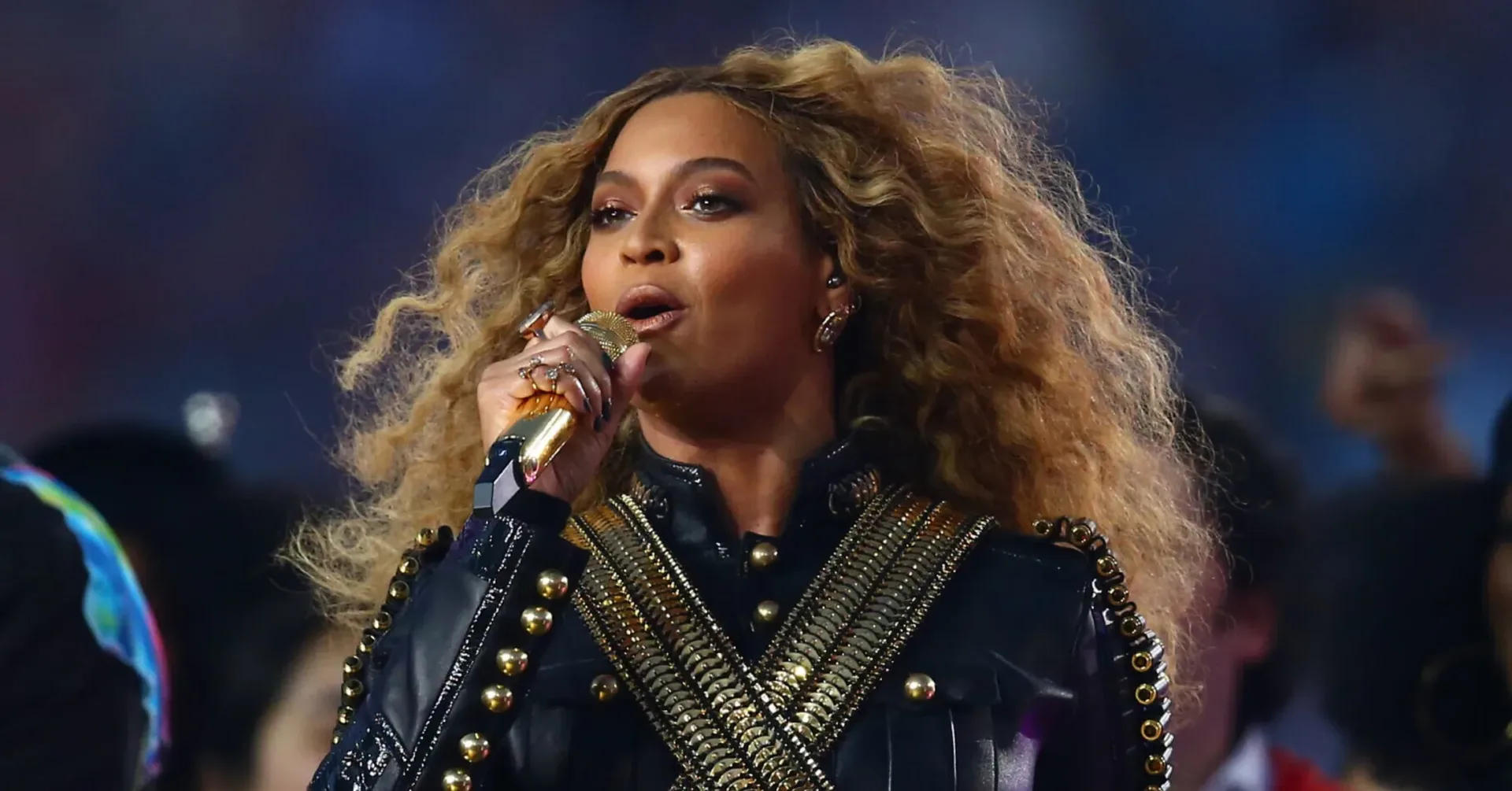
The complaint’s most striking event-specific example is Beyoncé’s October 1, 2023 Renaissance World Tour date at Arrowhead Stadium in Kansas City, Missouri. Federal authorities allege REPS used at least 1,300 accounts to obtain 7,624 tickets to that one concert.
The stated buyer limits were four to eight tickets. If the allegation is proven, the number of accounts used would explain how a single broker could assemble an inventory that no normal purchaser could acquire through one account. Regulators say that inventory generated more than $833,000 in resale profit.
For fans, the alleged effect is easy to understand even when the technical methods are not. A person who enters an onsale hoping to purchase one or two seats may be competing not only with other individuals but with a coordinated operation dividing a much larger purchase effort across hundreds or thousands of seemingly unrelated customer profiles. Limits designed to distribute access more fairly can be undermined when one business can make itself look like a crowd.
The complaint also identifies a September 2024 Pitbull concert in Syracuse, New York. REPS allegedly purchased 5,430 tickets through at least 700 accounts, an amount said to be close to one-third of that venue’s capacity. Authorities allege the company later made about $120,109 in resale profit from that event.
Why the account allegations are more important than a single blockbuster show
Major stadium tours naturally draw attention because the numbers are vivid. But the government’s broader claim is potentially more consequential: REPS allegedly bought more than eight tickets for at least 83,500 events. The case therefore is not solely about one Beyoncé date, or even only the handful of artists specifically mentioned.
A resale broker can operate across a wide range of events and platforms, moving inventory after acquiring it. Regulators say REPS sold tickets through secondary marketplaces including StubHub, Vivid Seats, SeatGeek, Gametime and Ticketmaster’s resale platform. The lawsuit does not say those marketplaces participated in the alleged account-circumvention scheme; they are identified as resale channels for the broker’s inventory.
That multi-platform aspect also helps explain why the primary market and secondary market are inseparable from a consumer’s perspective. The initial onsale determines who gets first access at the original price. Once a large inventory is controlled by a reseller, the buyer may see the same event through resale listings instead, potentially at a premium. The agencies’ claim is that the alleged evasion of primary-sale controls was what enabled that inventory to exist.
Technical terms behind the complaint
Account networks
An account network is exactly what it sounds like: many accounts that appear separate to a ticketing system but are allegedly managed for one commercial operation. Per-account ticket caps cannot serve their purpose if one purchaser can reliably generate and operate a high volume of accounts.
Virtual credit cards
Virtual cards are digital payment-card numbers. They can have legitimate uses, but the complaint alleges REPS used them as part of a system that obscured the connection among purchases. Payment information can be one signal a ticketing service uses when assessing whether multiple orders are linked; regulators contend the alleged operation worked to prevent that connection from being made.
Identity and location masking
Ticketing services may look at account, device, payment and location-related signals to identify patterns associated with high-volume buying. The complaint alleges REPS used technology to disguise identities and locations. It does not provide a full technical blueprint in the supplied allegations, but the claimed purpose is clear: prevent the platforms’ security measures from recognizing coordinated purchases.
Secondary marketplace
A secondary marketplace is a venue where tickets are listed for resale after their first sale. It is distinct from the initial seller’s onsale. The complaint’s focus is the alleged path to acquiring tickets in bulk before those later listings—not merely the existence of secondary marketplaces.
What the BOTS Act claim could mean
The Better Online Ticket Sales Act targets the circumvention of technological controls used to enforce ticket limits. A case under that law is consequently about more than whether ticket prices rose. It asks whether a defendant got around the digital rules set up to keep a single buyer from taking a disproportionate share of inventory.
Federal officials characterize REPS’ alleged model as an attempt to game the ticket-buying system and resell tickets at inflated prices. Whether the government can establish the claims will be determined through the civil process. For now, the complaint lays out regulators’ account of how the alleged system worked, the scale at which it operated, and the events used to illustrate it.
For ticketing platforms, the lawsuit underscores a persistent enforcement problem: an anti-bot or per-person rule is only as strong as the service’s ability to connect activity that is deliberately made to look unrelated. For fans, the practical point is more immediate. A posted ticket limit does not necessarily mean only a handful of seats can reach a single reseller when the systems used to identify a buyer are allegedly being evaded.
The case is also a reminder to separate the named performers from the claims being litigated. Beyoncé’s Renaissance tour, Post Malone, Pitbull and Luke Bryan are mentioned because their concerts were included in the alleged purchasing activity. The complaint does not accuse the artists of wrongdoing. For further detail on the federal allegations, the reported case overview outlines the same central accusations involving REPS’ purported use of thousands of accounts.
What happens next
The DOJ is pursuing civil remedies rather than describing criminal charges in the supplied complaint summary. The requested relief—penalties, monetary relief and an injunction—could seek both financial consequences and an order restricting future conduct if the government succeeds.
Until a court resolves the matter, the dollar figures, ticket totals, account counts and descriptions of the alleged practices remain the government’s claims. Still, the numbers cited for the Kansas City Renaissance date and the Syracuse Pitbull show offer a concrete picture of why regulators brought the action: limits of four to eight tickets allegedly became thousands of tickets when spread over hundreds or thousands of accounts.