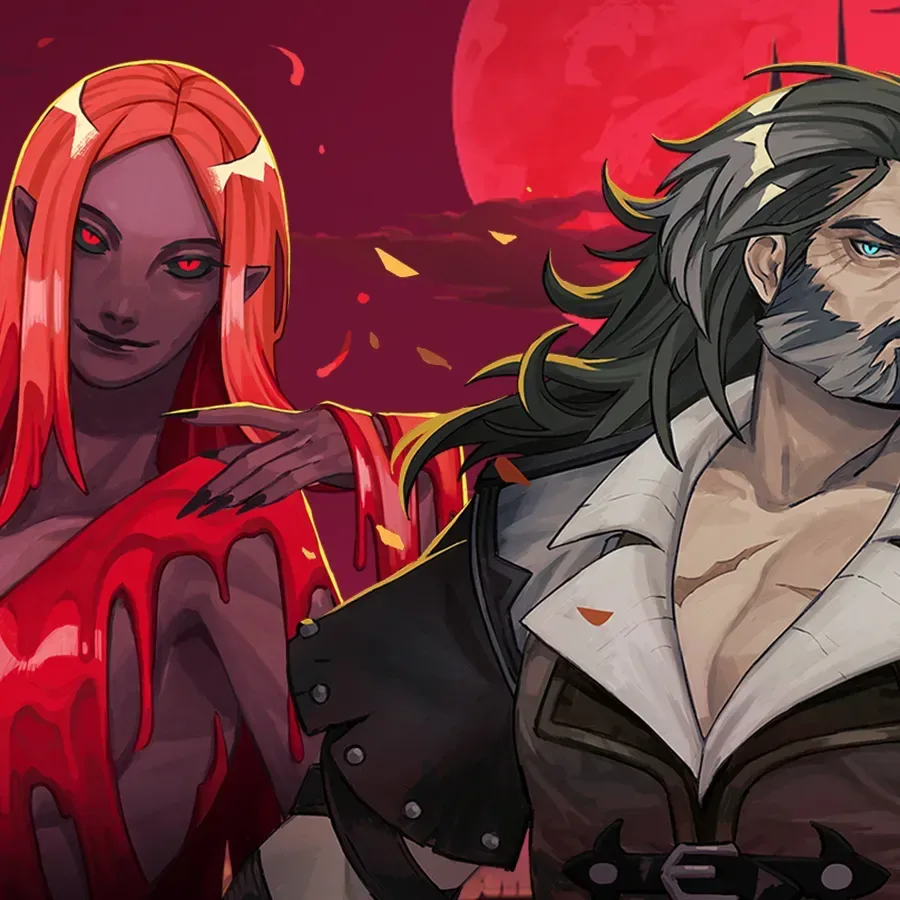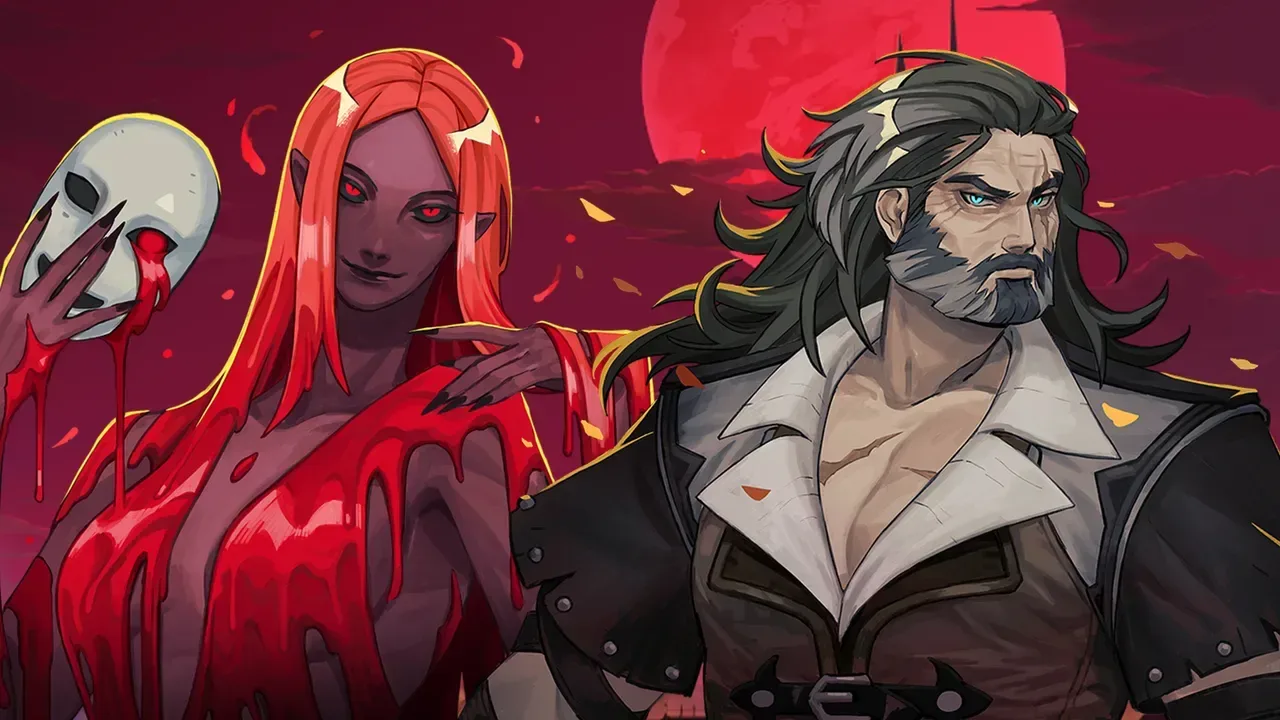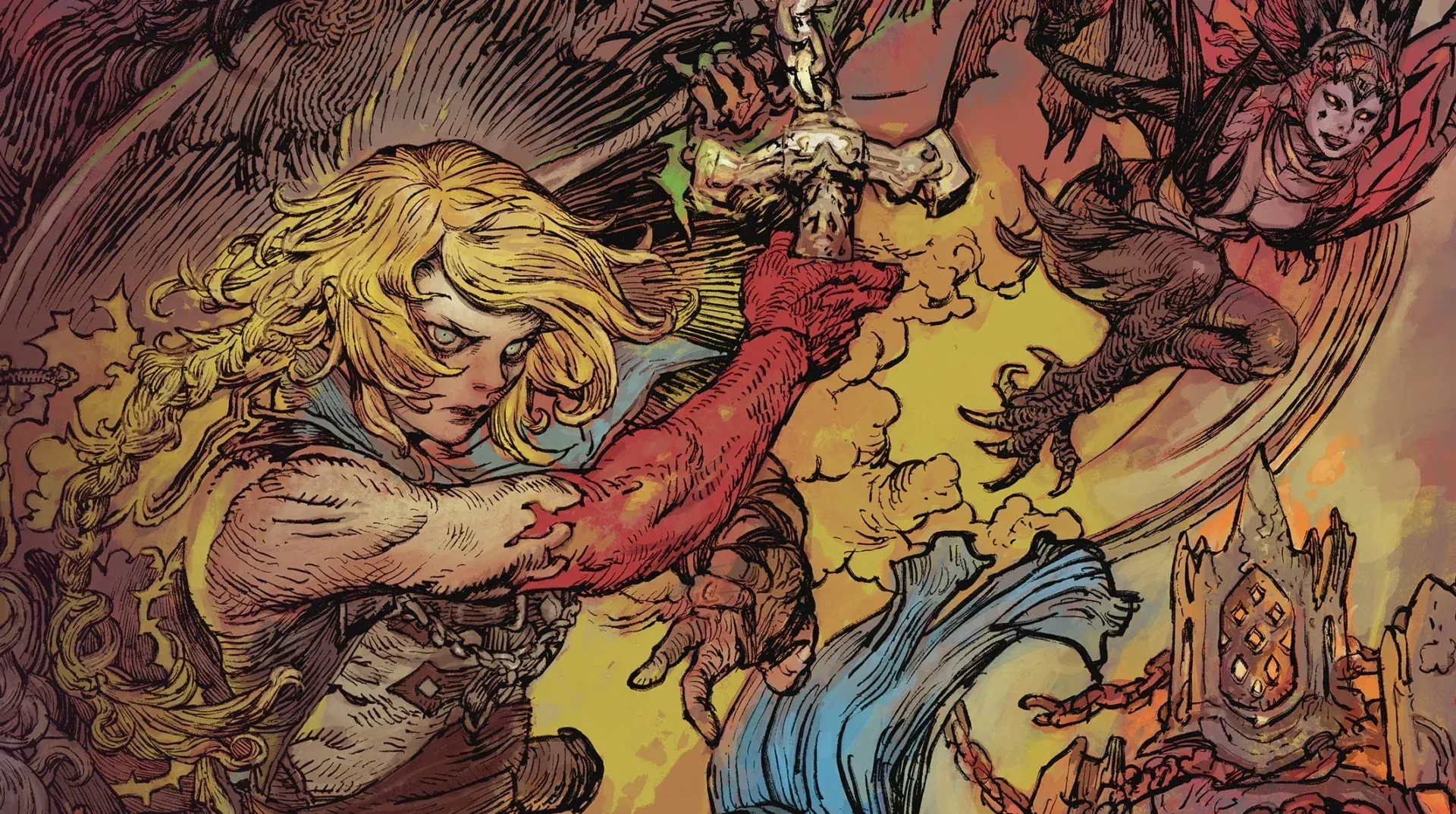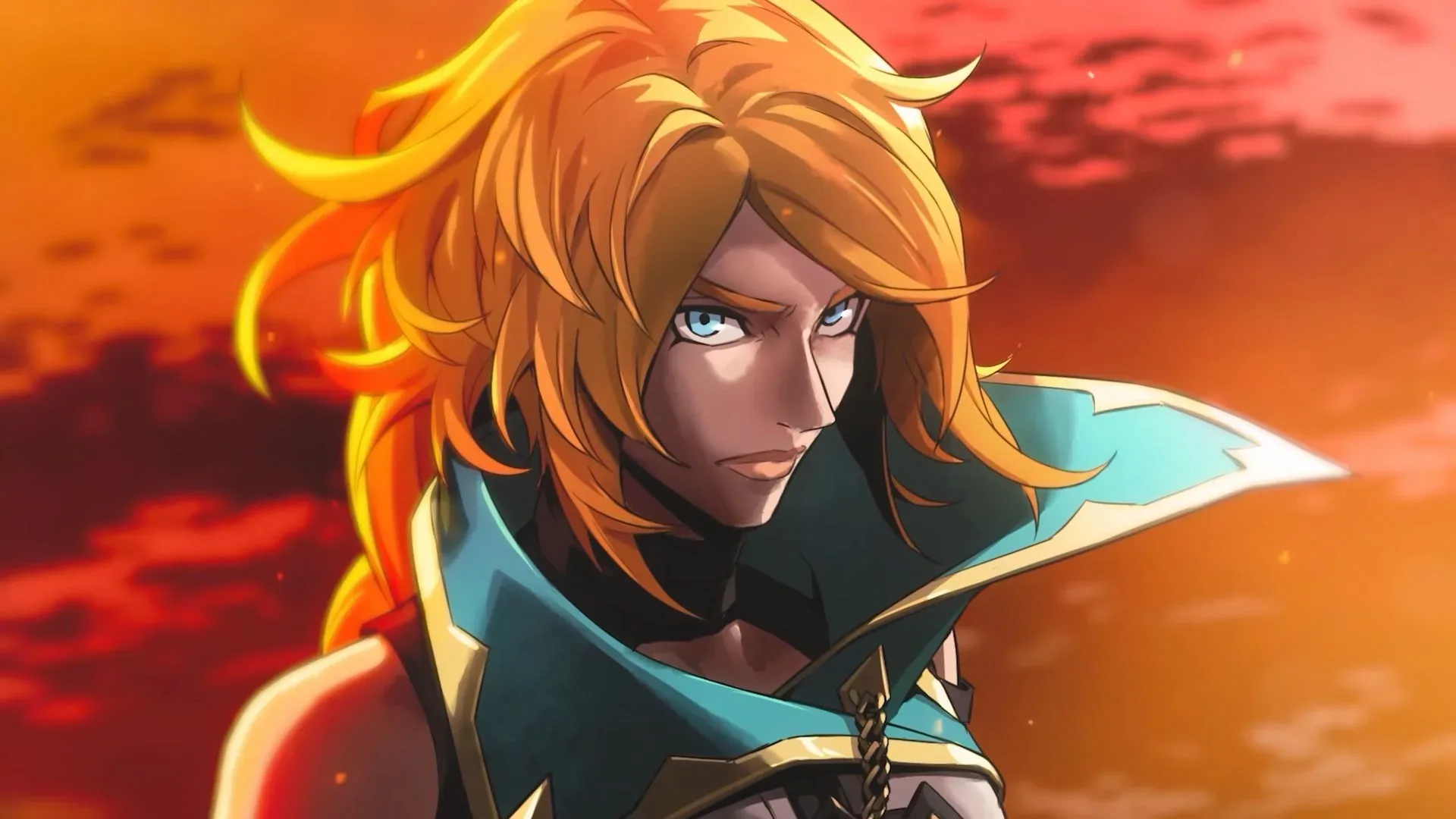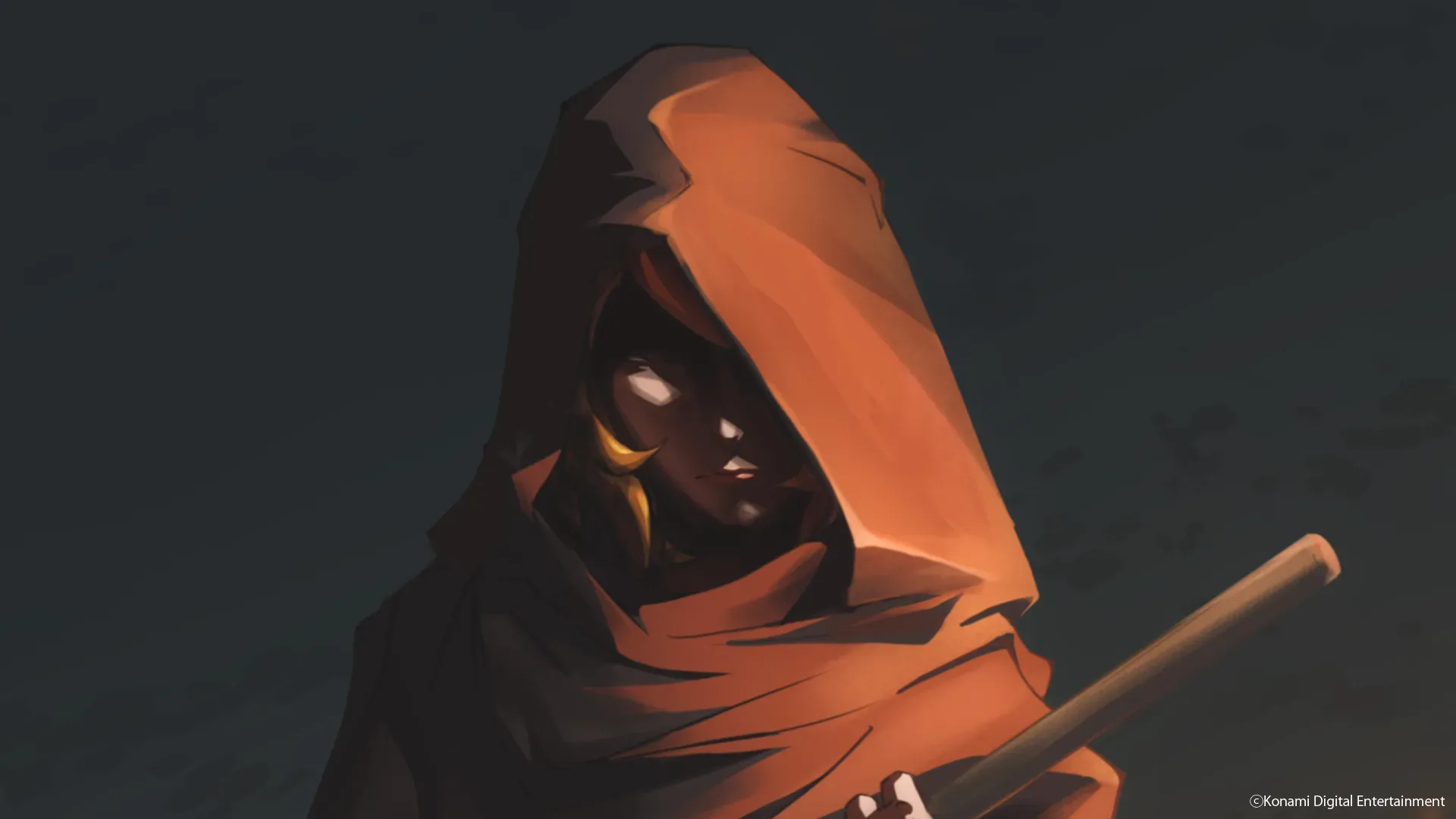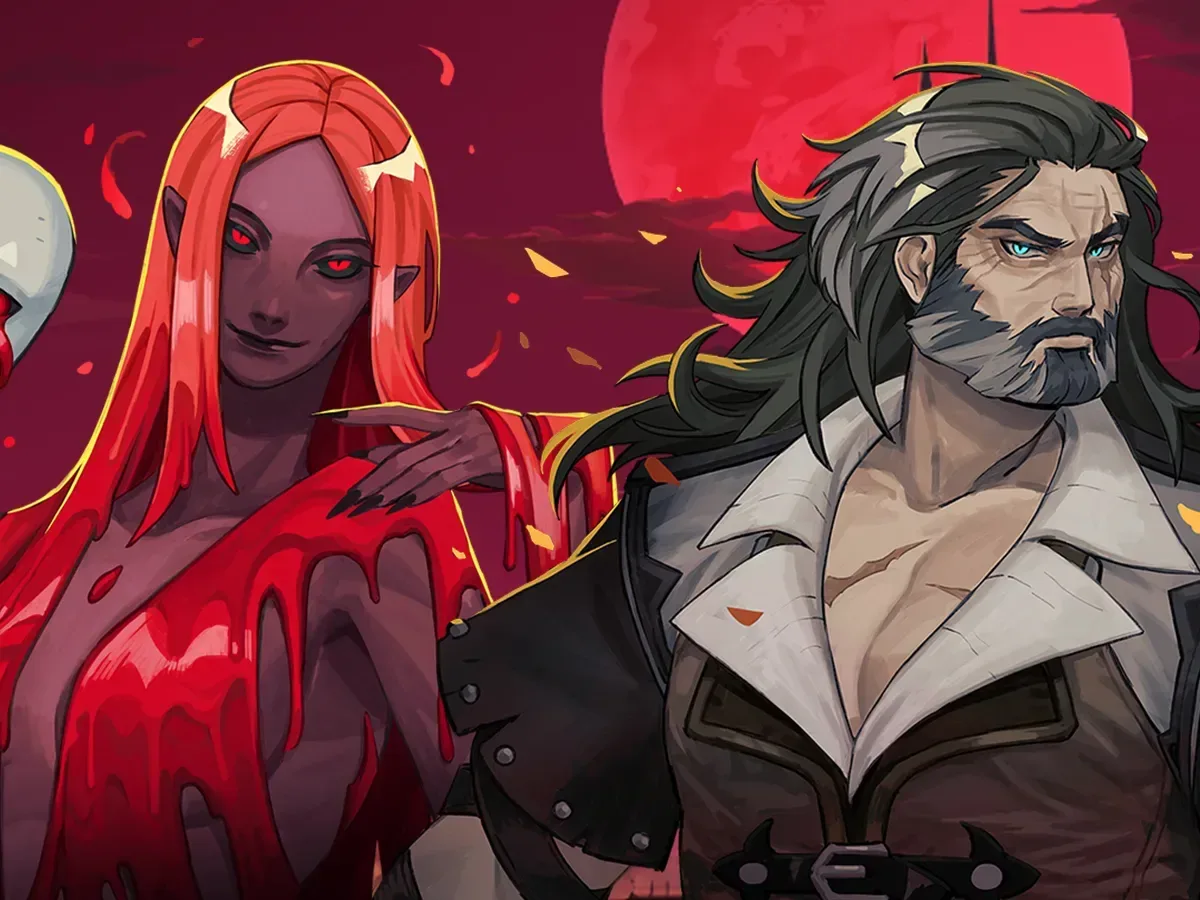
Castlevania: Belmont’s Curse has barely entered the conversation following its October 15 release, but one response has already become impossible to miss: players are intensely invested in its character designs. Trevor Belmont, as well as the monsters encountered through the game’s Paris setting, has inspired a substantial wave of flirtatious fanart and social-media commentary.
The people behind the game are not treating that response as an awkward surprise. Marketing director and lead designer Bérenger Dupré and Sandro Bordier have said they are enjoying it—and, more importantly, that making the cast attractive was an intentional part of the creative direction.
That candour gives the reaction a useful context. Fans have not simply imposed a reading on designs that were meant to be neutral, grim, or purely functional. The team says it knew certain characters had that appeal and pursued it as part of the game’s overall vibe.
The thirsty response was not an accident
Bordier joked that the fanart had begun quickly and that the team had already seen plenty of it. Dupré singled out Trevor as a particularly strong early favorite, while also admitting he had not anticipated quite how warmly the character would be received.
The exchange then veered into a playful pitch for a “Hot Dads Edition,” with the pair joking that an awards category for hot dads ought to exist. The joke is memorable because it plainly matches the team’s larger message: they understand the kind of attention these designs are receiving, and they are not trying to distance themselves from it.
“We know some characters are hot. It’s a choice, actually. Like it’s a vibe. We’re pretty proud of it.”
That statement matters more than a stray joke during a promotional conversation. Character appeal is often discussed after the fact, when an audience turns a particular face, costume, voice, or animation into a fandom fixation. Here, the developers describe it as a decision made during design. Their goal was not merely to put recognizable Castlevania names on screen; it was also to create versions of those characters that fans would want to talk about, draw, and emotionally latch onto.
What “character design” means in this discussion
Character design is broader than whether a model or illustration looks conventionally attractive. It encompasses silhouette, clothing, posture, facial features, expression, color, animation, and the relationship between a character’s appearance and their role. In a game, performance also becomes part of that design language. The team specifically noted positive reactions to both the character reveals and the voice-actor reveals.
Related coverage includes Castlevania: Belmont's Curse Team Embraces the Rise of Its 'Hot Dads'.
That does not mean every fan response can be engineered. Players decide which characters resonate, what details they focus on, and what kind of art or jokes they make in response. But Dupré and Bordier’s comments suggest the production was deliberately giving that response something to work with: designs intended to feel appealing and distinctive rather than interchangeable.
The word vibe does considerable work here. It points to an intended mood rather than a checklist of features. In this case, the mood is not only Gothic action or monster combat; it also includes a knowingly stylish, dramatic cast that can support playful fan interest. The team’s public enthusiasm suggests it sees that energy as compatible with the game rather than as a distraction from it.
Fanart is feedback, but it is also a relationship
Dupré described fanart as especially meaningful because these characters are important to existing fans. That brings a more vulnerable side to the otherwise jokey “hot dads” conversation. The team is attempting fresh stories with characters who already matter to people, and it considers that process stressful.
In that light, fanart is not just free publicity or a viral metric. It is a visible form of audience participation. A drawing can signal affection for a character, excitement over a new interpretation, attachment to a performance, or delight in an unexpected design choice. The exact tone can range from sincere to ridiculous, romantic to explicit, but the common thread is that players cared enough to make something.
The developers’ response is notable for acknowledging that spectrum without appearing to police it. They have described the early reaction as emotional and said they are happy to see fans connect with the designs. That is a healthier framing than treating fan creativity as either automatically useful marketing or something embarrassing that must be ignored.
There is still an important line between recognizing fan activity and claiming ownership over it. The players making art determine their own work and their own interpretations. What the team has expressed is appreciation: it intentionally created characters with an appealing presentation, then welcomed the evidence that people are responding to them.
Action first, with a cast people want to discuss
The conversation around the designs should not obscure what has been said about the game itself. Castlevania: Belmont’s Curse has received solid early critical notices, including an 8/10 assessment that characterized it as a modern take on the series with a fast-paced, action-first focus.
That framing is useful because it keeps the fanart story in proportion. The game is being discussed for its action as well as its cast. The character attention is not presented as a substitute for the gameplay; it is another layer of the game’s identity. A player may arrive for quick combat, become interested in Trevor or a monster design, notice a voice performance, and then carry that enthusiasm into fan communities.
The game also contains Easter eggs and secret codes. One early hidden weapon is said to include a tribute to classic fighting-game characters. Those details reinforce the impression of a project comfortable with playful genre awareness. An Easter egg is a deliberately concealed reference or surprise, while a secret code is an input or discovery that unlocks something hidden. Neither term necessarily tells players where to look or what a reward does, but both describe design choices that invite curiosity and discussion beyond the main action.
For players looking at those secrets, it is worth separating a report that something exists from a complete solution. The available details establish that a tribute can be seen after finding a hidden weapon in an early area, but they do not establish a reliable route, command, or exact requirement. Anyone seeking specific steps should wait for verified guidance rather than treating broad references to an early-game secret as a walkthrough.
Why the team’s openness stands out
There is a practical benefit to the developers’ plainspoken approach. It reduces the familiar cycle in which an audience notices deliberate sensuality or glamour, then creators insist it was never there. Dupré and Bordier have instead been direct: attractiveness was a choice, the team is proud of it, and the work put into the cast was meant to please fans.
That does not settle every debate someone might have about a particular character or design. It does, however, clarify authorial intent in a narrow and valuable way. The early fan reaction is not being framed as a misunderstanding. It is being recognized as a response the team hoped its designs could earn.
It also makes room for a more complete reading of character design. Visual appeal need not be separate from personality, action, or story function. A striking protagonist can make an immediate impression; a memorable monster can turn an encounter into a favorite; a voice performance can deepen that attachment. The team’s comments tie these elements together rather than reducing the discussion to a single gag.
For a deeper critique of how the game’s action and musical identity land, read our take on Castlevania: Belmont’s Curse and “Bloody Tears”.
A deliberately expressive new entry
Early responses to Castlevania: Belmont’s Curse have therefore produced two connected stories. One is about a fast-paced, action-led game with hidden details and a modern presentation. The other is about an audience immediately embracing its characters in an exuberant, sometimes extremely thirsty way.
The developers’ comments unite those stories. They say the team put care into designs and voice reveals because it wanted fans to enjoy the characters, while recognizing the pressure that comes with telling new stories around beloved figures. Trevor Belmont’s warm reception and the flood of fanart are, from their perspective, signs that the work has connected.
And as for the internet’s fixation on hot dads, the people behind the game appear more than willing to accept the nomination.