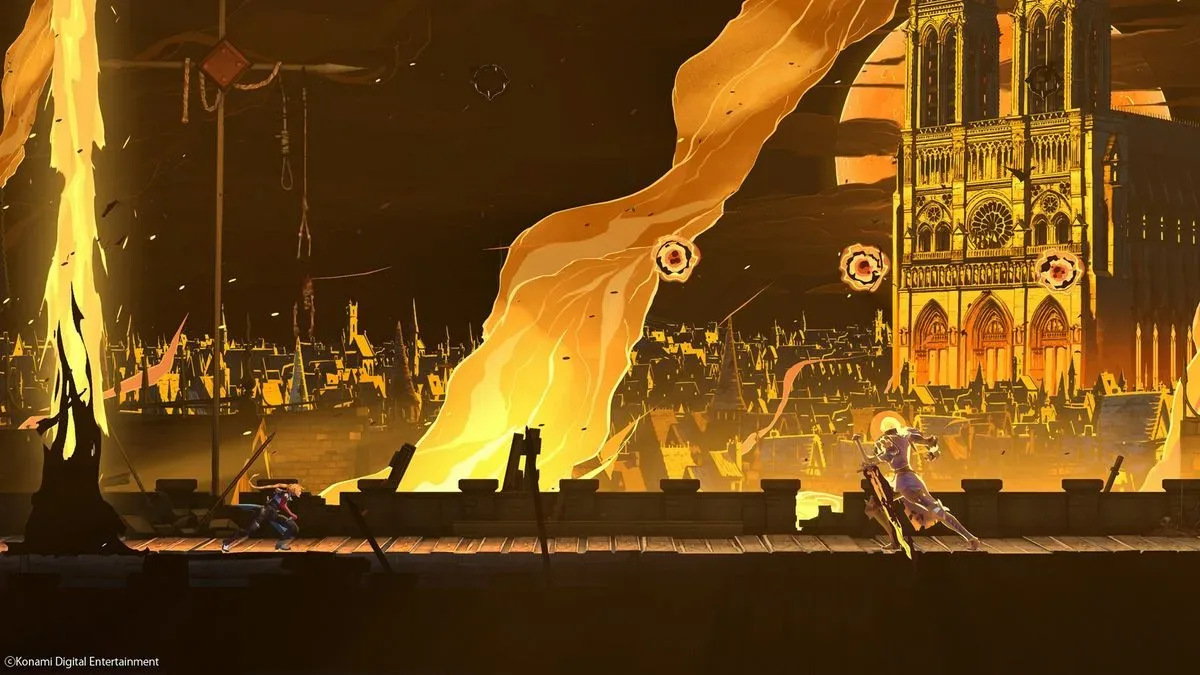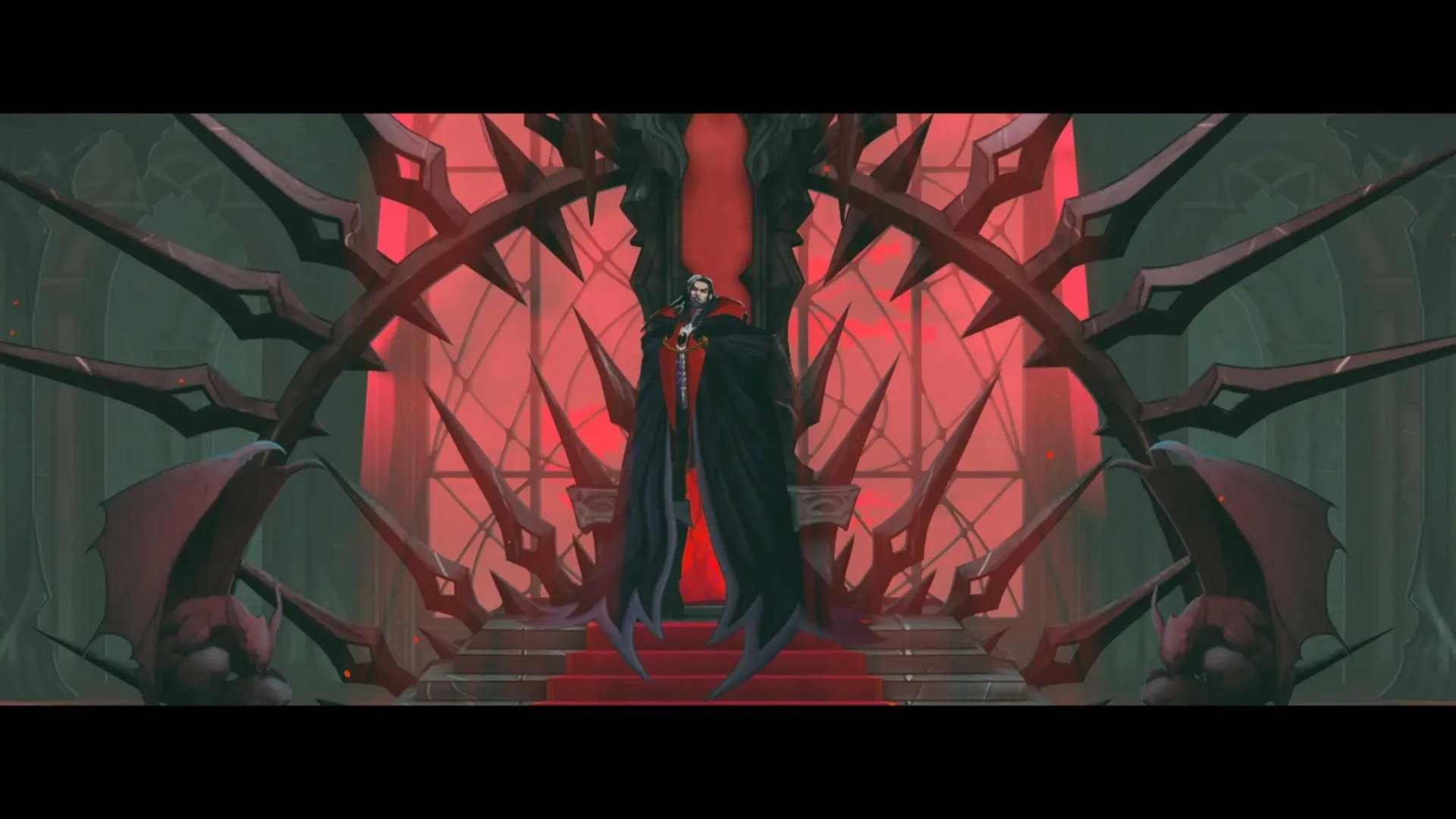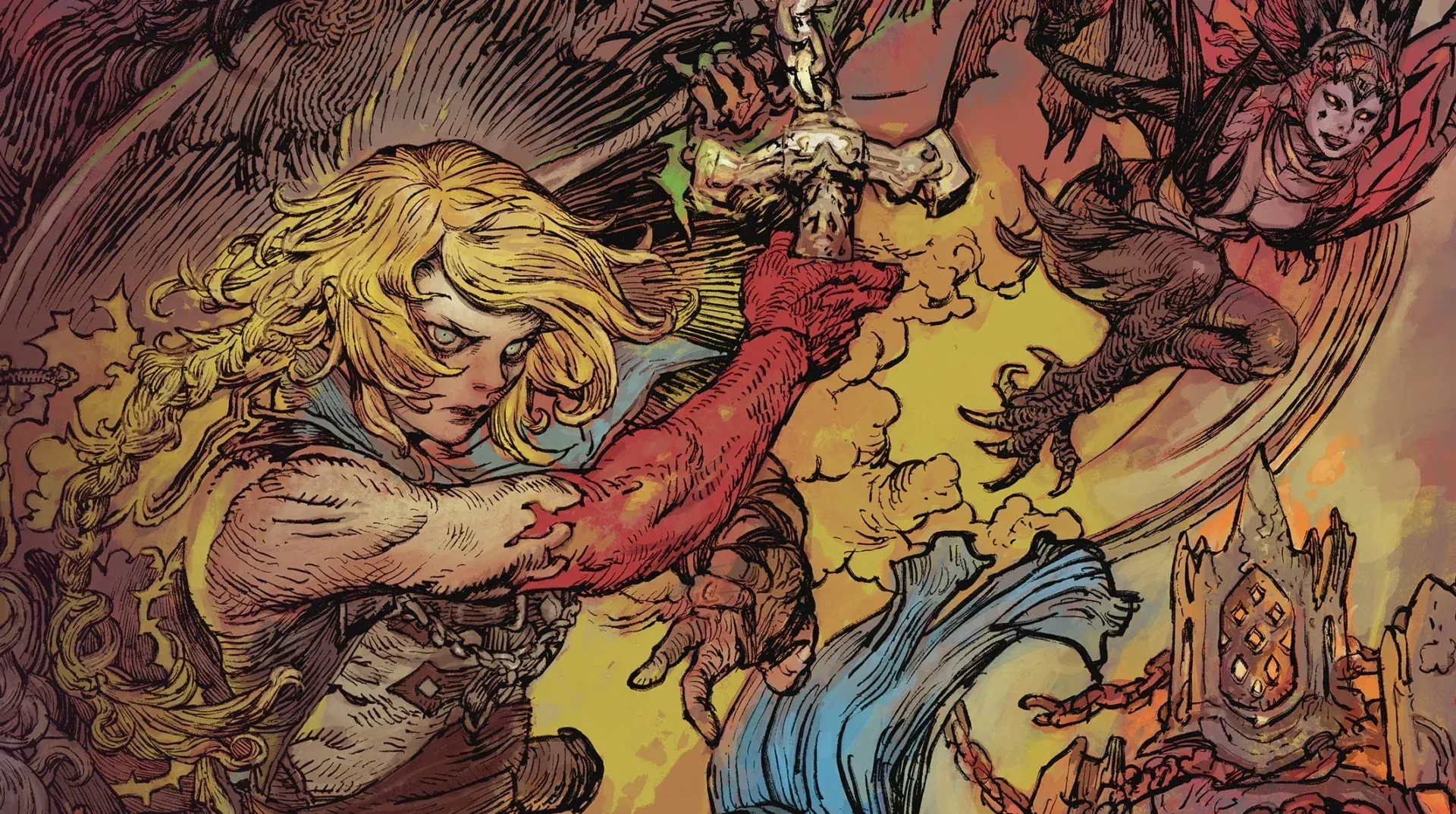
Castlevania: Belmont’s Curse appears to understand a difficult truth about franchise music: a soundtrack does not need to attack the player every second to feel appropriate for a vampire hunt. Its music is described as an eclectic, downtempo collection, one that can sit behind exploration without turning every room into a concert hall. That approach gives the game a distinct sonic personality. It also makes its treatment of “Bloody Tears” a conspicuous mismatch.
“Bloody Tears” carries a particular expectation in Castlevania. The title alone suggests violence, velocity and melodrama; the music has to make those things audible. A player should hear its opening and feel a jolt of momentum, the sensation that the whip is already cracking and Dracula’s castle has become a place to conquer rather than merely wander through. Belmont’s Curse reportedly recognizes the melody, builds toward its familiar sequence of notes, then lets the expected release dissolve into something far quieter. The issue is not that an old theme has been rearranged. Rearrangement is part of how a long-running game series keeps its musical history alive. The issue is that the arrangement seems to withhold the very payoff its setup promises.
A soundtrack built for atmosphere
The broader musical direction sounds purposeful. Downtempo generally means a slower-paced, less aggressive feel: music that prioritizes groove, texture and mood over a relentless forward push. In a game, that can make exploration easier to inhabit for long sessions. Rather than competing with combat sounds, movement, route planning and player concentration, a low-key track can establish place while leaving room for everything else.
That sensibility reportedly fits Belmont’s Curse well, including its visual and mechanical identity. It is also a useful corrective to the idea that a horror-action game must constantly announce its intensity at maximum volume. A busy arrangement can become exhausting when a player spends extended periods in one region. The source material specifically contrasts this lighter-touch ambience with the forceful harpsichord presence of the Long Library in Castlevania: Symphony of the Night, a memorable sound that can lodge itself in the brain precisely because it is so insistent.
Several cuts are singled out as evidence that the quieter direction is working. “Bone March” accompanies exploration of the Paris Catacombs, while “Iron Clock” is associated with the Clock Tower. Their names alone signal locations with strong Gothic imagery, and the reported response is that both benefit from the game’s relaxed, listenable style. “Stone Tyrant,” used for the Talos boss battle, is characterized as particularly funky even though the fight itself was frustrating enough to cause hand pain. That distinction matters: an encounter can be mechanically demanding while its music finds a different emotional lane than pure panic.
In other words, Belmont’s Curse does not seem to have a soundtrack problem. It has a legacy-theme problem.
Why “Bloody Tears” needs a payoff
For a recurring piece of game music, recognition is only half the job. The other half is emotional recall. When people know a theme well, they remember not just its notes but what those notes traditionally do to the energy of a scene. A composer can change instrumentation, tempo or structure, but each change alters that stored feeling. The strongest new versions preserve a core dramatic function even when the surface style is transformed.
Here, the core function is ignition. “Bloody Tears” is framed as one of the franchise’s defining tracks, comparable in immediate impact to the Dr. Wily Castle theme from Mega Man 2. That comparison is useful because it is not solely about popularity. Both cues are associated with escalation. They tell the listener that the game has reached a moment requiring resolve.
Related coverage includes Castlevania: Belmont's Curse Soundtrack Shines, But Its "Bloody Tears" Needs More Bite.
That is why a subdued orchestral approach can be disappointing in this specific case. Orchestral music is not inherently passive, of course. It can be sharp, percussive and huge. But an orchestral arrangement that fades into the background after teasing a recognizable buildup can feel like a pulled punch. The melody says “something is about to happen,” while the delivery says “remain calm.” Neither response is wrong in isolation. Together, they create a tension that appears unintentional.
The complaint is especially clear because another modern variant already offers a counterexample. The “Bloody Tears” arrangement in the Castlevania downloadable content for Dead Cells is identified as a successful, energetic take. That does not mean Belmont’s Curse should copy it. A new game needs its own sound, and imitation would defeat the point of a fresh arrangement. It does mean the track can survive adaptation without losing its aggression.
Familiar themes are a promise to players
Using a famous piece of franchise music is a form of storytelling shorthand. It creates an immediate connection between the current game and the player’s prior memories of the series. But shorthand comes with obligations. If the arrangement intentionally rejects the original mood, the game needs a dramatic reason for that rejection: perhaps a mournful scene, a deceptive calm, or a setting that asks the theme to communicate loss instead of triumph. No such narrative rationale is established here. What comes through instead is a disconnect between the music’s anticipation and its resolution.
That does not make the quieter concept a failure. In fact, it makes the missed opportunity more interesting. Belmont’s Curse reportedly has a coherent house style: understated, contemporary-feeling, and calm enough to work as background listening away from the game. “Bone March,” “Iron Clock,” and “Stone Tyrant” suggest the sound team can apply that style across exploration, location-setting and bosses. The question is whether every returning musical landmark should be absorbed so completely by that approach.
Probably not. A soundtrack needs contrast. If most of the game lives in misty ambience and relaxed grooves, then a major legacy theme can be the moment that breaks the spell. It can arrive louder, harder, more rhythmically direct, and briefly remind the player why Castlevania’s musical reputation extends beyond atmosphere. The effect would not undermine the soundtrack’s identity; it could make that identity more legible by giving the album a peak.
Restraint works best when it has an opposite
There is a practical lesson for soundtrack design in this reaction. Background-friendly music has value because games are interactive and repetitive. Players may spend far longer with a track than listeners spend with a three-minute single. A less intrusive composition can reduce fatigue and allow an area to breathe. Yet a game also needs musical punctuation: themes that communicate danger, victory, revelation or a major confrontation before a character says a word.
“Bloody Tears” is apparently being asked to provide that punctuation, but its climax does not land with sufficient force. The familiar opening acts like a raised whip; the soft fade that follows makes the strike feel absent. For a track historically associated with getting players fired up for Dracula, that is a substantial tonal loss.
Belmont’s Curse can still be credited for pursuing a recognizable sound rather than relying on nonstop nostalgia hits. The positive reactions to its wider soundtrack make that clear. But a signature theme is not merely a melody to be quoted. It is an inherited emotional event. If “Bloody Tears” returns, players reasonably expect a surge—something with teeth, edge and enough drive to make a castle storm feel like a castle storm.
That friction between preserving a game’s individual mood and honoring a series’ musical memory is part of what makes adaptations and revivals so difficult. The same question applies beyond soundtracks: how much can a familiar property change before its essential qualities become muted? A similar debate around Street Fighter’s Cammy turns on whether a new interpretation retains the character’s core. With “Bloody Tears,” the core is not a specific instrument or an exact recording. It is the feeling that the next fight demands everything.
Belmont’s Curse seems to have found a compelling ambient language for much of its world. Its version of “Bloody Tears” simply sounds as if it speaks that language a little too fluently. Some songs are meant to haunt the background. This one should burst through it.