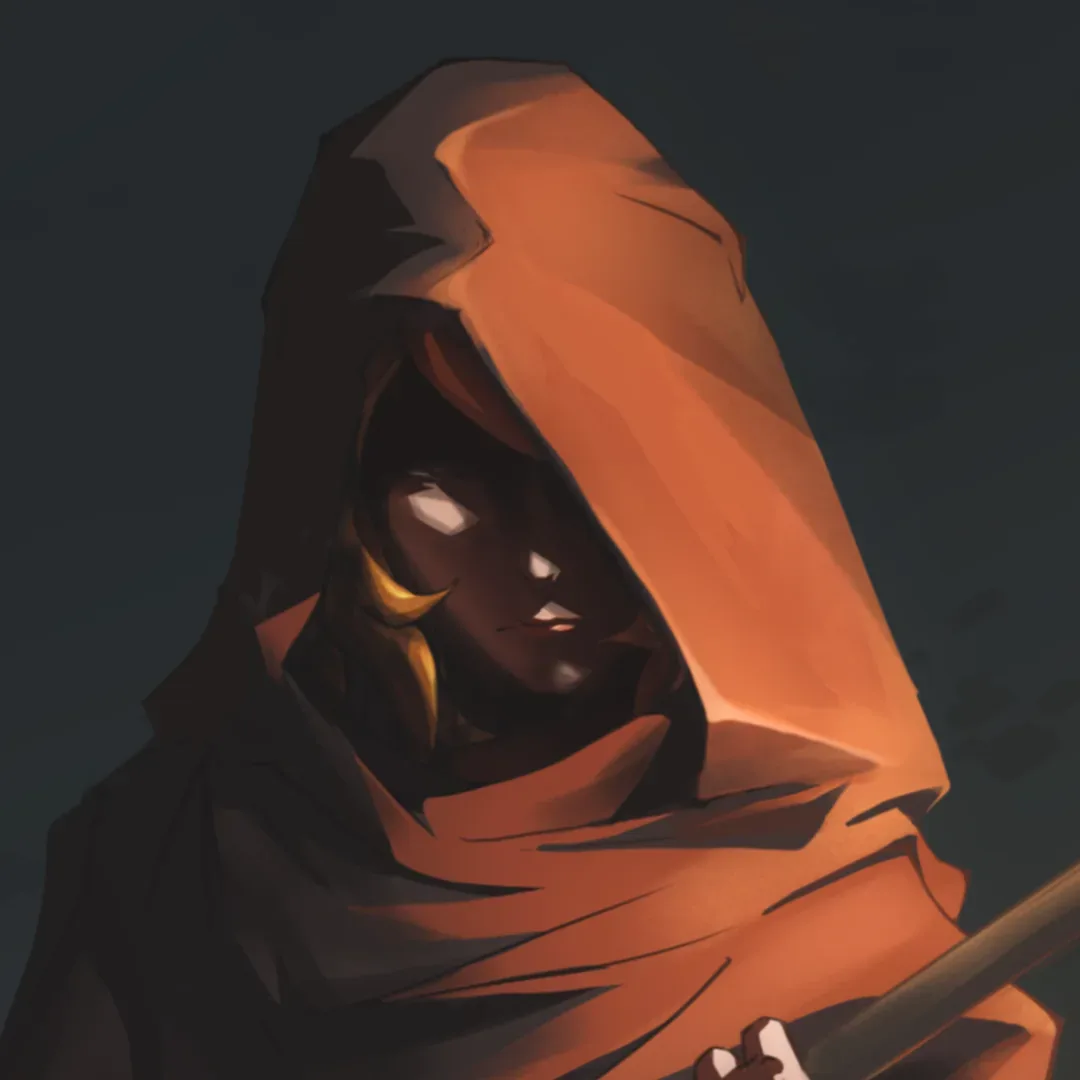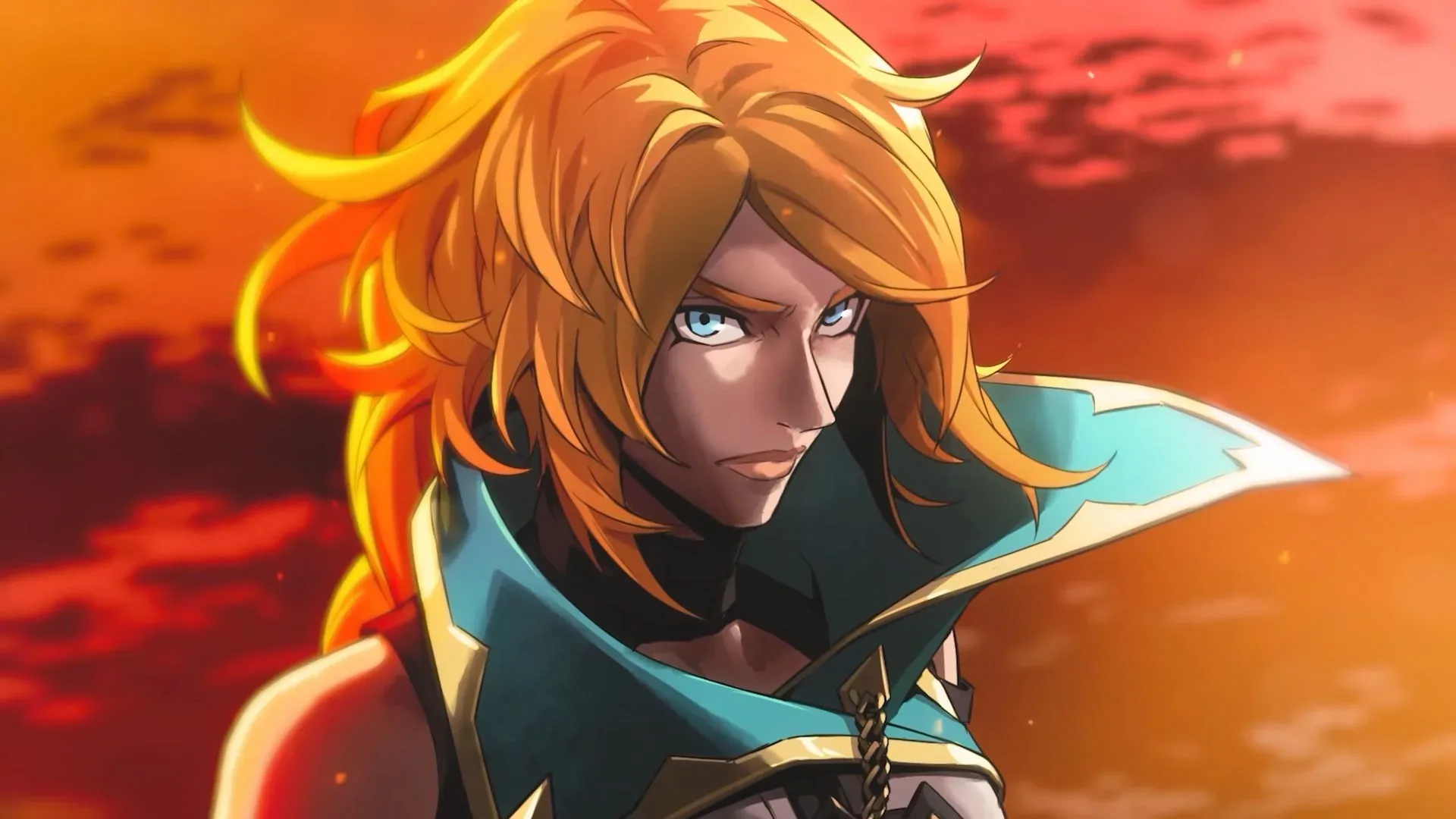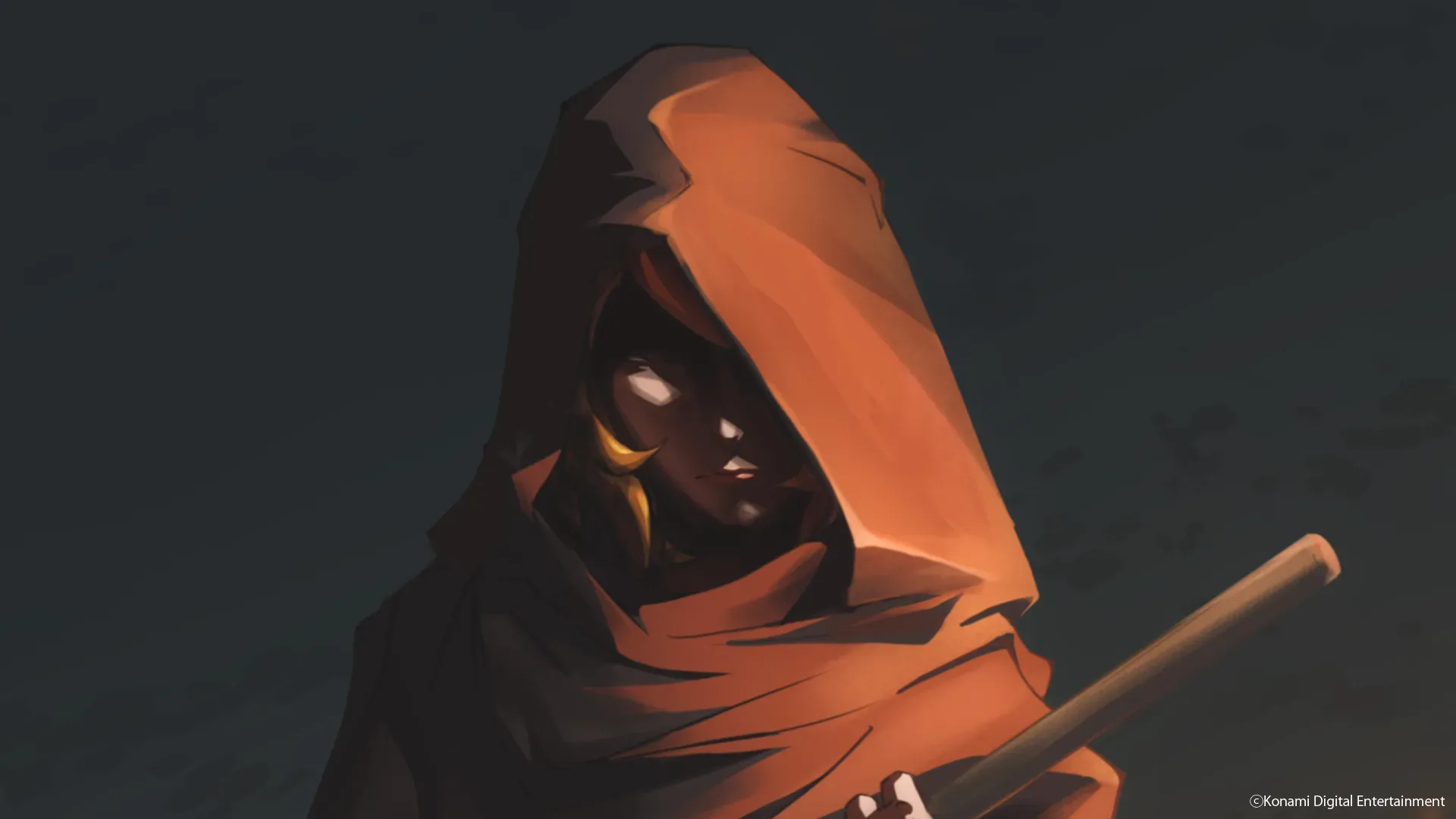
Castlevania: Belmont’s Curse has begun its critical life with an 86 aggregate score drawn from 45 reviews. For a series returning with its first entirely new game in more than a decade, that places a great deal of weight behind an already significant release. The number does not eclipse the long-established giants of Castlevania, but it does put Belmont’s Curse in unusually lofty company.
The strongest available comparison is not simply that 86 is “good.” It is that the score sits close to entries fans routinely hold up as the series’ high-water marks: Castlevania: Circle of the Moon and Castlevania: Aria of Sorrow, each at 91; Harmony of Dissonance, at 87; Castlevania: Dawn of Sorrow, at 89; and Castlevania: Symphony of the Night, which holds 93 for its original PlayStation release and 89 for its Xbox 360 version.
That is a compact group, and the placement matters more than the small numerical gap might initially suggest. Belmont’s Curse is only one point behind Harmony of Dissonance and two behind the Xbox 360 version of Symphony of the Night. It is not being received as a merely competent revival parked well below the franchise’s celebrated catalog. On this measure, its early reception puts it within reach of the games that have defined Castlevania’s critical reputation across several generations of hardware.
What an 86 means in this particular series
An aggregate score combines individual review scores into a single average-like figure. It is useful for identifying broad critical agreement, but it is not a replacement for the individual critiques underneath it. A game can arrive at 86 through near-unanimous praise, or through a mixture of glowing reviews and notable reservations. Belmont’s Curse appears closer to the latter version of strong reception: the majority of reviews are classified as positive, several critics awarded full marks, and eight reviews landed in the mixed category, including three-out-of-five and seven-out-of-10 assessments.
That pattern gives the score some texture. The reception is clearly favorable, but it is not universal acclaim. For players, that distinction is practical. An 86 suggests that the game has made a persuasive case to most critics; the mixed reviews indicate that not every design choice, difficulty expectation, or storytelling approach will necessarily suit every kind of Castlevania fan.
It is also worth treating the figure as a snapshot rather than a permanent monument. It reflects 45 critic reviews at the time of reporting, and an aggregate can change as further reviews are added. The early result is still meaningful because 45 is a substantial pool, but a score is best read as an evolving summary of published critical opinion rather than a definitive verdict on what any one player will enjoy.
The comparisons Belmont’s Curse has to live with
Castlevania has a difficult legacy for a new installment to approach. The titles above are not obscure high scorers; they include releases whose names are deeply embedded in conversations about the franchise. Symphony of the Night, especially, is the kind of reference point that makes almost any new Castlevania comparison feel imposing. The Game Boy Advance trio—Circle of the Moon, Harmony of Dissonance, and Aria of Sorrow—carries its own unusually concentrated run of acclaim.
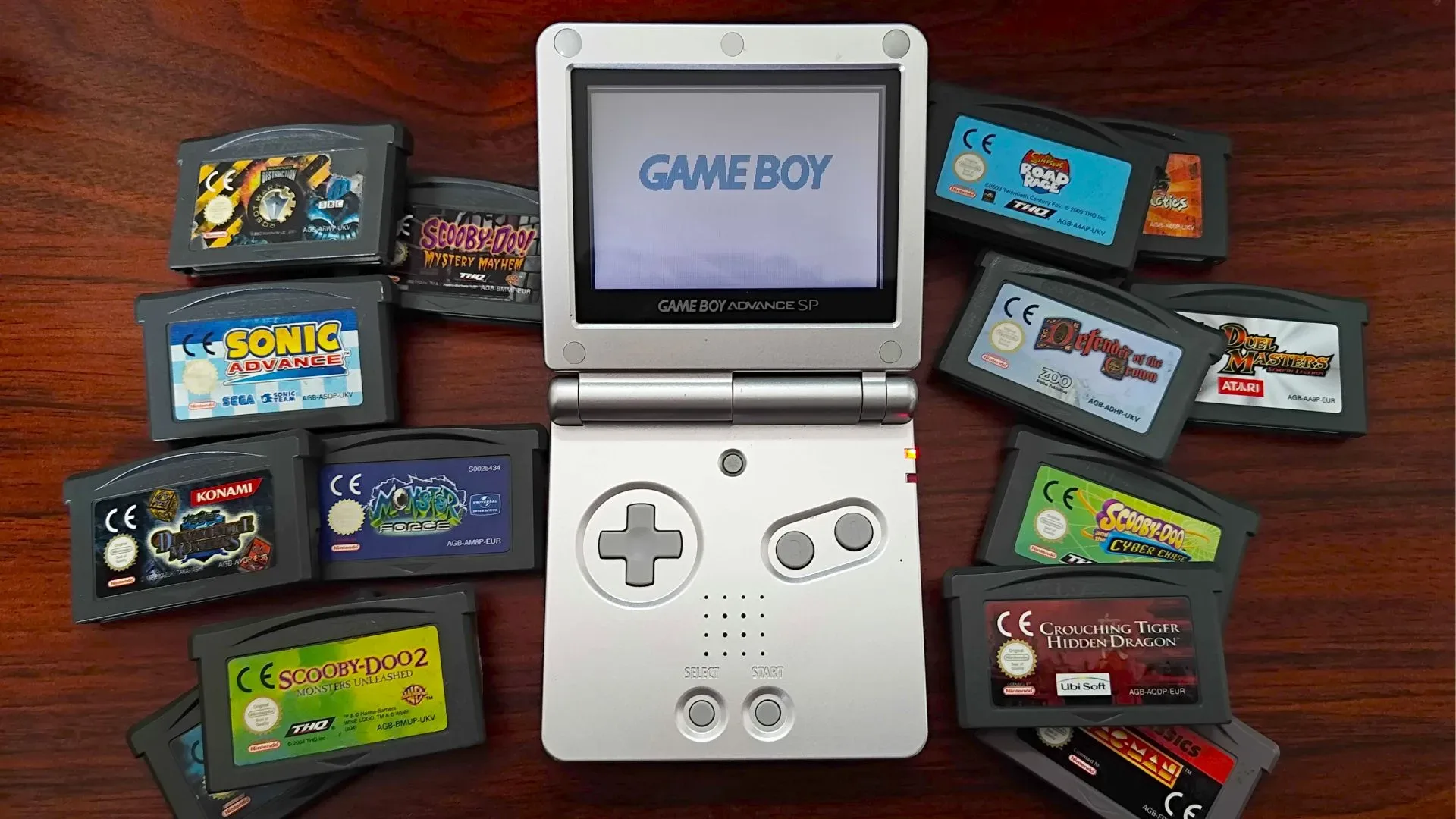
The Game Boy Advance connection is especially notable given Belmont’s Curse’s placement directly beneath that trio. Those original games remain part of the broader handheld legacy that still attracts attention today; the platform’s continuing appeal is also visible in projects such as the FPGBA SP prototype with cartridge support. Belmont’s Curse does not need to be a Game Boy Advance-style game for the comparison to be revealing: it is being measured against a stretch of releases remembered as an unusually successful period for Castlevania.
Related coverage includes Castlevania: Belmont's Curse Earns One of the Series' Best Metacritic Scores.
There are two related Castlevania projects with higher aggregate scores, although they should be separated from a direct comparison with a wholly new main release. Vampire Survivors: Ode to Castlevania stands at 95, while Dead Cells: Return to Castlevania sits at 88. Both are expansions built around Castlevania material rather than standalone new Castlevania games in the same sense as Belmont’s Curse. The latter comparison has an added wrinkle: Return to Castlevania was made by Evil Empire, the same developer behind Belmont’s Curse.
That connection makes the 86 more than a favorable franchise statistic. It suggests Evil Empire has followed a well-received Castlevania expansion with a new project that is also landing strongly with critics. Still, expansions and full new games face different creative jobs. An expansion works inside an existing game’s foundation; a new release must carry its own broader identity and structure. The score comparison is interesting, but it does not make the two projects interchangeable.
What critics appear to be responding to
The available review commentary points to a clear cluster of strengths: a gothic setting, challenge, puzzles, combat against enemies, fast movement through the world, and story. One four-out-of-five assessment describes Belmont’s Curse as “beautiful and challenging,” praising its world of puzzles and enemies, its rapid traversal, and its storytelling while arguing that it honors the Belmont legacy in new ways.
Those are useful terms to unpack because they describe more than visual nostalgia. Traversal means the systems used to move through a game world—the speed, responsiveness, and options players have while navigating spaces. When a review highlights fast-paced traversal action, it is describing movement as a central pleasure and an active part of the game’s design, not merely the downtime between fights.
Gothic, meanwhile, is doing more work than simply saying there are castles and monsters. In the critical description available here, it is tied to the atmosphere of the world and the puzzle-solving experience. Castlevania’s identity is bound closely to that kind of dark, ornate setting, so favorable comments on the world suggest Belmont’s Curse is making a case for itself through mood as well as mechanics.
The mention of challenge should be read with similar care. It establishes that difficulty is part of the game’s critical profile, but it does not tell us whether every reviewer saw its challenge in exactly the same way. The mixed-score contingent is a reminder that a demanding game’s appeal often depends on a player’s tolerance for friction, repetition, and the pace at which it asks them to learn. The evidence supports saying that challenge is central to the reception; it does not support claiming a universal view of how approachable it will be.
A promising return, not a settled legacy
Belmont’s Curse arrives after a hiatus of just over 10 years for brand-new Castlevania games. That context helps explain why its review performance has drawn attention. A returning series is judged on two levels at once: as a new game that needs to work for today’s audience, and as a continuation of a name players have spent years revisiting and debating.
Its producer has characterized the project as being driven by urgency, with the warning that another 10-year wait for a subsequent game would make the effort feel meaningless. That sentiment frames this release as more than a single attempt to revisit an old brand. It suggests a desire for a future in which Castlevania is actively supported rather than revived only after another long silence.
The 86 aggregate cannot guarantee that future, and neither can it tell players precisely which parts of Belmont’s Curse they will value most. What it does establish is a strong starting point. A substantial first group of critics has placed it near the franchise’s best-reviewed games, while the review spread leaves room for individual preferences and legitimate reservations. For a series with such intimidating historical benchmarks, that is a notably solid opening.
Most importantly, the result gives the return a credible foundation. Belmont’s Curse has not surpassed the towering scores of Symphony of the Night or the most celebrated Game Boy Advance entries. It has, however, entered the discussion adjacent to them—and after more than a decade without a new Castlevania game, that is a meaningful position to earn.