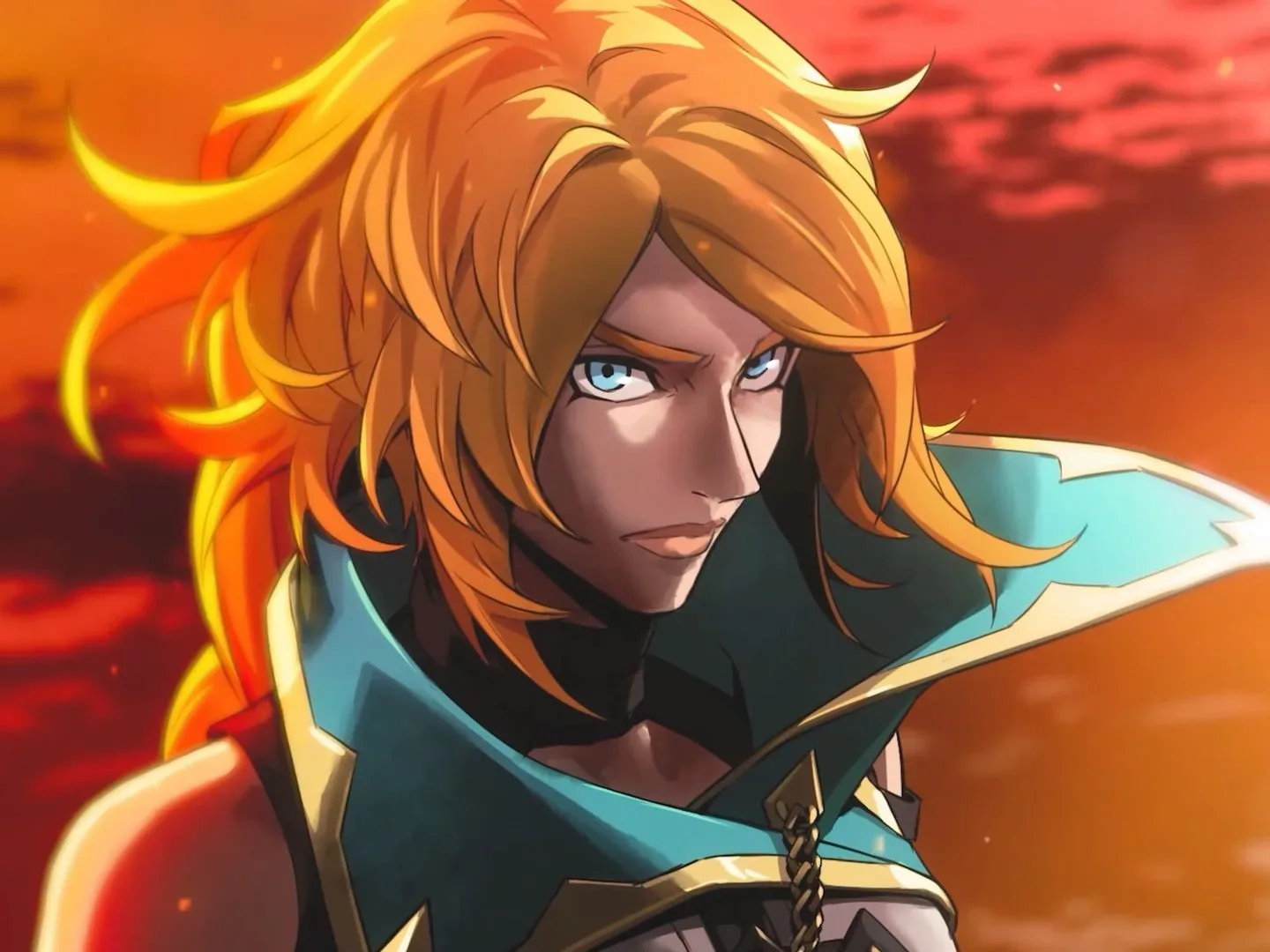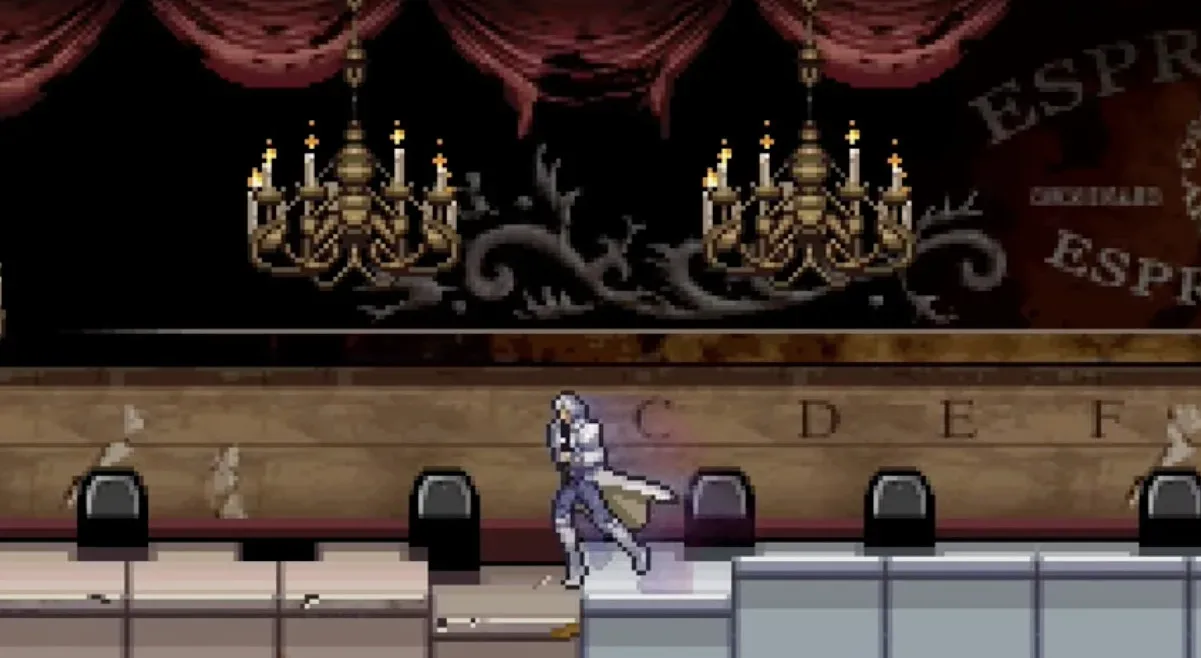
Castlevania: Belmont’s Curse will get a free demo on October 1, giving players two weeks to try the opening chapter before the full game is scheduled to launch on October 15. The key practical detail is that demo progress can move forward into the complete game—but only when the full version is purchased on the same platform used for the demo.
That is a particularly player-friendly arrangement for a game positioned as a new entry point to Castlevania. Rather than treating the demo as a disposable vertical slice, Konami and developer Evil Empire are letting the opening hours serve double duty: an introduction for newcomers and a head start for players who decide to continue.
The launch timing places the demo at the beginning of October and the full game in the middle of the Halloween season, an appropriately gothic window for a series associated with vampires, monsters, whips and labyrinthine castles. Still, prospective players should keep expectations grounded around what has been confirmed: the demo includes the opening chapter, not an unspecified selection of later material, and some features or content may be unavailable in the demo build.
What the demo includes—and what save transfer requires
The October 1 demo is described as containing Belmont’s Curse’s opening chapter. That makes it more substantial than a trailer-driven introduction, but it should not be taken as confirmation that every system, mode or piece of content from the finished game will be accessible. Konami has explicitly cautioned that certain features and content may be restricted in the demo version.
For anyone planning to preserve their progress, the platform condition matters. A save from the demo transfers only if the full game is bought on the same platform. In straightforward terms, a player who begins on PC needs the PC version to continue from that save; the same logic applies separately to PlayStation, Xbox and Nintendo Switch. No cross-platform save migration has been confirmed.
There is also an update requirement. The full version must be updated to its latest version when the player attempts the transfer. That is a small but worthwhile detail to remember for an October 15 launch, when patches and downloads can compete for attention. Players who want to pick up exactly where the demo ends should allow time for the game to update before assuming a transfer has failed.
- Demo date: October 1
- Full-game release date: October 15
- Demo content: the opening chapter
- Transfer condition: buy the full game on the same platform used for the demo
- Technical requirement: update the full game to the latest version before transferring the save
- Important limitation: demo features and content may be restricted
Save transfer is more meaningful than a simple convenience feature in a game built around exploration and progression. Even without specific details on Belmont’s Curse’s save structure, preserving an opening chapter means early time spent learning its combat, mapping spaces and finding a preferred pace does not have to be repeated merely because the player moved from the free trial to the paid release.
Performance targets vary by platform
Konami has outlined different frame-rate targets for the demo across platforms. It is expected to run at 60 frames per second on PC, PlayStation 5 and Xbox Series X|S. The base Nintendo Switch version is listed at 30 frames per second.
Related coverage includes Castlevania: Belmont's Curse Demo Arrives October 1 With Save Transfer Support.
Frames per second, usually shortened to fps, describes how many individual images a game displays each second. A 60fps target generally means motion is refreshed twice as often as at 30fps. For an action-focused side-scrolling game, that can affect the perceived smoothness of movement, attacks and animation, even though frame rate alone does not define responsiveness, difficulty or visual quality.
The announced split gives Switch players a clear expectation rather than leaving them to infer performance from footage captured elsewhere. It also means anyone comparing the demo across systems should avoid treating the versions as identical technical experiences. The opening chapter and its transferable progress are the common proposition; the stated frame-rate targets are not.
There has been no confirmation of a native Nintendo Switch 2 version. That absence should be read narrowly: it does not establish plans for one, rule one out, or clarify whether any future compatibility option might exist. At present, the specific Nintendo version discussed is the base Switch release, running at 30fps.
A Castlevania doorway for Metroidvania fans
Evil Empire has previously framed Belmont’s Curse for people who already enjoy Metroidvanias but may be new to Castlevania. The term “Metroidvania” commonly refers to an action-adventure structure where exploration opens up as players gain abilities or access that let them revisit and reach previously blocked areas. It is a useful label, but it should not be mistaken for a complete description of any individual game’s combat, progression or scale.
For Belmont’s Curse, the stated audience matters. The game is not being presented solely as a nostalgia exercise for long-standing Castlevania followers. It is also meant to be approachable for players whose reference points are modern exploration-heavy action games. A free opening chapter with transferable progress supports that goal: newcomers can test whether the game’s movement, tone and structure suit them without sacrificing their early advancement if they choose to stay.
Evil Empire’s involvement supplies some useful context without answering every design question. The studio is known for its support work on Dead Cells and for The Rogue Prince of Persia. That background makes the studio an understandable choice for an action-platforming project, but it is not evidence that Belmont’s Curse will duplicate either game’s specific systems. A familiar developer pedigree can set expectations; the demo is the more reliable way to judge how this particular Castlevania plays.
Players looking across the fall release calendar can also keep an eye on other returning Japanese role-playing properties, including Persona 4 Revival’s newly discussed Social Link changes. The games occupy very different genres, but both underscore how established series can use new entries or remakes to bring in people who were not there for their original eras.
English cast connection to the Netflix series
Belmont’s Curse also has a link to the English-language cast of the Castlevania television series. Its English cast includes the actor behind Dracula in that show, along with one additional performer from the series. That connection may be a welcome point of familiarity for viewers who first encountered Castlevania through animation rather than through the games.
It is worth separating that casting information from larger assumptions about the game. Shared performers can create continuity of voice and atmosphere, but they do not by themselves confirm plot connections, character roles beyond the stated casting relationship, or a particular degree of adaptation from the show. The confirmed takeaway is simply that the new game draws on talent associated with the English cast of the television adaptation.
Why the demo is the important October date
October 15 remains the central release date, but October 1 is the date that will answer several practical questions for potential players. The demo should provide the first widely available opportunity to assess the opening chapter directly, see how the game feels on a preferred platform and decide whether its Metroidvania approach lands for someone without deep Castlevania knowledge.
It is also the best chance to verify personal preferences around platform performance. Players interested in the 60fps targets on PC, PS5 or Xbox Series X|S can see how the opening chapter feels there, while Switch owners can assess the version built around a 30fps target. Since saves can carry over only within the same platform family, choosing where to try the demo is not entirely separate from choosing where to buy the game.
For now, the clearest plan is simple: download the free demo on October 1 on the platform where you would most likely want the full game, play the opening chapter, keep the platform-specific save intact, and ensure the full version is updated if you purchase it on October 15. That makes the demo a genuine beginning rather than a Halloween sampler destined for the crypt.