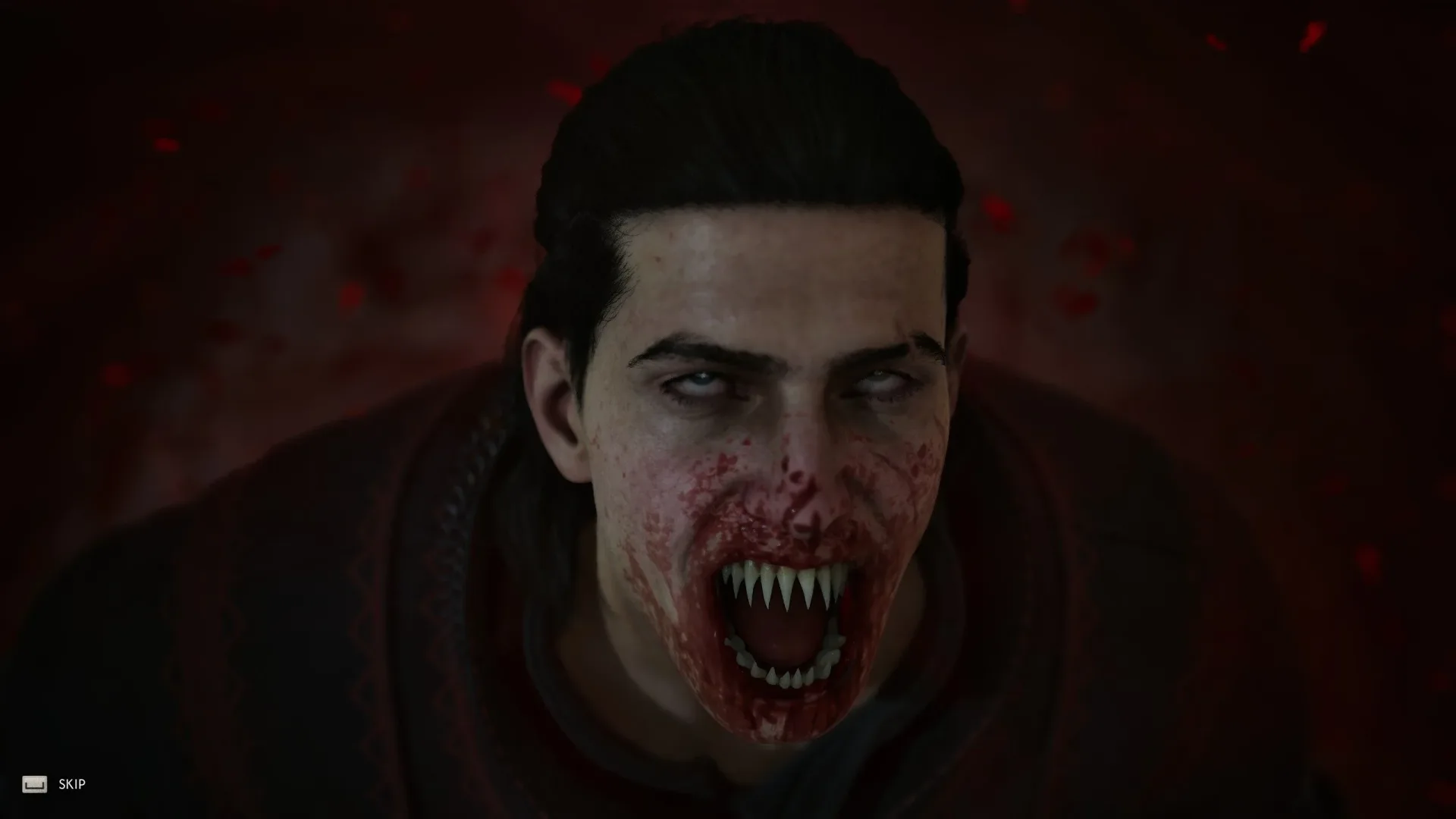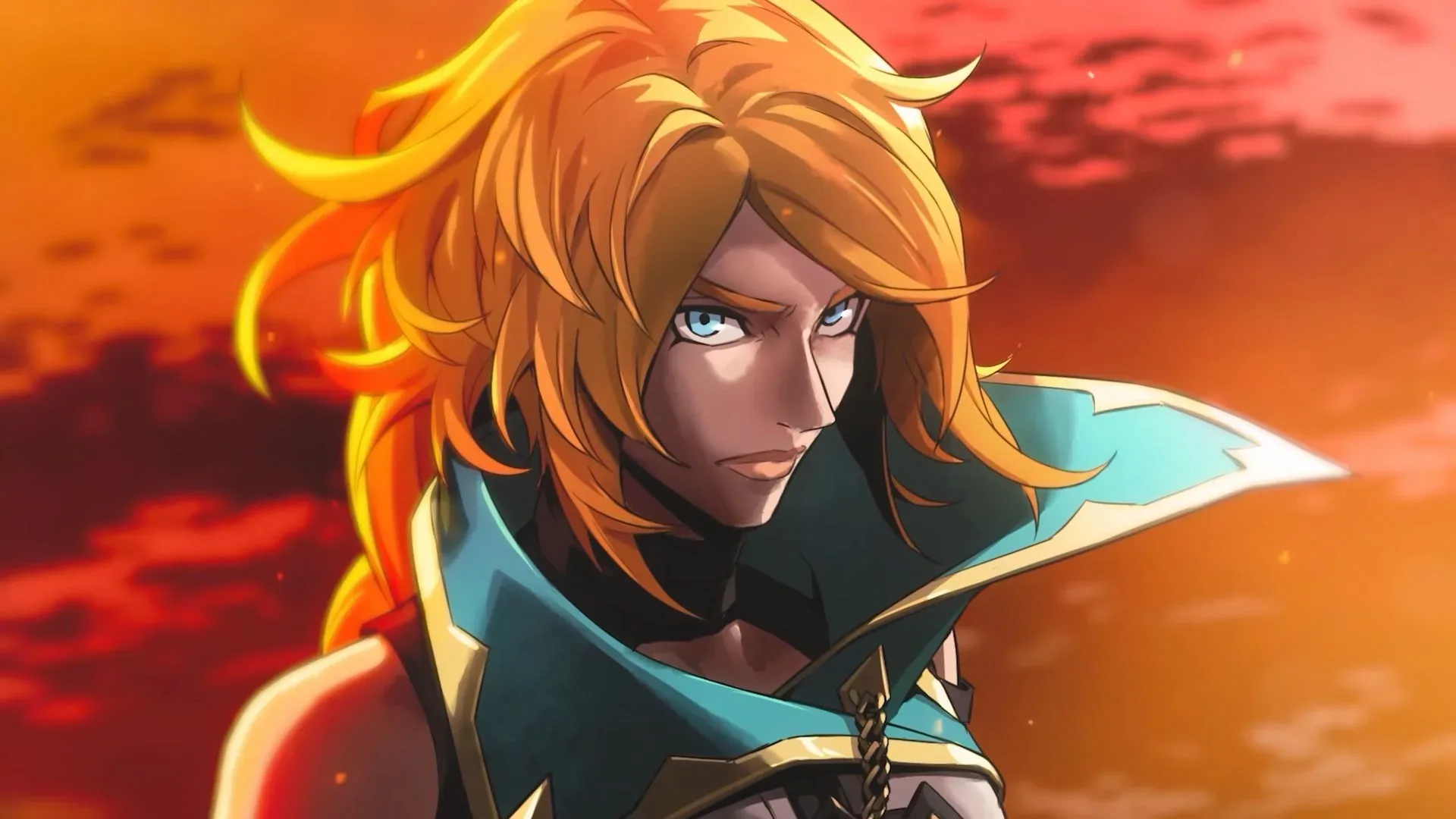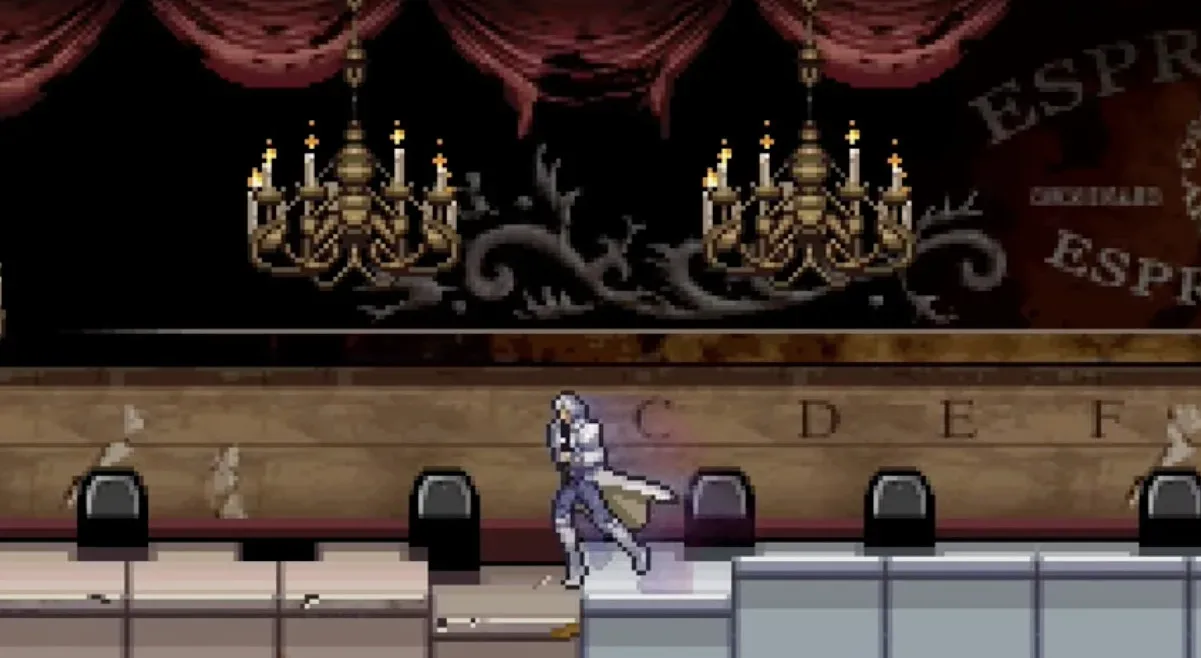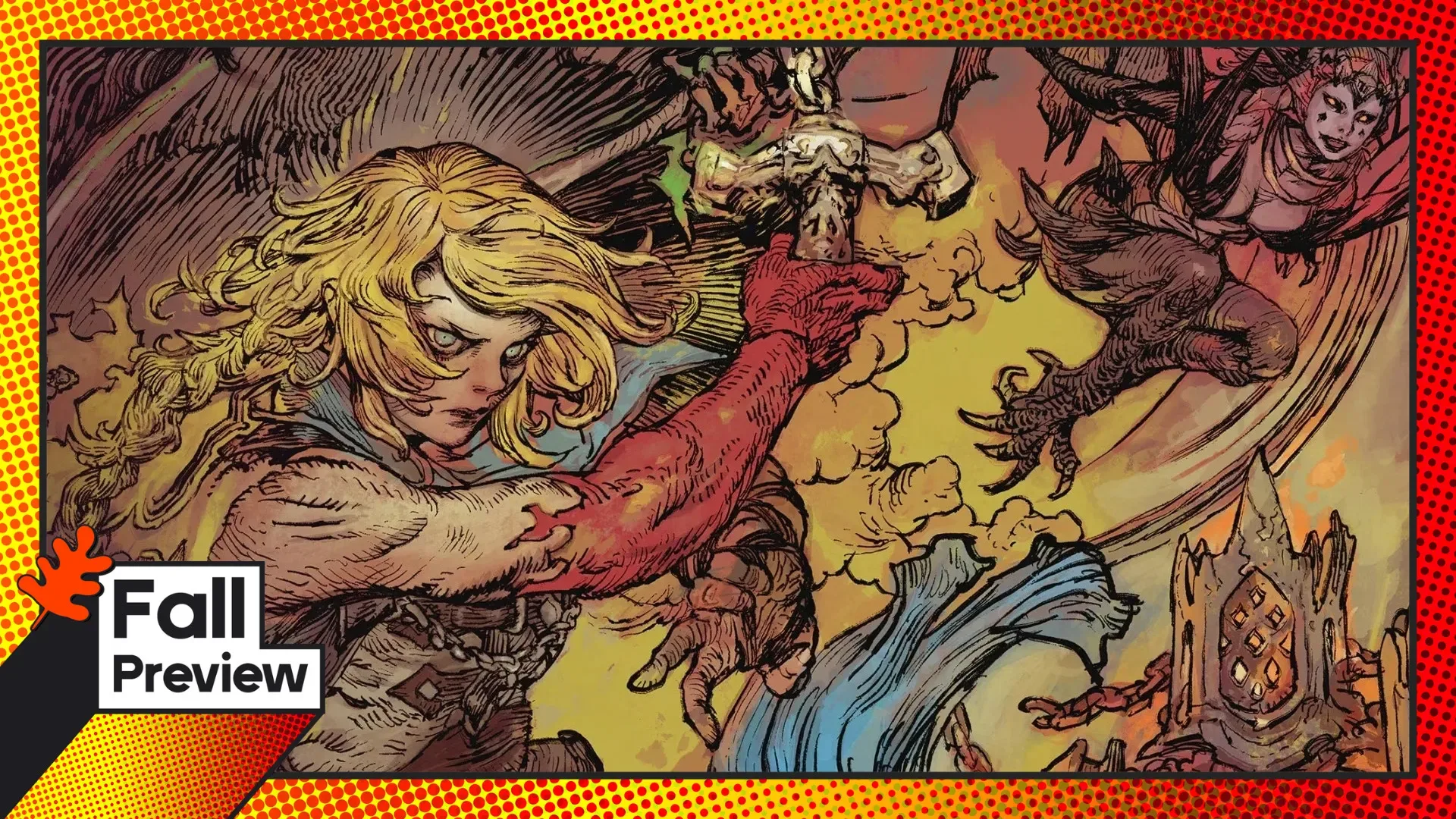
Castlevania: Belmont’s Curse is set to end a long stretch without a new entry in the series when it launches on October 15 for PlayStation 5, Nintendo Switch, Xbox, and PC. Developed by Evil Empire, the team known for its work on Dead Cells, the game has an unusually clear goal: return Castlevania to action-platforming while building a story bridge for people who know the Belmonts from animation as well as those who know them from the games.
That bridge begins with its hero. Rather than putting Trevor Belmont at the center again, Belmont’s Curse stars Rose Belmont, the daughter of Trevor and Sypha Belnades. Trevor makes a brief appearance before Rose takes up the family business—namely, fighting monsters with a whip when a perfectly nice career in anything else would presumably have been safer.
The setup gives the new game a direct connection to characters first seen in 1989’s Castlevania III: Dracula’s Curse, and later made familiar to a wider audience through the animated series. Alejandra Reynoso returns as Sypha, while Graham McTavish reprises his role as Dracula. Those returning voices are meaningful connective tissue: the game is not merely borrowing recognizable names, but placing Rose’s adventure adjacent to the established animated portrayals of her parents and Dracula.
Rose Belmont takes the whip in a burning 1499 Paris
The game takes place in Paris in 1499, amid a city on fire. It is a setting that creates a thematic link with Castlevania: Nocturne, the second animated series, which also centers heavily on a Paris in upheaval—though its story occurs centuries later. The shared location does not establish a direct plot overlap by itself, but it signals a willingness to use the animated universe’s imagery and atmosphere as part of the game’s identity.
Rose’s place in the Belmont family is especially useful for a franchise with a long timeline. Trevor and Sypha are foundational Castlevania figures, while a new descendant allows the game to continue their legacy without asking newcomers to have studied every prior game. For longtime fans, Rose gives the developers room to explore a familiar family line from a new perspective. For viewers entering through animation, she offers an immediate emotional connection: she is the child of two established protagonists, confronting a world where Dracula remains a looming presence.
One major character has not been identified in material for the game: Alucard, Dracula’s half-vampire son and a key protagonist in the original animated series. His absence from currently described details is simply that—an absence of confirmation. Castlevania has plenty of history with returning characters and surprise appearances, but players should not treat speculation as a promised feature.
A modern take on the “vania” half of Metroidvania
The word Metroidvania is used for games built around interconnected spaces, exploration, and progression that often opens new routes over time. Castlevania is one of the genre’s namesakes, so a new installment naturally carries expectations beyond its gothic art direction, monsters, and music. It has to make the family whip feel at home in a genre that has changed considerably during the series’ extended absence.
Belmont’s Curse appears to approach that challenge by combining traditional Castlevania markers with systems associated with contemporary action games. The Vampire Killer whip is present, but Rose will also have access to other weapons. That matters because weapon variety can support different playstyles rather than making every encounter hinge on a single attack tool. A player who prefers a particular rhythm, range, or tactical approach may have options beyond the series’ iconic whip.
Related coverage includes Castlevania: Belmont's Curse Brings the Belmont Line Back to a New Generation.
The game also includes magical sub-weapons called Arcana. In practical terms, sub-weapons are secondary combat tools: they supplement a character’s core weapon rather than replace it. The term Arcana frames these abilities as magic, and their presence suggests that Rose’s combat kit is meant to be broader than a straightforward whip-and-jump routine.
Another stated feature is regenerating enemies. That can substantially alter the feel of exploration. In a level-based action game, defeated foes often remain gone until a reset or checkpoint change. Enemies that return can make repeat journeys through an area more dangerous and can discourage treating a cleared corridor as permanently safe. It also makes decisions around routes, healing, resources, and avoiding unnecessary fights more important.
Soulslike pressure, with adjustable difficulty
Combat in Belmont’s Curse has been described as demanding, with soulslike energy. Soulslike is a broad label rather than a single fixed design rule, but it generally points to difficult encounters that reward timing, caution, learning enemy behavior, and persistence after failure. In a Castlevania context, that may appeal to players looking for deliberate action rather than an effortless nostalgia tour.
Crucially, the game also includes difficulty modifiers. The exact modifiers and their effects have not been detailed, but their inclusion indicates that challenge can be adjusted for players having trouble. That is an important distinction from simply calling a game hard. A demanding default experience and mechanisms that let players tune that experience can coexist, widening the game’s potential audience without erasing its intended tension.
For returning Castlevania players, the interesting question is how those elements will sit alongside the series’ traditional identity. Whips, sub-weapons, Dracula, the Belmont bloodline, and an oppressive European setting are recognizable ingredients. Multiple weapons, regenerating enemies, Arcana, and difficulty modifiers point toward a game designed for the present-day action-platformer audience as well. The pitch is not that Castlevania must abandon its past; it is that the series can use its past as a foundation instead of a museum display.
From Dead Cells collaboration to a full Castlevania game
The project’s origin reflects a long-running relationship between Evil Empire and the franchise. The studio initially approached Konami about making Castlevania collaboration DLC for Dead Cells. That conversation became the opening for a larger proposal: a full Castlevania game.
That progression helps explain why Evil Empire is a notable developer for this return. Work on Dead Cells gave the team experience with fast action and a format that demands replayable, responsive combat. It does not automatically tell us every structural detail of Belmont’s Curse, and the game should not be assumed to be a copy of Dead Cells. Still, the studio’s background aligns with the emphasis on difficult encounters, varied weapon choices, and a contemporary action-game sensibility.
It also speaks to the unusual route by which dormant series can re-emerge. Rather than a revival born solely from a retrospective collection or a simple remake, Belmont’s Curse grew from a collaboration discussion and an ambition to go further. The result is positioned as a new entry capable of acknowledging both the games’ heritage and the animated adaptations’ audience.
Why the timing matters for Castlevania
The last new Castlevania release was in 2014, although collections have kept older games available during the gap. In the years since, fans of exploration-heavy action games have had no shortage of alternatives, including Hollow Knight and Bloodstained: Curse of the Moon. That makes the return less about filling an empty genre slot than proving the original “vania” lineage still has something distinct to offer.
The animation connection may be just as consequential as the genre connection. A viewer who recognizes Trevor, Sypha, and Dracula can arrive with a grounding in the world and its characters, while a player invested in classic Castlevania can see where Rose fits into the Belmont family. The game’s choice to install Rose as protagonist gives both groups a shared entry point instead of simply retelling a familiar chapter.
Players who want a sense of how another modern game can hide substantial consequences behind small choices can also see our look at a missed conversation in The Blood of Dawnwalker. Belmont’s Curse is a different kind of game, but its reported combat and exploration systems likewise suggest that careful decision-making—not just recognition of franchise references—will matter.
For now, the confirmed picture is focused but promising: Rose Belmont will lead a new Castlevania through a burning 1499 Paris; Trevor, Sypha, and Dracula connect it to familiar animated characters; and Evil Empire is bringing weapon variety, Arcana, regenerating foes, high-pressure combat, and adjustable difficulty to the series. Whether that blend fully lands will depend on the final game, but October 15 will mark a significant test for a franchise finally stepping back into its own shadowy hallways.