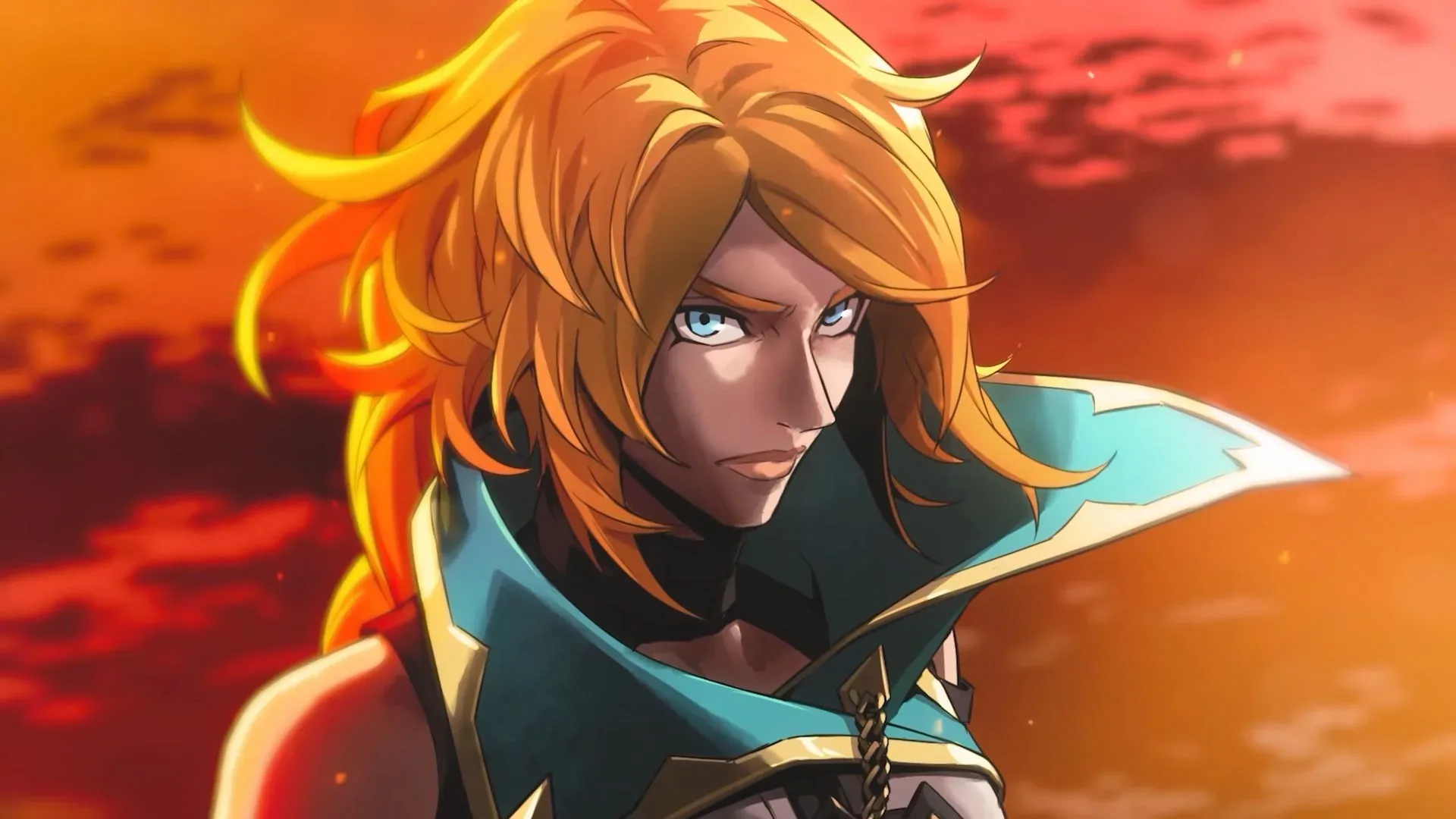
Castlevania: Belmont’s Curse is being framed as more than a commemorative return. Producer Tsutomu Taniguchi has indicated that the team does not see the new game as a point at which the series should vanish again for another decade, even if there is not yet a defined plan for precisely what comes next.
The distinction matters. A franchise can return for an anniversary, deliver a polished single release, and then retreat into a long period of silence. Taniguchi’s comments point toward a different ambition: Castlevania’s next step should create momentum, not simply relieve the pressure of finally producing another game.
Belmont’s Curse arrives alongside the 40th anniversary of the original Castlevania. That context naturally makes it a celebration of a long-running series, but the stated reasoning behind the project is more practical than nostalgic. Taniguchi described its development as arising partly from “a sense of urgency,” rooted in a widening gap between awareness of Castlevania and the number of people actively playing it.
An audience that knows the name is not necessarily playing the games
Taniguchi’s concern is straightforward: more people have heard of Castlevania, but fewer are actually engaging with the games themselves. Those are very different kinds of cultural presence. Name recognition can keep a brand visible, while active players are the people who turn that visibility into a sustainable game audience.
That gap is especially understandable in Castlevania’s case. The series has a substantial legacy, but its game output has not been continuous. The previous entry identified here is Castlevania: Lords of Shadow 2, released 12 years before Belmont’s Curse, while the wait for a more traditional Castlevania-style game has been longer still. A player who discovered the name recently could have plenty of reason to be curious without an obvious contemporary game serving as a clean point of entry.
In this setting, Belmont’s Curse has a job beyond satisfying existing fans. It needs to convert familiarity into participation. That does not mean every new player must know the series’ full timeline or every prior version of Dracula’s conflict with the Belmont family. It means the game has an opportunity to give people who recognize Castlevania a current reason to finally play a Castlevania game.
The producer’s comments also avoid promising a sequel on a timetable that may not be realistic. Taniguchi said the immediate priority is putting all of the team’s energy into Belmont’s Curse. That is a sensible limit on what can be claimed today: the new game is the concrete project, while any follow-up remains undefined.
Still, he made the larger principle unusually clear. Releasing a game now and then saying the next one will arrive in 10 years would, in his words, make the effort “meaningless.” It is not a release-window commitment, nor confirmation of a specific sequel, genre, developer, or platform plan. It is a statement that another extended disappearance is not the desired outcome.
Related coverage includes Castlevania's Return Is Meant to Be a Beginning, Not Another Decade-Long Goodbye.
Why the 10-year point is more than a throwaway line
Long gaps are not automatically fatal for a famous series. They can build anticipation, and a well-made return can introduce a property to new players. But an absence also makes continuity harder. Fans lose a dependable reason to follow the franchise, while newcomers may come away with the impression that Castlevania is primarily a historical name or an adaptation rather than an active game series.
For a series with several recognizable identities, consistent releases would also make it easier to explain what Castlevania is in the present tense. Across its history, the name has been associated with side-scrolling action, exploration-driven adventures often called Metroidvanias, and 3D action games. “Metroidvania” generally refers to a structure built around a connected world, abilities that open previously inaccessible paths, and gradual map mastery. It is now a familiar genre label, but Castlevania’s own long pause has meant that many newer players may know the term more readily than the games that helped make it meaningful.
That does not require the series to narrow itself to one format. In fact, Taniguchi’s remarks leave its possible future shape open. His point was explicitly that he does not yet know what form a continuation will take. The immediate takeaway is therefore not that a particular style has been selected, but that the franchise’s custodians see value in avoiding another cycle where each new game must reintroduce Castlevania from scratch.
Belmont’s Curse has a connection to the animated Castlevania world
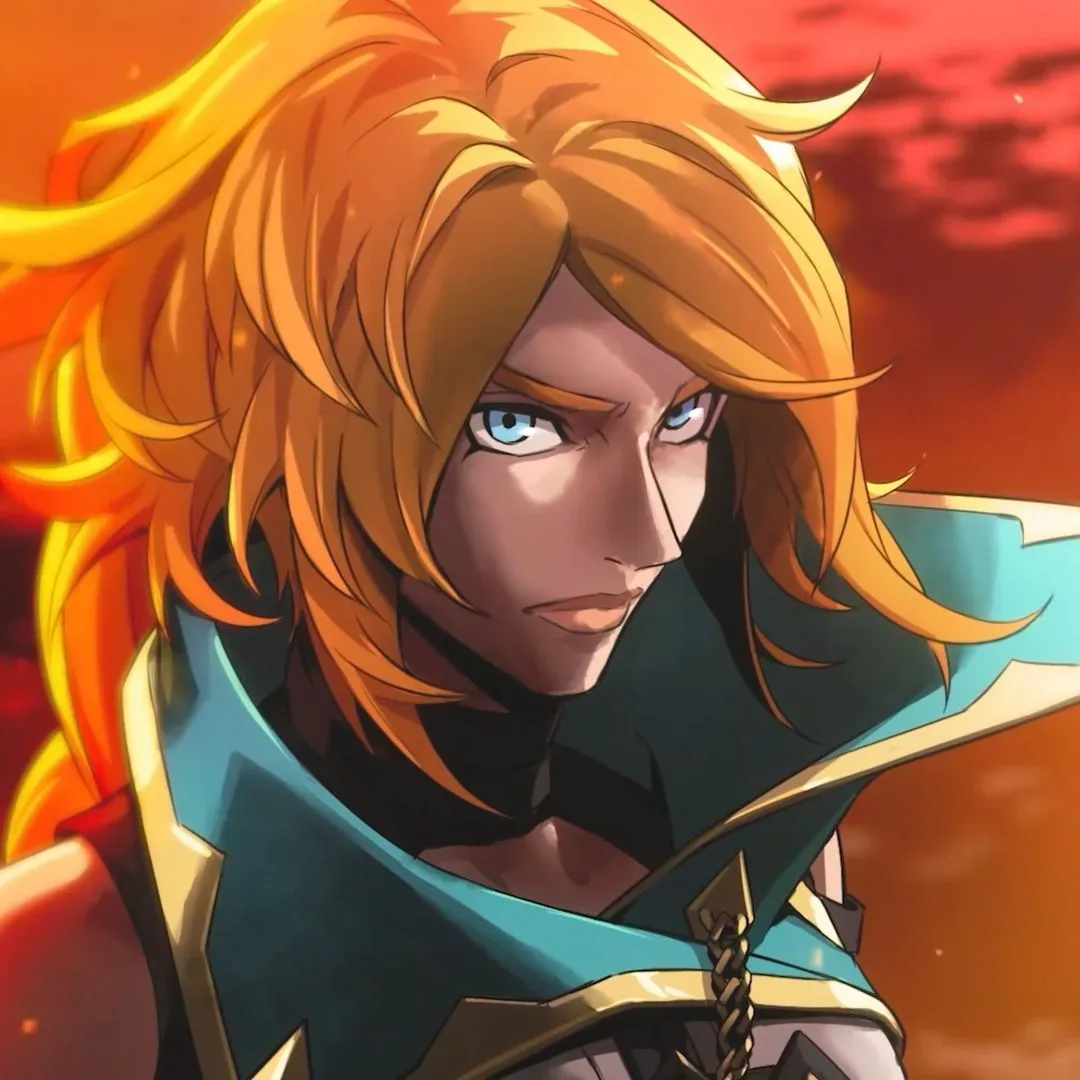
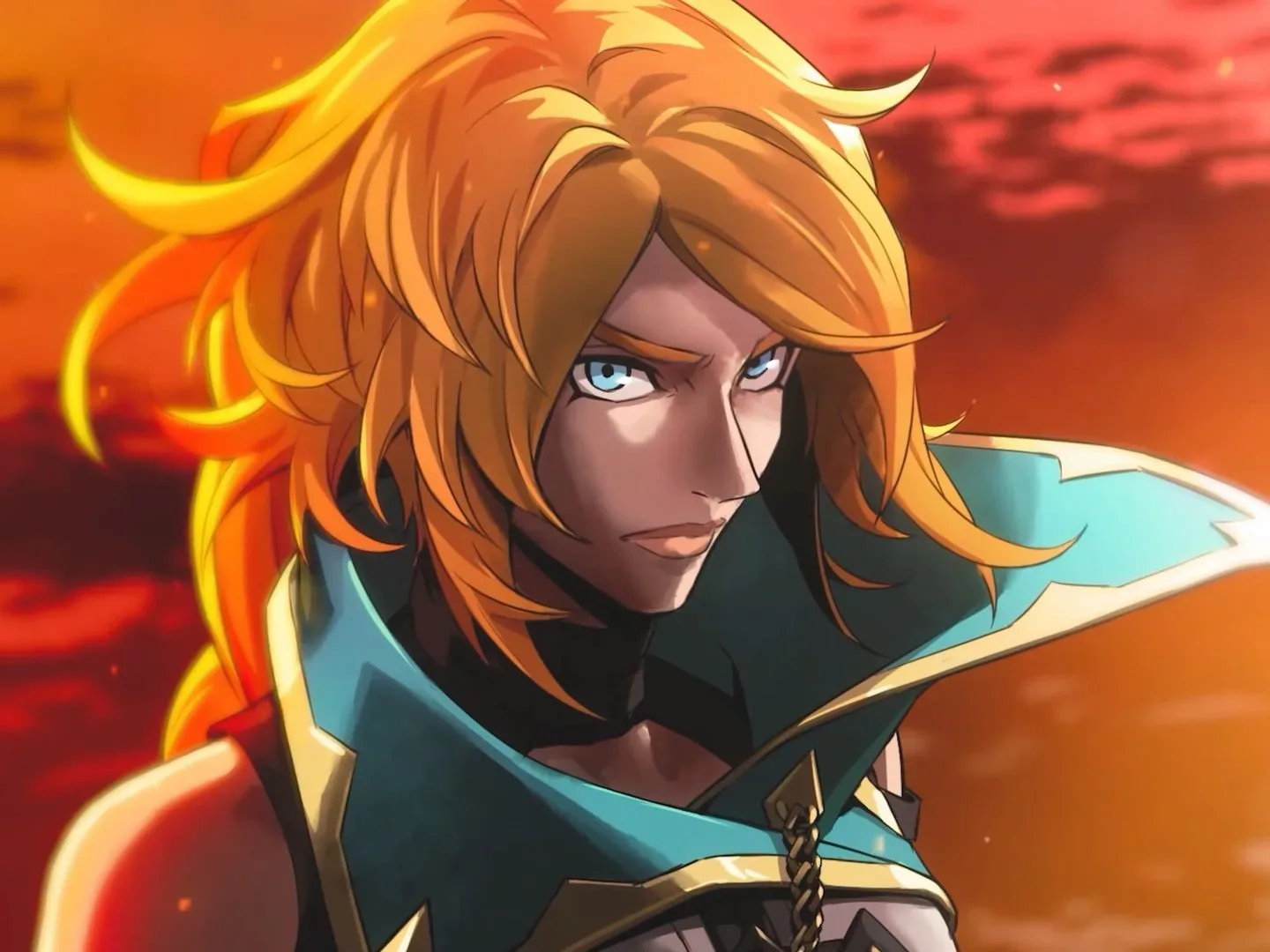
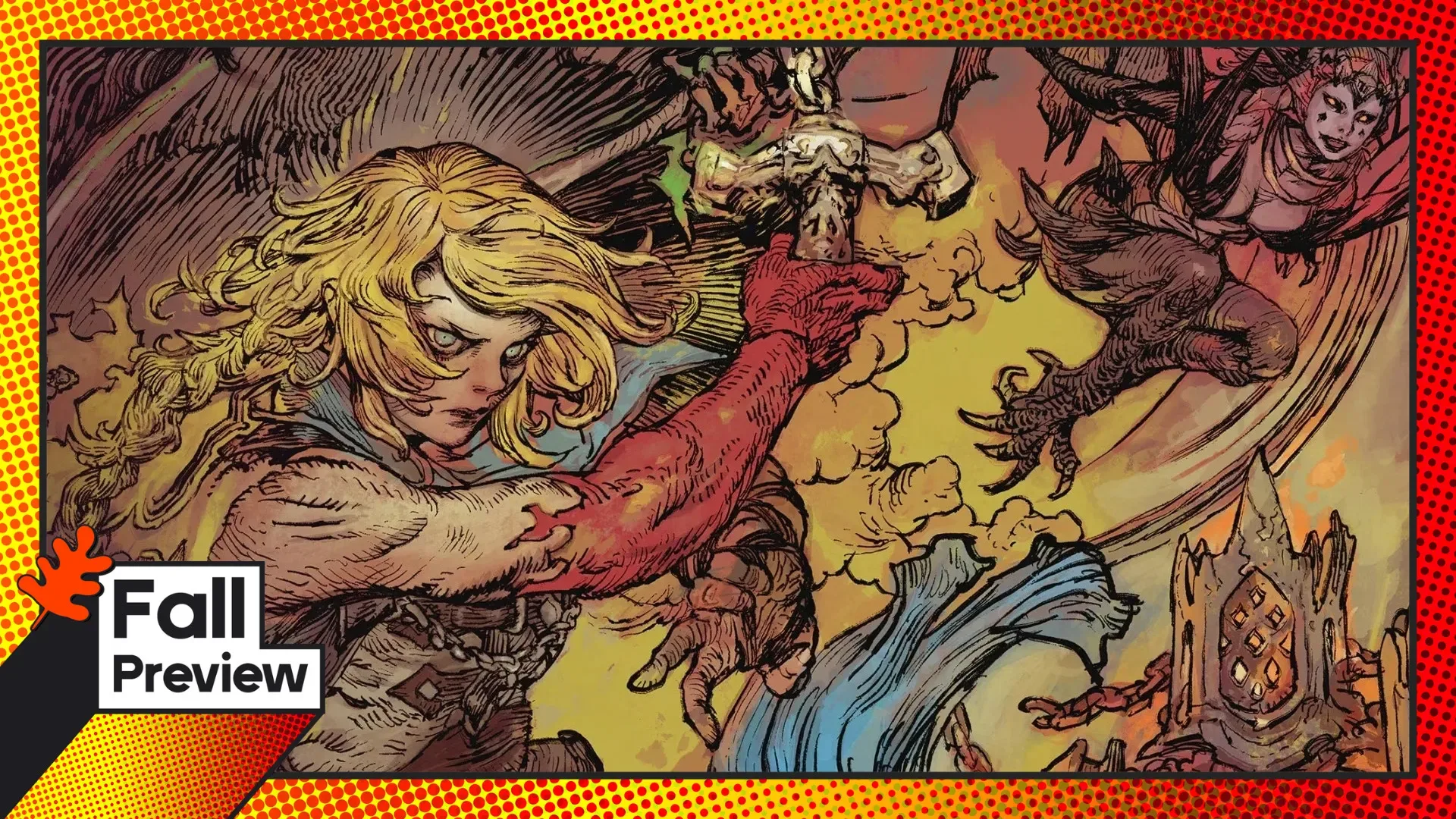
One reason general awareness may have grown is Castlevania’s animated presence. Belmont’s Curse has a link to that wider audience through its protagonist, Rose Belmont. Rose is identified as the daughter of Trevor Belmont and Sypha, the central characters of Castlevania III and the focus of the original animated series.
That lineage gives Belmont’s Curse an accessible bridge between different generations of fans. Players familiar with Trevor and Sypha through older games have a recognizable family connection. Viewers who came to Castlevania through animation have familiar names and relationships that can make the game world less intimidating. And newcomers can meet Rose as a new lead rather than feeling obliged to start with decades of backstory.
There is a broader lesson in that arrangement. Adaptations can widen recognition, but a game series still needs games that welcome that audience. The same basic challenge appears whenever a gaming property expands into another medium: visibility alone does not tell people where to begin playing. The recently reported early development of a RuneScape animated series is another example of how game worlds can reach beyond the controller, while raising the question of how newcomers move from watching to playing.
For Castlevania, Belmont’s Curse appears intended to be part of that answer. The game is not presented merely as an add-on to an animated continuity; it is a new game release that can give the brand a renewed playable center.
What has been said—and what has not
It is easy to turn a producer’s expression of intent into more certainty than it contains. The available comments support optimism that Belmont’s Curse is not envisioned as a one-off farewell. They do not confirm the next Castlevania game, establish a production schedule, or say which gameplay format the franchise will use after this release.
- Supported: the current focus is Belmont’s Curse.
- Supported: the project was partly motivated by concern over declining active engagement with Castlevania games.
- Supported: the team does not want a new release followed by another 10-year wait.
- Supported: the shape of a future entry is still unknown.
- Not confirmed: a sequel, its timing, its platform lineup, or its exact genre.
That careful reading is important because “revival” can mean several things. It may mean frequent games made by one internal team. It may mean different projects that explore different styles. It may mean a more modest but steadier rhythm than the series has had recently. Nothing in the comments settles those questions.
What does seem settled is the problem Belmont’s Curse is designed to address. Castlevania has visibility, an anniversary, recognizable characters, and a history broad enough to speak to several types of player. Its challenge is turning those strengths into ongoing game participation rather than another isolated spike of attention.
The practical test is continuity
A successful re-entry point is valuable, but it is only the first part of a revival. If players enjoy Belmont’s Curse, the next practical question will be whether there is another clear way to stay engaged with Castlevania without waiting through a generational-sized gap. Taniguchi’s remarks suggest that the people behind the return understand that expectation.
There is also a useful degree of restraint in the message. Rather than presenting a detailed roadmap before Belmont’s Curse has had the chance to stand on its own, the producer has emphasized the work directly in front of the team. That balances an aspiration for continuity with the reality that future plans have not been finalized.
For longtime fans, the encouraging part is not a promised date. It is the acknowledgement that a decade-long silence after this release would undermine the point of bringing Castlevania back. For people who know the name from animation, old games, or genre discussions but have never played, Belmont’s Curse is positioned as a chance to close that gap.
Castlevania’s 40th anniversary gives the return symbolic weight. Taniguchi’s comments give it a clearer practical purpose: make the series playable and present again, then ensure it does not immediately fade from view.