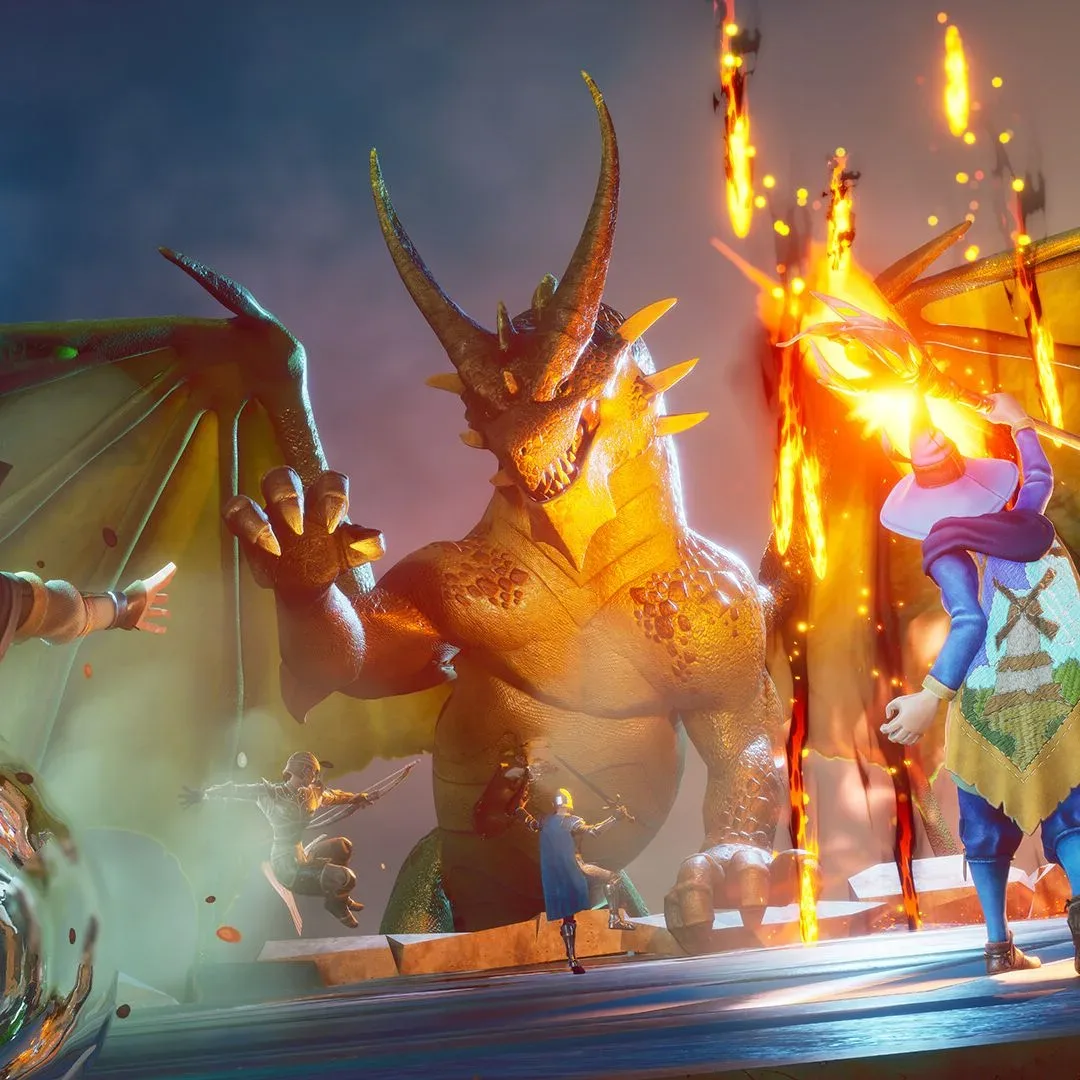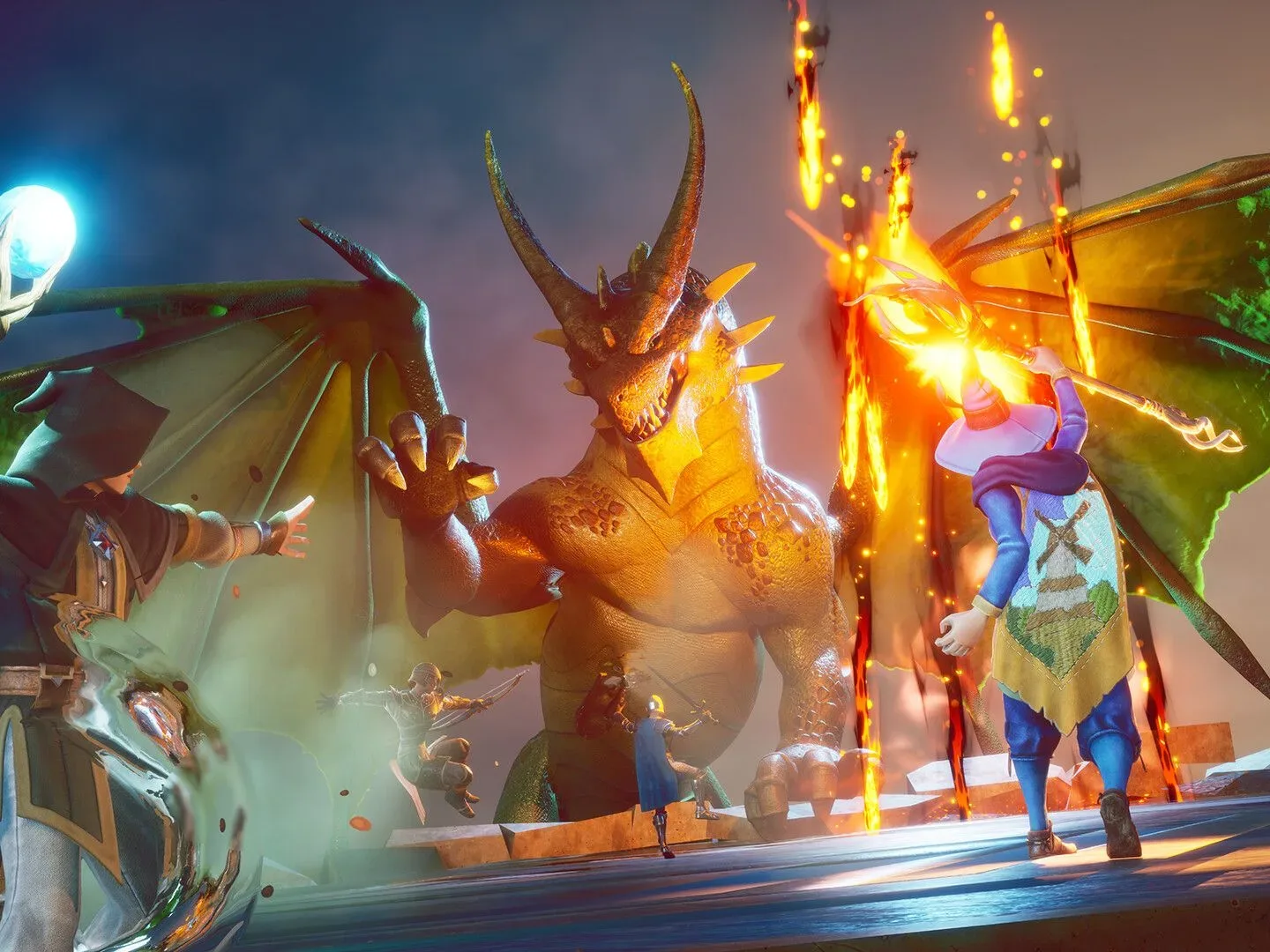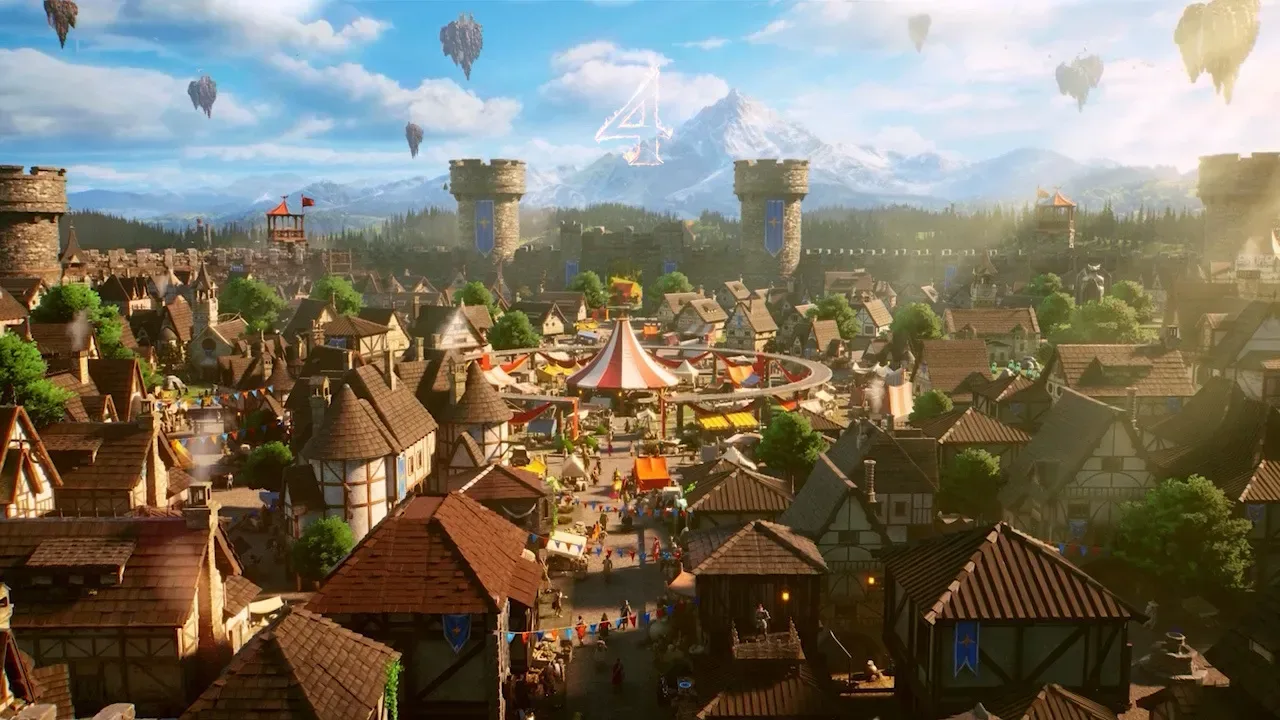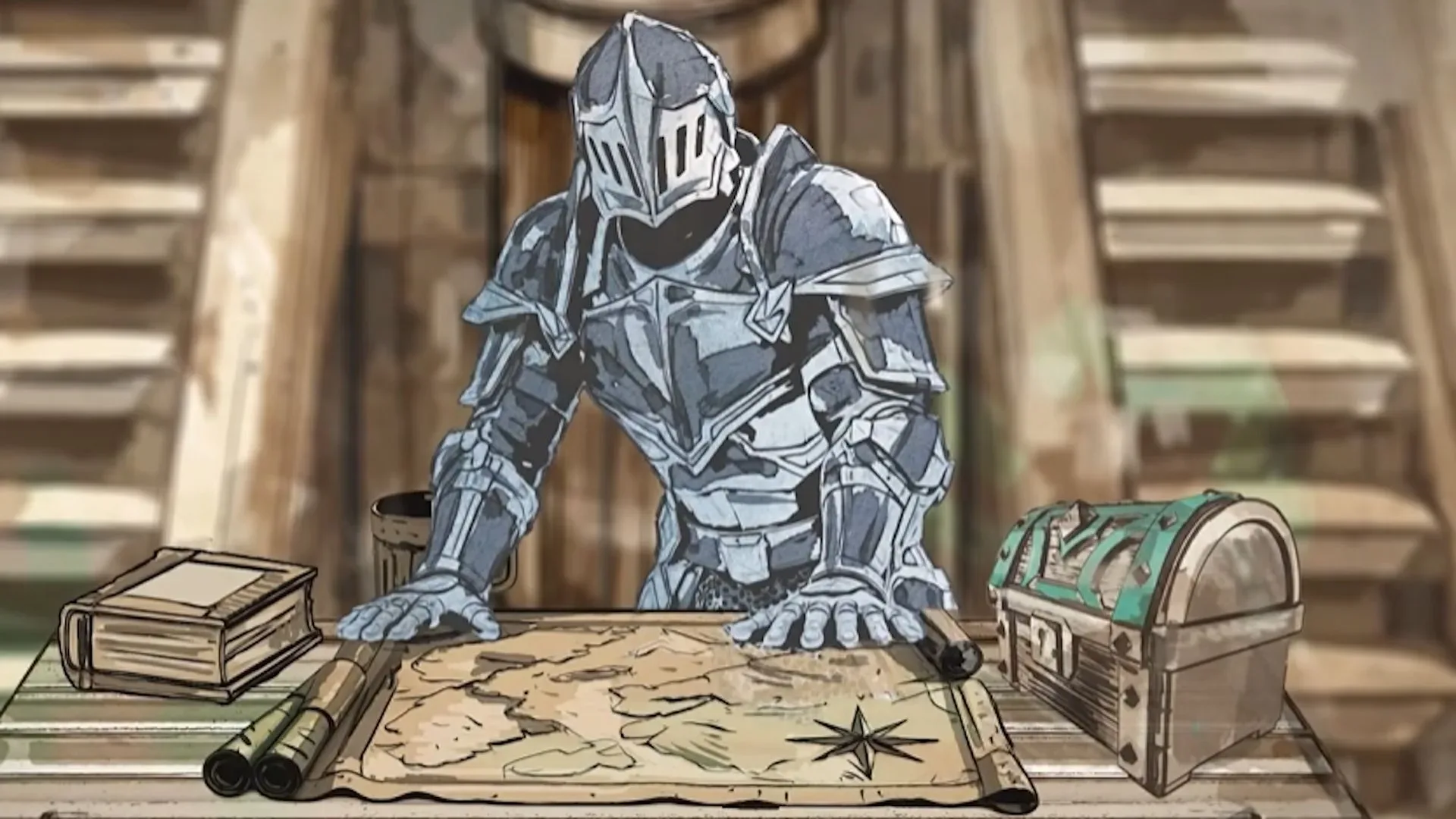
Gielinor may be preparing to log out of the browser window and into animation. Jagex has revealed that a RuneScape animated show is in very early development, with streamer and longtime player Charlie White, known online as MoistCr1TiKaL, involved alongside Lyrical Animation.
The project was disclosed at RuneFest 2026 by Jagex chief executive Jon Bellamy, shortly after the company revealed plans for a fourth RuneScape MMO. At this point, the show is a genuinely early-stage project rather than a near-finished series waiting for a trailer. There is no release date, no announced cast, no confirmed format, and no indication of which corners of Gielinor might supply its plot.
That narrow set of confirmed details is important. RuneScape has the scale, age and accumulated mythology to inspire many kinds of adaptation, but the announcement currently establishes an intention to bring its world to the screen—not a particular storyline, hero, era or episode count.
What has actually been confirmed
Jagex’s stated ambition is to explore how the game world can work on screen and to extend RuneScape beyond games. Bellamy said the company sees an opportunity to bring Gielinor to life for established players as well as people encountering the setting for the first time.
In plain terms, this is a transmedia project: a story world built in one medium, games in this case, being developed for another, television-style animation. The term can sound like corporate spellcasting, but the practical challenge is straightforward. The new show needs to give non-players enough context to care about its characters and stakes without turning every episode into a lore lecture for viewers who already know the world.
The announcement comes during RuneScape’s 25th anniversary year. The original game launched in 2001, and the franchise now includes RuneScape, Old School RuneScape and RuneScape: Dragonwilds. More than 300 million accounts have been created across the franchise’s quarter-century history.
That history offers a big potential audience, but it also makes the creative task more complicated. Long-running online games do not normally have one single, fixed protagonist whose journey automatically translates into a season of television. Players make their own characters, choose activities and experience an evolving shared world from different angles. An adaptation therefore has to make choices: it must decide whose story to follow and which version of a huge setting to put at its center.
Charlie White’s role remains undefined
White’s participation is among the most notable elements of the project, but it is also the area with the least publicly defined detail. He is a longtime RuneScape player and is already working with Lyrical Animation on an adaptation of his comic Godslap.
Related coverage includes RuneScape Animated Series Enters Early Development With MoistCr1TiKaL and Lyrical Animation.
What has not been announced is equally significant. There is no confirmation that White is a writer, producer, voice actor, executive producer, or a lead creative decision-maker on the RuneScape series. His name is attached to the project, but the precise responsibilities behind that involvement have not been described.
That distinction is worth keeping clear while the project is young. A public-facing creator can contribute in several ways to an adaptation: helping shape an audience-facing vision, offering familiarity with the game community, participating creatively, or simply collaborating at a level that does not put them in charge of the entire production. Until Jagex, White or Lyrical Animation provides specifics, readers should avoid treating an assumed role as a confirmed one.
White’s player background could still be meaningful even without a declared senior production title. For an MMO adaptation, familiarity with why the game has endured can matter as much as familiarity with a list of lore entries. RuneScape has existed through different versions and player communities; an animated show will need to understand the attachment players have to the setting while also telling a story that works without prior investment.
Why Lyrical Animation is central to the news
Lyrical Animation is the studio partnered with Jagex and White on the RuneScape project. It is also working on the animated Bloodborne movie and Death Stranding: Mosquito, while collaborating with White on Godslap. That makes the RuneScape series part of a wider run of game-adjacent and creator-led animation work associated with the studio.
Its connection to the still-developing Bloodborne film will inevitably draw comparisons, particularly because another major gaming creator, Seán McLoughlin—better known as Jacksepticeye—has described himself as a key creative figure on that film, including in hiring. But the parallel has limits. No comparable description of White’s authority or duties on RuneScape has been announced.
The more useful takeaway is that Lyrical Animation is positioned at the intersection of games, online creators and animation. That does not reveal the show’s visual style or storytelling approach, but it does explain why a collaboration built around a game veteran and an MMO with a vast player legacy is plausible.
Adapting an MMO means choosing a viewpoint
An MMORPG, or massively multiplayer online role-playing game, is a persistent online game where large numbers of people inhabit the same broad world. RuneScape’s appeal is not confined to a single campaign: players can pursue combat, quests, skills, trading, exploration and social activity. Those are excellent foundations for a game, but a screen story generally needs a more deliberate point of view.
That means the eventual RuneScape series will likely need to answer creative questions that the announcement does not yet address:
- Will it follow original characters or draw directly from established RuneScape figures and stories?
- Will its tone lean toward fantasy adventure, comedy, drama, or a blend of those modes?
- Will Gielinor be presented as a setting with one central conflict or as a larger world seen through a smaller character group?
- How much existing player knowledge will it expect from its audience?
These are questions, not reported details. They illustrate why “bring Gielinor to the screen” is a meaningful goal but not yet a synopsis. The answers will define the show more than the announcement’s broad premise does.
There is also a useful difference between adapting a game’s mechanics and adapting its identity. A series does not need to reproduce a player’s skill progression, interface or moment-to-moment loop. Instead, it needs to capture the feelings that make the world recognizable: its sense of place, its conflicts, its humor, its dangers, and the reason people want to spend time there. Animation can depict fantasy locations and action freely, but freedom alone does not decide what makes a setting feel like RuneScape.
A crowded moment for game adaptations
The RuneScape project arrives when game adaptations have become a serious part of film and television planning. Recent successes including A Minecraft Movie, The Last of Us and Fallout demonstrate the commercial reach of recognizable game worlds. They also underline that there is no one reliable adaptation formula. Different properties need different tones, structures and degrees of loyalty to their interactive origins.
For RuneScape, the opportunity is unusually broad. The franchise is old enough to have a large legacy audience yet remains active through multiple games. An animated series could serve as a point of entry for viewers who have never made a RuneScape account, while giving current and returning players another way to engage with Gielinor.
That prospect should not be mistaken for a guarantee. Familiar names create attention; a durable series depends on execution. The project’s early-development status means essential information—its creative team beyond the named partners, production timetable, voice cast and narrative scope—has not been made public.
What players should expect next
Jagex has said further information is planned for 2027. Until then, there is no announced release window and no basis for predicting when the series might air. Early development can involve concept work, planning and decisions about the project’s shape well before an audience sees footage or learns a title.
For now, the most accurate expectation is a slow information cycle rather than imminent episodes. The project is real enough to have named partners and a stated goal, but not yet defined enough for viewers to know what kind of RuneScape story they will receive.
That leaves the franchise in an interesting position. Alongside the newly announced fourth MMO, the animation project suggests Jagex is looking at RuneScape’s future as more than a sequence of game updates. Whether that expansion can welcome new viewers without losing the particular character that sustained the games since 2001 is the larger question—and one that will remain unanswered until the creators reveal considerably more.
While waiting for Gielinor’s screen debut to take shape, players looking for a more immediate gaming checklist can browse Anime Zero codes and redemption requirements.