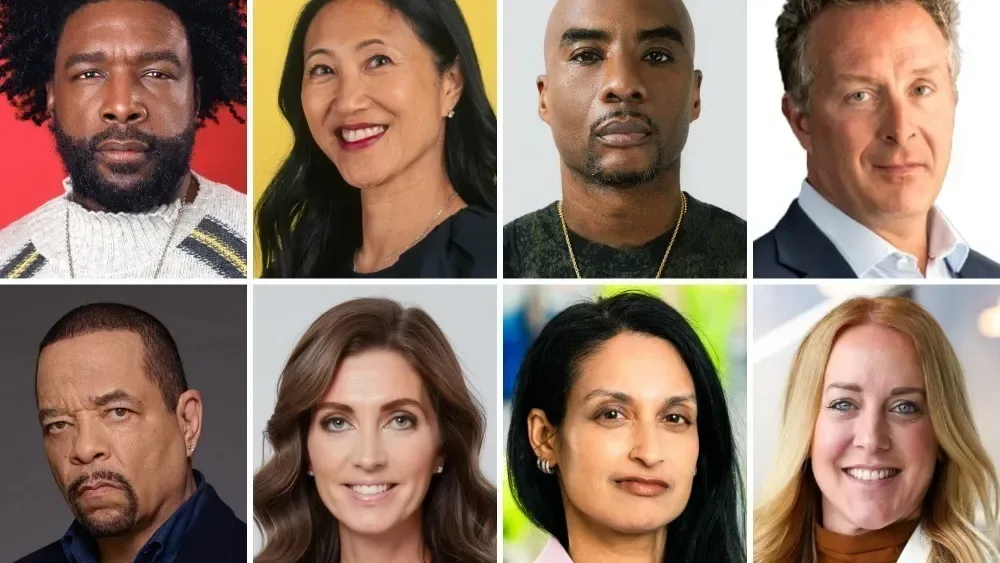
There is no respawn button for a first impression at a concert, game, premiere or festival. That is the core idea behind the newly announced Experience and Culture Summit: The IRL Advantage, an invite-only gathering scheduled for Oct. 7 at The Penn District by Skylight in New York.
The event is built around a proposition that will be familiar to anyone who has watched a favorite game, artist or team become part of their social life: in-person experiences can make fandom feel more immediate, communal and memorable than another item in an endless feed. Its programming will put artists, sports leaders, media executives and chief marketing officers in the same room to discuss how those moments are designed, supported and connected to broader entertainment strategies.
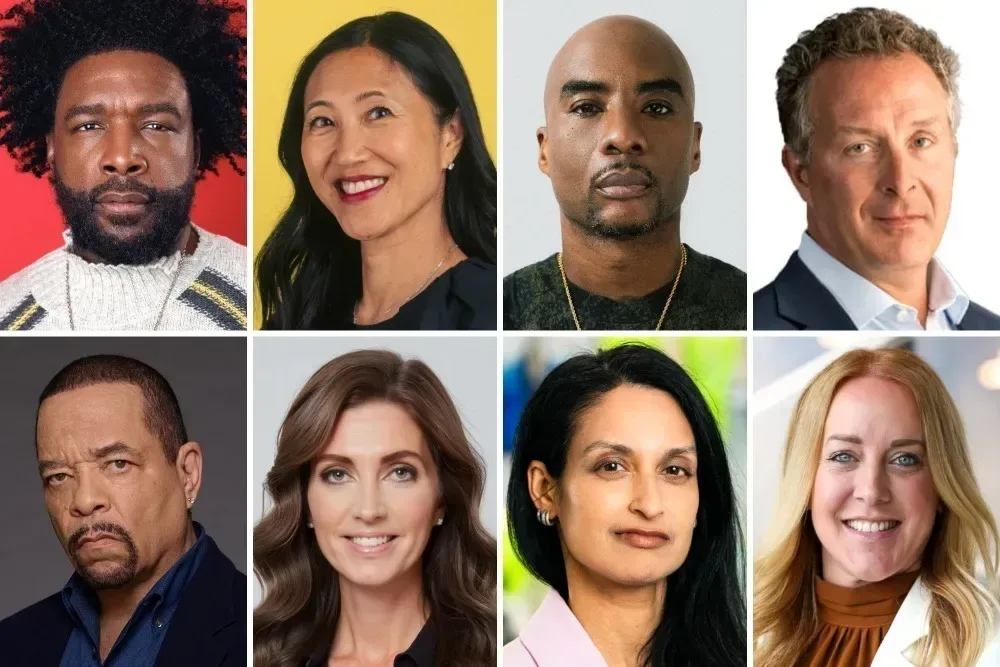
Questlove, Charlamagne tha God and Ice-T are among the scheduled participants. The wider agenda stretches from live studio audiences and sports communities to data, artificial intelligence and the increasingly complicated task of getting a crowd to care without making the whole thing feel like a branded side quest.
What “IRL advantage” means here
IRL means “in real life”: activity experienced in a physical place, with people present at the same time. In the summit’s framing, it covers more than a ticketed concert. Games, festivals, theatrical premieres, live studio tapings and public-facing city activations all fall under the umbrella.
The premise is not that screens have disappeared. Instead, the event addresses a media environment in which attention is dispersed across feeds, platforms and devices, while organizations also look for ways to reach audiences where they already gather. A live event can be a performance, a social ritual and a visible expression of fan identity at once. It gives attendees something that can be discussed, remembered and shared elsewhere afterward, but the central product remains the act of showing up.
That distinction matters for marketers and entertainment companies. A campaign can buy an impression; it cannot simply purchase the feeling of hearing a crowd react in unison. The summit’s speakers are expected to examine how organizations can participate in those cultural moments authentically rather than treating fans as scenery for a logo placement.
Artists and hosts on the live-feedback loop
Questlove is set to speak about how an audience’s energy shapes his work with The Roots. The conversation will connect the group’s work as the house band on The Tonight Show Starring Jimmy Fallon with the Roots Picnic, the annual festival that has expanded the band’s relationship with listeners into a large-scale live setting.
Charlamagne tha God will address his approach to creating distinct experiences for his audience, including the Black Effect Podcast Festival. The planned discussion places live events alongside his work on The Breakfast Club, making the useful point that fandom does not have to live in just one format. Radio, podcasts and physical events may have different mechanics, but each gives a community a different way to participate.
For creators, this is the practical side of the “IRL advantage.” A live audience is not merely a metric. It can provide direct feedback, establish traditions and help an audience see itself as a group. The summit’s subject is therefore as much about creative practice as it is about advertising.
Brands, broadcasters and the risk of crashing the party
Ice-T will join Mark Marshall of NBCUniversal, Volkswagen of America’s Rachael Zaluzec and Xfinity’s Julie Scelzo for a discussion of how fandom is driven through major experiences, including live studio audiences. Savannah Sellers will moderate the conversation, which is timed with NBC’s 100th anniversary.
The participant list is a reminder that experiential work is not isolated from television, consumer products or entertainment. A broadcaster can build anticipation around a live audience. A brand can seek a role in a cultural event. The difficult part is relevance: the relationship has to make sense to the people who came for the show, sport or performer in the first place.
That is why the question of authenticity deserves more than marketing shorthand. In this context, it means a brand’s participation should fit the setting and offer some discernible value rather than interrupting the reason fans gathered. The summit will not offer a single universal formula; its own agenda explicitly recognizes that different audiences, events and objectives require different approaches.
Outfront CEO Nick Brien is scheduled for a keynote discussion on why experience is becoming increasingly central to marketing. Rafael Espinal, commissioner of the New York City Mayor’s Office of Media and Entertainment, will discuss New York’s role as a place for community, culture and major physical experiences. Together, those sessions put location at the center of the conversation: not just where an ad can be seen, but where culture is actually happening.
The experience economy gets a panel, not a cheat code
A panel featuring Ulta Beauty CMO Kelly Mahoney, Dick’s Sporting Goods CMO Emily Silver, Snap CMO Grace Kao, Land O’Lakes CMO Heather Malenshek and Instacart head of commercial marketing Stephanie Paturzo-Swingle will focus on the experience economy.
The phrase refers here to the growing strategic importance placed on real-world engagement as part of a consumer relationship. It should not be mistaken for a magic spell that turns any pop-up into a hit. The announced program is more measured: it asks why brands are making live engagement a core part of their strategy and how innovation is changing the events landscape.
For people who work around games and entertainment, the broader implication is straightforward. Community cannot be reduced to a post schedule. Physical gatherings can give a franchise, athlete, artist or publisher a chance to meet audiences in a shared environment. But the organizer still needs a credible reason for people to attend, and brands need a credible role once they get there. A fog machine is not a personality.
Data, trust and the “agentic” question
One panel is titled IRL Advantage: Building Trust in an Agentic World, with Kantar Americas CEO Jeff Greenspoon, Snap’s Aarti Bhaskaran and Outfront chief marketing and experience officer Stacy Minero. It will consider data about the business impact of real-world audience interaction.
Agentic is a term commonly used in discussions of AI systems that can pursue tasks with a degree of autonomy, rather than merely answering one prompt at a time. In the summit’s title, it signals a larger concern: as automated systems become more prominent in media and marketing, human trust and direct connection may become more valuable rather than less.
The program does not make specific claims about a particular AI product or capability. Its emphasis is on the contrast between automated environments and face-to-face engagement. That is a timely distinction for organizations weighing where technology can improve planning or personalization, and where it may not substitute for a shared crowd experience. The wider AI business landscape is moving quickly, as seen in this report on reported concerns raised during internal testing of an AI system; the summit’s focus is the human side of that changing environment.
Sports fandom is built for the long game
Sports will have its own dedicated conversation featuring NFL CMO Tim Ellis, Major League Soccer CMO Radhika Duggal, New York Giants senior vice president of marketing and brand strategy Nilay Shah, and Women’s Tennis Association chief brand officer Sarah Swanson. Their stated focus is the work of turning fans into lifelong followers and the cultural power that sports can offer brands.
Sports is an especially clear fit for the event’s thesis because the fan relationship often exists across several layers at once: attending a match, watching a broadcast, following a league, wearing team colors and joining a local or online community. The announced panel should be useful precisely because it brings together leaders from leagues, a team and a global tour rather than assuming every sport reaches its followers the same way.
The key phrase is “lifelong followers.” Sustained fandom is a longer objective than a one-day spike in attention. It calls for repeatable reasons to return, shared rituals and a sense that participation matters. The summit is framing those ingredients as cultural work, not simply a media-buying exercise.
Where technology fits into a physical event
A final forward-looking discussion will bring together Paul Caine of On Location and TKO Group Holdings, Twitch CMO Christine Cassis, American Express executive vice president Bess Spaeth, Madison Square Garden executive vice president Josephine Vaccarello and Liquid Death chief media and digital commerce officer Benoit Vatere. Their subject is the future of experiential entertainment, including emerging technology, AI and new event-design approaches.
This is perhaps the most useful tension running through the entire agenda. Technology can help plan, promote and extend an event, but the summit’s premise is that it should not erase the reason people attend in person. The most effective use may be one that supports the shared experience rather than asking attendees to swap a live moment for another solo screen interaction.
For now, the Oct. 7 event is not positioned as a public festival or consumer showcase. It is an invite-only industry summit, and requests for invitations are being handled through its event page. Its value will rest on whether the scheduled conversations move past the broad claim that live experiences matter and get specific about the creative choices, partnerships and trust needed to make them worth showing up for.