iHeartMedia says it has no plan to sell its podcasting business, pushing back on speculation that the company had explored a transaction involving some or all of the operation. The denial matters beyond corporate deal chatter: the business includes major Hip-Hop conversation platforms, notably The Breakfast Club and iHeart’s partnership with Charlamagne Tha God’s Black Effect network.
A company spokesperson said iHeart does not intend to part with the podcast operation and that it expects to continue investing in podcasts, including their video presence. That is a meaningful distinction in a media business where “podcast” increasingly describes more than downloadable or on-demand audio. Shows can now move among terrestrial radio, audio apps, video platforms and social-ready clips while retaining a recognizable central program.
Why the sale question surfaced
The speculation arrived against mixed financial signals. iHeartMedia’s podcast revenue totaled $174 million in the most recent quarter, a year-over-year increase of 24.6%. At the same time, companywide adjusted EBITDA fell 17% to $170.5 million.
Adjusted EBITDA is shorthand for earnings before interest, taxes, depreciation and amortization, with additional adjustments made by a company. It is commonly used to discuss operating performance, but it is not the same as net income or cash on hand. In plain terms, the two reported figures show a podcast division that is growing revenue while the broader company faces pressure in another headline measure.
That contrast helps explain investor and industry interest in the unit. A fast-growing division can draw attention when a larger business is under strain, whether as a potential asset sale, a stand-alone reporting segment or a place where a company may choose to concentrate investment. But the reported discussions and the company’s present position should not be treated as the same thing. The clear, current statement from iHeartMedia is that there is no plan to sell the podcast business.
The company is also set to report podcasting separately from its Digital Audio Group beginning in 2027. Separate reporting does not by itself signal a sale. It does, however, give audiences and financial observers a clearer way to see podcast performance apart from the wider digital-audio category. That added visibility could make revenue growth, investment and future strategy easier to track.
The Breakfast Club is a multi-format media property
For listeners, the most tangible part of this story is not a balance-sheet category. It is the continued expansion of The Breakfast Club, the long-running program that began in 2010 and originates from New York’s Power 105.1. The show has built its identity around interviews and discussion, but its distribution model now extends substantially beyond its original radio home.
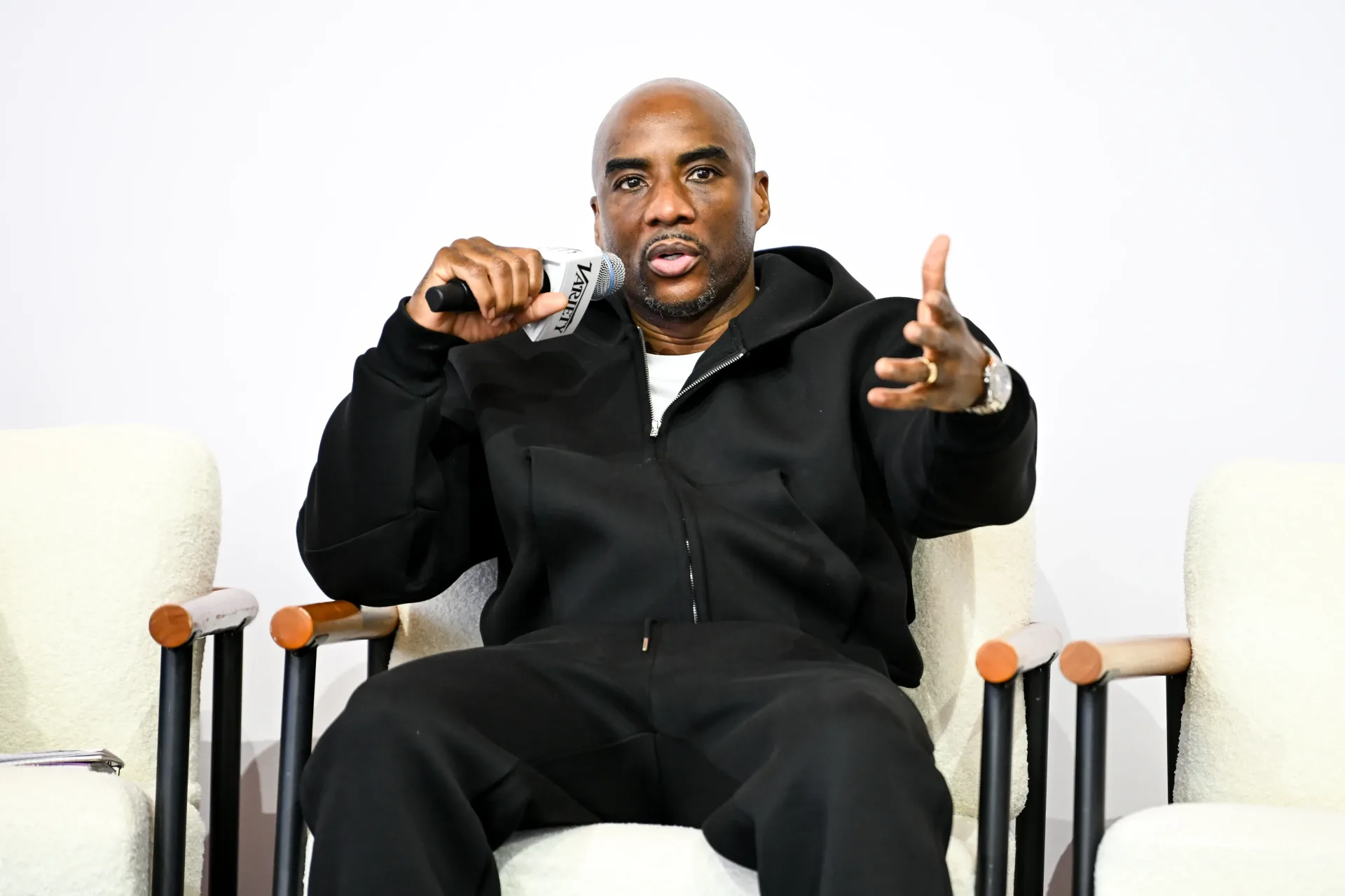
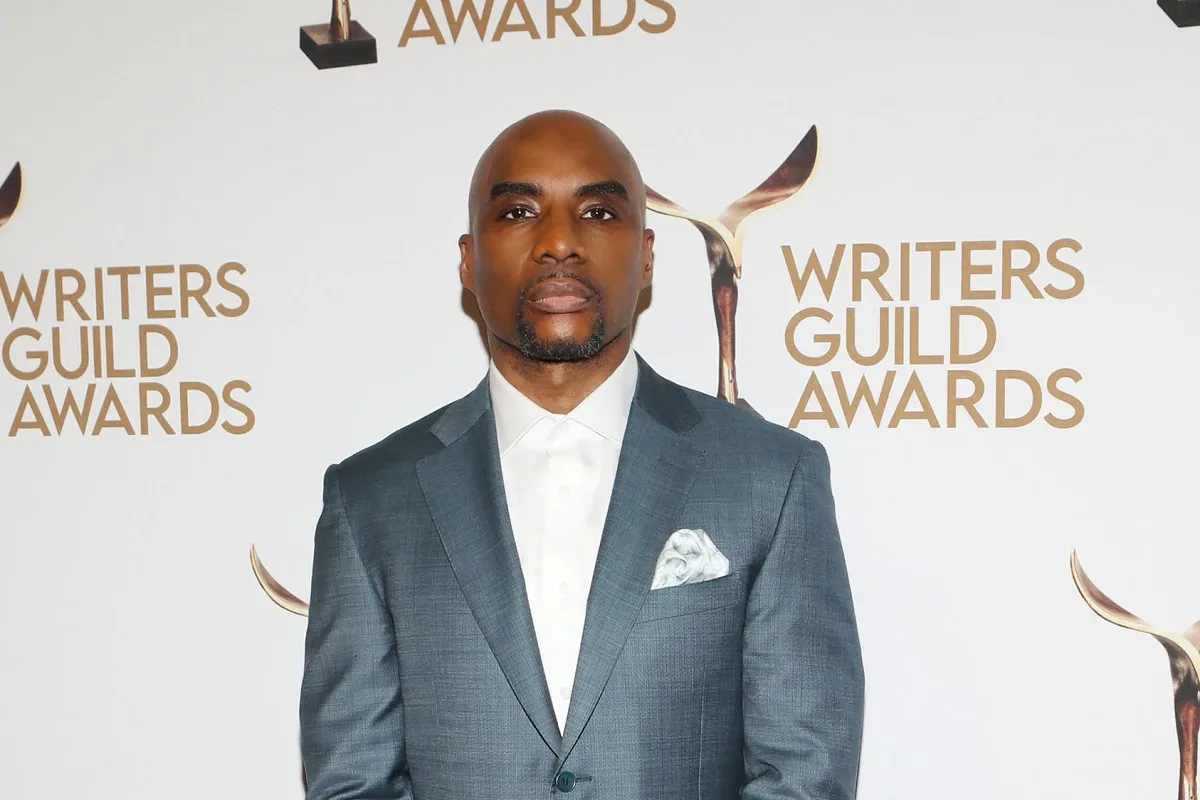
Charlamagne Tha God, Loren Loroso, DJ Envy and Jess Hilarious are at the center of the program’s expansion to Netflix’s daily live schedule, which began in June. The move puts a radio-rooted conversation show into a subscription-video environment while keeping its established audio distribution in place.
Related coverage includes iHeartMedia Says Its Podcast Business Is Not for Sale.
Netflix viewers receive nearly three continuous hours of programming, including additional material during the periods when the radio broadcast runs commercials. Meanwhile, iHeart retains audio rights, and the radio edition continues through Premiere Networks and on more than 100 stations around the United States.
That setup illustrates a practical point about modern talk programming: one production can be packaged differently without becoming several entirely separate shows. Radio listeners receive the broadcast version. On-demand listeners can find the audio through iHeart’s systems and other podcast services. Video subscribers receive a version tailored to a live daily schedule, with the gaps created by radio ads filled by more program material.
For an audience, the result is more choice in where and how to follow the same conversations. For the company and the hosts, it offers several routes to reach listeners and viewers without abandoning the radio footprint that established the program. It also makes video investment central rather than optional. An interview built for audio can travel farther when it is also produced in a form that works for a video service.
Why video matters to podcast strategy
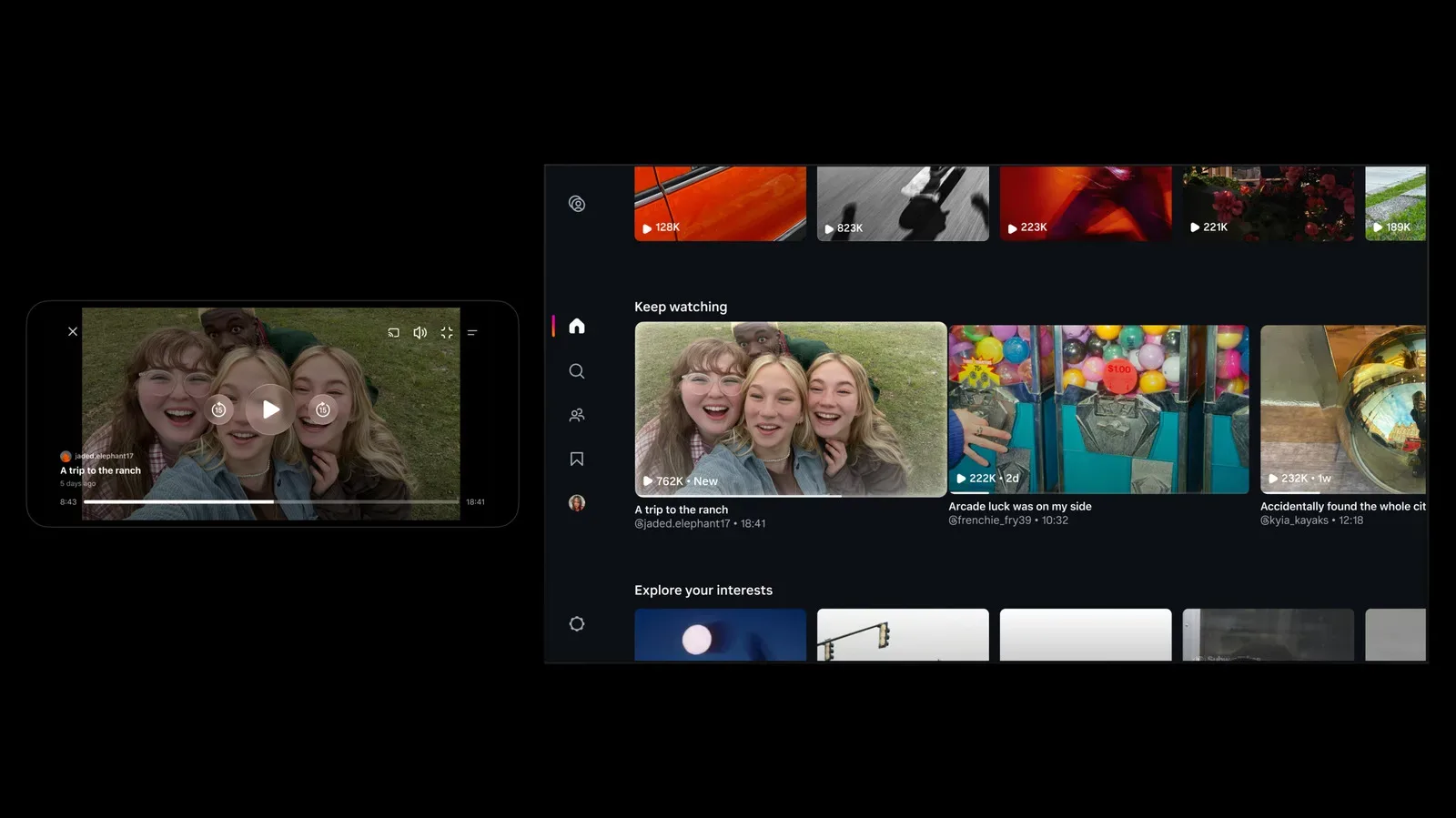
Video podcasting can be an imprecise label. Here, it is best understood as talk programming that is available in a visual format as well as an audio one. The appeal is straightforward: some audiences want to hear a conversation while commuting or working; others want to watch guests and hosts react in real time; and still others encounter individual moments as clips before seeking out the fuller episode.
iHeartMedia’s stated intention to invest in podcast video therefore aligns with the wider shape of The Breakfast Club’s distribution. The program’s Netflix expansion does not replace radio or on-demand audio. It adds another way for the same franchise to be experienced. That is especially relevant for interview-led shows, where facial reactions, studio dynamics and the presence of a guest may be part of the draw even when the core product remains the conversation itself.
There is also a rights dimension. iHeart retaining audio rights while the show appears on Netflix demonstrates that distribution across formats can be divided rather than owned by one outlet in one all-encompassing package. The available facts do not spell out every business term, but the arrangement plainly preserves an audio business while extending the show’s video availability.
Black Effect and Drink Champs widen the network
The podcast operation’s relevance to Hip-Hop also runs through Black Effect, iHeart’s partnership with Charlamagne Tha God. Black Effect connects the company to a broader group of shows and creators, including N.O.R.E. and DJ EFN’s Drink Champs Podcast Network.
Drink Champs Podcast Network launched with Black Effect in 2025 as a way to expand the hosts’ work into a larger slate of programming. Memphis Bleek’s ROC Solid was the network’s first series, and its debut episode featured Ja Rule. Distribution through iHeartPodcasts made those conversations available on the iHeartRadio app as well as other podcast platforms.
This is not merely a story about adding another show to an app. A network model can give individual hosts a framework for developing multiple programs while using established distribution to reach listeners. In this case, it creates an additional avenue for rap artists and adjacent creators to build media businesses around their own conversations and audiences.
That principle is important because a successful interview show can become more than a single feed. It can be a launch point for new personalities, formats and audience communities, provided there is a distribution partner able to carry the work across platforms. Black Effect’s connection with Drink Champs shows how a large audio company can act as the delivery layer while recognizable hosts expand their own programming universe.
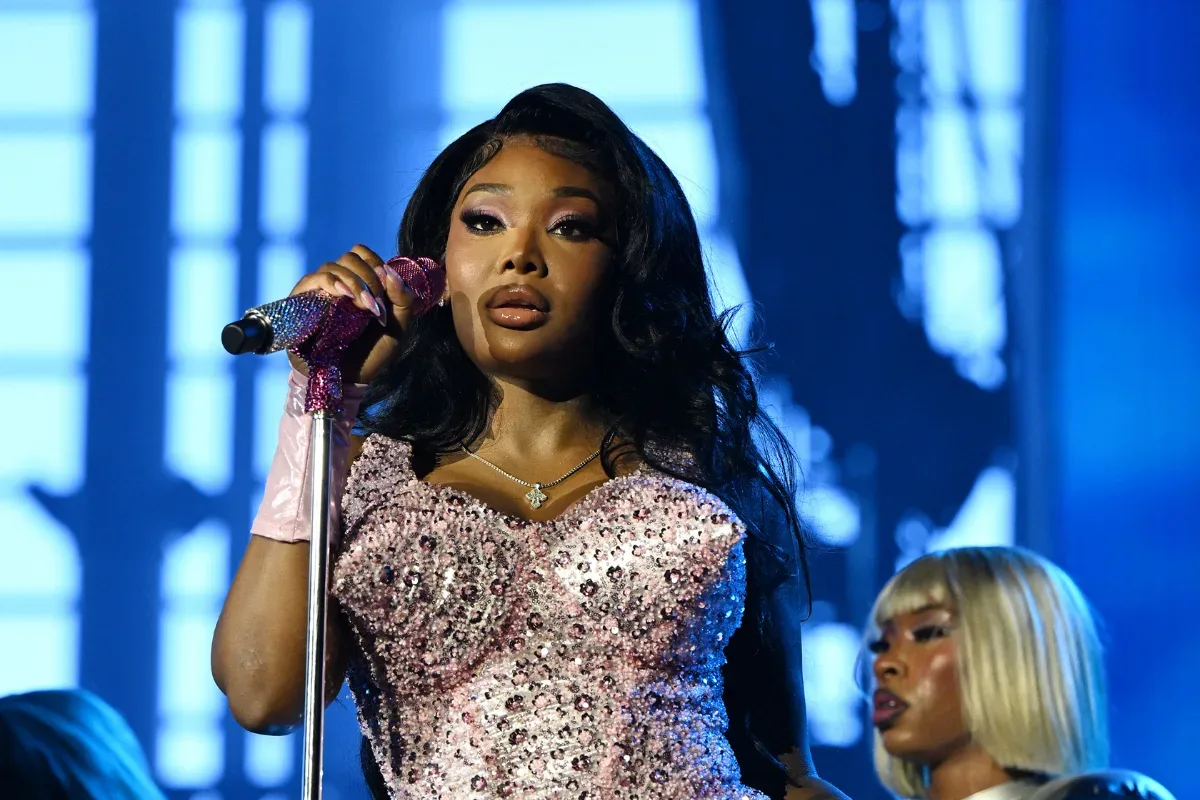
The broader music-business backdrop also makes ownership, distribution and rights worth watching. Those subjects extend beyond podcasts, as disputes over artist contracts, touring revenue and royalties continue to shape public discussion across the industry, including in a recent conflict involving Summer Walker and LVRN. The details differ, but the common thread is that creative work reaches audiences through business arrangements that affect who distributes it and how its value is shared.
What iHeart’s denial does—and does not—settle
The company’s statement settles its stated present intention: iHeartMedia says it does not plan to sell its podcasting business. It does not erase the fact that reports raised questions about potential discussions, nor does it supply a detailed long-term blueprint for every show or business line.
What is concrete is the direction iHeart has described. It plans further podcast investment, including video; it has a growing podcast-revenue figure to point to; it will separately report podcasting beginning in 2027; and its marquee properties are already demonstrating multi-platform distribution in practice.
For fans of The Breakfast Club, Black Effect programming and Drink Champs-related shows, that suggests continuity rather than an immediate ownership upheaval. Radio remains part of the picture, audio distribution remains part of the picture, and video has become a more visible part of the plan. The significance is less about a hypothetical sale than about how firmly these shows now sit at the intersection of radio, podcasting and subscription video.
In that sense, iHeartMedia’s response is also a statement about where it sees value. The company is not describing podcasting as a nonessential asset to shed. It is describing it as a business it intends to keep building, even as its largest conversation franchises reach people through more screens, speakers and services than the term “radio show” once implied.