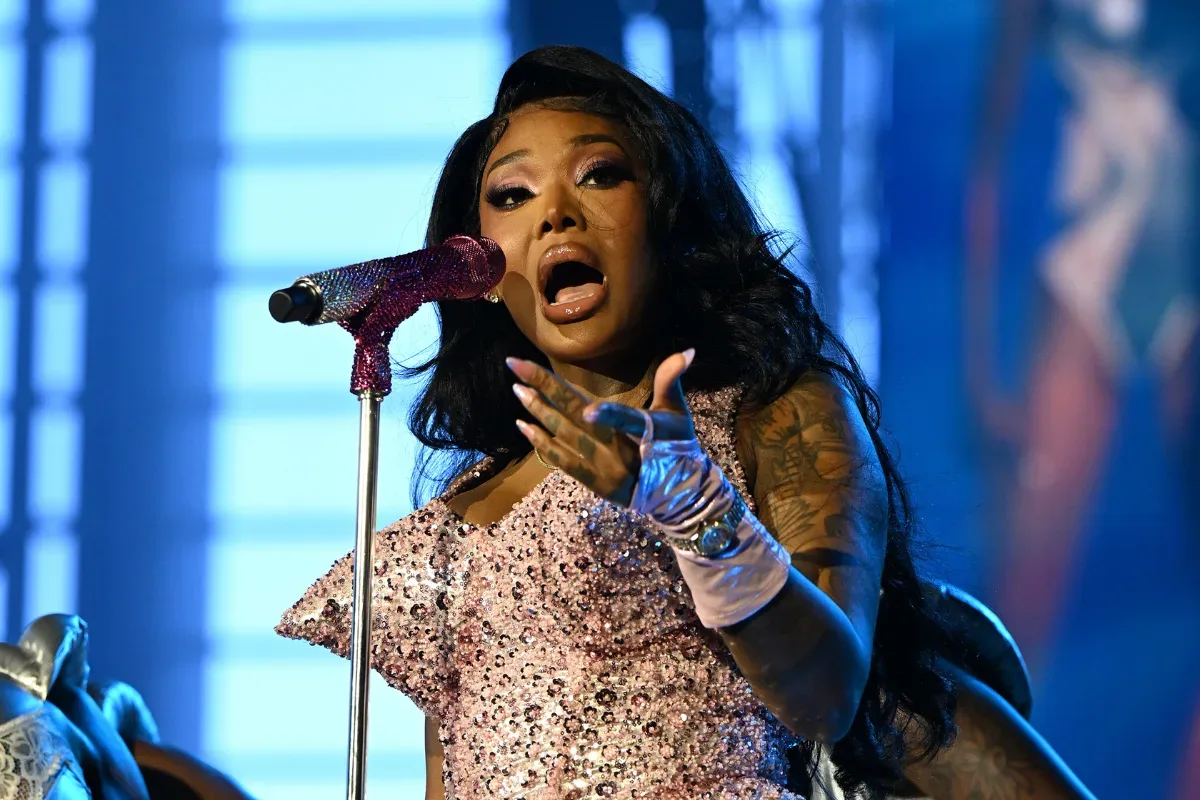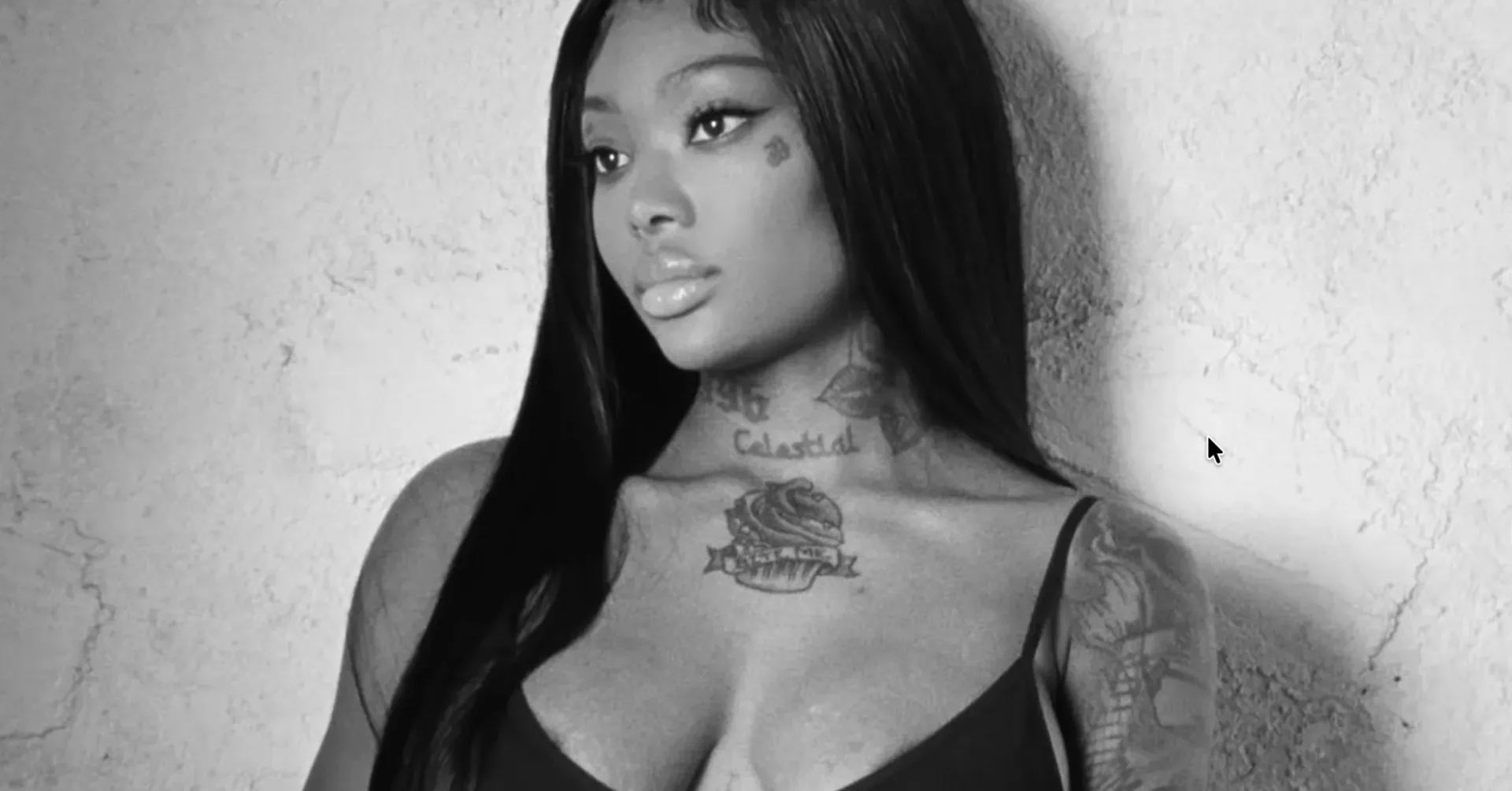
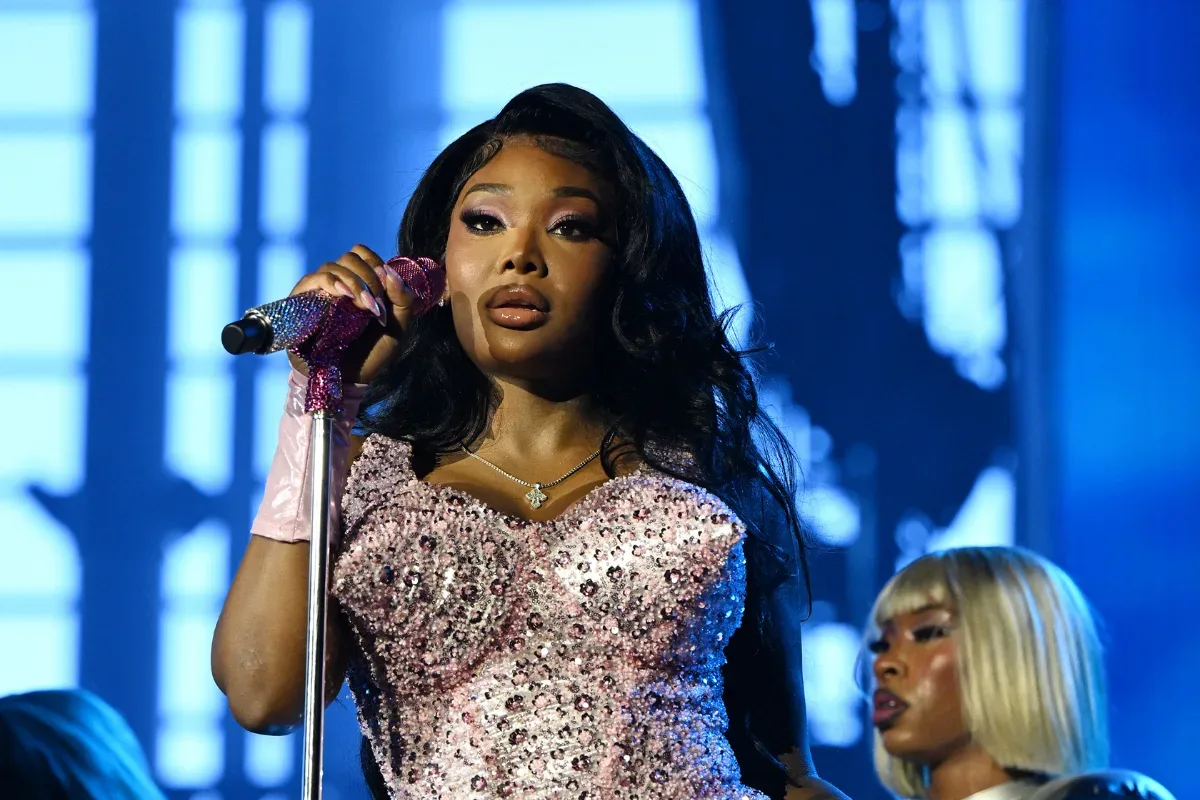
Summer Walker’s legal effort to end her relationship with Atlanta-based company LVRN has entered a more financially pointed phase. In a Fulton County filing, LVRN denies Walker’s fraud allegations and brings a breach-of-contract counterclaim that seeks money it says is still due under their agreement.
The dispute is not confined to a single accounting question. LVRN’s claims cover three distinct revenue categories: a 15 percent share of income from business opportunities it says it obtained for Walker; 20 percent of her songwriting performance royalties; and a seven percent portion of proceeds from her 2026 Finally Over It tour. The company alleges that Walker initially paid the seven percent tour share, then stopped doing so.
Walker, meanwhile, has accused LVRN of mishandling funds and withholding financial information. Her August suit seeks damages as well as a ruling that would bring the agreement to an end. With both parties alleging that the other has failed to honor the deal, the litigation now places the language and scope of a contract signed in September 2017 at the center of the conflict.
What LVRN is seeking
LVRN is asking for damages to be determined at trial and for Walker’s initial complaint to be dismissed. Its counterclaim disputes Walker’s assertion that the company acted fraudulently or improperly managed the relationship.
“At no time has LVRN acted in bad faith, been stubbornly litigious, or caused Walker unnecessary trouble and expense,” the company says in its filing.
A counterclaim is a claim brought by the defendant against the party who initiated a lawsuit. It does not itself establish that LVRN is entitled to the disputed money. Rather, it means the court will be asked to assess competing interpretations of the parties’ obligations, the payments made, the money earned and the consequences if either side is found to have breached the agreement.
The reported percentages matter because they apply to different kinds of entertainment income. A share of business opportunities may concern commercial work or other deals the company says it secured. Songwriting performance royalties are distinct from the income associated with a recording itself: they relate to the public performance of a composition. The claimed tour percentage concerns proceeds tied to live dates on the Finally Over It tour.
Those categories may sound similar in everyday conversation, but separating them is important in a contract dispute. Each can involve different revenue statements, collection arrangements, deductions and payment timing. The case will therefore likely turn substantially on documentation and on whether the relevant agreement actually grants LVRN the shares it seeks under the circumstances described in its filing.
Related coverage includes Summer Walker Faces LVRN Counterclaim Over Tour Revenue and Royalties.
Walker’s original allegations remain contested
Walker’s suit, filed in August, alleges that LVRN diverted money intended for touring, recording, marketing and merchandise. She also alleges that financial information was concealed from her.
Her complaint further alleges she was not paid from merchandise sold through Amazon or from a YouTube page that used her name and likeness. These are allegations, not findings of fact. LVRN has denied the fraud accusations, and the competing claims have not been resolved.
The stakes extend beyond a retrospective fight over statements and revenue splits. Walker is seeking to terminate the agreement, putting the company’s continuing role in her career alongside the accounting dispute. That makes the case partly about money already earned and partly about who controls obligations and opportunities going forward.
Walker’s attorney, Keith Moten, had not responded to a request for comment at the time the counterclaim was reported.
Why the tour allegation is especially notable
LVRN’s allegation regarding the 2026 Finally Over It tour is unusually specific: it says Walker paid the company’s seven percent share at first, then ceased payments. If the matter reaches trial, that claimed sequence could become important because it raises questions about what triggered the alleged change and whether the underlying tour obligation remained enforceable.
But the allegation should not be read as a judicial conclusion. A payment history can be evidence in either direction depending on the terms of an agreement, the purpose identified for prior payments, and the arguments each side makes about whether obligations were later disputed, altered or ended. The available filing summary does not establish those answers.
For observers, the practical takeaway is that the case is not simply a broad dispute over a legacy deal. It potentially requires a detailed review of several active income channels, including live performance revenue connected to Walker’s current album cycle. That gives the fight an immediate business dimension even as the parties litigate their past relationship.
A separate Interscope case adds another contract question
The LVRN litigation runs alongside a separate legal fight between Walker and Interscope. Walker is attempting to leave her recording agreement under California’s seven-year rule. Interscope sued in October, seeking at least $50 million over recordings it says Walker still owes; Walker disputes the label’s claims.
Interscope’s position is that Walker’s agreement requires five studio albums and that Last Day of Summer and CLEAR do not count toward that total because they were earlier projects. Her catalog under the labels includes Over It, Still Over It and Finally Over It.
That case concerns a different agreement, a different company and a different legal setting from the Fulton County dispute with LVRN. Still, the two matters overlap in their broader significance for Walker’s professional future. One case addresses alleged financial obligations and the possible end of her LVRN agreement; the other concerns recording commitments and her attempt to exit the Interscope deal.
A hearing in the Los Angeles Interscope case is scheduled for April 15. No outcome is indicated by that hearing date alone.
How the business relationships fit together
LVRN’s broader operation distributes through The Orchard, while its Interscope partnerships include Walker and fellow singer 6lack. That structure helps explain why the two disputes can be related to the same artist’s career while remaining legally separate. Distribution, partnerships, management-style services and recording agreements can involve different entities and different contractual rights.
That distinction is useful when reading headlines about an artist “leaving a label.” The phrase can refer to multiple relationships that do not necessarily rise or fall together. In Walker’s situation, the available facts point to parallel conflicts: one with LVRN over alleged diverted funds, accounting and payment shares, and another with Interscope over the duration and remaining requirements of a recording agreement.
The claims also arrive during a period in which music-industry contracts often reach beyond record sales into touring, merchandise, commercial opportunities and songwriting-related income. That is not a judgment on the validity of either party’s position here; it is the reason the specific percentages and revenue labels in LVRN’s filing are central rather than incidental.
What remains unresolved
Neither party’s accusations have been adjudicated. Walker’s claims about diverted funds, undisclosed financial information and unpaid merchandise-related income remain allegations. LVRN’s assertions that it is owed shares of business income, performance royalties and tour proceeds are likewise claims it will need to prove if contested.
The eventual result may depend on the exact wording of the 2017 agreement, records of income and expenses, payment histories, and legal arguments about whether the contract is still enforceable. Until then, the central picture is clear: Walker’s bid to sever ties with LVRN now faces a direct demand for damages, while her separate dispute with Interscope continues on its own timetable.
The story also joins a broader run of music-business developments involving artists beyond games and collecting culture; elsewhere, Flo Rida is set to headline the Best Buddies Miami Gala.