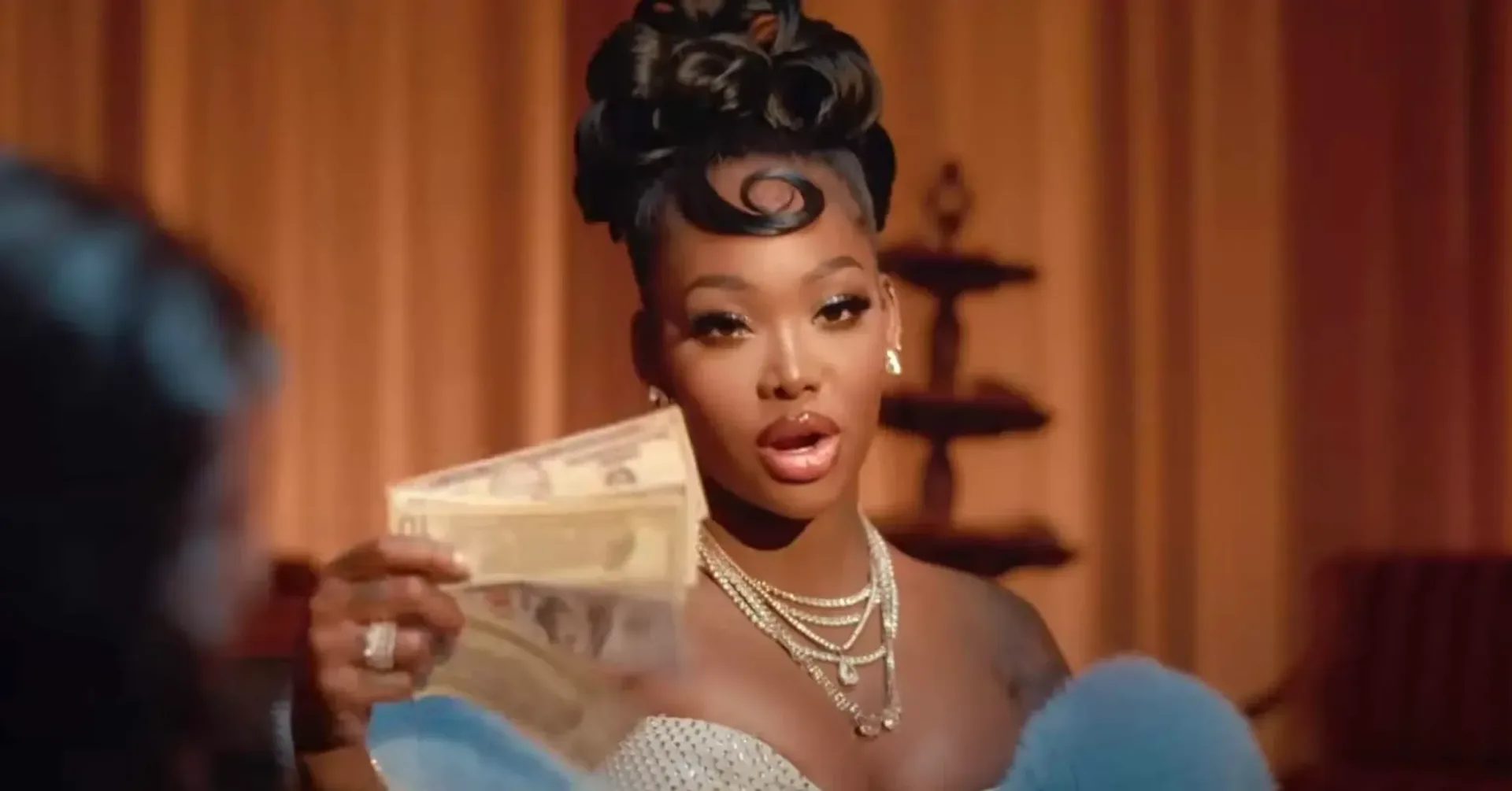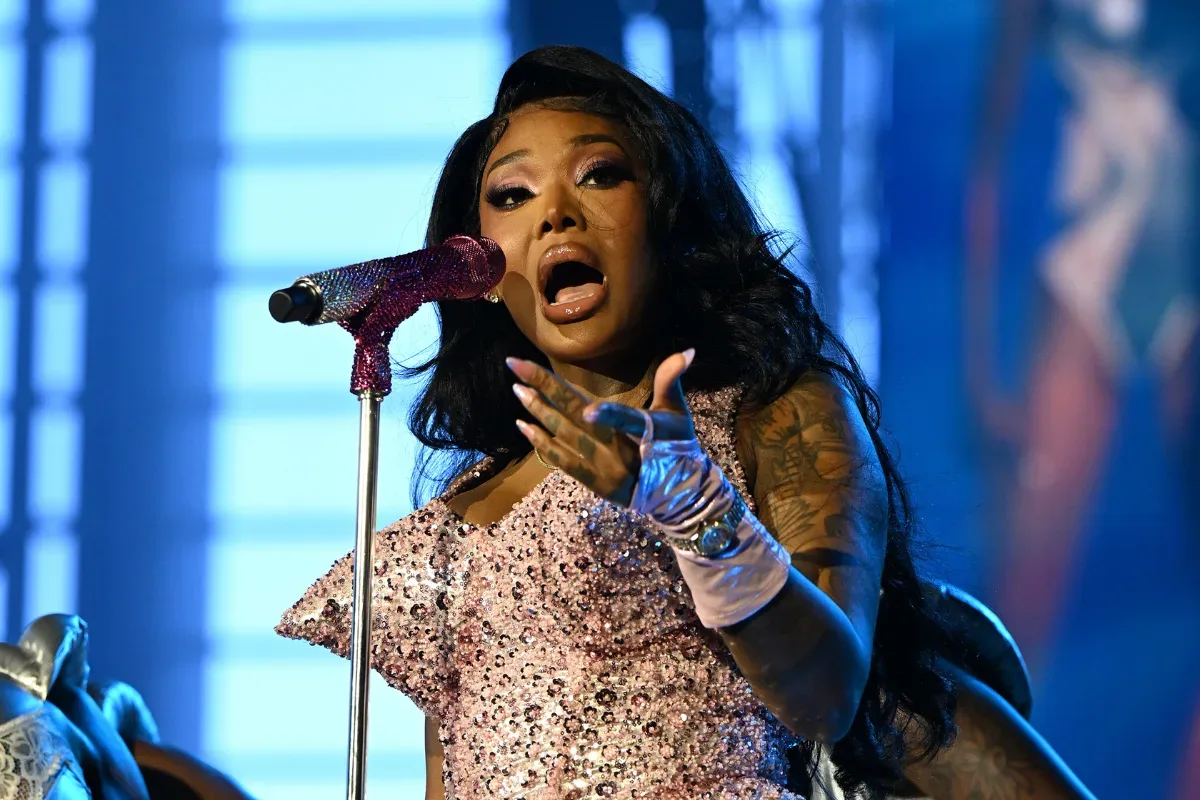
Summer Walker has filed a lawsuit against Love Renaissance, commonly known as LVRN, alleging fraud and seeking to void the label and management agreement she signed with the company on September 15, 2017. The complaint also seeks damages, but the central objective is release from a business arrangement Walker says reached well beyond the recording side of her career.
The dispute is especially consequential because it arrives alongside a separate conflict with Interscope. Walker said she would stop performing under her Interscope agreement as of August 27, citing California’s seven-year rule. Interscope then filed its own $50 million claim on October 9, contending that Walker still owed recordings under a five-album commitment. Walker disputes that claim.
These are separate disputes involving different agreements and allegations. Their overlap, however, puts unusual focus on how Walker’s music, touring, merchandise, name-and-image rights and digital accounts have been handled across connected parts of her business.
What Walker alleges against LVRN
Walker’s lawsuit was filed August 28 and alleges that LVRN retained money and controlled revenue streams that should have been accounted for and paid to her. Her allegations concern funds designated for touring, music, marketing and merchandise, which she says were instead used to cover excessive company expenses.
That distinction matters. A budget is money designated for a particular activity or campaign; an expense is a cost charged against that money. Walker’s allegation is not merely that costs existed, but that money set aside for her projects was used inappropriately to offset broader company spending. The filing’s allegations have not been established in court.
Walker also alleges that LVRN sold products bearing her name and image through Amazon and other websites without paying her a share of the proceeds. In the entertainment business, name-and-image rights generally concern the commercial use of an artist’s identity: their name, likeness and associated branding. Merchandise income can therefore involve more than a physical product sale. The core questions may include who was authorized to make the sale, which agreement governed it, what deductions were permitted, and whether the artist received the contractual share of net or gross revenue.
Another part of the complaint concerns a YouTube account that Walker says LVRN operated without her knowledge. She alleges that historical data was erased before control was transferred to her and that she was not paid income generated by the account. Digital channels can be materially important because they may contain monetized videos, audience history, account access and records relevant to revenue reporting. Again, these are Walker’s allegations, not findings of fact.
The lawsuit’s main requested remedy: ending the agreement
Walker’s attorney, Keith Moten, said that securing her release from the LVRN arrangement is the foremost goal. That makes the requested remedy as important as the damages claim.
Related coverage includes Summer Walker Seeks to Void LVRN Deal in Fraud Lawsuit.
“Most importantly, we also have very strong legal grounds for the court to order Summer’s release from her deal with LVRN as well,” Moten said.
To void an agreement means to ask a court to treat it as legally unenforceable. It is a different remedy from simply awarding money for an alleged breach. A damages claim seeks compensation for alleged losses. A request to void a contract seeks to end—or legally unwind—the agreement itself. Whether either remedy is available will depend on the contract language, the evidence presented and the court’s assessment of the fraud allegations and related legal arguments.
Walker has described the LVRN arrangement as one with authority beyond her recordings. She says it covered touring, merchandise, and use of her name and image, potentially placing multiple parts of an artist’s commercial life under a single umbrella. Broad agreements can streamline representation and coordination, but they also make accounting and scope of authority vital. When one party handles several revenue channels, clear reporting and defined responsibilities become central practical issues.
Walker further alleges that she did not receive independent legal advice before signing. Independent counsel means a lawyer whose duty is to the artist rather than to the company offering or participating in the deal. The complaint’s allegation does not itself decide the agreement’s enforceability, but it is relevant to the legal fight Walker has brought over the circumstances and terms of the 2017 contract.
How the Interscope fight intersects—and how it does not
The timing can make the LVRN and Interscope disputes appear to be one case, but they should not be collapsed into a single claim. Walker filed against LVRN on August 28. Her position that she would no longer work under the Interscope deal took effect, in her view, on August 27. Interscope’s later October 9 lawsuit sought $50 million and asserted that recordings remained due under a five-album deal.
Walker invoked California’s seven-year rule in her dispute with Interscope. In broad terms, that rule is associated with limits on how long personal-service contracts can be enforced in California. The supplied facts do not establish how a court will apply that rule to Walker’s particular deal, or whether Interscope’s claimed obligations will prevail. What is clear is that Walker contests the company’s position.
The companies also have an acknowledged business connection around Walker. LVRN had been expanding its wider independent operation and selected Sony-owned The Orchard to distribute its broader music business. Yet LVRN CEO Tunde Balogun said in a June interview that LVRN and Interscope continued to work together in connection with Walker and 6lack.
That context explains why the conflicts may carry practical consequences beyond a conventional label disagreement. If agreements and commercial relationships touch recording delivery, management, touring, merchandise and branding, separating those obligations can be complicated even when the legal cases are distinct. Still, the present record supports only that the companies had continuing ties involving Walker—not that one company is responsible for the allegations lodged against the other.
A changed public picture of the deal
The lawsuit also differs from Walker’s public posture in 2021. At that time, she pushed back against reporting on her original contract and said her terms had changed, that she had her own representation and that LVRN supported her. The current filing advances a substantially different account, alleging fraud and seeking to invalidate the 2017 agreement.
That evolution does not resolve the case in either direction. Artists’ representation, contract amendments and business relationships can change over time. But it does underscore why the precise agreement at issue—and any modifications to it—will be important to the litigation. The supplied information does not detail the full text of the contract, any later amendments, accounting statements, or LVRN’s prospective defense.
What remains unknown
LVRN had not responded to requests for comment before the reports on the lawsuit became public. There is therefore no stated response from the company in the supplied record to Walker’s allegations about budgets, merchandise revenue, the YouTube account, independent counsel or the request to void the agreement.
Several important questions remain unresolved:
- Whether a court will find sufficient grounds to void Walker’s September 2017 agreement with LVRN.
- Whether Walker can establish that project budgets were diverted to improper company expenses.
- Whether merchandise featuring Walker’s name and image produced unpaid revenue owed to her.
- What evidence exists concerning the YouTube account, its historical data and any income attributed to it.
- How the LVRN dispute will proceed alongside the separate Interscope case over alleged recording obligations.
For now, the complaint represents Walker’s account of her relationship with LVRN, and the $50 million Interscope claim represents a separate allegation that she rejects. The outcome will turn on legal filings, contract terms and evidence rather than the competing descriptions alone. The case also joins a wider run of music-business stories where the headline issue is not only the next release, but who controls the systems around it—catalogue obligations, branding, merchandising, accounts and the money moving through each channel.
For more music-business coverage, see Nas’ call for music to reject trend-chasing and remember its foundations.