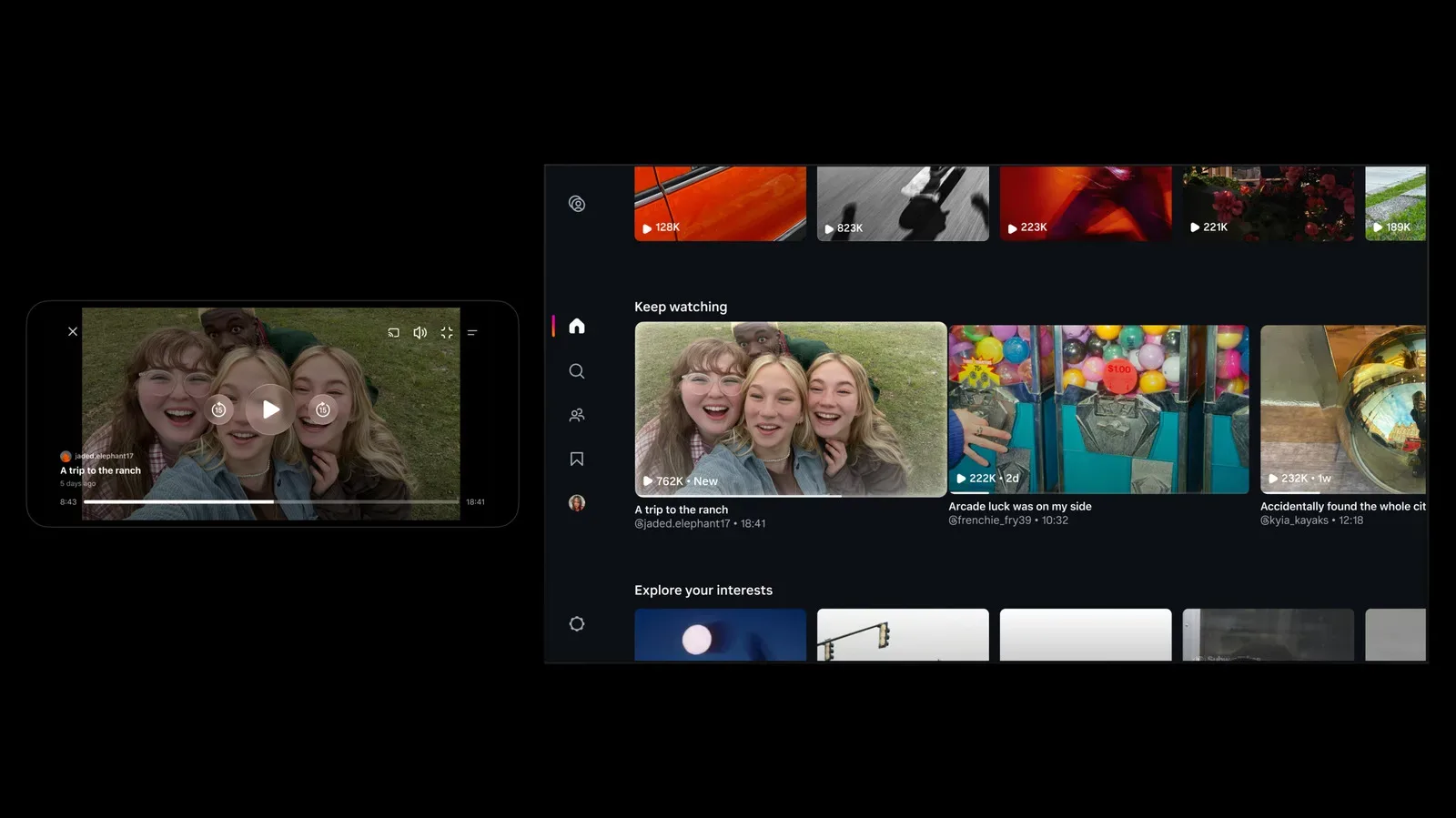
Instagram is testing a substantially longer kind of video: a horizontal format called Features, which can run for as long as 90 minutes. The immediate target is a limited group of comedians and podcasters with individual arrangements with Meta, rather than a broad publishing tool anyone can use.
That limitation matters. This is an experiment, not a platform-wide change to Instagram’s familiar feed of short clips, photos and Stories. But the direction is clear: Instagram wants to turn a quick encounter with a Reel into a reason to settle in for a full podcast episode or comedy special on a television.
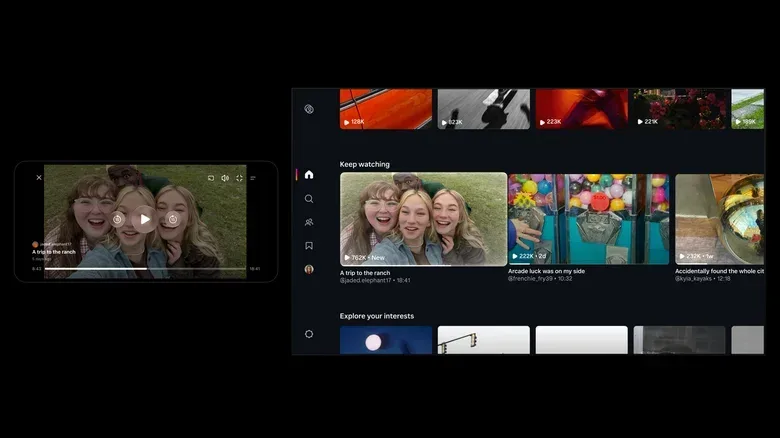
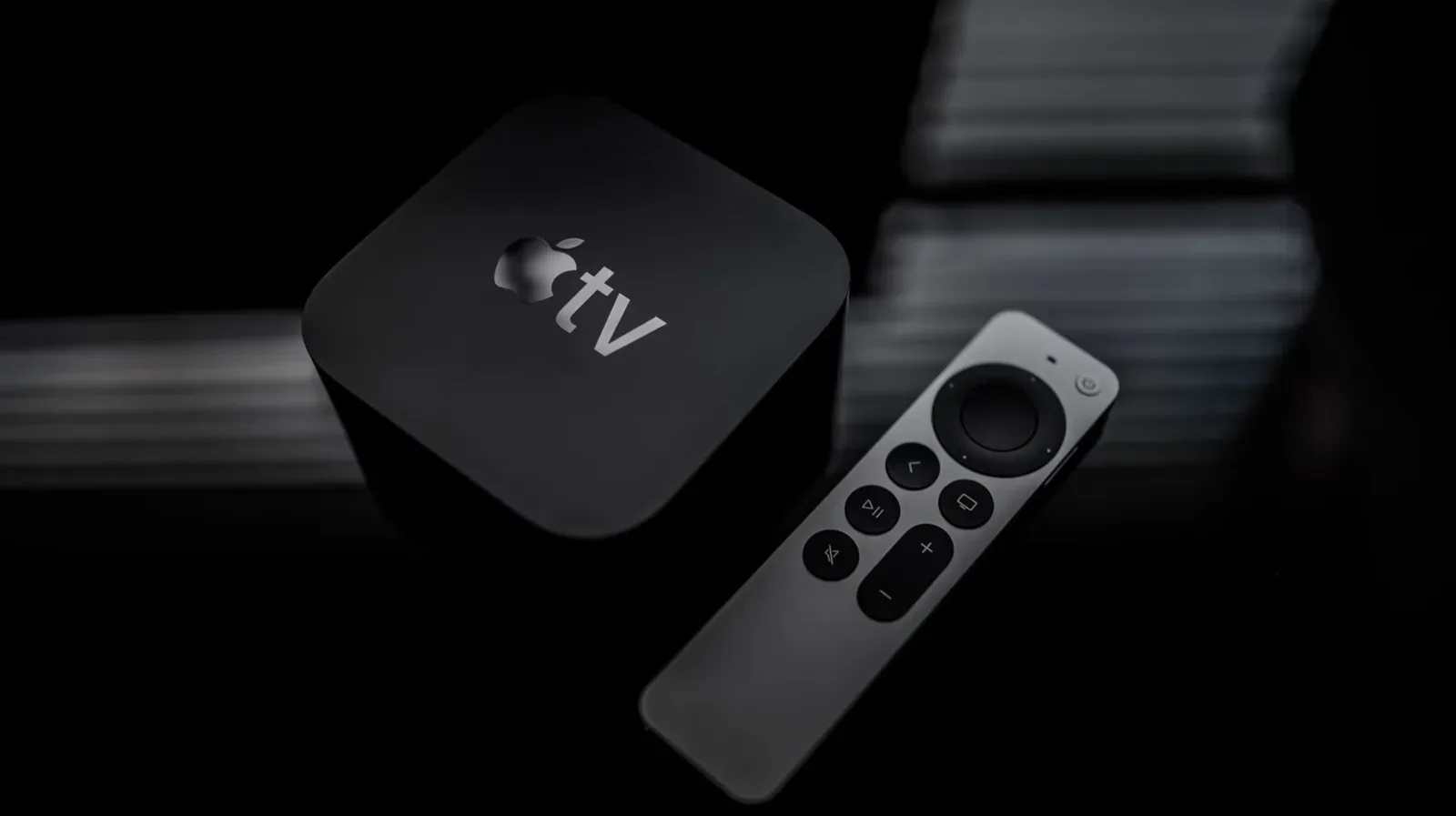
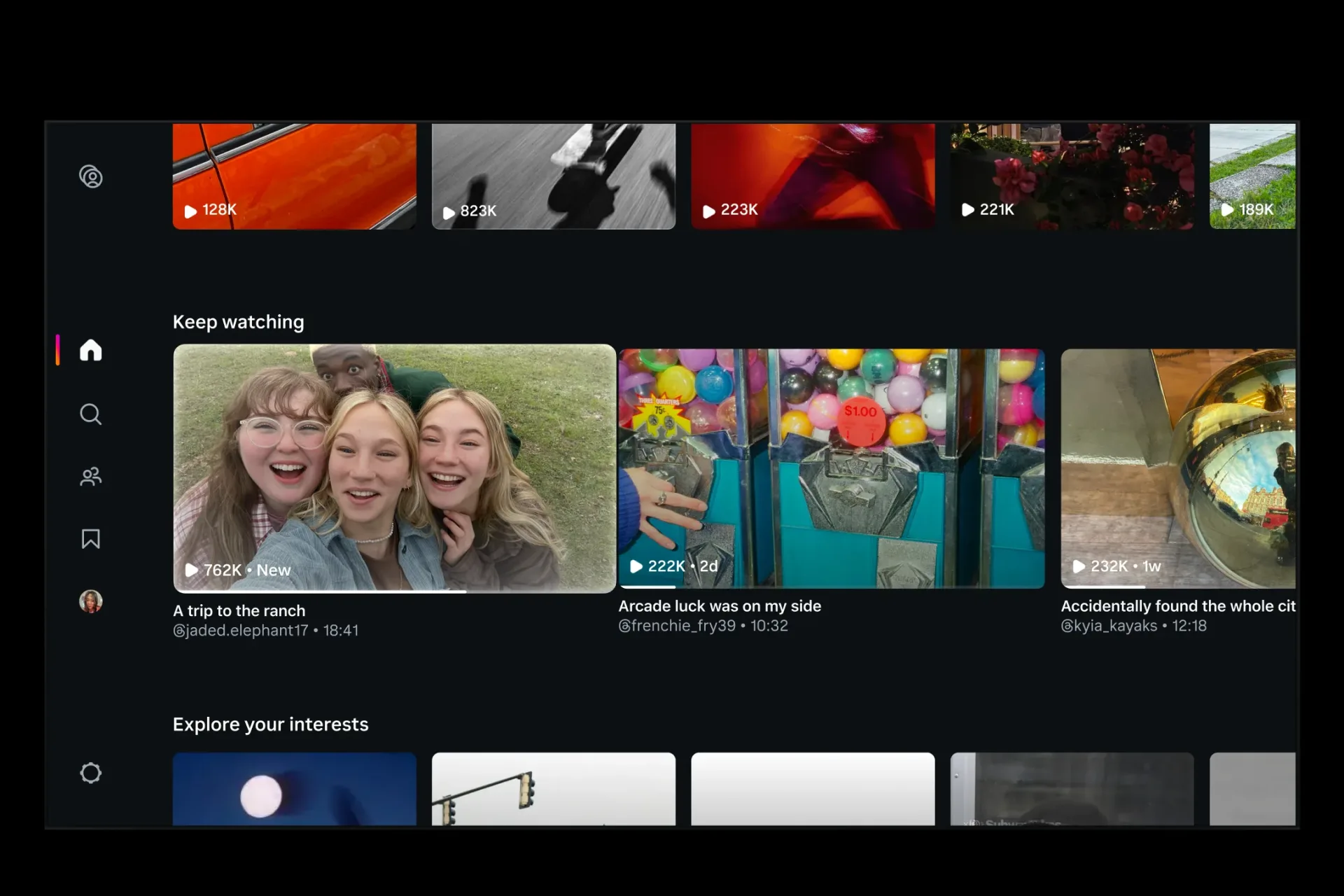
The longer videos can be watched in Instagram itself, but they are also designed to give the company’s dedicated TV applications a bigger job. Instagram already has a Fire TV app built around Reels, and its TV presence also covers Samsung and Google TV devices. An Apple TV app is being added to that group. Those apps are expanding beyond their original short-video focus to include Stories and live streams, while episodic short-form content will be available there too.
For viewers, the pitch is simple: a feed is useful for discovery, while the TV is better suited to longer, lean-back viewing. For Instagram, the harder task is making those two habits reinforce each other instead of competing.
A 90-minute test, not an open upload category
“Long-form” can mean many things, so the 90-minute ceiling is the essential detail here. Instagram is not merely stretching a short clip by a few minutes. Features is being framed for formats that conventionally need room to develop, particularly podcasts and stand-up or other comedy programming.
The videos are horizontal, meaning they use the wide landscape presentation associated with televisions and conventional video players rather than the full-screen vertical layout common to mobile-first short video. That is a practical choice as much as an aesthetic one. A horizontal podcast recording with multiple speakers, or a filmed comedy performance, generally makes more sense on a large landscape display than in a vertical feed.
Access is initially narrow. Only select creators who have made separate agreements with Meta can create this type of long video. That means audiences should not assume that every account can publish a 90-minute Feature, or that a new upload setting has arrived in the ordinary Instagram composer. Meta is testing the concept with a specific creator group first.
The creator focus also reveals what the company appears to be trying to solve. Podcasts and comedy can produce short moments that travel well as clips: a punchline, an argument, a surprising admission or a concise explanation. But those clips can also be trailers for a longer program. Instagram is looking to own more of that path, from the initial discovery moment to the full viewing session.
Why short clips are central to the long-video plan
Instagram chief Adam Mosseri has acknowledged the major risk: longer viewing could cannibalize engagement with short-form video. In platform terms, cannibalization means a new format may take attention away from an existing format rather than create new attention overall. If people spend their viewing time on 90-minute programs instead of Reels, the change may not automatically be a win.
Mosseri’s stated hope is that the formats will be symbiotic. In other words, short and long videos would support each other. A viewer could see a brief segment from a podcast or comedy special in Reels, decide the clip is worth more of their time, and move to the complete episode on a TV app.
That is an important distinction from simply adding more duration to the feed. The company’s model appears to rely on a funnel:
- A creator posts a compelling short segment.
- People encounter it through the discovery mechanics they already use.
- The segment points them toward related or complete programming.
- The longer session happens in an environment suited to television viewing.
Whether that flow works is not guaranteed. A viewer who likes an isolated clip may not want a full episode, while moving someone from a phone to a television introduces friction. They have to be interested enough to change devices and give the content a much larger share of their time. The value of the test will be in learning whether Instagram’s short-form discovery system can consistently generate that kind of intent.
Still, the strategy has a logic that goes beyond raw runtime. Short video is efficient at exposing people to creators they do not already follow. Longer programming can give creators more space to sustain a topic, performance or conversation. The company is betting that those are complementary strengths, not mutually exclusive ones.
TV apps are becoming more than a Reels screen
Instagram has been laying groundwork for this shift through its television apps. Its Fire TV app arrived with a Reels-focused experience. The upcoming Apple TV app joins existing support for Samsung and Google TV devices, and the company is broadening what can be watched there.
Stories and live streams are being added to the TV apps. Stories are traditionally brief and temporary social posts, so their inclusion suggests Instagram is not treating television solely as a home for polished, lengthy productions. Live streams, meanwhile, offer a different kind of appointment viewing: audiences may tune in because something is happening in the moment rather than because they are catching up on a finished upload.
The expanded TV offering also includes Instagram’s test of series. Series lets creators connect multiple short-form videos so that audiences can more easily locate related installments from the same account. That episodic organization will be available in the television apps as well.
In practical terms, series may be the bridge between Instagram’s core behavior and the Features experiment. A creator does not need to choose only between a single 30-second Reel and a 90-minute program. They can make connected episodes for viewers who want more, while longer Features could serve audiences ready for a complete show-like experience.
The television interface will be especially important here. A phone feed can make it easy to discover a clip, but it is not always built for browsing an episode collection or choosing a long program. On a TV, viewers expect clearer organization and a more deliberate choice of what to watch next. Bringing series, live content, Stories and long-form video into the same app creates a broader library, though it also raises the challenge of making those very different formats easy to navigate.
Anyone adjusting to that living-room viewing context may also find our guide to Apple TV remote shortcuts for simpler streaming and menu navigation useful as Instagram expands onto Apple’s TV platform.
The creator and advertising opportunity
Meta’s push is also about the business case for creators. Longer programming has often been associated with more valuable advertising opportunities than a fleeting clip because it can support fuller sponsorship integrations and larger campaign packages. Meta is positioning Instagram to accommodate content that has traditionally fit more naturally on YouTube.
The company plans to help creators find brand partners when they do not already have advertiser relationships. That does not promise that every participating creator will receive a sponsor, nor does it define a universal monetization program. It does show that commercial partnerships are part of the Features plan rather than an afterthought.
For comedians, a longer upload could hold a more complete performance than a series of disconnected jokes. For podcasters, it could keep an entire conversation in one place while still letting selected moments circulate as Reels. Brands, in theory, get a format with enough time for a more developed association with a creator or program. The appeal depends on audiences actually following through to those longer videos, however. A brand partnership is most useful when the destination format has a committed audience, not merely a potentially viral teaser.
Instagram has tried this route before
This is not Meta’s first effort to compete more directly for long-form video. In 2018, Instagram launched IGTV as a separate application built around longer videos. The product did not gain significant traction and the standalone app was shut down in 2022.
That history makes the current approach notable. Rather than presenting long video only through a separate mobile destination, Instagram is combining a new long-form format with TV apps and its established short-form ecosystem. The hypothesis appears to be that a creator’s existing short videos can supply discovery, and that television can provide a more comfortable place for the extended program.
It is also a more patient framing. Mosseri has said that getting the long-video effort right will likely take time, while emphasizing a long-term commitment. That is appropriate caution for a feature that has to balance several interests at once: audience habits built around rapid scrolling, creators seeking reach and revenue, advertisers wanting effective placements, and a TV experience that has to feel purposeful rather than like a large-screen copy of a phone feed.
What to watch next
The most immediate point is that Features remains a restricted test. Viewers may encounter long-form video from the selected creators, but the supplied details do not establish a wider rollout timetable or indicate that ordinary accounts can enable the format.
The more revealing developments will be how clearly Instagram connects Reels to full programming, how series are presented on television, and whether Stories and live streams make the TV apps feel like destinations in their own right. The company is trying to connect two very different modes of use: spontaneous, clip-driven discovery and intentional, longer viewing.
Instagram’s 90-minute experiment is therefore not simply a duration increase. It is a test of whether an app identified with quick mobile moments can build a credible path to the living room without losing the short-form behavior that made those moments valuable in the first place.