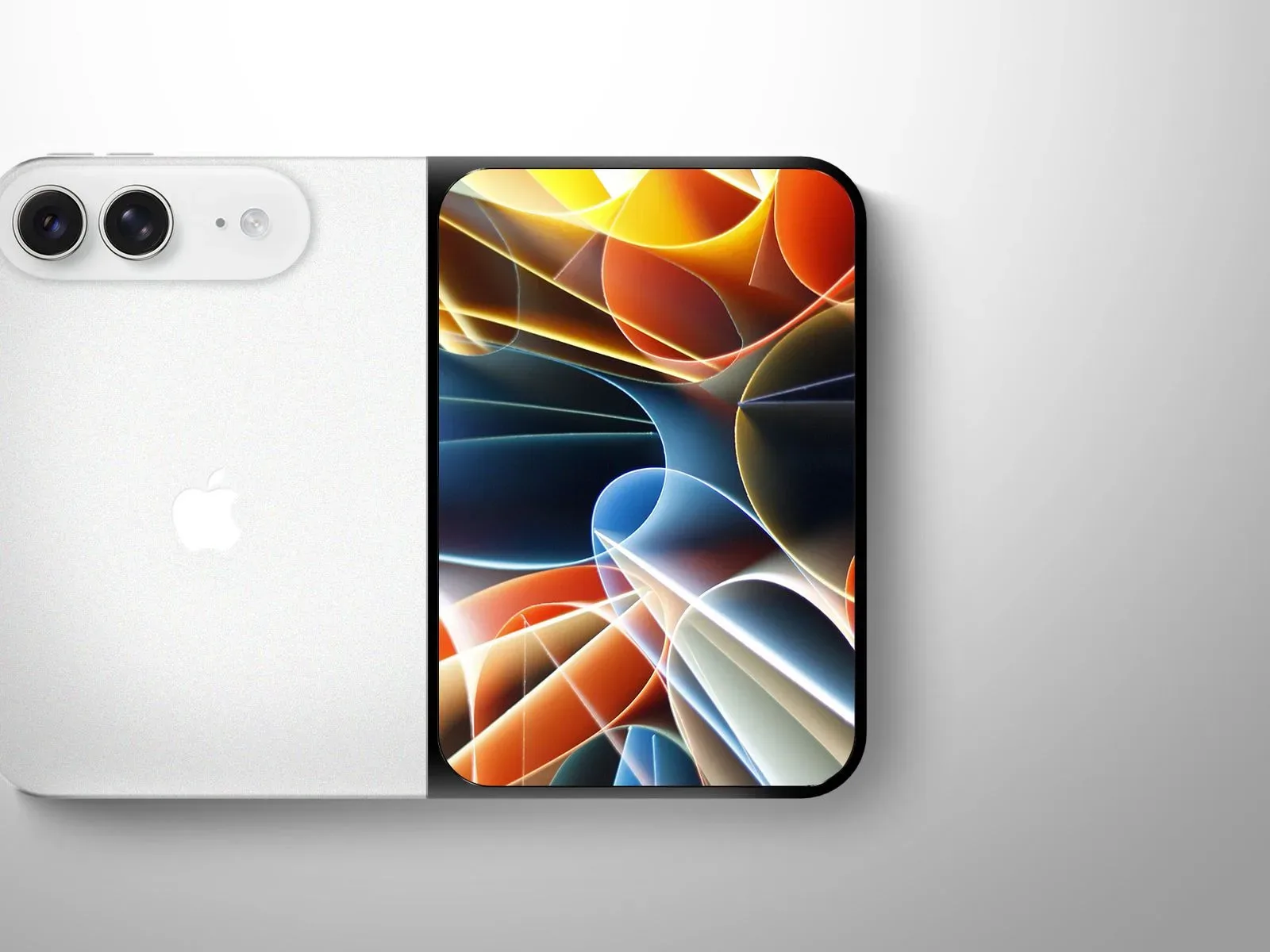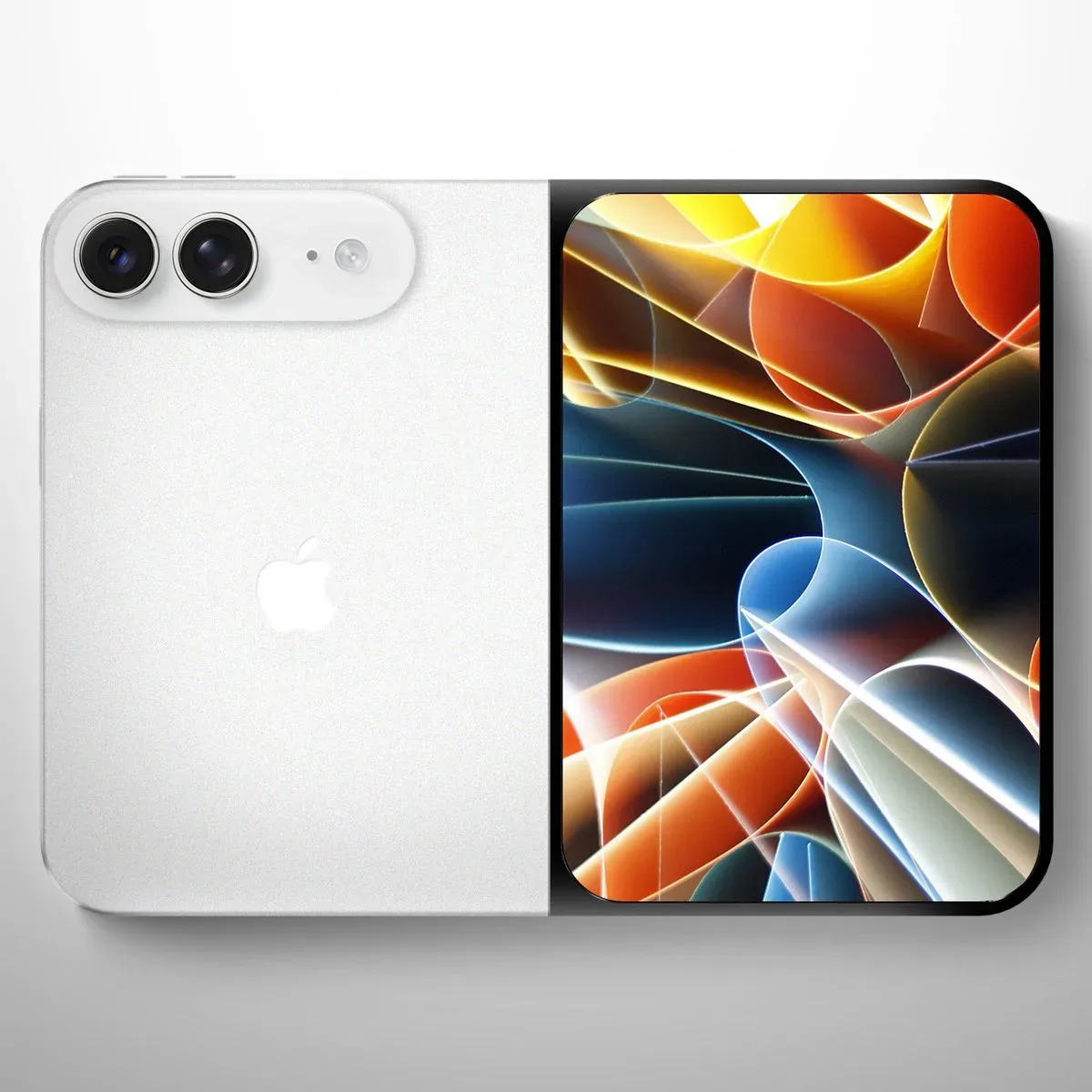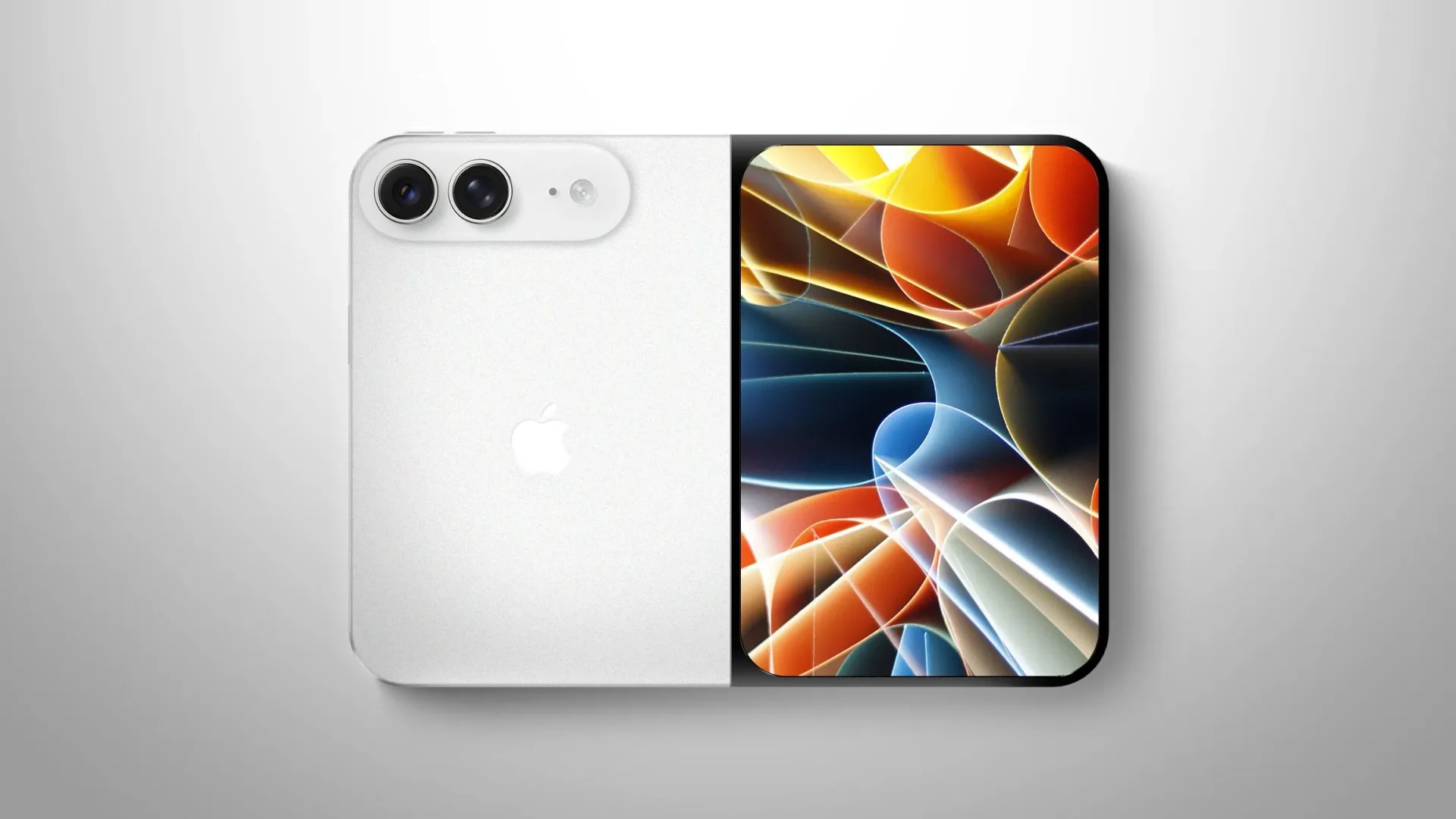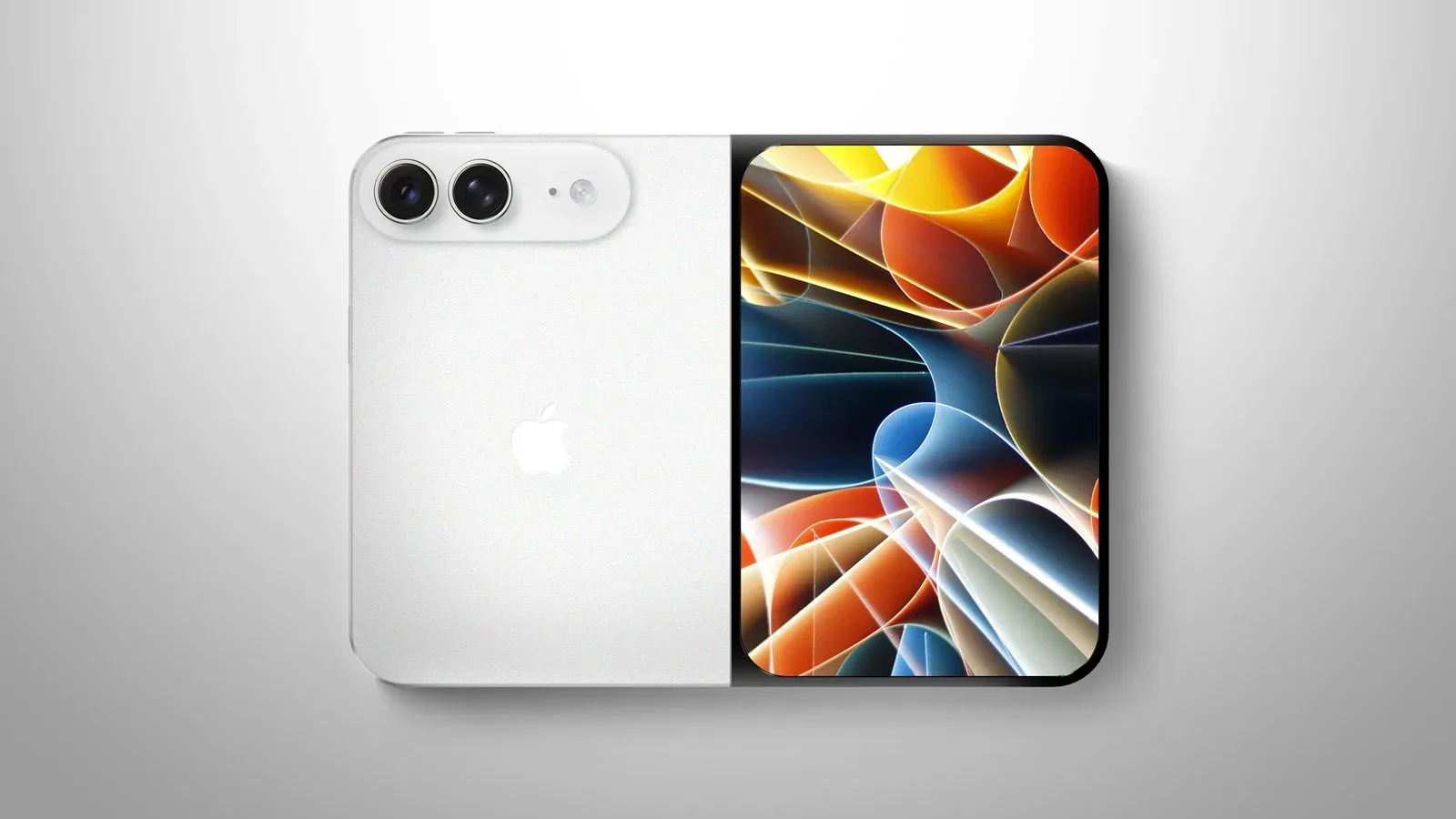
Apple’s long-rumored foldable iPhone may not reach every major market at the same time. A fresh claim from the leaker known as Instant Digital says mainland China could be among the regions waiting longer for the device sometimes referred to as the “iPhone Ultra.” The proposed reason is straightforward, if still unconfirmed: limited early inventory could force Apple to decide carefully where its first shipment goes.
That would make the foldable’s arrival less like a clean, worldwide day-one drop and more like a game launch where the opening wave lands in selected territories before the rest of the map unlocks. For a flagship phone expected to debut alongside, or very near, the iPhone 18 Pro line, a staggered regional plan would be a major detail for prospective buyers. It would also underline just how difficult a first-generation folding design can be to manufacture at scale.
None of this has been confirmed by Apple. The device’s name, specifications, release timing, initial supply, and territory-by-territory availability remain in rumor territory. But the new claim lines up with other recent reporting that has painted a complicated picture around the company’s first foldable handset.
Why a mainland China delay is being discussed
Instant Digital’s claim is centered on allocation, not cancellation. In other words, the suggestion is not that Apple would abandon a mainland China release; rather, the company could prioritize certain markets while the earliest production pool is small. Mainland China could therefore arrive later than other locations, depending on how Apple distributes the available stock.
A regional rollout is a familiar concept in consumer technology, though it can mean several very different things in practice. It may involve a short wait of days or weeks, a longer gap measured in months, or a narrower initial release that grows only once manufacturing catches up. At this point, there is no reliable timetable attached to the mainland China rumor, so readers should resist turning “later” into a precise launch window.
The key point is the distinction between announcement timing and on-sale timing. Apple could theoretically show the foldable at the same event as the iPhone 18 Pro models while shipping it later in particular countries. A shared stage does not necessarily guarantee identical pre-order dates, retail dates, or stock levels across the world.
Production rumors point to hinges and displays
The allocation claim follows reporting from Japan that said output was running at only a few hundred foldable units per day in late August. That report attributed the constrained pace to Apple’s strict quality standards, with hinge and display durability checks reportedly taking more time than expected.
Those two parts are not small footnotes. The hinge is the moving mechanism that makes a foldable phone possible, and the display must endure repeated opening and closing while still behaving like a premium touchscreen. A device can look ready for a keynote long before enough units have passed manufacturing inspection to support a broad launch. If either component becomes the bottleneck, every regional release plan becomes a logistics puzzle.
Apple is also said to have ordered around 10 million foldable units for this year. That figure is reported rather than official, and it should not be read as proof that 10 million phones will be available immediately. Orders, usable production, shipping inventory, and the stock seen by customers are related, but they are not the same thing. A company could plan for a substantial annual volume while still opening sales carefully because initial production has not reached the desired pace.
For consumers, the durability angle may be more important than the rumor mill’s daily scorecard. A foldable’s promise is portability: a compact handset that opens into a larger canvas for video, reading, browsing, multitasking, and mobile games. Yet that promise depends on a fold, hinge, and panel that hold up. Taking extra time with quality control would be frustrating for anyone waiting, but it would be easier to understand than a rushed rollout of a premium device with questionable long-term reliability.
Reports disagree on how wide the first launch may be
The mainland China claim is not the only signal that Apple’s first foldable could launch in phases. An earlier report from Australia suggested a country-by-country rollout extending across several months, with the United States initially receiving the device. Taken together, the reports create a possible scenario in which Apple announces the phone globally but manages access market by market.
That scenario should not be treated as settled fact. It is also possible for multiple rumors to be directionally similar but wrong on the details. “Limited supply” may be true without a months-long exclusivity period. A launch could begin in the United States and still reach many other markets rapidly. Or Apple could have more launch inventory by the time the product is announced, removing much of the problem altogether.
There is an instructive precedent in Apple’s recent hardware history. The Vision Pro did not arrive everywhere simultaneously in 2024, instead expanding to additional territories after its initial release. A foldable iPhone, however, would be a very different kind of product with a potentially much larger audience, different carrier considerations, and far broader everyday-phone expectations. Similar rollout mechanics would not automatically mean the same cadence.
For anyone tracking the alleged iPhone Ultra, it is worth separating the pieces of the puzzle:
- Product existence: Apple has not officially announced its first foldable iPhone.
- Product branding: “iPhone Ultra” is a rumored label, not a confirmed retail name.
- Event timing: September 9 is the date currently expected for an unveiling alongside the iPhone 18 Pro models.
- Release timing: Reports differ on whether sales would start at the same time, weeks later, or on a more staggered schedule.
- Regional availability: The specific claim that mainland China may be later than other markets remains unverified.
A competing view says a major delay is unlikely
Not every report points toward a distant release. Mark Gurman has said he would be very surprised if the foldable iPhone did not arrive at the same time as the iPhone 18 Pro models or very close to them. In an interview, he described several plausible timing structures: the same launch date, a dual launch, or an arrival only weeks afterward.
He also pushed back on the notion of a late-October or November debut driven by severe delays and supply-chain trouble. That view does not directly settle the mainland China question, because a phone can launch close to the Pro models overall and still be restricted in selected countries. As of the information available here, he has not publicly addressed the specific possibility of staggered market availability.
That leaves room for both ideas to coexist. Apple could unveil its foldable on September 9, keep the broader release relatively close to the iPhone 18 Pro schedule, and nevertheless send limited stock to particular launch territories first. It is not the simplest interpretation, but it is not inherently contradictory.
What to watch for on September 9
If Apple does unveil the foldable iPhone on Wednesday, September 9, the most useful answers may come from the unglamorous part of the presentation: availability language. A specific pre-order date, shipping date, and list of supported countries would tell shoppers far more than any product beauty shot. The absence of regional information could be telling too, although it would not by itself prove that a delay is coming.
Potential buyers in mainland China should watch for local storefront listings, carrier compatibility details, and whether Apple names the region in its initial availability list. Buyers elsewhere should do the same rather than assuming a global reveal translates into local checkout access. First-wave inventory is often the real boss fight, particularly for hardware built around components that are unusually demanding to produce.
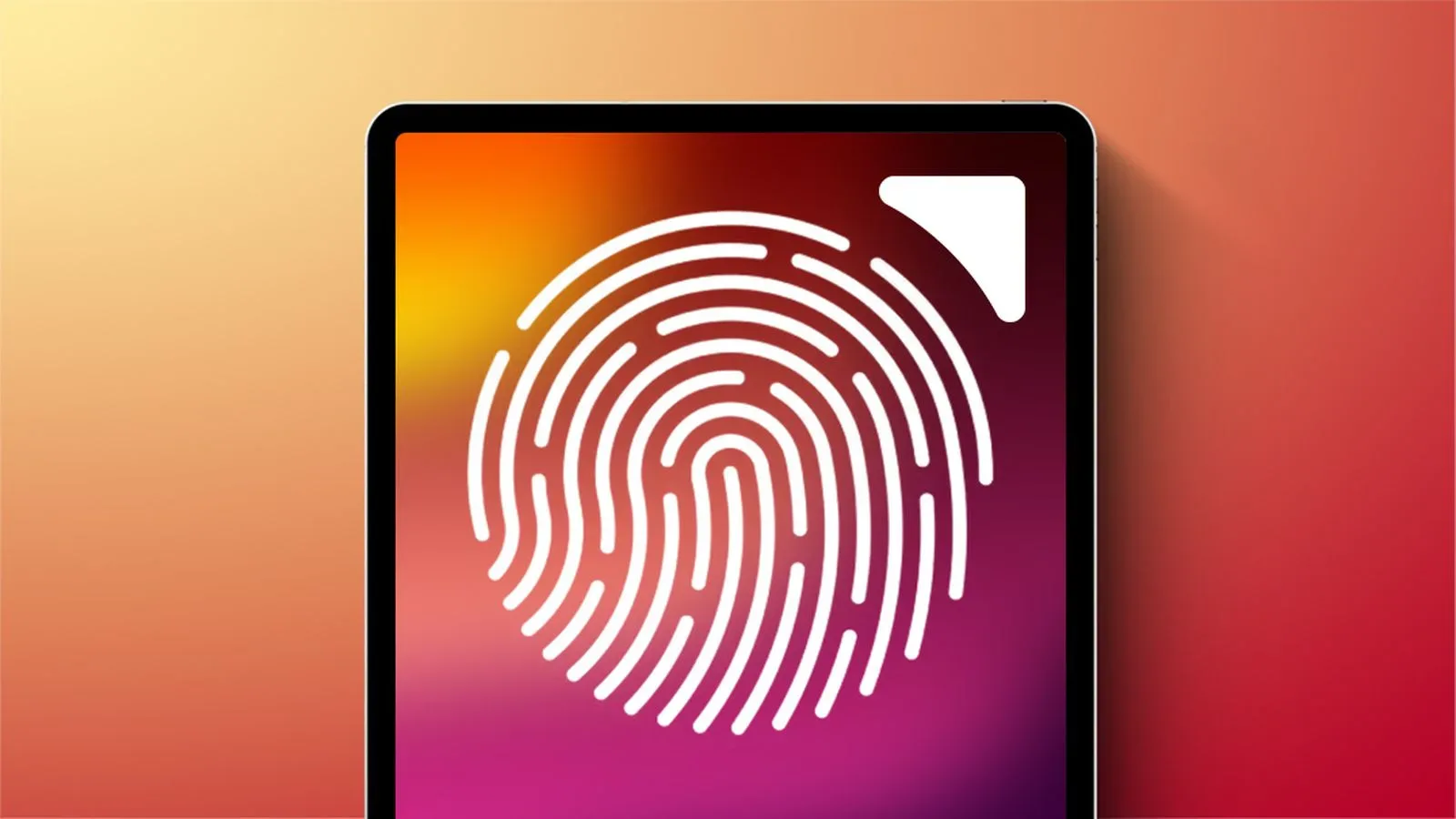
The foldable discussion also arrives alongside separate speculation around the Ultra name and possible authentication hardware. For a useful reminder of why a software reference alone cannot settle a hardware rumor, see our look at why an iOS 27 Touch ID string does not confirm an iPhone Ultra fingerprint scanner. The same caution applies here: several reports can make a possibility worth tracking, but they do not turn it into confirmation.
Until Apple speaks, the sensible reading is that constrained initial supply is plausible, a phased rollout is possible, and a later mainland China release is one specific rumor rather than an established launch plan. September 9 is expected to provide the next meaningful checkpoint—assuming the foldable appears at all.