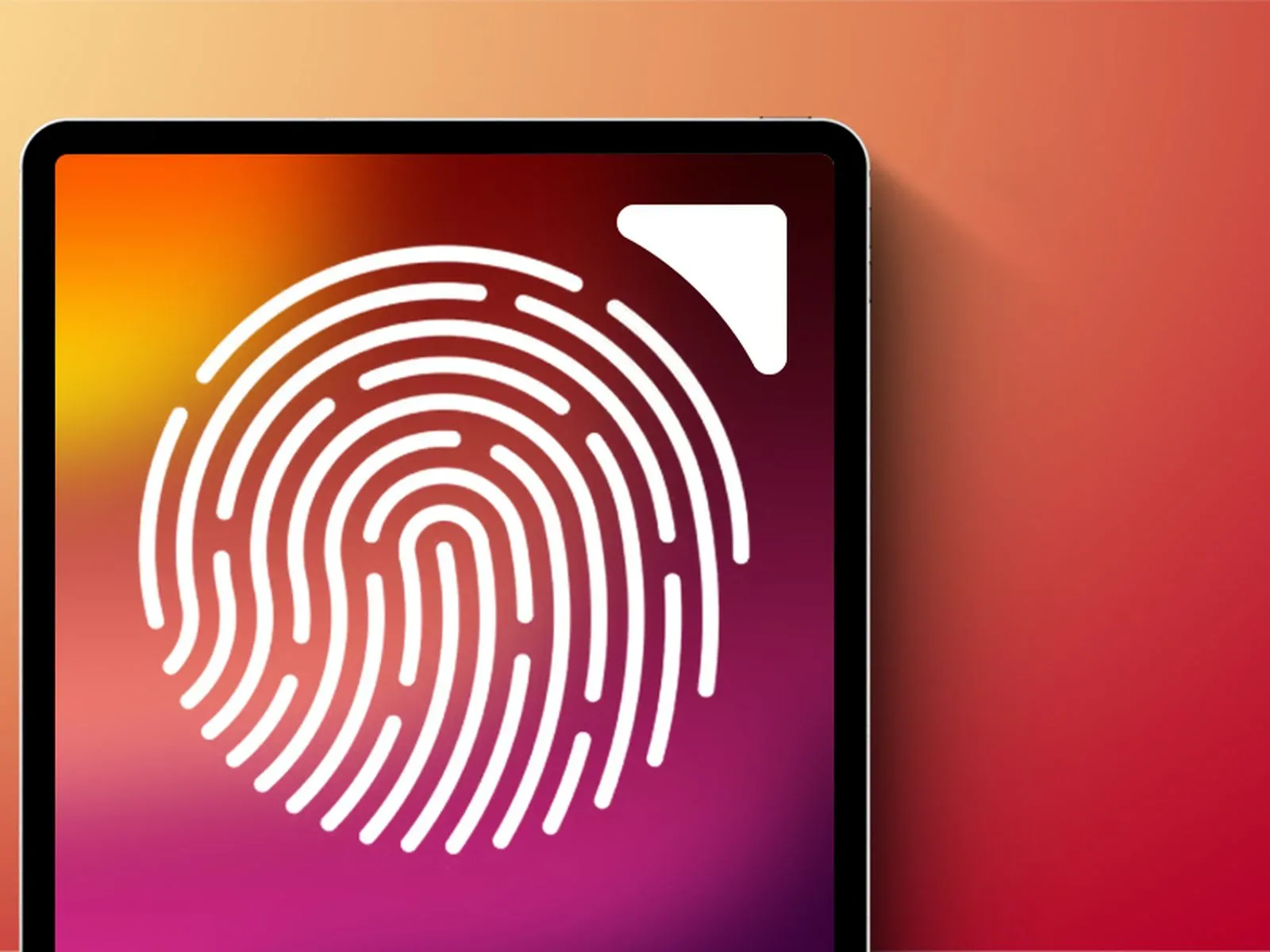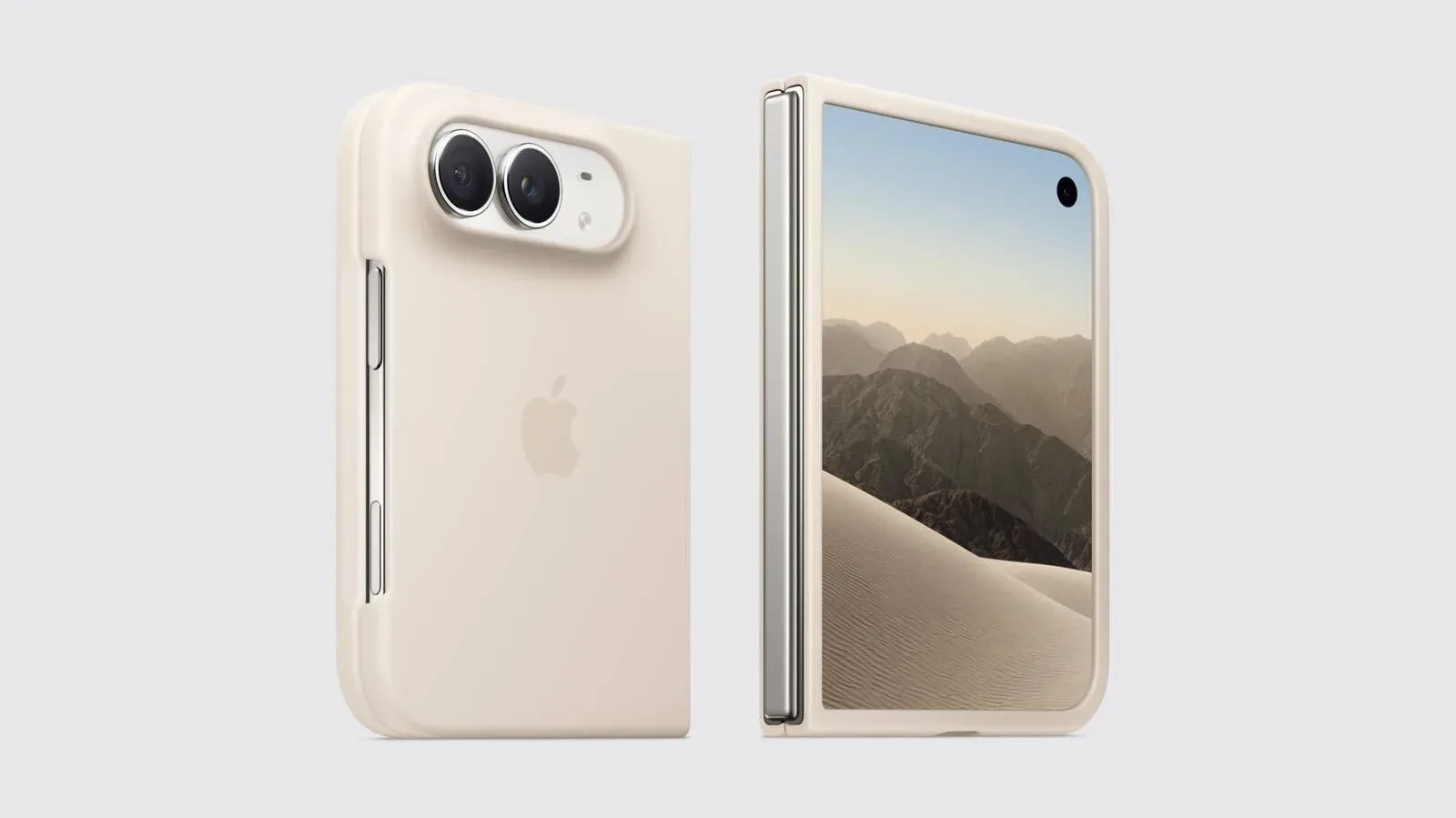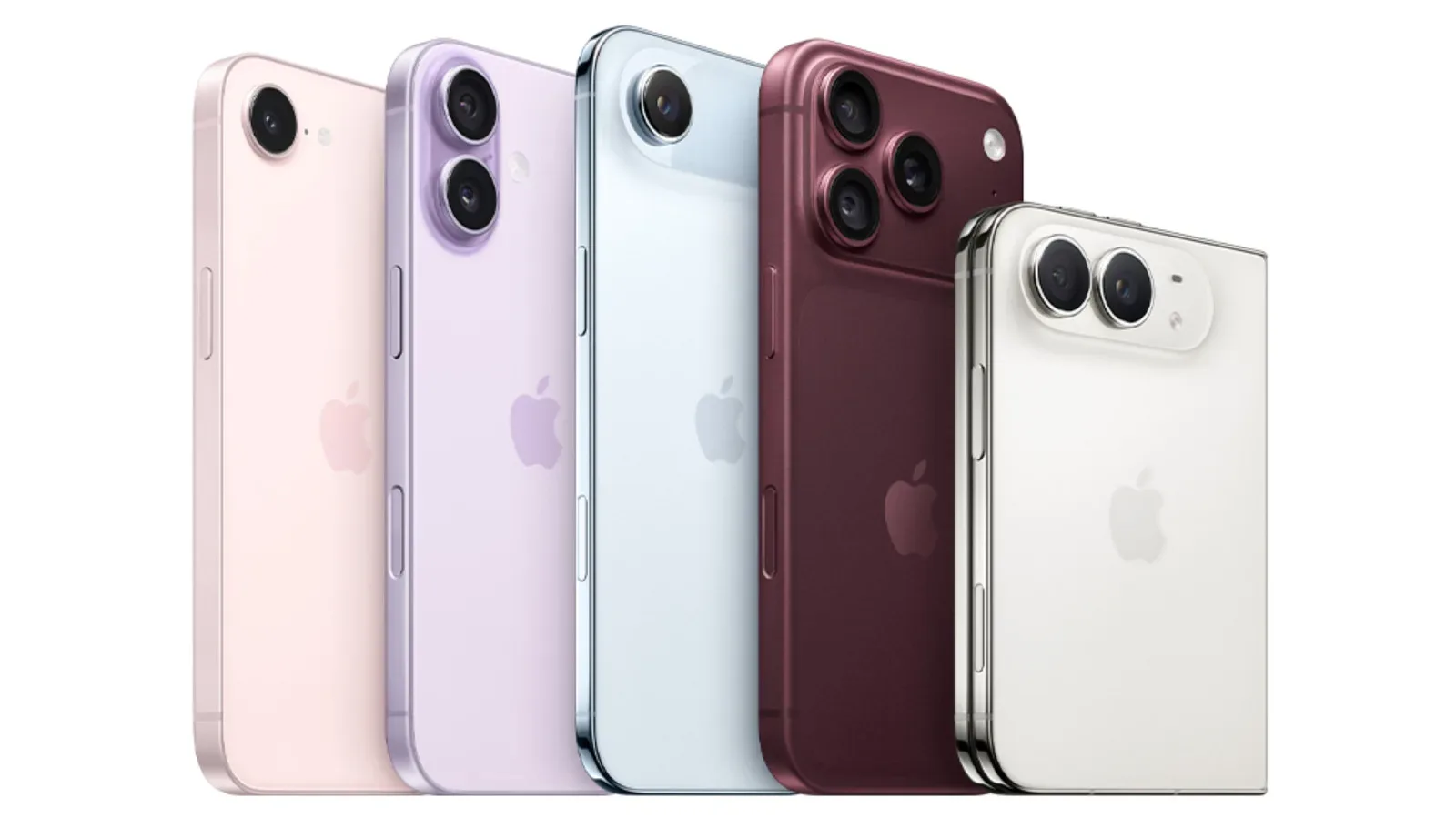
A line of beta code can be a remarkably effective rumor accelerant. Put the words iPhone, Ultra Wideband, and Touch ID in close proximity, then add a long-running expectation that a future foldable iPhone may use a fingerprint reader, and it is easy to see why the speculation machine starts doing donuts in the parking lot.
That is the position surrounding a recently noticed iOS 27 beta reference in Apple’s Car Key-related strings. The wording has been highlighted as a possible confirmation that the widely rumored iPhone Ultra will use Touch ID rather than Face ID. It is an intriguing find, but it is not confirmation. The difference matters, especially with beta software, where labels, legacy terms, broad compatibility language, and unfinished framework work can all survive without mapping cleanly to one unreleased device.
The sensible reading is less dramatic but more useful: the string is a clue worth tracking. It does not establish the final biometric hardware, product name, release plans, or even the exact device class to which it may eventually apply. Until Apple identifies a product and its specifications, the alleged iPhone Ultra and its authentication method remain unannounced.
What the iOS 27 beta reference actually connects
The discovery came from code sleuth pdfu, who pointed to Car Key strings that place an iPhone in the same text as both Ultra Wideband and Touch ID. The proposed inference rests on a recognizable pattern: every existing iPhone with an Ultra Wideband chip, beginning with the iPhone 11 generation, uses Face ID. If a string seems to tie an iPhone with Ultra Wideband to Touch ID instead, it appears to describe an exception to that current pattern.
That is why the detail has drawn attention. It is not merely a standalone mention of Touch ID, which can appear in many software contexts. The combination of terms potentially looks like an iPhone with modern proximity hardware and a different biometric approach. Car Key also makes the wording feel more device-specific than a random menu label would.
Still, a string’s proximity is not a product sheet. Software can describe multiple authentication paths, shared behaviors across device families, old naming conventions, internal test scenarios, or contingencies that never become customer-facing hardware. A beta’s language is evidence that someone accounted for a possibility in code. It is not inherently evidence that the possibility will ship, much less that it belongs to a particular rumored handset.
Why “confirmed” is doing too much work here
There are several separate claims wrapped into the idea of a confirmation:
- That Apple will release an iPhone Ultra.
- That the name “iPhone Ultra” is the final commercial name.
- That the device will be foldable.
- That it will include Ultra Wideband.
- That it will use Touch ID rather than Face ID.
- That this particular iOS 27 beta text refers to that exact product.
The code reference does not independently settle that whole stack. Even if it genuinely points to future iPhone hardware, it does not identify a model by name in the information at hand. An interpretation that leaps straight from a Touch ID-related Car Key string to a foldable iPhone Ultra’s final biometric design has skipped several checkpoints.
This is not a call to dismiss beta discoveries. They can flag features, terminology, integrations, and work that later becomes visible. They are particularly helpful when a repeated reference appears across builds or is reinforced by additional, clearly connected assets. But the right standard rises with the size of the claim. “There is a relevant string in a beta” is supportable. “A future product’s biometric system is confirmed” requires much more direct evidence.
Touch ID references can outlive the hardware they seem to describe
Apple software contains Touch ID terminology that does not necessarily correspond to a new, specific Touch ID iPhone. That makes a raw textual match especially slippery. A platform needs to handle different device capabilities, settings, services, accessories, account flows, and backward-compatible behavior. References can be generic because the software is designed to serve a broad hardware universe rather than narrate one unreleased device.
Legacy vocabulary is another complication. Old terms can linger in large codebases long after the relevant consumer hardware is gone. Recent iOS code has included references to discontinued products such as the iPod. Nobody should interpret every surviving iPod label as a fresh sign that Apple is gearing up to put a music player back in everyone’s pocket. Sometimes the string is simply old scaffolding still standing behind a newer wall.
That context weakens the claim that a Touch ID mention, on its own or alongside other terms, proves a hardware decision. The evidence may be compatible with the expectation of Touch ID on a future foldable device. Compatible, though, is not the same as conclusive. In speculation coverage, those two words are often separated by only a few characters and a very large amount of certainty.
Car Key makes the clue interesting, not definitive
Car Key is the part of this discovery that gives it genuine reason to be watched. Digital vehicle access naturally interacts with identification, proximity, and device security. Ultra Wideband is relevant to precise nearby-device awareness, while an authentication label such as Touch ID concerns a method for verifying a user. Seeing those concepts within the same Car Key-oriented wording is more meaningful than finding “Touch ID” somewhere in a miscellaneous system file.
But even a focused feature area may need to account for more than one hardware arrangement. It could contain language intended for present and future devices, broad fallback logic, shared frameworks, or paths used in development. The text may also be reused in places beyond the phone hardware people have in mind. Without surrounding code that explicitly names a forthcoming model or directly describes its physical biometric component, there is too much room for alternate explanations.
In other words, the discovery earns a pin on the rumor board, not the giant red string connecting every theory. The board is still allowed to have red string; it just should not be mistaken for a manufacturing schedule.
Why the biometric choice would matter on a foldable phone
The ongoing expectation of Touch ID instead of Face ID is understandable because the choice would be a notable one for a hypothetical foldable iPhone. Authentication affects unlocking, payments, password access, app sign-ins, and vehicle-related actions such as those associated with Car Key. It is not a minor checkbox buried between color options and speaker grilles.
A different biometric system could also affect the physical interaction users expect from the phone. Yet the iOS 27 wording does not reveal where a reader might sit, how it would work, whether Face ID would be absent, or whether multiple biometric options could coexist. Those are product-design questions, and nothing in the limited reference answers them.
It is useful to separate what people expect from what has been demonstrated. Expectations can be grounded in recurring reporting and plausible engineering considerations. Demonstrated facts require something firmer: an official product reveal, unambiguous documentation, or evidence that clearly links a named device and a named capability. This beta finding belongs in the first column for now.
A better way to read software-rumor breadcrumbs
For anyone following operating-system betas without wanting to get launched into the speculative stratosphere, a few questions help keep the excitement calibrated:
- Is the wording specific? A named, unreleased model is stronger than a generic product-family term.
- Is the reference new? A fresh string is more interesting than a label that has been sitting quietly in software for years.
- Is there corroboration? Multiple connected references are more persuasive than a lone line.
- Could it support existing hardware or generic platform logic? If yes, the inference is weaker.
- What does it not say? Missing details often matter as much as the words that are present.
This is similar to troubleshooting any complicated consumer technology: one sign can point toward an answer without proving it. The same patience applies when sorting practical Apple interface behavior, including the many ways to perform a secondary click described in our guide to right-clicking on a MacBook. A function can have several supported routes; a single label does not always tell the entire story.
The appropriate status: plausible, watched, unconfirmed
There is no need to pretend the iOS 27 beta observation is meaningless. It aligns with the existing expectation that a future iPhone Ultra could lean on Touch ID. The Ultra Wideband connection is also why it has attracted more interest than a routine leftover reference. Those are fair reasons to keep the finding in view as future beta builds and eventual official information emerge.
At the same time, no unambiguous proof has appeared in the described code. Apple’s history of retaining generic and legacy terminology means the string cannot carry the weight assigned to it by claims of confirmation. Until more direct evidence arrives, the most accurate headline is simple: Touch ID on an iPhone Ultra remains plausible, and this iOS 27 beta wording is a suggestive clue rather than a verdict.