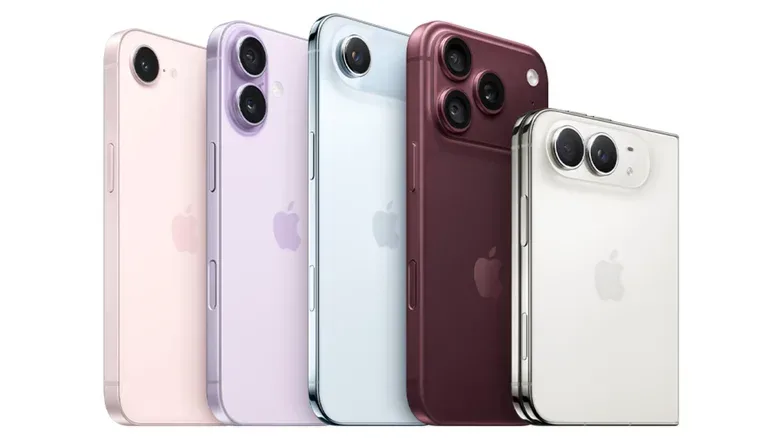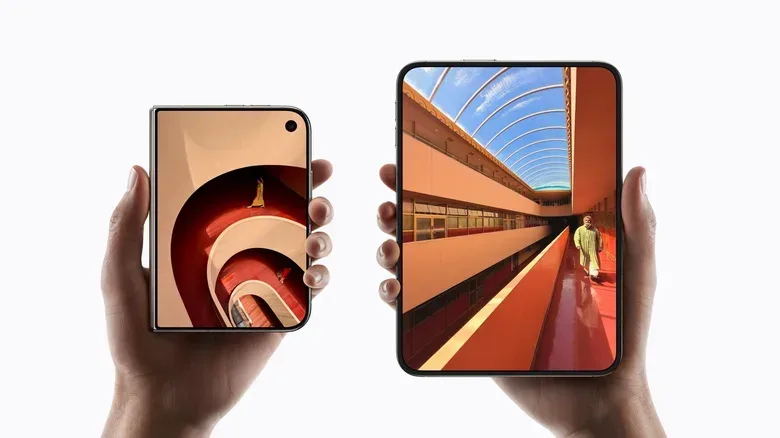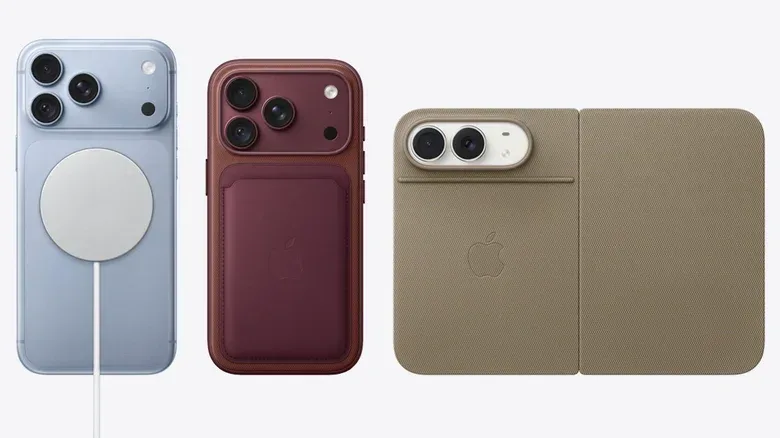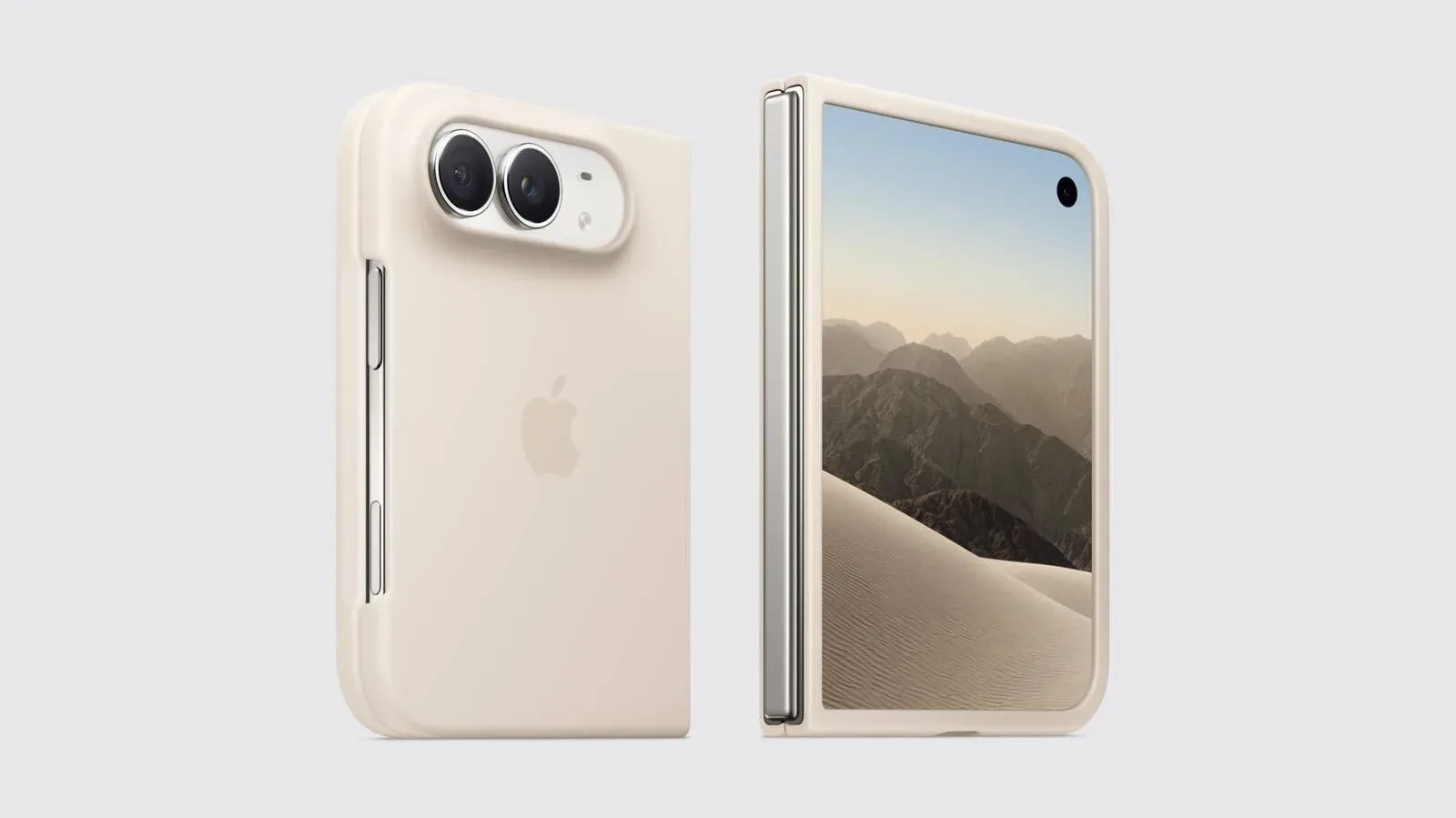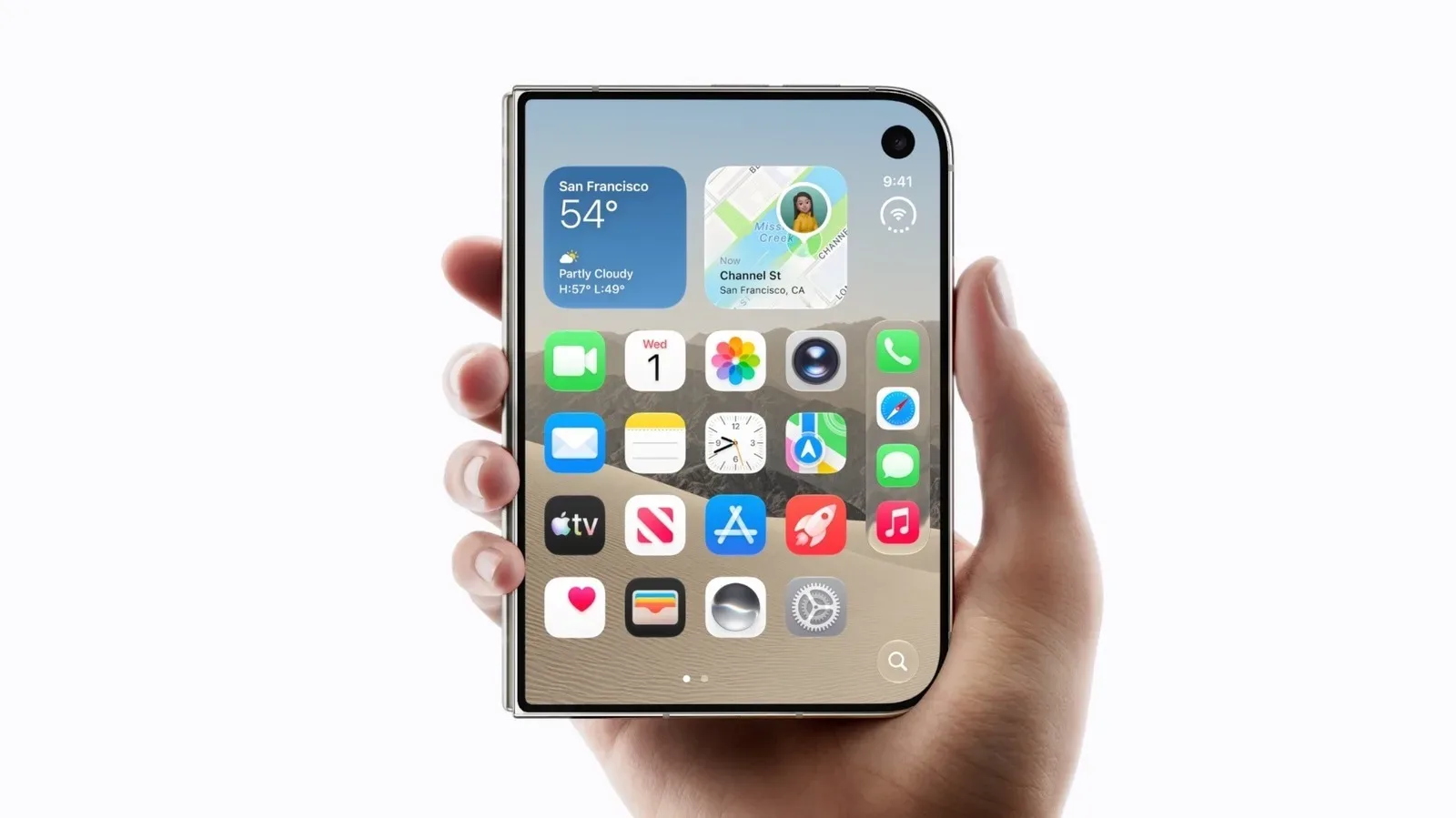
The iPhone Duo represents a different kind of flagship-phone proposition: a device built around the appeal of a large inner folding display rather than around packing in every feature available on Apple’s conventional top-tier handset. Its matte-finish interior screen and software tailored to that expanded canvas are the obvious attractions. For games, video, reading, browsing and other screen-hungry tasks, the basic premise is easy to understand: unfold the phone and gain room.
But the Duo’s design also makes a clear point about foldables that prospective buyers should consider before treating a bigger screen as an automatic upgrade. Folding hardware means engineering around limited internal space, moving parts and a thinner profile. In this case, the resulting compromises extend beyond durability relative to the iPhone 18 Pro. Apple’s foldable omits Face ID, the Camera Control button, a range of higher-end imaging hardware and software capabilities, and true multi-window multitasking.
None of those omissions necessarily ruins the product. A person who mainly wants a portable screen for entertainment, social apps and occasional photos may find that the foldable format outweighs them. Yet someone accustomed to fast facial authentication, serious mobile photography or productivity workflows should look at the differences as central to the buying decision—not as a minor specification footnote. With a starting price of at least $2,000, the Duo is not a device where it makes sense to assume an unfamiliar compromise will stop mattering after a few days.
Face ID gives way to a fingerprint reader
The most immediately noticeable change for owners of recent iPhones may be the lack of a Face ID array. The Duo uses Touch ID in its power button, so authentication depends on a fingerprint or a password rather than facial recognition.
Face ID is Apple’s facial-authentication system. On compatible iPhones, it can be used to unlock the phone, approve purchases and sign into apps. Its absence on the Duo therefore affects more than the lock screen; it alters small repeated interactions throughout the day. Users who are accustomed to simply looking toward their phone may have to consciously place a finger on the power button instead.
That is not automatically a regression for every owner. Touch ID has dedicated supporters, including people who prefer a physical point of contact or find fingerprint authentication more dependable for their own routines. The power-button placement also follows an approach seen on foldables from Samsung and other vendors. In practical terms, though, buyers should recognize that the Duo asks them to choose a method rather than offering Face ID alongside it.
There is a possible benefit to that clarity: it is easy to test whether this will bother you. Think about every moment you use face authentication on a current device—opening banking or shopping apps, paying, checking notifications, and unlocking the phone one-handed. If reaching for the side button feels natural, the change may be easy to accommodate. If Face ID is woven into how you use an iPhone, it is one of the Duo’s biggest functional losses.
No Camera Control button—and a narrower creative pitch
The iPhone Duo also leaves out the Camera Control button available on other iPhones. That side-mounted control combines a two-stage shutter action with capacitive input for adjusting camera settings. A two-stage shutter is a button that can distinguish a partial press from a full press, while a capacitive control detects touch rather than relying only on mechanical movement. Together, those functions are intended to make it quicker to manage certain shooting actions from the phone’s exterior.
Its absence is likely to be divisive rather than universally disappointing. Not every iPhone owner has embraced the control; novel input hardware can be useful in principle while feeling awkward in daily use. People who never integrated it into their camera habits may barely notice it is gone. But users who rely on it for shooting will lose a dedicated physical route into the camera experience.
More importantly, the omission makes greater sense when viewed alongside the Duo’s camera limitations and lack of true multi-window multitasking. The foldable’s larger inner display makes it look ideal for doing more, whether that means consuming media, reviewing photos or trying to keep multiple tasks visible. Yet a large screen alone does not create a desktop-like workflow. True multi-window multitasking means using distinct app windows at the same time rather than simply switching apps or relying on more limited split-screen behavior. Without it, the Duo’s expanded canvas is not the same as a full multi-window productivity environment.
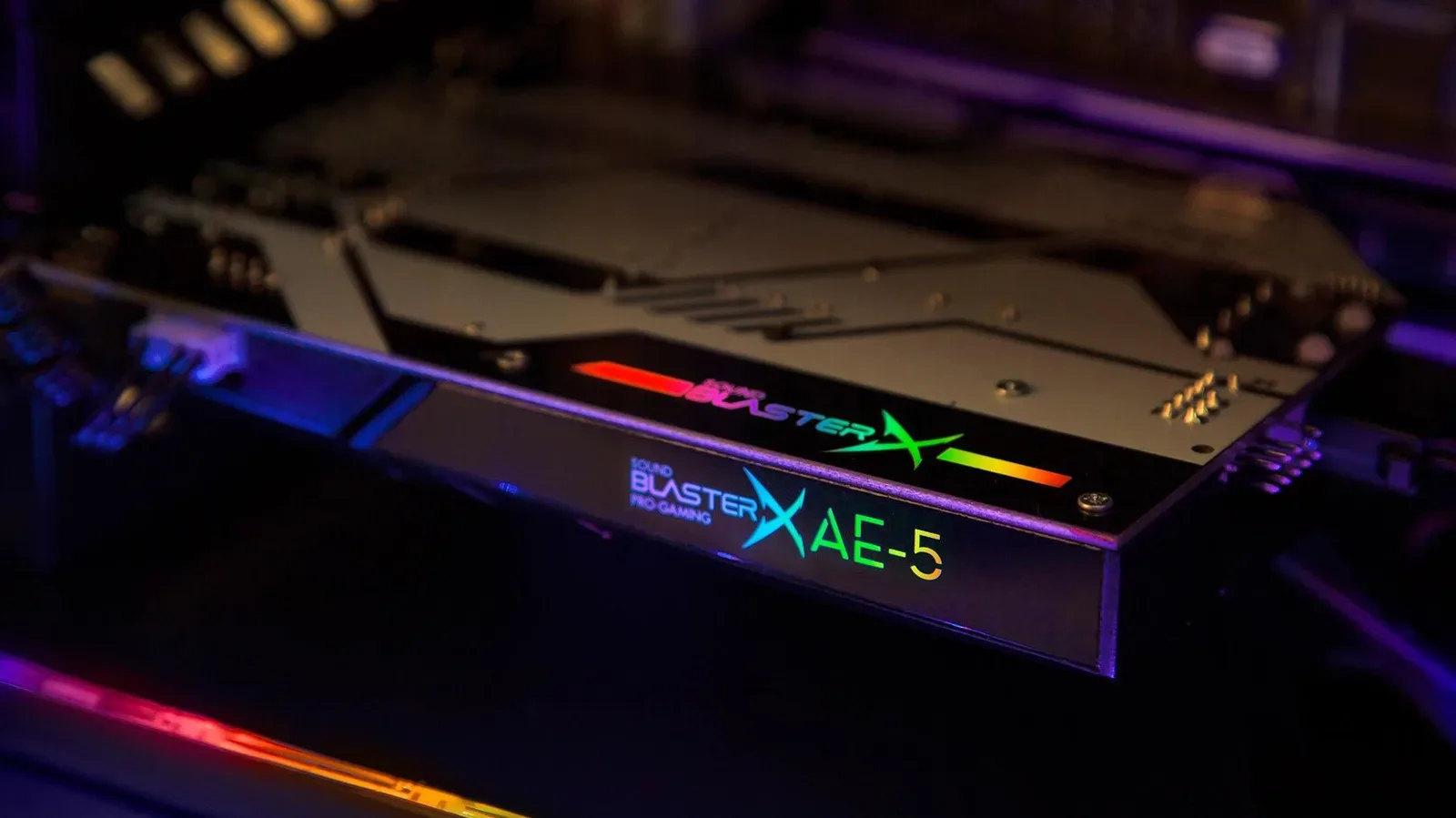
That does not make the display unhelpful. A larger screen can still be valuable for games with detailed interfaces, video, web pages and messaging. It simply suggests a product aimed more squarely at viewing and interacting with content than at replacing a specialist creative tool. The same distinction applies when evaluating other technology purchases: an exciting headline feature is often less important than the controls and workflow tools used every day. For another example of looking past the spec-sheet headline, see whether a PC sound card is necessary when a motherboard already handles audio.
The rear cameras lack the iPhone 18 Pro’s reach and hardware
The Duo has three separate camera arrangements overall: a rear pair, a front-display selfie camera in the Dynamic Island, and an under-display camera on the inner folding screen that Apple calls a FaceTime camera. The fact that there are several cameras should not obscure the important comparison: the Duo does not match the iPhone 18 Pro’s imaging package.
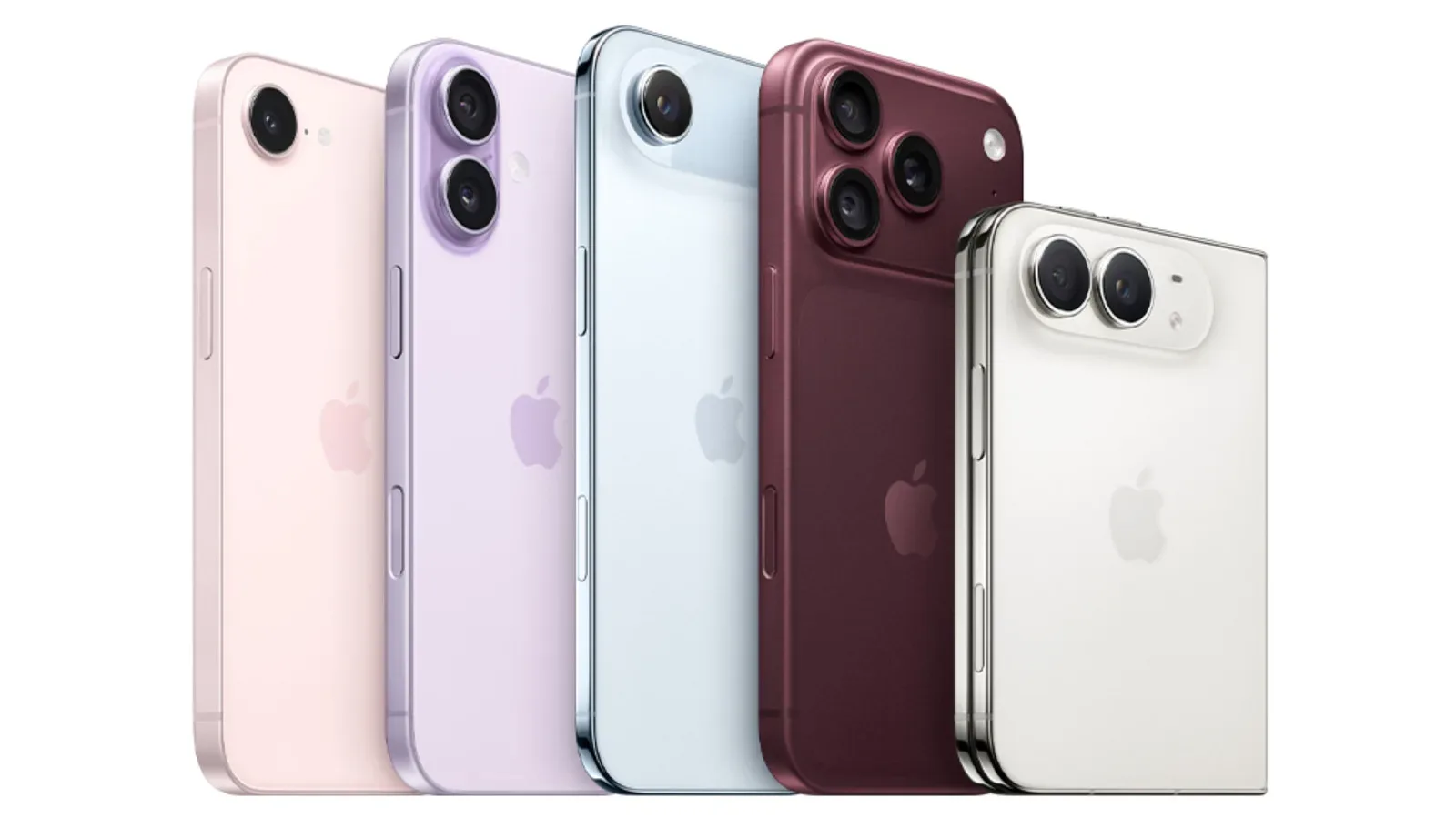
On the back, the Duo includes 48-megapixel wide and ultrawide modules. The wide camera generally serves as the standard everyday lens, while an ultrawide captures a broader field of view. What is missing is the Pro model’s periscope telephoto lens. A periscope telephoto lens uses a folded optical path inside the phone to enable more optical zoom reach than a conventional camera module can usually manage in the same thickness. Its omission will matter most to people who often photograph faraway subjects and want tighter framing without leaning as heavily on digital cropping.
The Duo also lacks the iPhone 18 Pro’s mechanical aperture and LiDAR scanner. An aperture is the opening that regulates the light entering a camera lens; a mechanical aperture can physically vary that opening. LiDAR, short for Light Detection and Ranging, uses light-based distance measurements and is included here for improved nighttime photography. These are not features every casual photographer will miss, but together with the missing telephoto module they establish a meaningful ceiling on what the Duo’s rear cameras can do compared with the Pro handset.
The front display’s selfie camera is another step down on paper: 12 megapixels rather than 18 megapixels on the iPhone 18 Pro. Megapixel count is only one part of image quality, so it should not be read as a complete prediction of results. Still, it is a stated difference in resolution, and it joins the absent Face ID system in making the cover-display camera area less capable than the Pro model’s equivalent setup.
Pro camera formats and controls are not part of the package
The gap is not only about lenses and sensors. Apple’s Pro Controls, available on the iPhone 18 Pro, are absent from the Duo. Those controls allow adjustments including shutter speed and aperture. Shutter speed is the duration for which the camera gathers light. It can influence how motion and low-light shooting are handled, which is why direct control is useful to photographers who need more deliberate results.
The Duo also does not support ProRAW, spatial photo or spatial video. ProRAW is a photography format intended to retain more information for professional editing software. Spatial photos and video are relevant to owners of a Vision Pro headset, while being less consequential for everyone else. Buyers who edit photos seriously or who have invested in that headset ecosystem should treat these missing modes as practical limitations, not merely niche names on a comparison chart.
Conversely, people taking snapshots for personal archives and social platforms may find the Duo’s wide and ultrawide cameras sufficient. The useful question is not whether a particular feature sounds impressive; it is whether it corresponds to photos and videos you actually make. Travel shooters may value telephoto reach. Night shooters may care about LiDAR-assisted results. Editors may want ProRAW. Someone who mostly captures friends, pets and everyday scenes may reasonably place more value on the foldable display.
The inner FaceTime camera prioritizes an uninterrupted screen
Apple’s inner-display camera is placed beneath the folding screen, avoiding a visible hole-punch cutout. That enables a more continuous image across the interior display, which is a natural fit for a device whose chief attraction is a large uninterrupted canvas.
There is a longstanding trade-off inherent to under-display camera technology: the display pixels sit between the subject and the camera lens. That can compromise image quality. Apple has not specified the camera’s megapixel count, and labels it a FaceTime camera rather than a selfie camera. Those details point toward a more limited role focused on video calls rather than being the Duo’s best option for self-portraits.
For a quick call, an uninterrupted inner display may be a sensible exchange. For frequent video meetings, front-facing photography or content creation, it deserves closer attention. The Duo still has the 12-megapixel camera on its outer display for conventional selfies, but prospective owners should not assume the concealed inner camera delivers the same kind of quality simply because it is technically more novel.
Who should consider the trade-offs carefully?
The iPhone Duo makes the most sense for buyers who place an unusually high value on its folding display and can accept a focused, rather than fully maximal, feature set. It can be compelling for media consumption and for people who want a larger screen while retaining a phone-sized device when folded. The matte interior panel and redesigned software are the heart of that appeal.
- Face ID devotees: expect a real adjustment to Touch ID in the power button and password authentication.
- Mobile photographers: consider the missing periscope telephoto lens, mechanical aperture, LiDAR, Pro Controls and ProRAW before choosing the Duo over the iPhone 18 Pro.
- Vision Pro owners: note the absence of spatial photo and video support.
- Productivity-focused users: do not equate the inner display’s physical size with true multi-window multitasking.
- Casual users: may decide that these losses are acceptable if the folding display is the priority.
The important takeaway is not that the Duo is inherently lesser than a conventional iPhone. It is optimized differently. Its larger folding screen is a substantial capability, but it is purchased with specific sacrifices in authentication, photography and multitasking. The best choice depends on whether that new form factor changes what you do enough to outweigh the features you would be leaving behind.