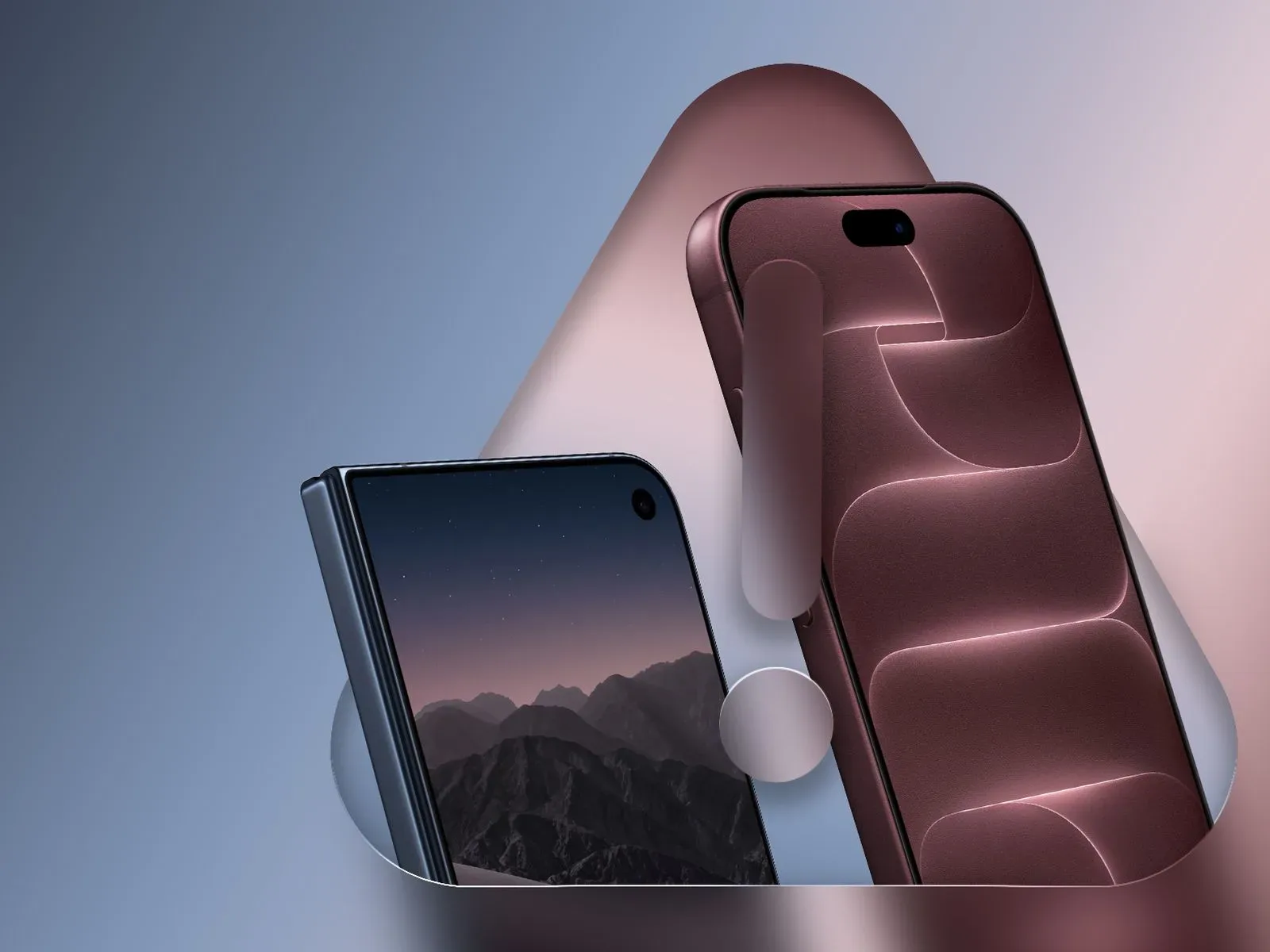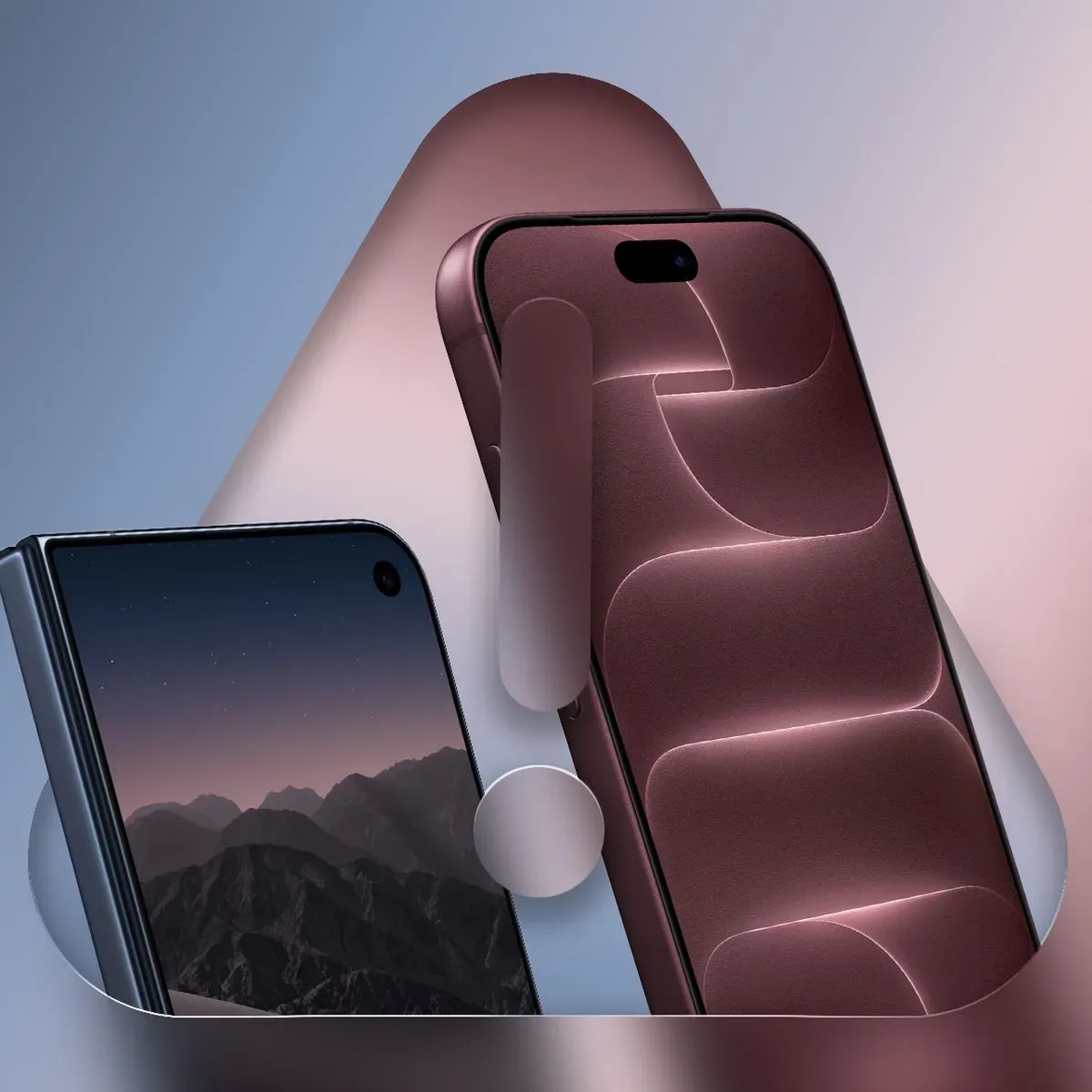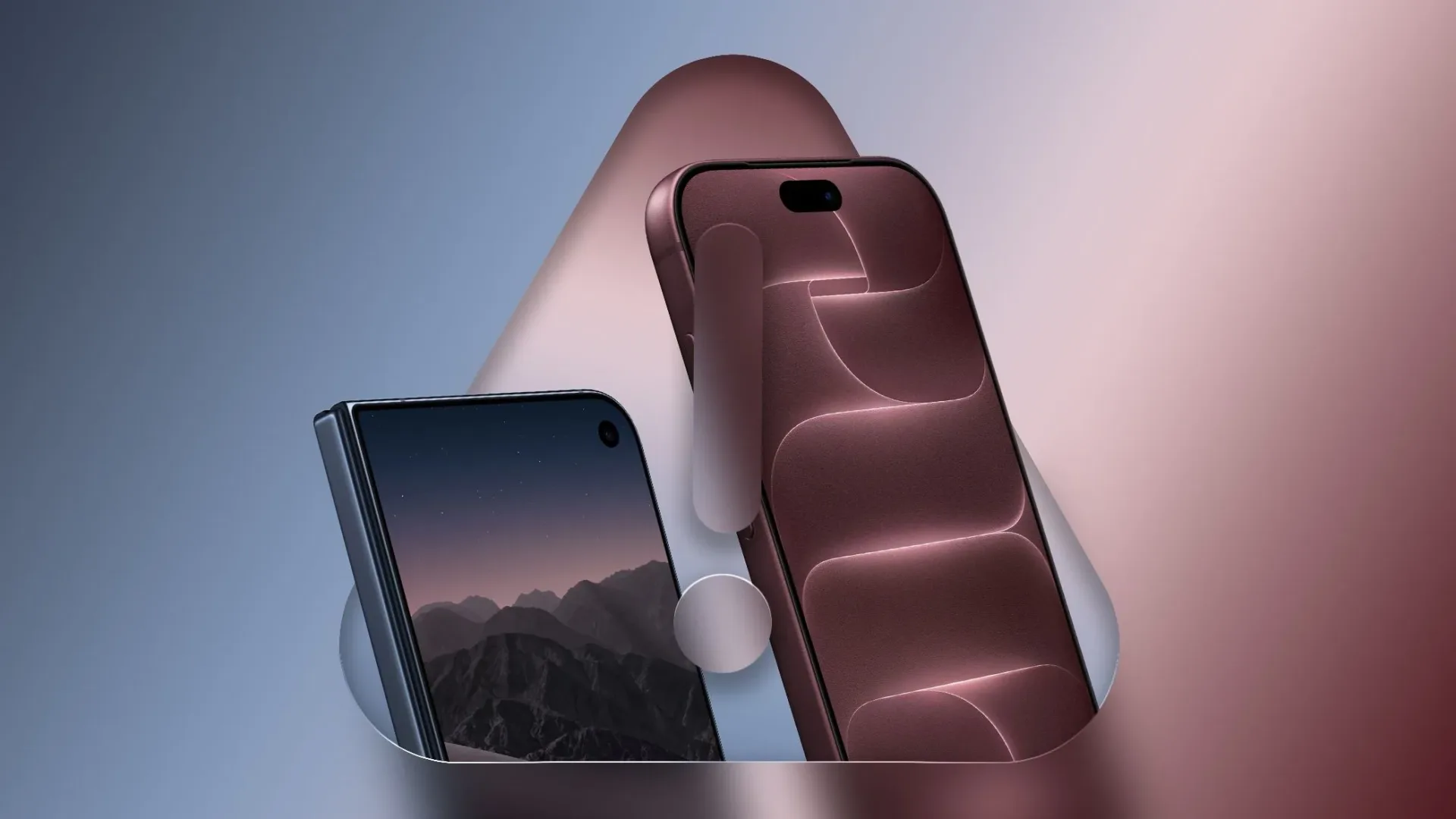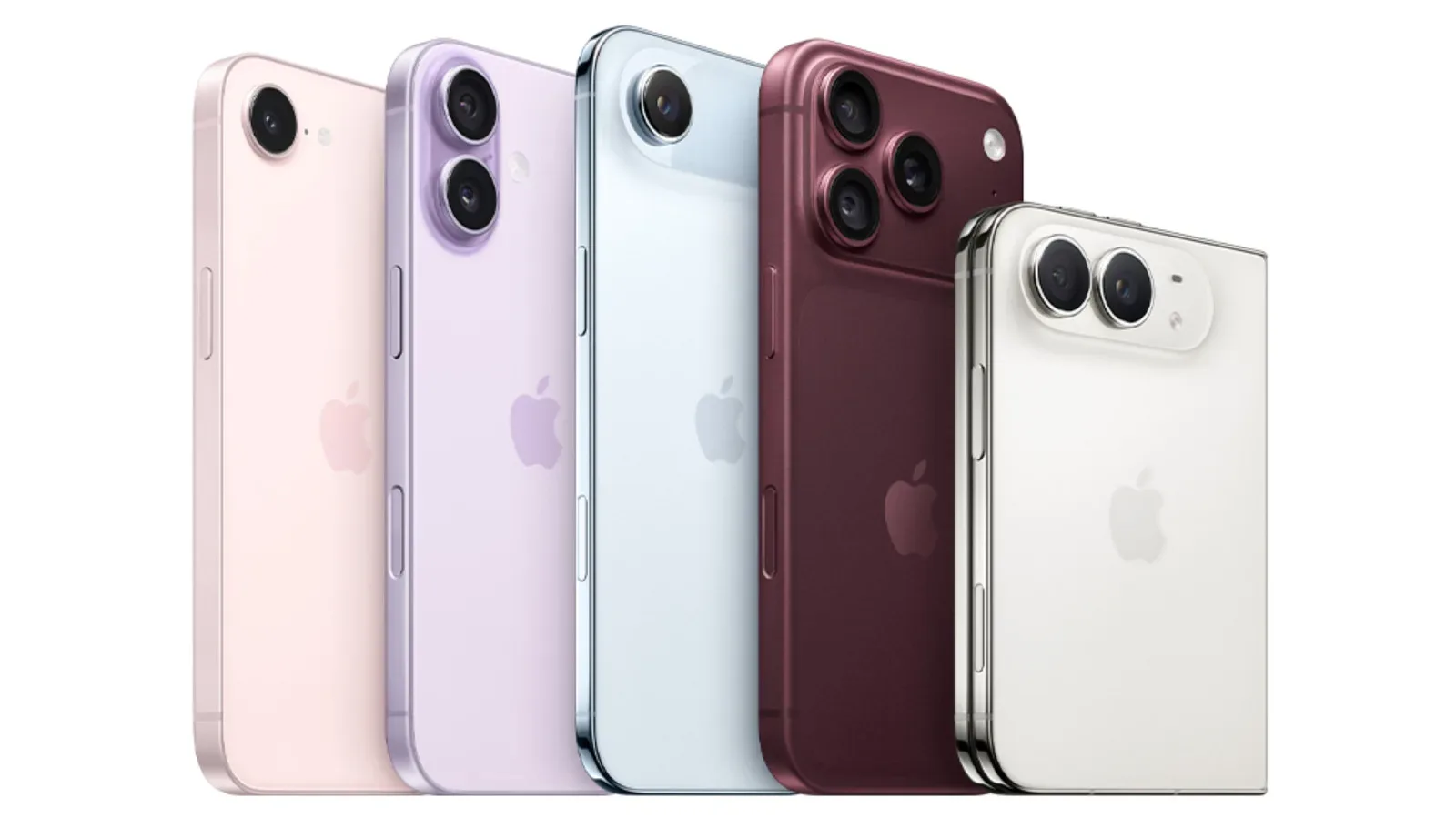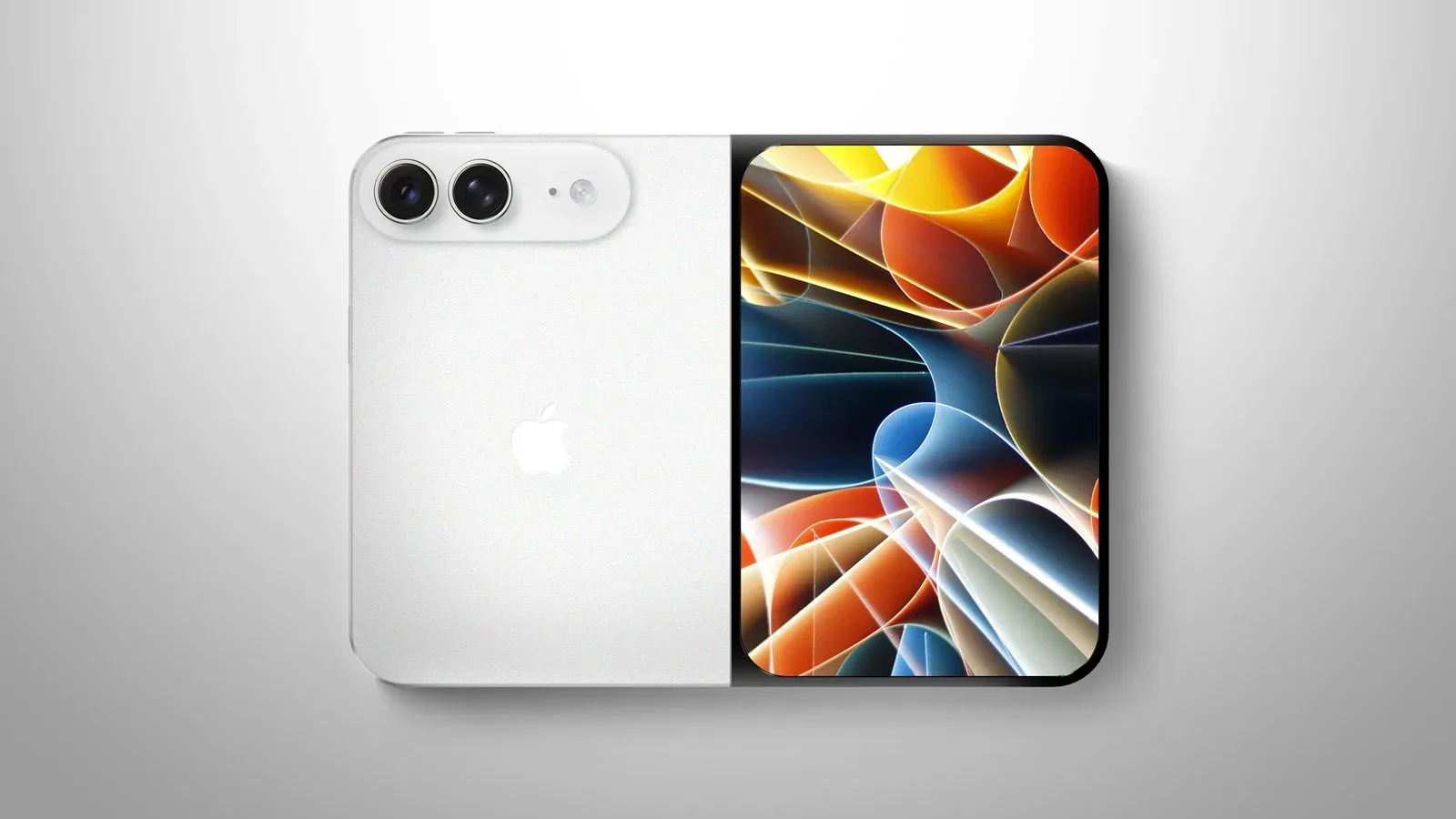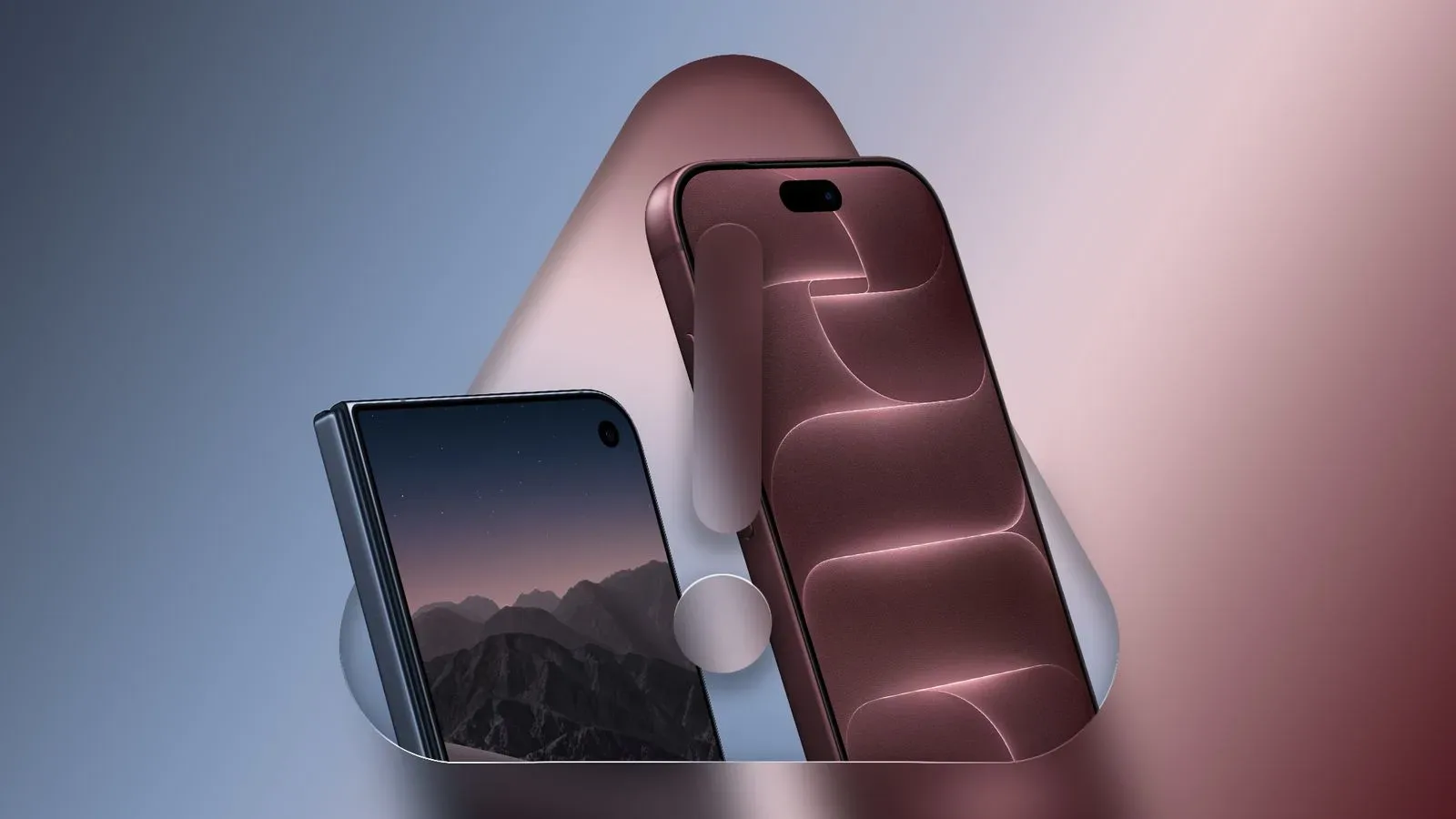
Apple’s iPhone Duo makes a clear offer: pay $1,999 for a phone that opens from a 5.4-inch outer screen into a 7.6-inch inner display, with room for reading, video, documents and two apps side by side. It shares a respectable core with the iPhone 18 Pro and iPhone 18 Pro Max, including the A20 Pro chip, ProMotion displays reaching 120Hz, a 48-megapixel Ultra Wide camera, MagSafe and USB-C with USB 3 speeds.
But this is not simply an iPhone 18 Pro Max that folds. The Duo asks buyers to accept a long set of changes in exchange for its larger internal canvas. Some are matters of preference, such as two available colors instead of four. Others affect every unlock, every pocket carry, every long-range photo and potentially every repair bill.
At matching storage capacities, the Duo costs $800 more than the iPhone 18 Pro and $700 more than the Pro Max. Its 256GB starting configuration is $1,999, while a 1TB iPhone 18 Pro Max is listed at $1,899. That pricing makes the essential question unusually simple: will the inner screen meaningfully change the way someone uses their phone, frequently enough to outweigh the hardware and ownership concessions?
The fold is the feature—and the daily compromise
Foldables present two distinct experiences. Closed, the iPhone Duo has a 5.4-inch display; open, it becomes a 7.6-inch device. The larger screen is the reason to consider it, but it is not available for the quick, one-handed tasks that occur throughout a normal day unless the phone is unfolded first.
That matters next to the conventional models. The iPhone 18 Pro has a 6.3-inch screen, while the Pro Max reaches 6.9 inches. A buyer who mostly checks messages, controls music, pays for purchases, takes quick photos and scrolls short feeds on the outer screen may spend much of the day with less display area than either Pro option provides immediately.
The Duo’s inner panel is also specified at 430 pixels per inch, versus 460 ppi for both Pro models. Pixel density is the number of pixels packed into each inch of display; higher figures can help fine text and interface details look sharper at comparable viewing distances. The external Duo display retains 460 ppi, so this distinction applies to the unfolded panel rather than the cover screen.
There is also a visible crease in certain lighting conditions. Apple has minimized it, but a folding display has a physical bend in a way a standard slab-style phone does not. Whether that proves bothersome is personal, yet it is worth treating as an interaction detail rather than a spec-sheet footnote: the crease sits at the center of the surface used for extended reading, browsing and video.
The phone’s closed dimensions reinforce why a store demonstration should include more than opening it once and admiring the big screen. At 84.1mm wide, 11.3mm thick and 254 grams, the Duo is wider and thicker than the 71.9mm-wide iPhone 18 Pro and 78mm-wide Pro Max, both 8.75mm thick. It is 43 grams heavier than the Pro and five grams heavier than the Pro Max. Though shorter when shut, the Duo’s bulk is something owners will feel during every one-handed hold and pocket carry.
Small interface changes can be more important than they sound
Apple replaces Face ID with Touch ID in the Duo’s side button. That is not inherently a lesser authentication system, but it changes the muscle memory of unlocking, approving purchases and signing into apps. People who value fingerprint authentication may welcome it. Those accustomed to looking at an iPhone to unlock it will need to decide whether the adjustment is acceptable before spending foldable-level money.
The Duo also removes the Action button. Camera Control remains, but there is no dedicated customizable control for functions including Silent mode, the flashlight, Focus modes or Shortcuts. For somebody who never assigned a routine to the Action button, this loss may not register. For an owner who uses it dozens of times a week, it is a real reduction in physical controls.
Other compatibility differences are more situational. MagSafe chargers and cases are supported, but Apple does not list MagSafe wallet compatibility for the Duo as it does for the Pro models. The Duo is eSIM-only globally, while Pro models in markets including the UK and Australia retain nano-SIM support. That makes carrier support and travel requirements a practical pre-purchase check for people who still use physical SIM cards.
Battery specifications tell a similarly two-sided story. Apple rates the Duo for up to 24 hours of typical use, matching the smaller Pro but trailing the Pro Max’s stated 30 hours. When using the internal display, the Duo is rated for up to 31 hours of video playback and 26 hours of streaming, beneath the Pro’s 36 and 33 hours and the Pro Max’s 45 and 40 hours. On the outer screen, though, Duo estimates rise to 44 hours of playback and 37 hours of streaming, ahead of the smaller Pro figures.
The implication is straightforward: the form factor’s best mode is also the one that reduces the quoted media-endurance advantage. Buyers switching from a Pro Max should not assume a larger unfolded screen automatically comes with the Pro Max’s longest typical-use battery rating. Wired charging is slower as well: up to 50% in about 20 minutes, compared with around 15 minutes for either Pro.
The camera gap is broader than professional video formats
The most consequential camera omission is a dedicated Telephoto lens. The iPhone Duo lacks the Pro models’ 48-megapixel 4x Telephoto system, its tetraprism construction, 3D sensor-shift stabilization and the 12-megapixel optical-quality 8x crop it enables. The Duo’s longest optical-quality setting is a 2x crop from its Main camera. Digital photo zoom peaks at 10x, compared with 40x on the Pro phones; video zoom reaches 6x rather than 24x.
“Optical-quality” is meaningful here because it describes a crop supported by the Main camera’s resolution rather than an aggressively enlarged digital image. It does not make the Duo incapable of zooming, but it leaves far less flexibility when the subject cannot be approached. For travel, stage events, wildlife, children on a field or any scene where distance is fixed, a 4x dedicated lens can matter much more often than specialty recording modes.
The Duo’s Main camera has a fixed f/1.6 aperture and a 26mm equivalent focal length. The Pro models offer variable aperture settings of f/1.48, f/1.8, f/2.8 and f/4.0 and a slightly wider 24mm equivalent view; their 2x crop is 48mm rather than the Duo’s 52mm. Aperture is the opening through which light enters a camera. The available f-stop choices can affect light intake and depth of field, giving Pro users additional control over how a scene is exposed and how strongly foreground and background appear separated.
The Pro models also have second-generation sensor-shift optical image stabilization and 100% Focus Pixels, compared with sensor-shift stabilization and Hybrid Focus Pixels on the Duo. A LiDAR Scanner, adaptive True Tone flash and the full Pro Controls suite for aperture, shutter speed, white balance and histogram adjustments are also absent. LiDAR is depth-sensing hardware that can support photography, scanning and augmented-reality uses; a histogram is a visual representation of tonal distribution that helps a photographer assess exposure.
For casual shooters, not every one of those differences will matter. The loss of the Telephoto camera is the everyday limitation. But people who deliberately capture and edit photos or video have a much larger reason to prefer the Pro hardware.
A foldable is not Apple’s camera-production iPhone
The Duo does not support ProRAW photography, including front-camera ProRAW, Apple Reference Image capture, spatial photos or spatial video. The Pro phones can record spatial video at 1080p and 30 frames per second. Apple Reference Images are signed images intended to help establish whether a photograph has been altered.
Professional video differences go further. The Duo does not offer ProRes or ProRes RAW through its native camera feature set, Apple Log 2, Academy Color Encoding System support, or Genlock. The Pro models support rear-camera ProRes up to 4K at 120 fps and front-camera ProRes up to 4K at 60 fps with external recording. ProRes and ProRes RAW are capture formats aimed at more demanding editing workflows; Log records a flatter image intended to preserve flexibility for later color work. Genlock allows compatible cameras to synchronize capture timing using supported accessories.
None of that should deter someone who records only social clips and family moments. It does establish a boundary, though: the Duo is not positioned as the model for a buyer whose work depends on those production tools. The lack of a listed four-microphone studio-quality array adds another difference, although the foldable does retain Spatial Audio recording, wind-noise reduction and Audio Mix.
Front-camera behavior changes depending on which side of the Duo is in use. Its outer Center Stage camera is 12 megapixels at f/2.2, compared with the Pro models’ 18 megapixels at f/1.9. The inner under-display camera supports 1080p video at 30 or 60 fps, but lacks Night mode, Portrait photography and Photographic Styles. The Pro models’ front camera supports 4K Dolby Vision recording and those still-photo features. Anyone who expects to use the big open screen for video calls or selfies should understand that the unfolded camera is the more constrained one.
Ownership costs deserve a place in the buying decision
The Duo is more expensive before protection and service enter the conversation, and those costs are higher in the United States as well. AppleCare+ with Theft and Loss costs $19.99 per month or $199.99 annually for the Duo, versus $14.99 monthly or $149.99 annually for either Pro model.
With AppleCare coverage, accidental damage to the Duo’s inner display carries a $99 service fee. Screen-only damage on the Pro phones is $29; outer-display damage on the Duo is also $29. Without coverage, Apple’s U.S. estimate for inner-display repair is $999, compared with $329 for the Pro and $379 for the Pro Max. “Other damage” is estimated at $1,499 for Duo, versus $849 and $899. Back-glass repair is listed at $199, compared with $159 for either Pro, and out-of-warranty battery service is $229 instead of $129.
The inner panel also uses a polymer cover layer rather than Ceramic Shield 2, which protects the outer display. That polymer layer can be replaced for $49 without AppleCare+ or $19 with it in the U.S. This is a distinct maintenance item that buyers of the non-folding Pro phones do not face.
Those figures do not mean every Duo will need a major repair. They do mean that a careful comparison should include protection choices and potential service exposure, not only the initial price. That wider tech-value discussion is relevant beyond phones as well, as seen in the debate around what a faster launcher actually delivers alongside its broader pitch: a headline feature can be compelling while the surrounding experience determines whether it is worthwhile.
Who should choose the iPhone Duo?
The Duo is easiest to justify for someone who can name recurring tasks that become distinctly better on a 7.6-inch screen: reading lengthy material, examining documents, comparing two apps, editing photographs or watching video. The value comes from repetition. An occasionally useful large display is a weak trade for higher cost, greater closed-device bulk and reduced camera versatility; a display opened several times every day is a much stronger argument.
A prospective buyer should test both states of the device. Use Touch ID, hold the phone shut, assess the outer display and feel the width, thickness and weight. Then open it for the exact activities expected to benefit from it. The purchase works only if it is satisfying as a small-screen phone and genuinely more useful as a large-screen one.
The iPhone 18 Pro and Pro Max remain the more straightforward choice for people who prioritize immediate screen space while closed, Face ID, the Action button, longer Pro Max typical-use battery life, a dedicated Telephoto camera or serious photo and video workflows. They also cost less at equivalent storage and have materially lower listed U.S. repair and battery-service prices.
For the right person, the Duo’s fold is more than a novelty: it can change how comfortably a phone handles extended work and entertainment. Apple opens pre-orders on Friday, October 16, with availability beginning October 23. But the buyer should regard that folding screen as a specialized benefit, not a blanket upgrade over the Pro models. It is a premium for a different kind of iPhone—and a premium that is paid in money, camera range, physical simplicity and service risk.