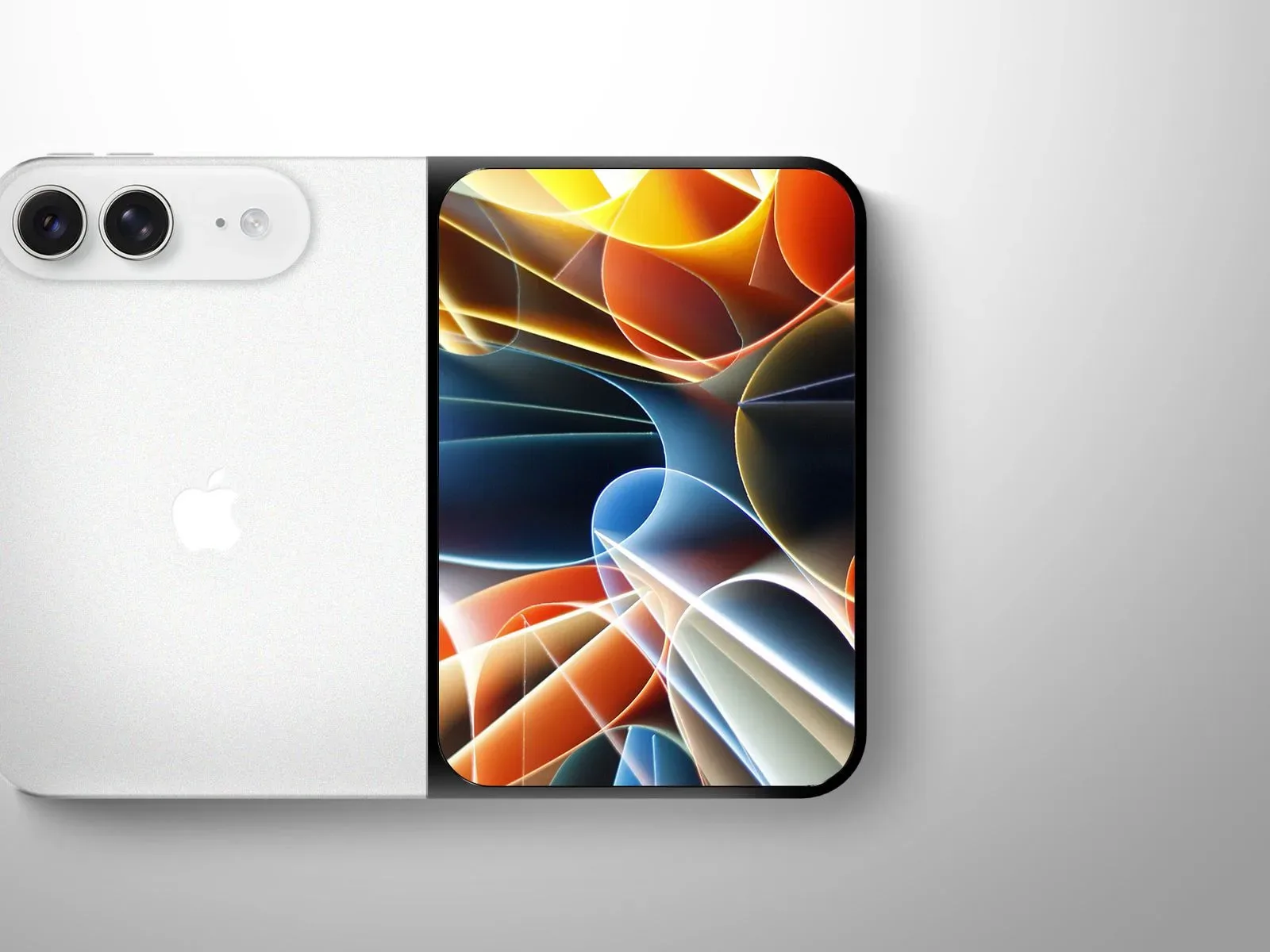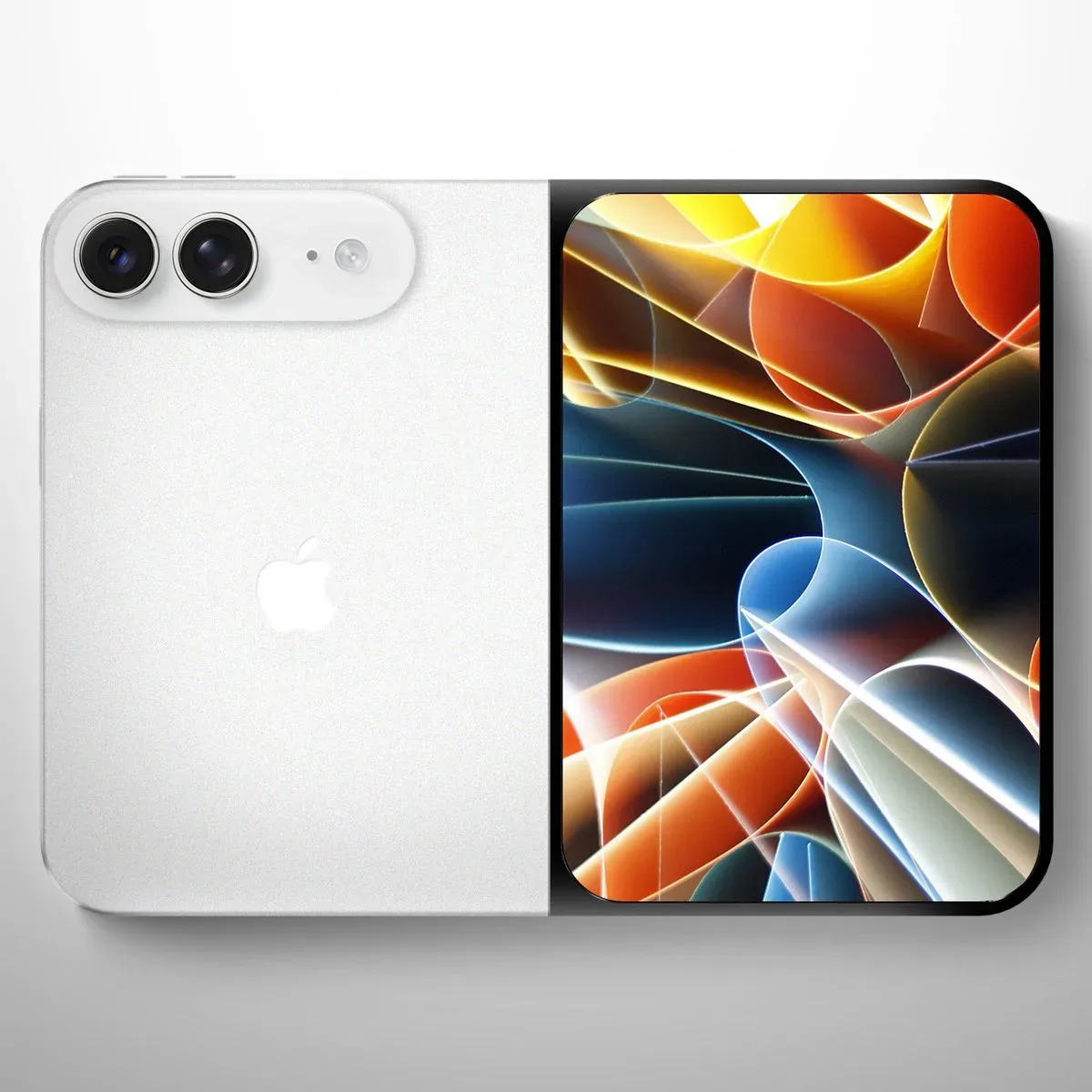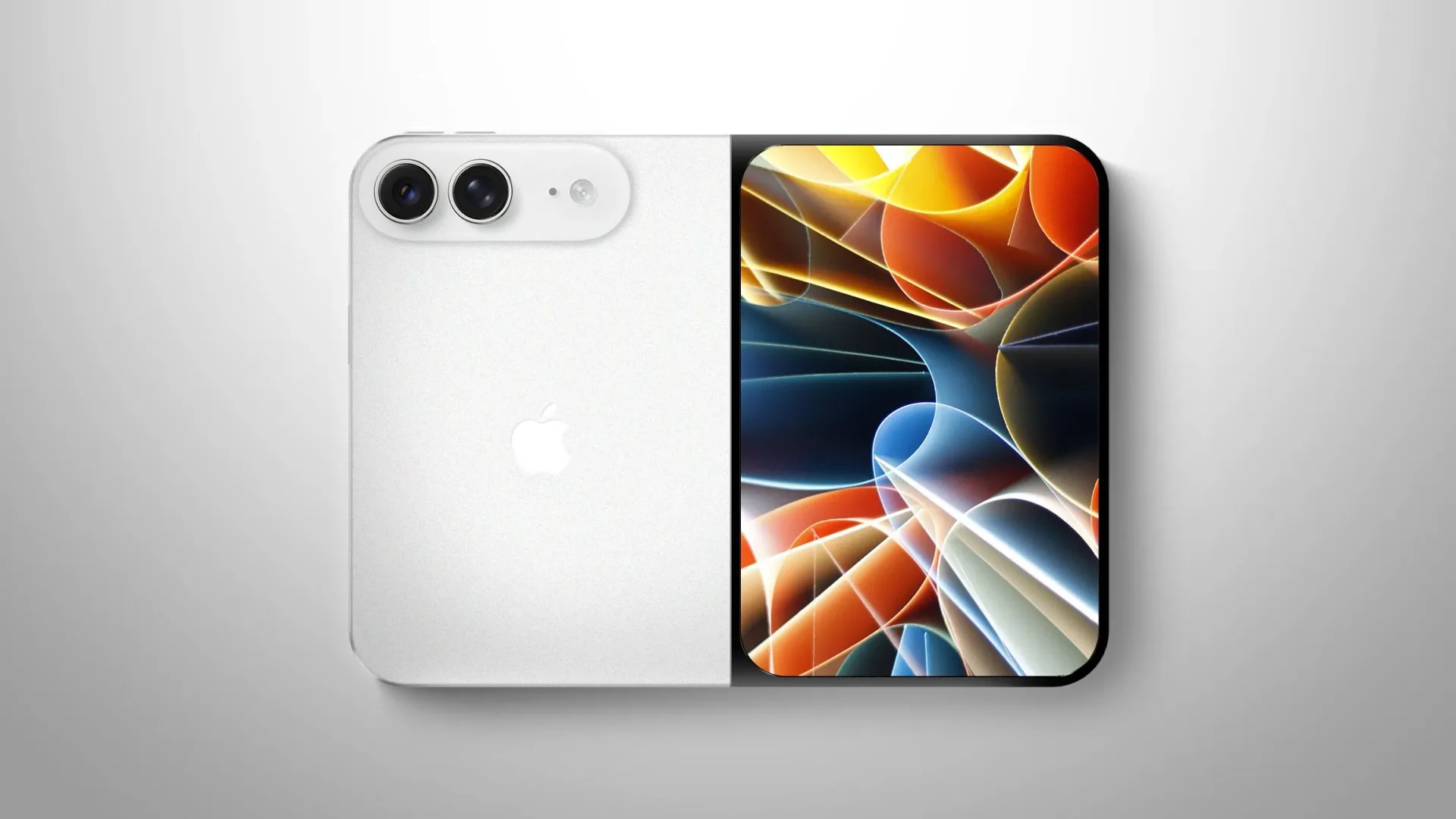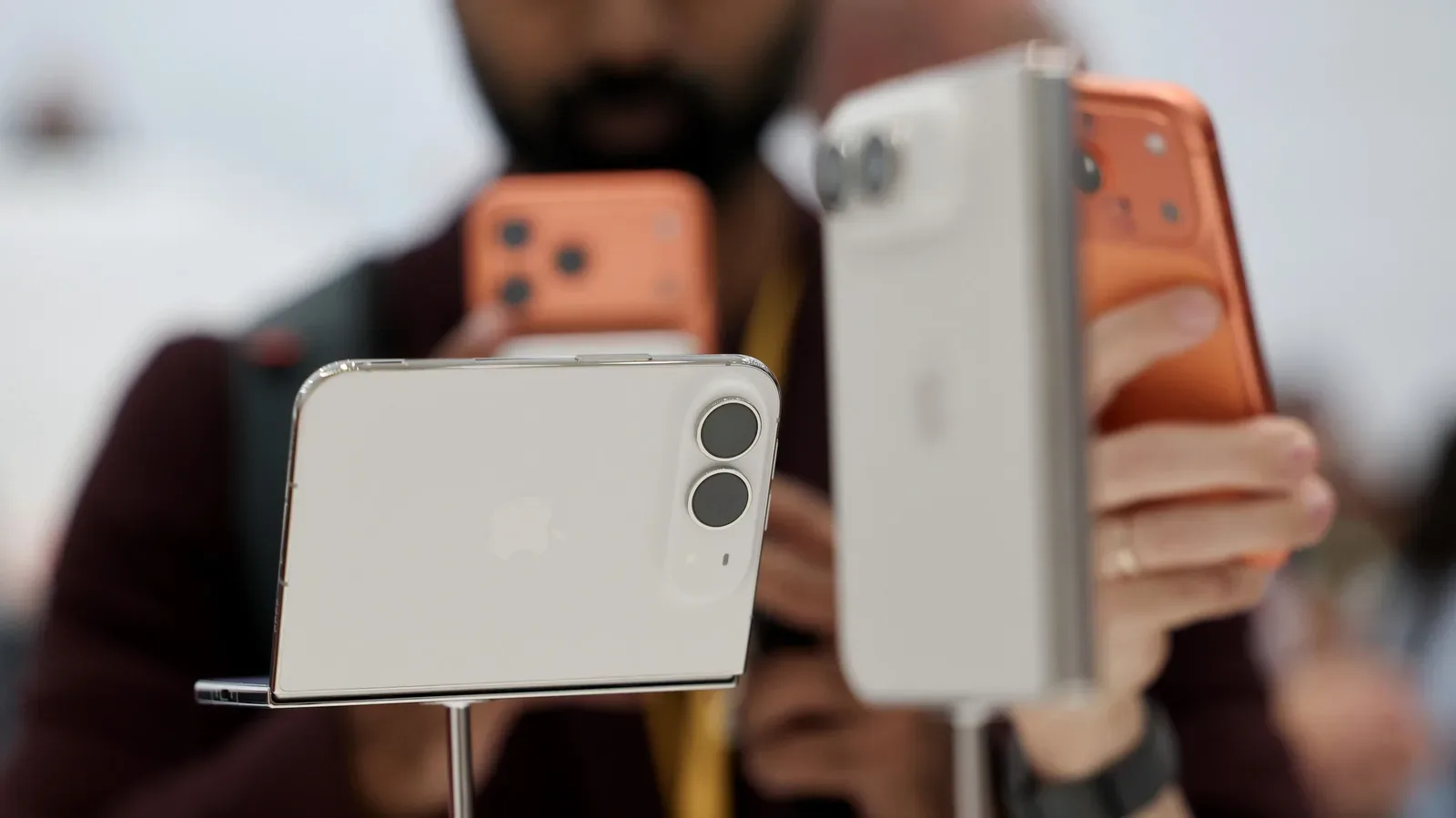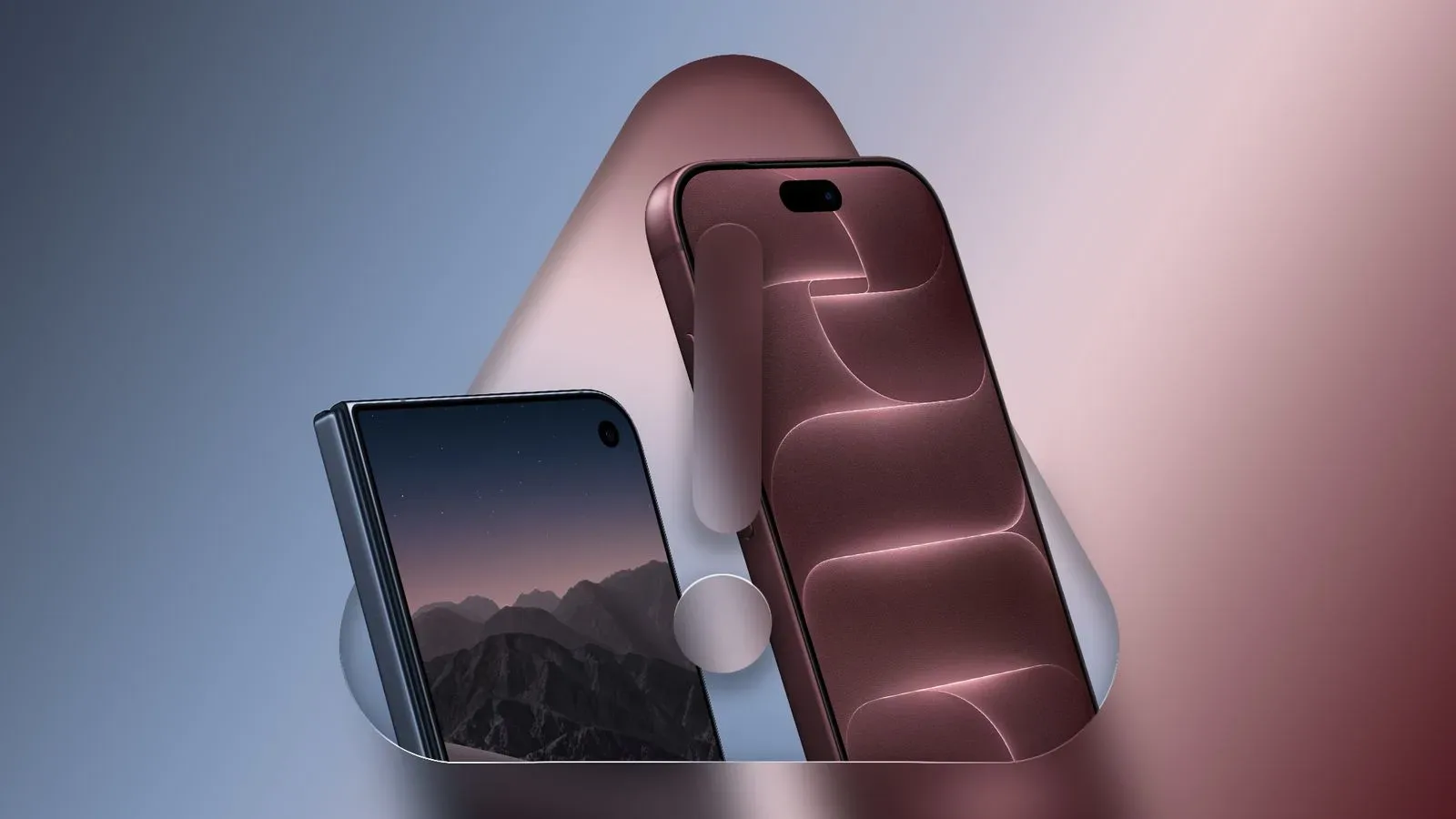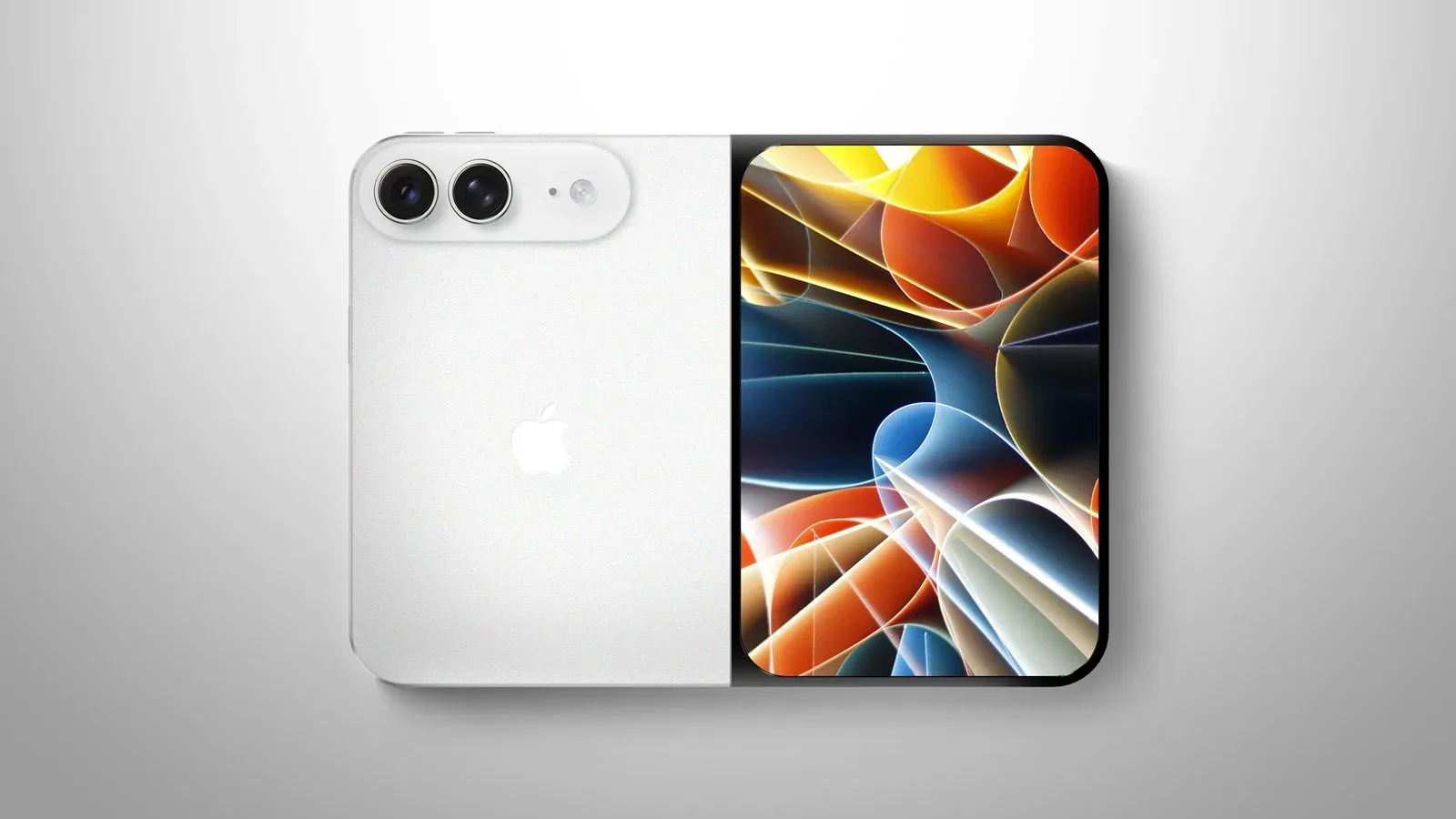
Apple’s first foldable iPhone is expected to take the stage on September 9, and a fresh pre-event report has attached a notably straightforward name to a device that has spent a long time wearing a rumor-shaped nametag: iPhone Duo.
The same report points to a premium, tightly focused launch configuration. The alleged iPhone Duo would start with 256GB of storage, arrive in white and dark blue, carry an entry price of $2,000, and reach roughly $3,000 at the top end of the range. It may also go on sale as early as October, rather than alongside the iPhone 18 Pro models expected at the September 9 event.
Those are still unconfirmed details ahead of Apple’s presentation, so they should be treated as reporting rather than a final spec sheet. But if accurate, the picture is clear: this would not be a tentative bargain-bin experiment in folding hardware. It would be a high-end Apple device from the opening bell, built around substantial storage and a price that makes an ordinary flagship phone look like it forgot to equip legendary gear.
iPhone Duo may replace the long-rumored “Ultra” label
For months, the most persistent rumored name for Apple’s foldable handset had been iPhone Ultra. “Ultra” is an intuitive label for a device expected to sit above the company’s already expensive Pro-tier phones, and it has appeared repeatedly in prior chatter around the project.
The newer claim is that Apple has chosen iPhone Duo instead. That name would immediately signal the device’s central premise without spelling out every hardware detail: a phone designed around two sides, two display states, or a more overtly dual-purpose identity than the familiar slab-shaped iPhone.
There is no official confirmation of the name before the event. Apple could reveal a different branding choice entirely, and rumor-era product names are always vulnerable to a last-second plot twist. Still, iPhone Duo is worth watching because a name is not merely a sticker on the retail box. It tells customers where a product sits in a lineup. “Ultra” emphasizes maximum specification; “Duo” emphasizes a different form factor and the potential for two modes of use.
That distinction could matter if Apple wants the foldable to feel like its own branch of the iPhone family instead of simply the most expensive iPhone available. The company’s expected presentation should settle that question quickly.
256GB is reportedly the starting point
The reported base configuration is 256GB. That detail aligns with a March rumor that also pointed to 512GB and 1TB versions. The new information specifically reinforces the 256GB starting capacity, while leaving the higher capacities unconfirmed in the latest report.
Even so, 512GB and 1TB remain plausible possibilities rather than confirmed options. If they do appear, they would create a familiar premium-device ladder: a relatively more accessible base tier, a larger mid-tier, and an all-in model for buyers who want maximum local capacity and are prepared to pay for it.
Starting at 256GB would be meaningful in the context of the reported price. A $2,000 phone with only a modest amount of storage would be a hard sell even before anyone reaches the folding part of the conversation. With 256GB, Apple would at least be positioning the entry version as a device intended for serious, long-term use rather than a novelty that arrives with a symbolic amount of space.
Storage is also one of the easiest places for a buyer to make a decision before full performance and camera testing exist. A prospective owner can calculate how much space photos, video, apps, downloaded media, and games consume. They cannot yet calculate whether an unannounced foldable’s day-to-day experience justifies its price. That makes the baseline storage number unusually important in early discussion.
A $2,000 starting price would put the foldable in a different lobby
The reported entry price is $2,000 for the 256GB iPhone Duo. The highest-capacity version is said to land at around $3,000. Earlier estimates and reports had already put Apple’s foldable above $2,000, with some expectations extending as high as $2,500, so the $2,000 starting point would fit the broad premium direction that has surrounded the device.
That is a huge number for a phone, even one expected to unfold. It means the iPhone Duo would be judged less like an incremental annual upgrade and more like a major hardware purchase. Buyers will likely want answers on durability, screens, cameras, battery life, software behavior, repair considerations, and the practical advantage of its folded and unfolded states. None of those answers can be assumed from the current report.
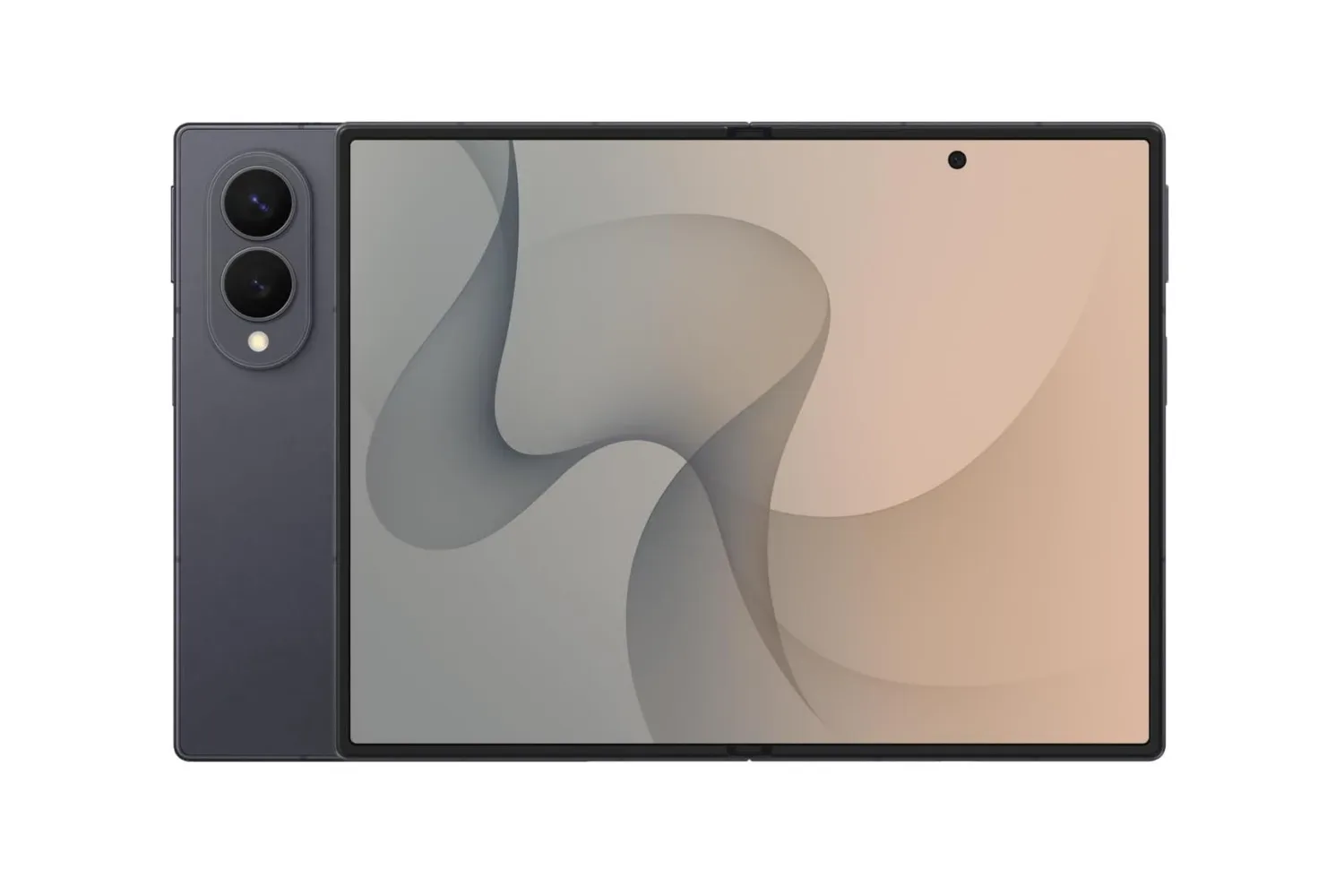
The competitive context is also difficult to ignore. A recent Galaxy Z Fold 8 256GB listing at $1,650 illustrates the kind of pricing comparison shoppers may make when Apple’s model arrives. That listing was a discounted figure, not a direct like-for-like launch-price match, and the products’ final specifications may differ significantly. Still, a reported $2,000 entry point means Apple would be asking consumers to view its first foldable as premium hardware before it has earned an established foldable track record in the market.
The upper estimate of about $3,000 is just as striking. Assuming higher-capacity versions materialize, storage may account for part of the increase, but there is not yet enough confirmed information to explain the full spread. Until Apple details the lineup, it is best to avoid filling the gap with imaginary features, capacities, or bundles. A price range is not a spec list.
White and dark blue would be a deliberately restrained launch palette
Color may sound like the side quest in a foldable-phone story, but it helps establish a product’s personality. The reported choices are white and dark blue. Prior rumors had suggested Apple would avoid especially playful colors for the first foldable, with the darker option described in terms closer to indigo than a plain black.
If the new report is right, Apple appears set to keep the opening palette reserved. White offers a clean, conventional premium finish. Dark blue supplies a darker alternative without making black the default answer. It is a small selection, yet it would fit a product being introduced at a very high price point: polished, cautious, and aimed at making the unusual physical design do most of the visual work.
There is no reason to read more into two reported colors than the report supports. White and dark blue do not reveal frame materials, finish texture, display sizes, hinge construction, camera hardware, or whether more colors could arrive later. They simply suggest that the first wave may favor classic finishes over a broad rainbow of choices.
October availability could separate the Duo from iPhone 18 Pro timing
Apple’s “Surprise and Shine” event is scheduled for 10:00 a.m. Pacific Time on Wednesday, September 9. The iPhone 18 Pro models are also expected to be revealed there. The iPhone Duo, however, is reportedly positioned to go on sale as early as October.
“As early as” is important language. It suggests a potential sales window, not a guaranteed retail date. It also leaves open the possibility of a staged rollout, delayed ordering, regional variation, or another timetable that only becomes clear when Apple speaks. Until then, it would be premature to present October availability as settled.
Should the separation prove accurate, it would make practical sense for a first-generation foldable. A distinct on-sale date would give the Duo a spotlight of its own instead of asking it to fight the conventional iPhone launch cycle for attention. It could also allow Apple to present the iPhone 18 Pro line and the foldable as different choices: one for customers seeking the established flagship format, the other for those prepared to pay for a new shape of iPhone.
For now, the most concrete reported checklist is short: iPhone Duo name, 256GB base storage, $2,000 starting price, an approximately $3,000 top configuration, white and dark blue color options, and possible October sales. The missing pieces are just as consequential. Apple has not yet publicly established the device’s complete storage ladder, final price structure, foldable design, or exact availability. September 9 is where the rumor screen should finally fold away.