The Samsung Galaxy Z Fold 8 is a premium-phone proposition in every sense, including the part where the price can make a wallet perform its own folding trick. The 256GB model normally starts at $1,900, but a current Amazon listing puts it at $1,650. That is a $250 reduction, or roughly 13%, for buyers who want Samsung’s large-screen foldable without paying its full launch-level asking price.
The listed deal applies to the Graphite, Cream, and Lavender finishes. Those choices matter more than a trivial cosmetic footnote when a handset costs well into four figures: buyers can select among the included colors rather than being pushed toward one discounted shade that looks like it was designed by a printer toner cartridge.
Amazon’s trade-in program is also part of the potential savings picture. An eligible old phone in good condition can return up to $600 in Amazon credit, though the actual value depends on the specific device and its condition. That is not a flat $600 reduction, and shoppers should not budget around the maximum until the trade-in evaluation tells them what their device qualifies for. Still, even a lower credit amount could soften the cost of the Fold 8 or fund a separate purchase later, since the credit can be used toward other Amazon orders.
A foldable built around a larger working canvas
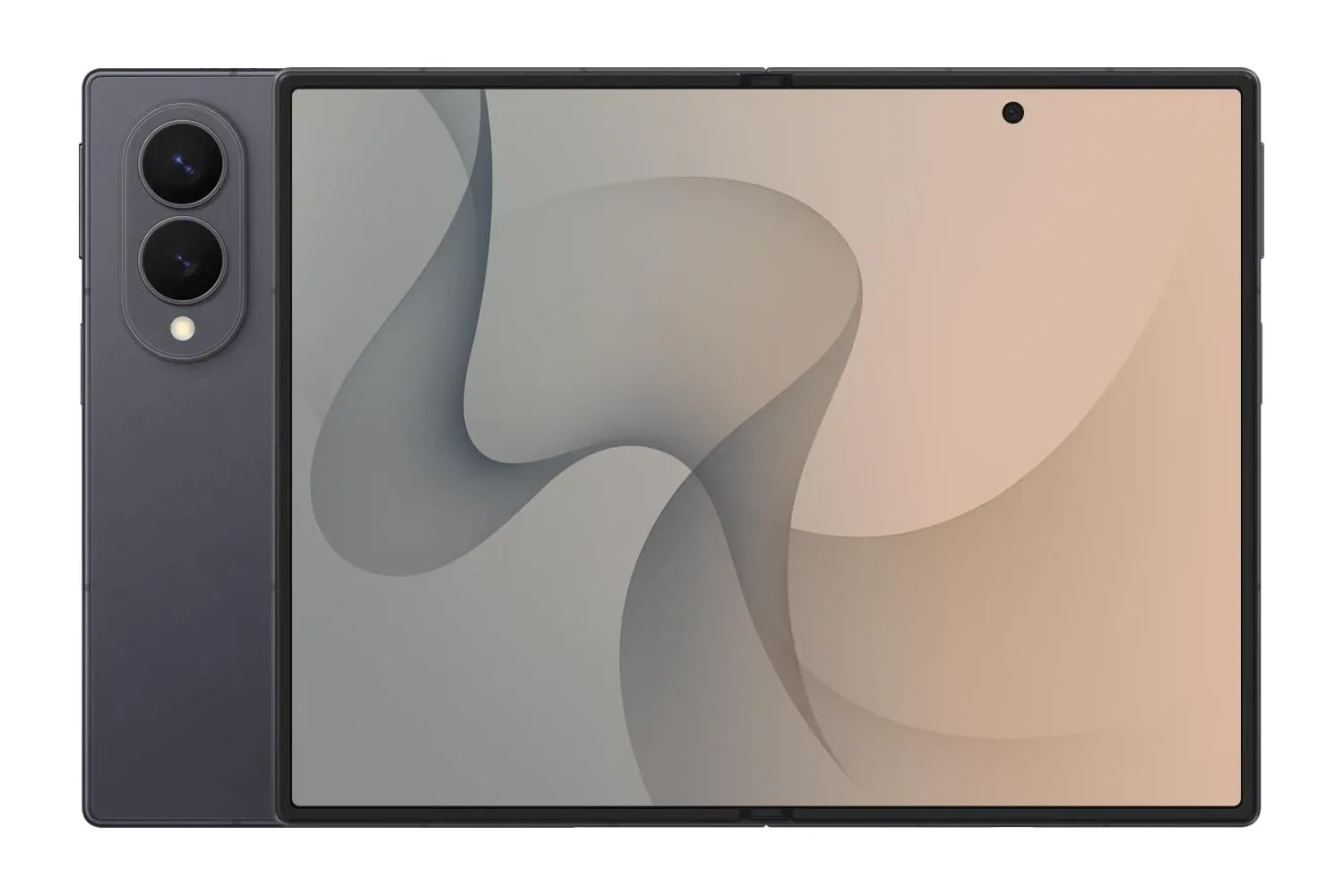
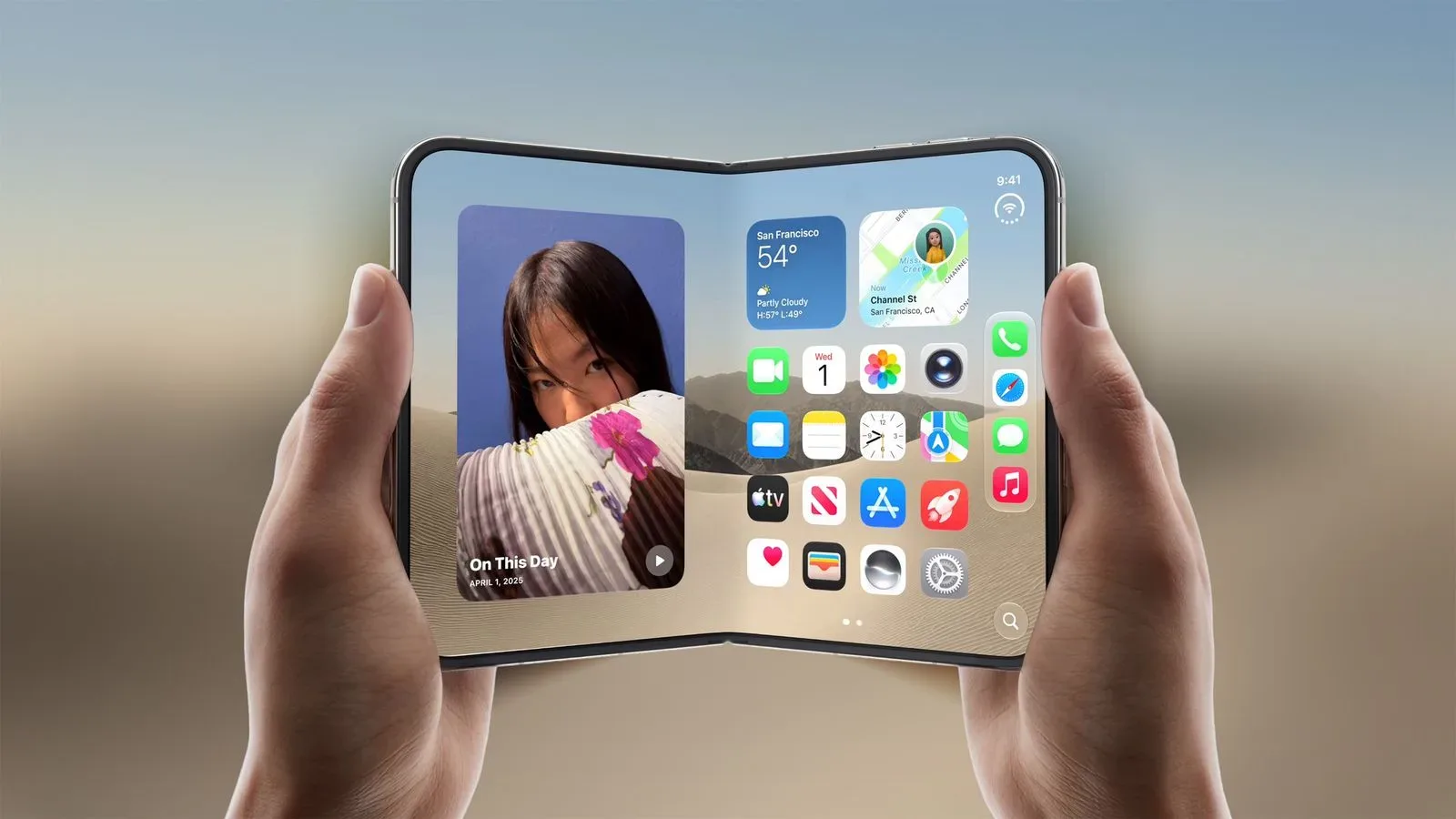
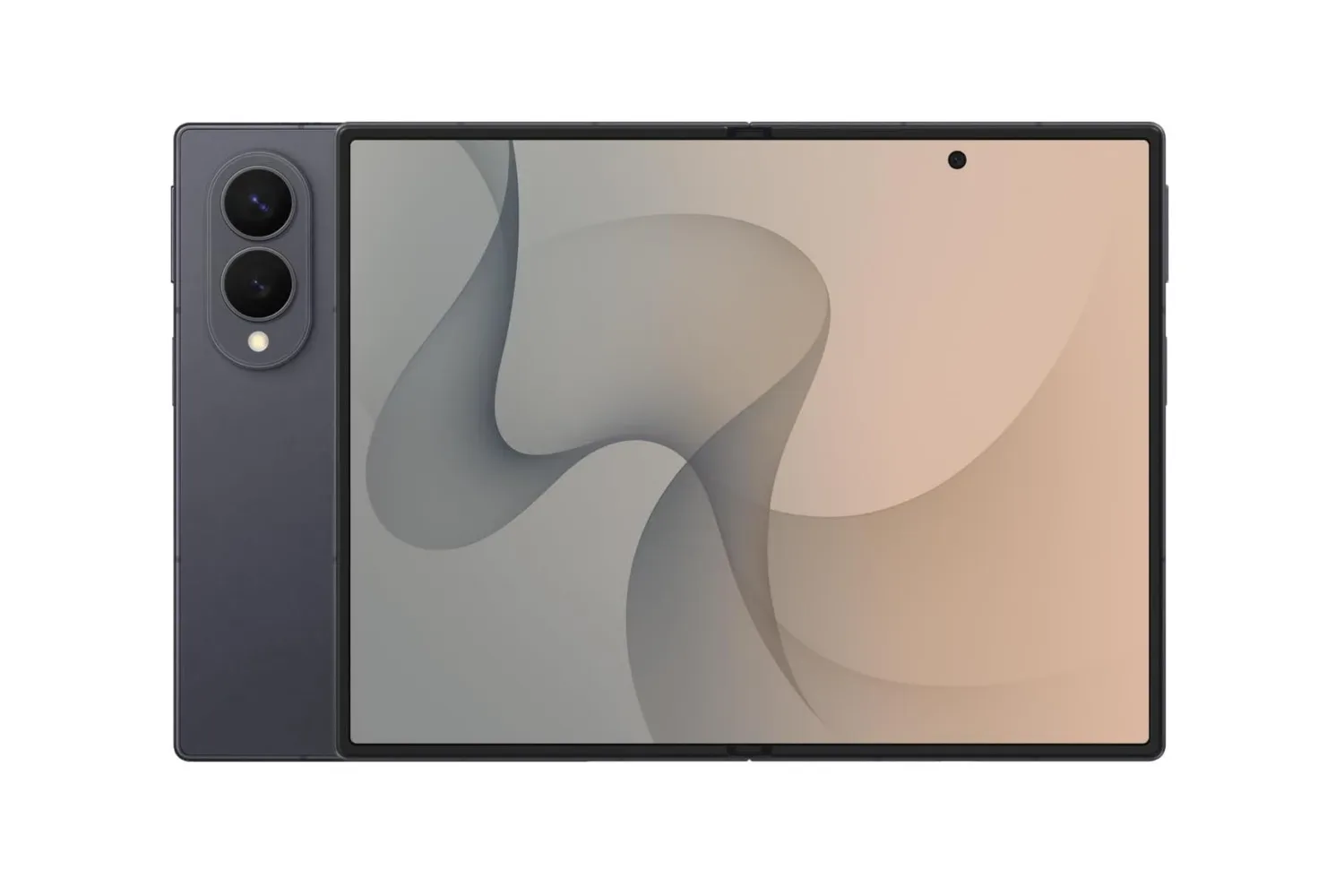
The central idea behind the Galaxy Z Fold 8 is straightforward: it aims to offer more workspace than a conventional smartphone while remaining easier to carry than a tablet. Opened up, the device has a 7.6-inch display. That is the key feature buyers are paying for, and it determines whether the Fold form factor makes practical sense for them.
A screen of that size can give video, games, documents, reading material, messaging, and note-taking more breathing room than a typical phone panel. It is especially relevant for people who regularly move between small bursts of phone use and longer sessions that would otherwise encourage them to reach for a tablet or laptop. A larger internal display does not magically turn every app into a productivity masterpiece, but it does create additional room for the tasks that benefit from seeing more at once.
When folded shut, the Z Fold 8 is positioned for quicker, everyday interactions: scrolling through social feeds, checking messages, and handling routine phone jobs. The display is also described as bright, a characteristic that can be useful when the device is used outdoors. In other words, the product’s pitch is not that users must constantly unfold it. The appeal is having a more expansive screen available when a normal phone display starts to feel cramped.
For game-focused readers, the attraction is easy to understand. A bigger screen can make menus, text-heavy interfaces, maps, and streaming controls less fiddly. It may also be appealing for watching game broadcasts or reading guides, patch notes, and chats. That does not mean every game or interface will use the extra space equally well, so the Fold 8 should not be viewed as a substitute for a dedicated handheld, console, or PC. It is instead a phone that can provide a roomier mobile canvas when an owner’s routine actually calls for one.
Camera hardware and AI-assisted editing
The Galaxy Z Fold 8’s camera array includes a 50MP ultra-wide camera and another 50MP camera with 2x optical-quality zoom. There are also 10MP cameras on both the cover display and the inner display, intended for selfies and video calls.
The split between cover and internal cameras fits the device’s two-mode design. A person using the phone closed can take a quick selfie or start a call from the outer screen, while the inner display provides another camera option when the handset is open. For anyone considering a foldable as a content, communications, and work device, those are useful capabilities to assess alongside the headline rear-camera specifications.
Samsung also includes AI features intended to assist with editing after photos or video are captured. The practical value of those tools will vary from person to person. Some buyers want quick, automated assistance that reduces the time spent tidying an image or clip. Others may prefer direct control and use editing tools sparingly. The important point is that the phone’s camera proposition extends beyond lenses and sensors to include software-based post-capture help.
It is worth separating what the specifications say from what a personal buying decision requires. Megapixel counts, zoom descriptions, and AI features can establish the sort of camera system being offered, but they do not erase individual preferences about color rendering, controls, or editing workflows. Someone whose main goal is video calling may place more emphasis on the dual 10MP front-facing cameras, while someone who shoots scenic or wide compositions may care more about the ultra-wide unit. The Fold 8 puts multiple routes on the table; the best route depends on the owner.
Performance and battery claims matter at this price
The Fold 8 uses a high-end processor intended to keep performance smooth across demanding tasks. That is important because a large foldable is likely to be asked to do more than a basic communication device. Streaming, browsing, document work, games, notes, calls, and camera editing can all land on the same device during a typical day.
Battery capacity is similarly central to the proposition. Samsung’s claim is up to 26 hours of continuous streaming on a single charge. As with any battery estimate, “up to” describes a maximum under particular conditions rather than a guarantee that every owner will receive identical results. Screen brightness, wireless connections, app behavior, settings, and the mix of tasks can all change real-world endurance. Nevertheless, the figure signals that the Fold 8 is being presented as a device designed for extended media use rather than one that expects an outlet to become a permanent party member.
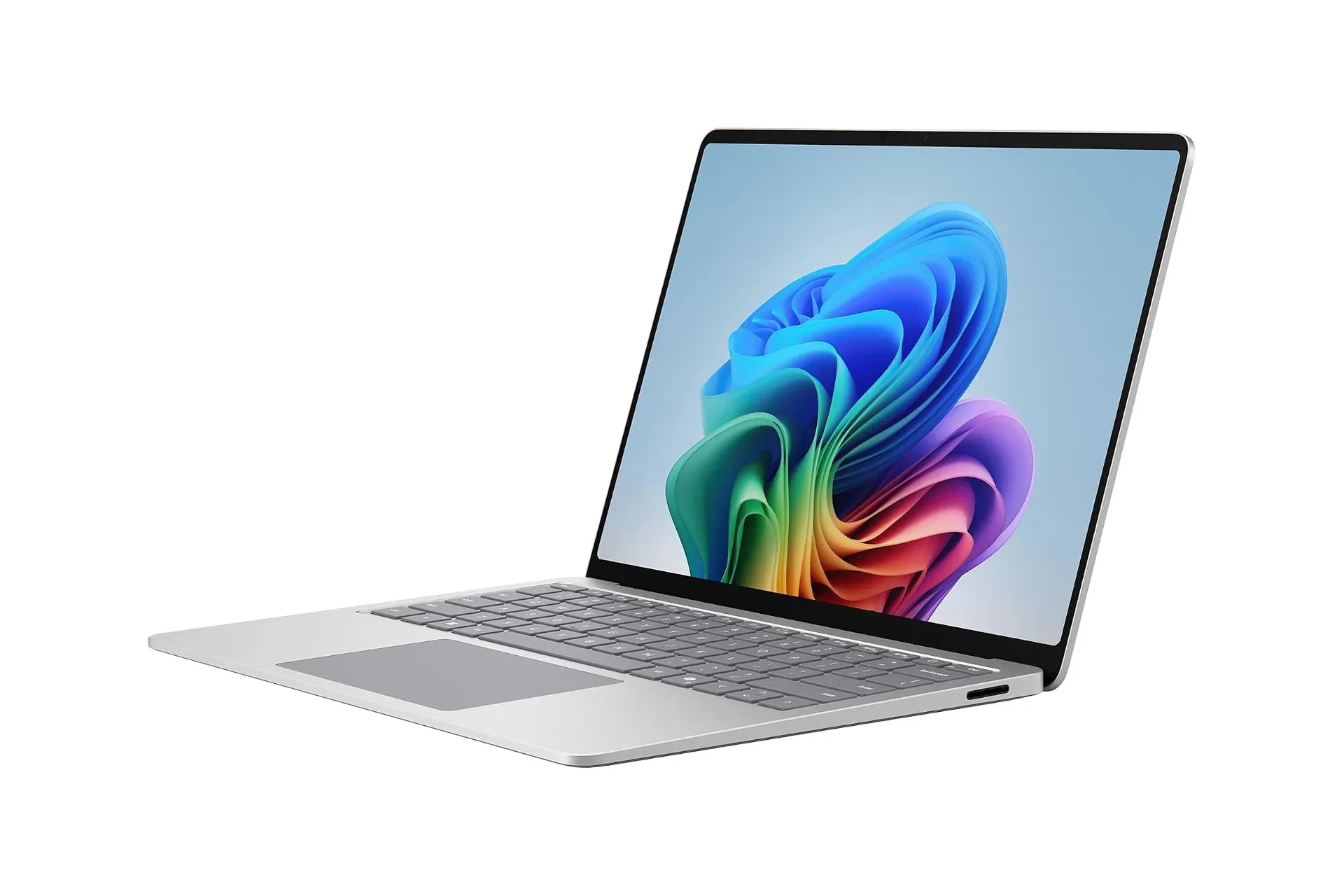
Buyers weighing several expensive portable devices may also want to compare how they plan to charge and travel with them. A foldable could reduce the times a person carries both a phone and a small tablet, but it is still a phone first and does not make every other screen obsolete. For readers building out a mobile setup, our look at the Microsoft Surface Laptop (2026) price drop offers a useful reminder that a larger computing purchase can overlap with, rather than duplicate, a foldable’s role.
How to read the $1,650 offer
The cleanest way to interpret this listing is not as a claim that $1,650 is inexpensive in an absolute sense. It plainly remains a major purchase. Instead, it is a meaningful discount against the Fold 8’s stated $1,900 price: $250 stays in the buyer’s pocket before any qualifying trade-in credit is considered.
Potential buyers should confirm the exact configuration, finish, final price, and trade-in terms at checkout. Trade-in values are conditional, and an old device’s quoted credit can depend on its model and assessed condition. The maximum $600 should therefore be treated as a possible outcome, not an automatic companion to the $1,650 listing.
The deal is most relevant to people already persuaded by the Z Fold 8 format: a handset that opens into a 7.6-inch display, keeps an exterior screen for quick use, carries a multi-camera setup, includes AI editing assistance, and is rated for up to 26 hours of uninterrupted streaming. For those shoppers, a $250 reduction makes the entry point less severe. For everyone else, the right question is simpler: will that larger fold-out display be used enough to justify a premium that ordinary phones avoid?
At $1,650, the Galaxy Z Fold 8 is still a luxury-level device, but it is not asking for its full $1,900 standard price. Add the possibility of Amazon trade-in credit, and the current listing gives interested buyers a clearer path toward Samsung’s big-screen foldable—provided their needs are big enough to match it.
Shop the products
Check current price, model and availability at the retailer.