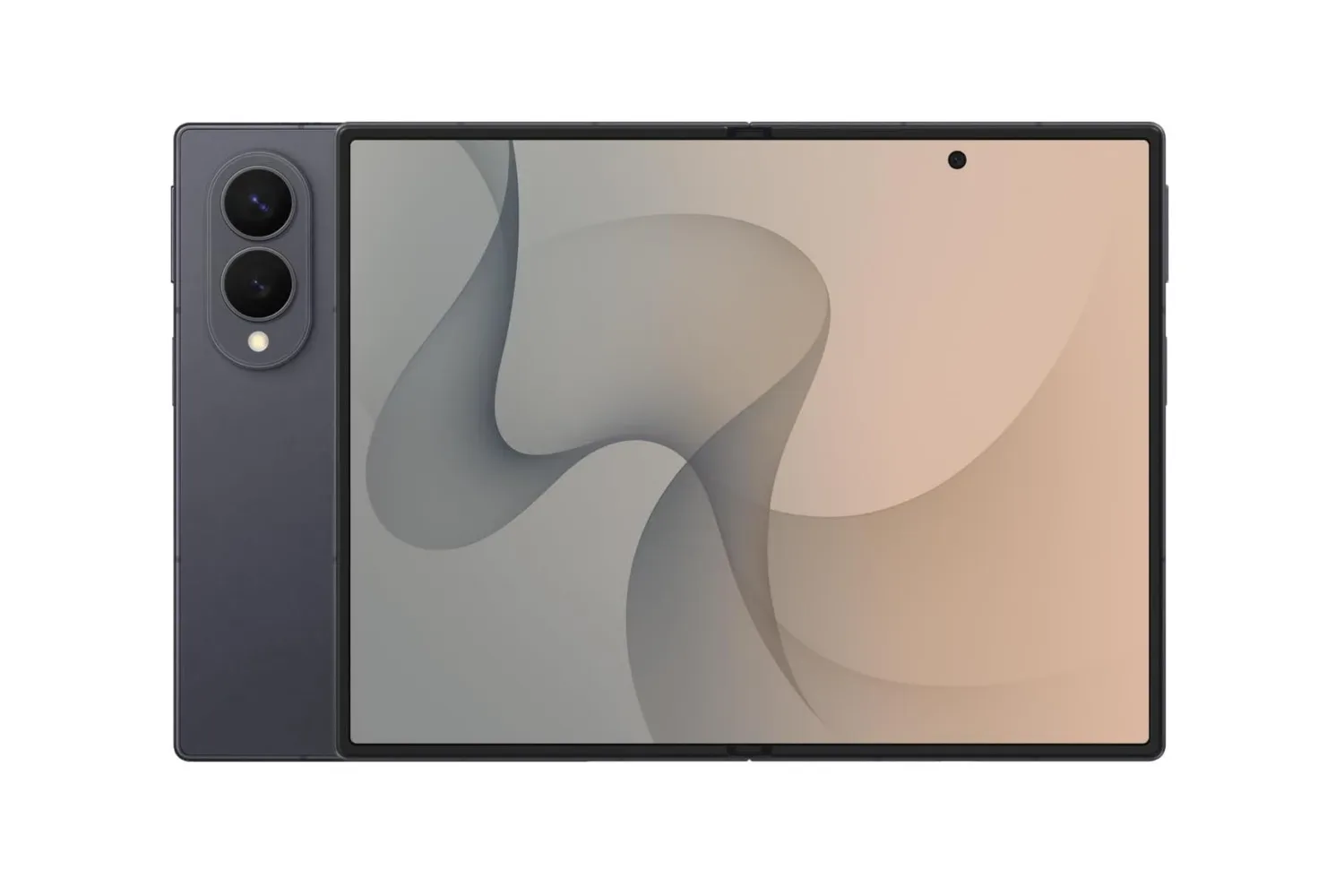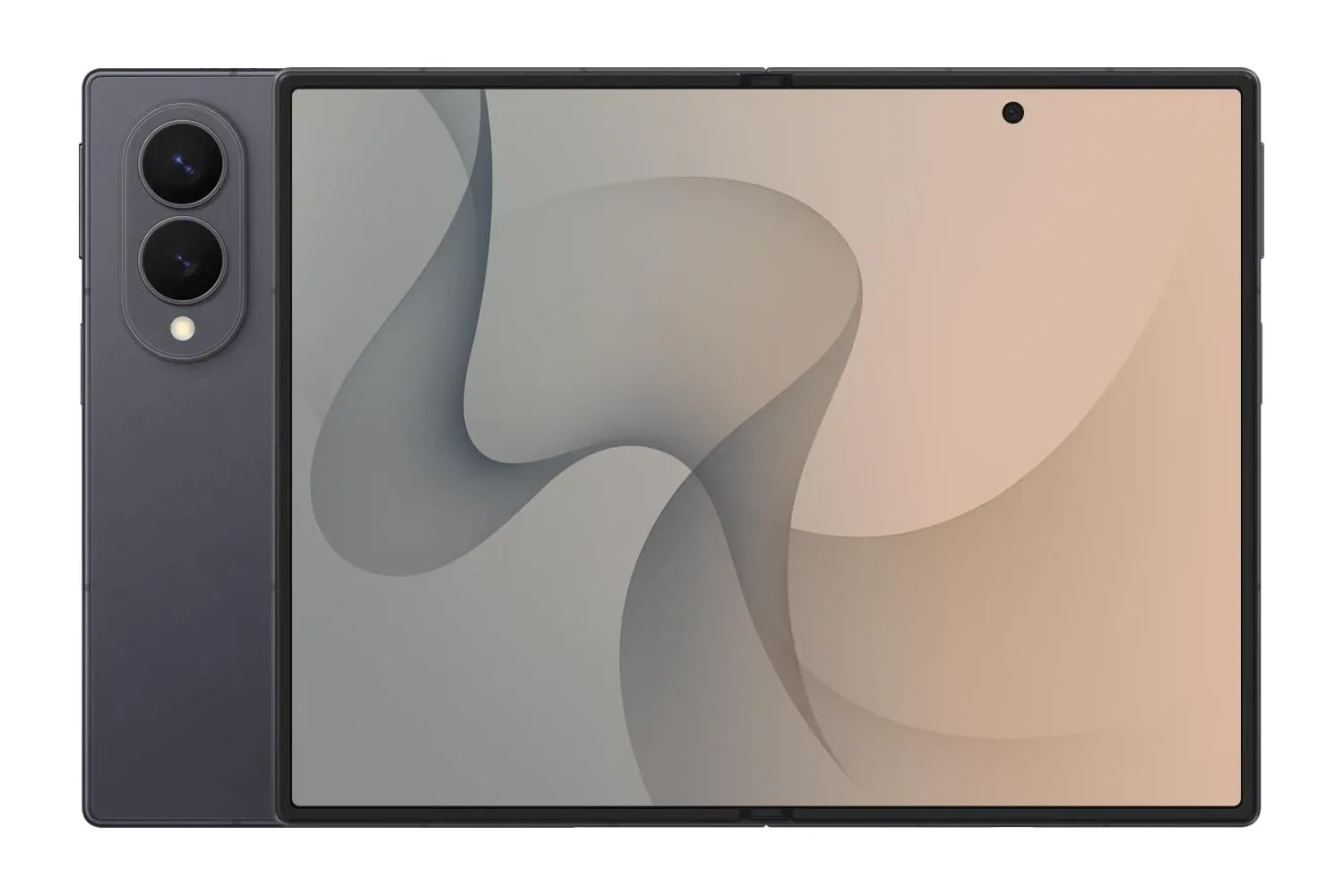
Samsung’s Galaxy Z Fold8 is listed at $1,650 for the 256GB model in a limited-time Amazon price cut, a $250 reduction from its stated $1,900 regular price. The offer is described as applying to three color options, while a separate trade-in can potentially lower the effective cost still further.
That headline discount matters because foldable phones occupy an unusually expensive part of the mobile market. The Z Fold8’s basic proposition is straightforward: closed, it works as a conventional phone; opened, its larger display provides a tablet-like workspace. For people who routinely read, browse, watch video, or work through web pages that are cramped on a normal handset, that extra screen real estate can be a meaningful practical difference rather than just a flashy hinge trick.
The price breakdown: $1,650 before any trade-in
The clearest figure in the promotion is the direct price cut. The 256GB Galaxy Z Fold8 is listed at $1,900 normally and $1,650 during the sale, producing the advertised $250 saving. That is the number to use when comparing the phone with another purchase, since it does not depend on owning an eligible device or receiving a particular trade-in valuation.
Trade-in credit is less certain. The promotion says the value can reach as high as $815, but that amount varies by the device submitted. A maximum value is not the same as a guaranteed value: buyers should expect the exact credit to depend on the phone they trade in and the assessment tied to that transaction.
There is also an arithmetic point worth keeping in view. If the $1,650 sale price receives the full stated $815 trade-in credit, the resulting figure is $835, not $935. That calculation is simply:
- Sale price: $1,650
- Maximum stated trade-in credit: $815
- Difference: $835
Of course, the highest credit will not necessarily apply to every trade-in. The useful way to approach the deal is to treat $1,650 as the known sale price, then subtract only the valuation actually offered for the specific device being exchanged. Confirm the total presented during the purchase process rather than budgeting around the best-case trade-in scenario.
What “foldable” changes in day-to-day use
A foldable phone is designed around two display modes. In its closed position, the Galaxy Z Fold8 serves the role people expect from a phone: a compact device for quick messages, calls, navigation, apps, and short browsing sessions. Opening the hinge changes the physical format and exposes a substantially larger screen, making the device function more like a small tablet.
That distinction has implications beyond watching a bigger video. Some web pages and apps feel restrictive when viewed through a narrow mobile layout. A larger unfolded display can make documents, long articles, browser tabs, and more visually dense pages easier to manage. It can also be more comfortable for longer entertainment sessions, where a larger picture can reduce the compromise inherent in watching on a standard phone screen.
The appeal, then, is versatility. Instead of choosing between carrying a phone and carrying a tablet, a buyer is paying for a single device intended to cover both roles. That does not automatically make it the right purchase for everyone. Someone who mostly handles short messages, social feeds, and occasional video may not use the unfolded form enough to justify the premium. Someone regularly dealing with complicated sites, longer viewing sessions, or tasks that benefit from a roomier display has a clearer case for it.
Weight is a usability feature, not merely a spec-sheet line
The Z Fold8 is described as the lightest foldable phone available. The claim is significant because foldables ask users to carry both a phone-sized device and, potentially, a tablet-sized display. Weight can influence how pleasant a device is to hold during extended reading, video viewing, gaming, or browsing.
“Lightest” should not be read as a blanket guarantee that the phone will suit every hand or pocket. Comfort depends on more than mass: dimensions, balance, grip, and the way a person tends to use the device all matter. But reducing weight addresses a practical concern that comes with this category. If a foldable feels tiring during the very long sessions its bigger display encourages, its core benefit becomes less compelling.
What is known—and what still needs checking
The supplied deal information characterizes the Galaxy Z Fold8 as offering a strong camera, display, battery life, and a broad app selection alongside its folding design. Those are important qualities for a premium phone, since the hinge and large screen are only part of what a buyer lives with every day.
At the same time, the specific promotion details supplied here do not establish every condition that could affect a purchase. Before committing, shoppers should verify the selected color, storage configuration, current sale price, trade-in eligibility, the offered trade-in amount, and the final total. A time-limited deal can change, and the difference between a headline maximum credit and a real device-specific appraisal is substantial.
It is also wise to separate a product’s format from its value. The Z Fold8’s major advantage is the combination of phone and tablet-like modes. Its direct sale price remains $1,650, which is still a major purchase even after the $250 discount. The trade-in route could make that entry point much lower, but only if the buyer already has a qualifying device that earns meaningful credit. Trading in a phone solely to chase a promotional maximum is not the same proposition as receiving that credit on a device one already planned to replace.
Foldables are competing in a changing premium-phone conversation
Interest in foldable phones is receiving additional attention as Apple enters the category, but Samsung’s Fold line is presented here as an established option in that space. For shoppers, more attention on the format does not remove the need to evaluate the practical question at the center of any foldable purchase: will the larger inner display be used often enough?
That question is more useful than treating a foldable as a novelty. The best case is easy to understand. A person can use the outer screen for quick phone tasks, then unfold the device for a larger view when a task calls for it. The less persuasive case is equally easy to understand: if it stays folded nearly all the time, the buyer may be paying for a capability that seldom changes their routine.
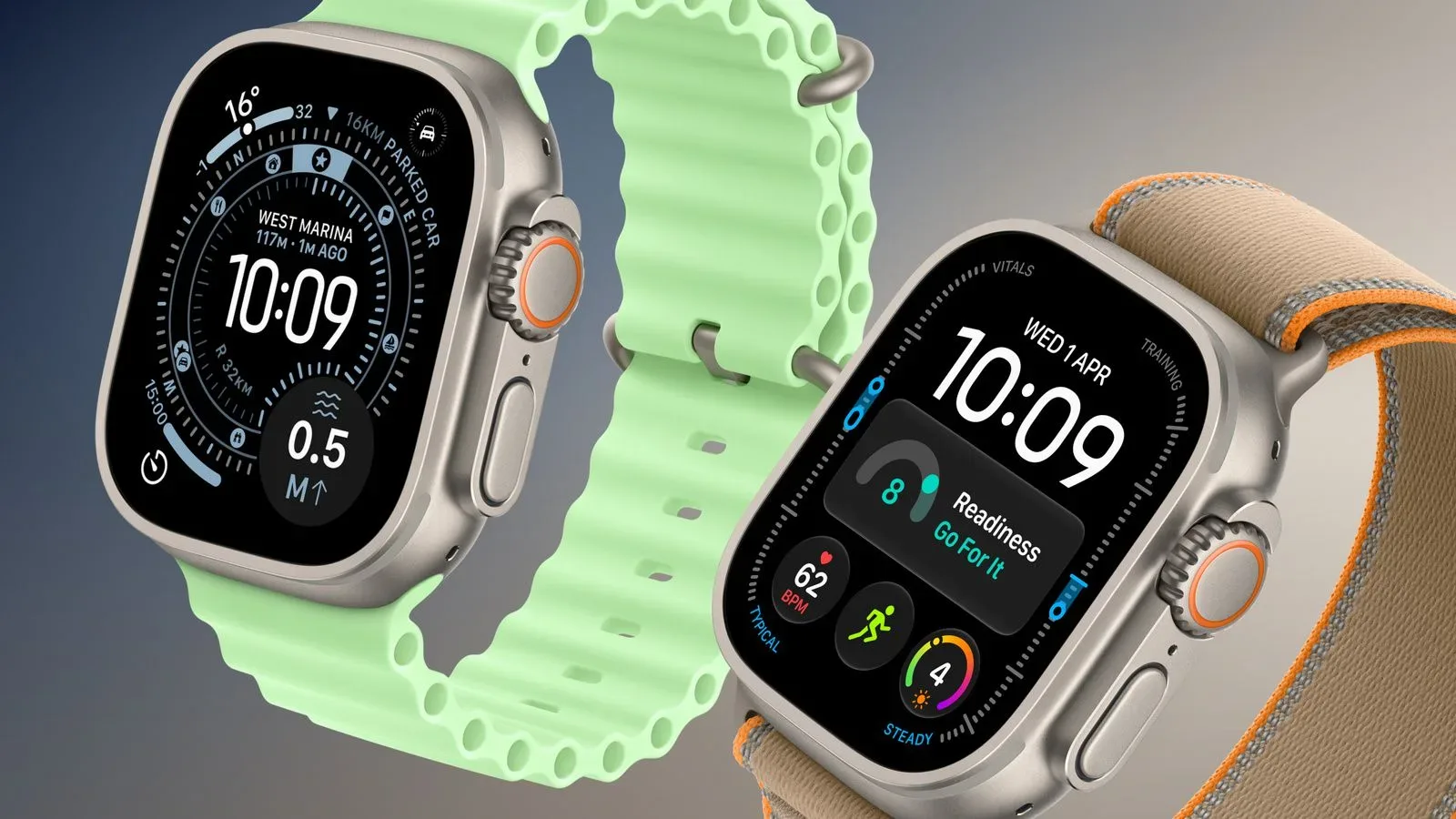
Premium-device promotions are also increasingly about the final transaction rather than the first advertised price. The $250 discount is direct and simple. The potential trade-in credit is more complicated but potentially much more consequential. Buyers comparing this offer with other tech discounts may find it helpful to use the same checklist they would for a wearable or computer deal: start with the exact configuration, identify the unconditional discount, calculate any conditional credit separately, and make the decision from the checkout total. That approach is especially relevant for high-cost hardware, as with this recent Apple Watch Ultra comparison, where a headline upgrade or discount is only one part of whether a purchase makes sense.
Who this offer is likely to suit
The Galaxy Z Fold8 sale is most compelling for someone who specifically wants the phone-to-tablet form factor and can benefit from a high trade-in valuation. The direct discount reduces the 256GB model to $1,650, while the maximum stated $815 credit would bring it to $835 before any other considerations. That latter amount is attractive, but it should be treated as a ceiling-based example, not a promise.
For buyers without a trade-in, the decision is simpler: is the flexibility of a larger unfoldable screen worth $1,650? For buyers with a device to exchange, the decision depends heavily on the actual credit returned. Either way, the strongest reason to consider the Fold8 is not the novelty of a hinge; it is the chance to carry a conventional phone that can become a more spacious device when browsing, viewing, or working demands it.
Shop the products
Check current price, model and availability at the retailer.